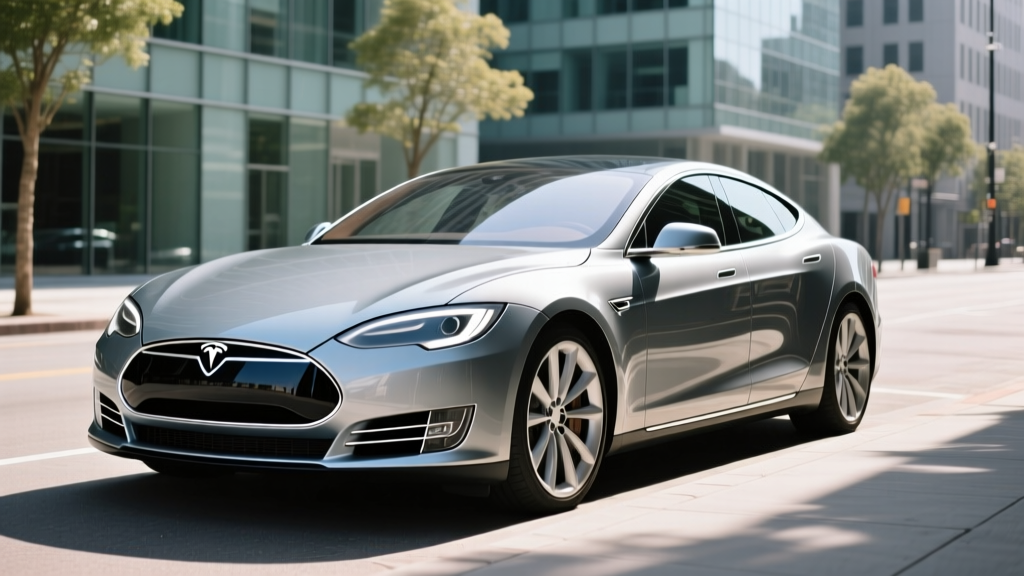
The 2014 Tesla Model S 60 occupies a unique space in the used EV market. Originally positioned as the entry point into Tesla's luxury sedan lineup, it offered a then-impressive 208 miles of EPA-rated range at a base MSRP of $69,900. Over a decade later, it has become one of the most affordable ways to get into a full-size electric luxury sedan — but prospective buyers need to understand exactly what they're signing up for, especially regarding battery health, charging limitations, and the absence of modern federal incentives.
This review breaks down every critical spec, real-world ownership reality, and buying consideration for the 2014 Model S 60 from a 2026 perspective. Whether you're eyeing one on the used market or comparing it against newer budget EVs, this is the data-driven guide you need.
2014 Tesla Model S 60: Core Specifications
| Spec | Value |
|---|---|
| EPA Range (original) | 208 miles |
| Battery Capacity (total / usable) | ~60 kWh total / ~56 kWh usable |
| Battery Chemistry | NMC (Nickel Manganese Cobalt) — Panasonic 18650 cells |
| Drivetrain | Rear-Wheel Drive (single motor) |
| Horsepower | 302 hp (225 kW) |
| 0–60 mph | 5.9 seconds |
| Top Speed | 125 mph |
| EPA Efficiency | 95 MPGe combined (35 kWh/100 mi) |
| Max DC Fast Charge | ~90 kW (Supercharger V1/V2) |
| Level 2 Charge Rate | 10 kW (single onboard charger) or 20 kW (twin charger option) |
| Cargo Volume | 26.3 cu ft (rear) + 5.3 cu ft (frunk) |
| Seating | 5 passengers (optional rear-facing 3rd row for 7) |
| Base MSRP (2014) | $69,900 |
| Original Battery Warranty | 8 years / 125,000 miles |
Real-World Range: What to Actually Expect in 2026
EPA Rated: 208 miles
Real-World Highway (70 mph, moderate temps): ~155–170 miles
Real-World City / Mixed: ~170–190 miles
Cold Weather (below 32°F): ~120–145 miles (30–40% reduction)
With 15% Battery Degradation (typical for a 10-year-old pack): ~130–155 miles highway
The 208-mile EPA figure was measured when the car was new. Any 2014 Model S 60 you encounter in 2026 will have experienced battery degradation. Tesla's NMC 18650 cells from this era typically lose 10–20% of their original capacity over 10–12 years, depending on charging habits, climate exposure, and mileage. A car with 120,000+ miles and frequent Supercharging history will sit at the worse end of that range.
The single-motor RWD powertrain is reasonably efficient at 35 kWh/100 mi, but the relatively small 60 kWh pack (with roughly 56 kWh usable) limits the practical envelope. Highway driving at 75+ mph pushes consumption closer to 38–42 kWh/100 mi, compressing range further. In cold climates, the resistive cabin heater (this generation predates Tesla's heat pump adoption) draws heavily from the pack, making winter range a genuine concern for commuters in northern states.
According to fueleconomy.gov, the 2014 Model S 60 achieved 95 MPGe combined. That's competitive for its era but trails modern EVs like the Hyundai Ioniq 6 (140 MPGe) and Tesla Model 3 Highland (132 MPGe).
Charging Speeds: DC Fast, Level 2, and Level 1
| Charging Level | Power | Speed / Time |
|---|---|---|
| Level 1 (120V household) | ~1.4 kW | ~3–4 miles per hour |
| Level 2 (240V, single charger) | 10 kW | ~29 miles per hour; 0–100% in ~6 hours |
| Level 2 (240V, twin charger option) | 20 kW | ~58 miles per hour; 0–100% in ~3 hours |
| DC Fast Charge (Tesla Supercharger V2) | Peak ~90 kW | 10–80% in ~35–40 minutes |
| DC Fast Charge (CHAdeMO w/ adapter) | ~50 kW | 10–80% in ~55–65 minutes |
The 2014 Model S 60 uses Tesla's proprietary connector (pre-NACS standardization). At Tesla Superchargers, it can accept a peak of roughly 90 kW — though that peak is brief. The charge curve tapers significantly above 50% State of Charge, and by 80%, you're typically seeing 30–40 kW. This means a realistic 10–80% session takes 35–40 minutes at a V2 Supercharger.
For home charging, the single onboard charger (10 kW / 40A) was standard. Tesla offered a twin-charger option (20 kW / 80A) that halves Level 2 charging time — a valuable upgrade if you can find a used example that has it. Most 2014 Model S 60s on the used market will have the single charger. With a standard NEMA 14-50 outlet on a 50A circuit, expect roughly 29 miles of range per hour of charging, which is adequate for overnight replenishment for most commutes.
CCS compatibility note: The 2014 Model S predates the CCS standard in North America. Tesla has opened Superchargers to non-Tesla EVs via Magic Dock, but older Teslas like this one remain native to Tesla's proprietary connector. Third-party CHAdeMO adapters (such as those from Setec) exist but add cost and reduce peak charge rates to around 50 kW.
Performance and Driving Dynamics
The 2014 Model S 60's single rear-mounted AC induction motor produces 302 horsepower and delivers a 0–60 mph time of 5.9 seconds. That's brisk by any sedan standard and remains satisfying in daily driving. Instant torque delivery makes city merging and highway passing effortless, even if it can't match the 85 kWh variant (5.4 seconds) or the P85D's ludicrous 3.2-second sprint.
Ride quality is a highlight. The Model S platform is heavy (roughly 4,600 lbs), and that mass translates into a planted, composed highway demeanor. The air suspension (optional on the 60, standard on higher trims) offers adjustable ride height and a comfortable, adaptive feel. Steering is precise if somewhat numb by modern standards — Tesla's electric power steering from this era prioritizes comfort over feedback.
Regenerative braking is strong but not adjustable in this generation (Tesla added selectable regen levels in later software updates). One-pedal driving is possible but not as refined as in newer Teslas or competitors like the Chevrolet Bolt or Nissan Leaf with e-Pedal.
Interior, Tech, and Cargo Space
The 2014 Model S interior was futuristic for its time, centered on a 17-inch touchscreen that controlled nearly every vehicle function. The digital instrument cluster is a simple LCD display — functional but dated compared to modern configurable clusters. Build quality on 2014-era Model S vehicles is a known weak point: panel gaps, creaking trim, and early touchscreen delamination are common complaints on high-mileage examples.
Passenger and cargo dimensions:
- Front legroom: 42.7 inches
- Rear legroom: 35.4 inches
- Rear cargo: 26.3 cu ft (seats up), 58.1 cu ft (seats folded)
- Front trunk (frunk): 5.3 cu ft
- Optional rear-facing third-row seats (for small children only): adds 2 seats, total capacity of 7
The cargo space remains genuinely impressive. The hatchback-style liftgate and flat load floor make the Model S more practical than many SUVs. The frunk adds useful grocery-bag space.
Driver assistance: The 2014 Model S 60 came with basic cruise control and stability control. Tesla's Autopilot hardware (cameras and radar for Autosteer, Traffic-Aware Cruise Control) began shipping in late September 2014. If you're shopping for a 2014 model, verify whether it has the Autopilot hardware suite — early-build 2014 cars do not have it, while late-build 2014 cars may. Even with Autopilot hardware, this is SAE Level 2 driver assistance — the driver must remain fully engaged at all times. This is not self-driving.
Pricing, Tax Credits, and Used Market Value
The 2014 Tesla Model S 60 does NOT qualify for the new-vehicle §30D federal tax credit (it's no longer sold new). However, it may qualify for the Used Clean Vehicle Credit (§25E) — up to $4,000 or 30% of the sale price, whichever is less. Requirements include:
• Sale price must be $25,000 or less
• Buyer income caps: $75,000 (single) / $112,500 (head of household) / $150,000 (joint)
• Vehicle must be at least 2 model years old
• Must purchase from a licensed dealer (private-party sales excluded)
• Battery capacity must be at least 7 kWh (the 60 kWh pack qualifies)
Source: IRS.gov — Used Clean Vehicle Credit
| Item | Amount |
|---|---|
| Original Base MSRP (2014) | $69,900 |
| Typical As-Tested Price (2014, w/ options) | $75,000–$82,000 |
| Used Market Price (2026, avg. mileage) | $12,000–$20,000 |
| Used Market Price (low mileage, good condition) | $18,000–$24,000 |
| Max Used EV Tax Credit (§25E) | Up to $4,000 (30% of sale price) |
| Effective Price After Max Credit | ~$8,000–$20,000 |
The used Model S 60 has depreciated heavily — which is great for buyers but reflects real concerns about battery longevity, repair costs, and outdated tech. At $12,000–$20,000, it competes with newer but smaller EVs like used Chevrolet Bolts, Nissan Leafs, and early Hyundai Kona Electrics. The §25E used-vehicle credit can knock up to $4,000 off the price, but the $25,000 sale-price cap means it applies to most Model S 60 listings.
Battery Health, Warranty, and Longevity
The 2014 Model S 60 uses a Panasonic-sourced NMC (Nickel Manganese Cobalt) battery pack composed of 18650-format cylindrical cells — the same cell format used in the original Roadster and early Model S variants. NMC chemistry offers higher energy density than LFP (Lithium Iron Phosphate) but is more susceptible to degradation from high temperatures, frequent DC fast charging, and sustained high or low State of Charge.
Original warranty: Tesla provided an 8-year / 125,000-mile battery and drive unit warranty for the 2014 Model S 60. As of 2026, that warranty has expired on all examples regardless of mileage. This is a critical consideration: any battery or drive unit failure is an out-of-pocket expense.
Battery replacement cost: A refurbished or replacement 60 kWh pack from Tesla or third-party EV battery specialists typically runs $8,000–$14,000 installed. Some owners have sourced salvaged packs from wrecked Model S vehicles for $5,000–$8,000, though this carries risk. Given that the car itself may be worth $15,000, a battery failure can be a total-loss scenario.
Pre-purchase battery check: Before buying, request a battery health report. You can check the car's current rated range at 100% charge — if it shows significantly below 175–180 rated miles, the pack has degraded more than 15%. Third-party services like TeslaFi or Recurrent can provide detailed State of Health (SoH) data if the previous owner enrolled the vehicle.
Who Should (and Shouldn't) Buy the 2014 Model S 60
- Budget-conscious buyers wanting a full-size luxury EV sedan
- Commuters with round trips under 100 miles and home charging access
- EV enthusiasts who want Tesla Supercharger network access at a low entry price
- Those who value cargo space and hatchback practicality
- Long-distance road-trippers (limited range + slow DC charging by modern standards)
- Cold-climate drivers without garage parking (range loss + resistive heating)
- Buyers who need current warranty coverage or low repair-cost risk
- Those expecting modern driver-assist features or infotainment performance
The 2014 Model S 60 is a compelling budget EV if you go in with realistic expectations. It offers genuine luxury sedan space, decent performance, and Supercharger access for well under $20,000. But the combination of degraded range, expired battery warranty, aging interior tech, and single-motor drivetrain means it's best suited as a commuter car with reliable home charging — not a primary road-trip vehicle.
2014 Model S 60 vs. Key Used EV Competitors
| Spec | 2014 Tesla Model S 60 | 2017 Chevy Bolt EV | 2018 Nissan Leaf Plus |
|---|---|---|---|
| Used Price (2026) | $12,000–$20,000 | $10,000–$15,000 | $11,000–$16,000 |
| EPA Range | 208 mi | 238 mi | 226 mi |
| Battery | 60 kWh NMC | 60 kWh NMC (LG) | 62 kWh NMC |
| DC Fast Charge | ~90 kW (Tesla) | 55 kW (CCS) | ~50 kW (CHAdeMO) |
| 0–60 mph | 5.9 sec | 6.5 sec | 6.9 sec |
| Cargo | 26.3 cu ft + frunk | 16.9 cu ft | 23.6 cu ft |
| Battery Warranty | Expired | Expired or expiring | Expired or expiring |
| Fast-Charge Network | Tesla Supercharger | CCS (EA, etc.) | CHAdeMO (shrinking) |
The Bolt offers more range and a newer platform but is much smaller inside. The Leaf Plus has practical hatchback space but is hampered by passive battery cooling (no liquid thermal management) and the declining CHAdeMO network. The Model S 60 wins on size, performance, and Supercharger access — but loses on range certainty and warranty coverage.
Pros and Cons
- Spacious luxury sedan with hatchback + frunk
- Tesla Supercharger network access
- Strong 0–60 performance (5.9 sec)
- Low used pricing ($12K–$20K)
- Eligible for up to $4,000 used EV tax credit
- Air suspension available (ride comfort)
- Over-the-air software updates (though limited for this generation)
- Real-world range often 130–170 mi (degraded pack)
- Battery warranty fully expired — replacement costs $8K–$14K
- DC fast charging slow by 2026 standards (~90 kW peak)
- No modern Autopilot hardware on early-build 2014 cars
- Resistive cabin heater (no heat pump — cold-weather range hit)
- Interior build quality and touchscreen aging issues
- Single onboard charger limits Level 2 speed (unless twin option)
Frequently Asked Questions
What is the real-world range of the 2014 Tesla Model S 60?
Originally EPA-rated at 208 miles, a 2014 Model S 60 in 2026 typically delivers 130–170 miles of real-world range depending on battery degradation (10–20% typical), driving style, and climate. Highway driving at 75 mph and cold weather significantly reduce this figure. Expect 120–145 miles in freezing temperatures due to the resistive heater draw and battery impedance increase.
How fast does the 2014 Model S 60 charge?
On a Tesla Supercharger (V2), it peaks around 90 kW and takes approximately 35–40 minutes for a 10–80% charge, with significant taper above 50% SoC. At home on a 240V Level 2 outlet with the standard single charger, it charges at 10 kW — adding about 29 miles of range per hour, or a full charge in roughly 6 hours. The optional twin charger doubles this to 20 kW.
Does the 2014 Tesla Model S 60 qualify for the federal EV tax credit?
Not the new-vehicle §30D credit — the car is long out of production. However, it may qualify for the Used Clean Vehicle Credit (§25E): up to $4,000 or 30% of the sale price (whichever is less) if purchased from a licensed dealer for $25,000 or less, subject to buyer income caps ($75K single / $150K joint). Verify eligibility with a tax professional before purchase.
Is the 2014 Model S 60 worth buying vs. a newer used EV?
It depends on your priorities. If you want maximum interior space, hatchback practicality, Supercharger access, and decent performance at a sub-$20K price, it's compelling. If you prioritize range confidence, remaining warranty, and modern driver-assist tech, a used 2018+ Chevy Bolt EV, 2019+ Hyundai Kona Electric, or 2020+ Tesla Model 3 (at higher cost) may serve you better. Always get a battery health report before committing.
What should I check before buying a used 2014 Model S 60?
Prioritize: (1) Battery State of Health — check rated range at 100% charge; (2) Whether the car has Autopilot hardware (late-build 2014 only); (3) Service history for drive unit or battery replacements; (4) Touchscreen condition (delamination is common); (5) Air suspension functionality if equipped (compressor and strut failures are expensive); (6) Whether it has the single or twin onboard charger. A pre-purchase inspection at a Tesla Service Center or qualified EV mechanic is strongly recommended.
Can the 2014 Model S 60 use non-Tesla chargers?
With adapters, yes. Tesla's proprietary connector from this era is compatible with J1772 Level 2 chargers using the included adapter. For DC fast charging outside the Supercharger network, third-party CHAdeMO adapters exist but are expensive ($400–$700) and limit speeds to ~50 kW. This car predates CCS and NACS standardization, so native non-Tesla DC charging is not straightforward.