Quick Verdict: Should You Buy a Used 2014 RAV4 EV?
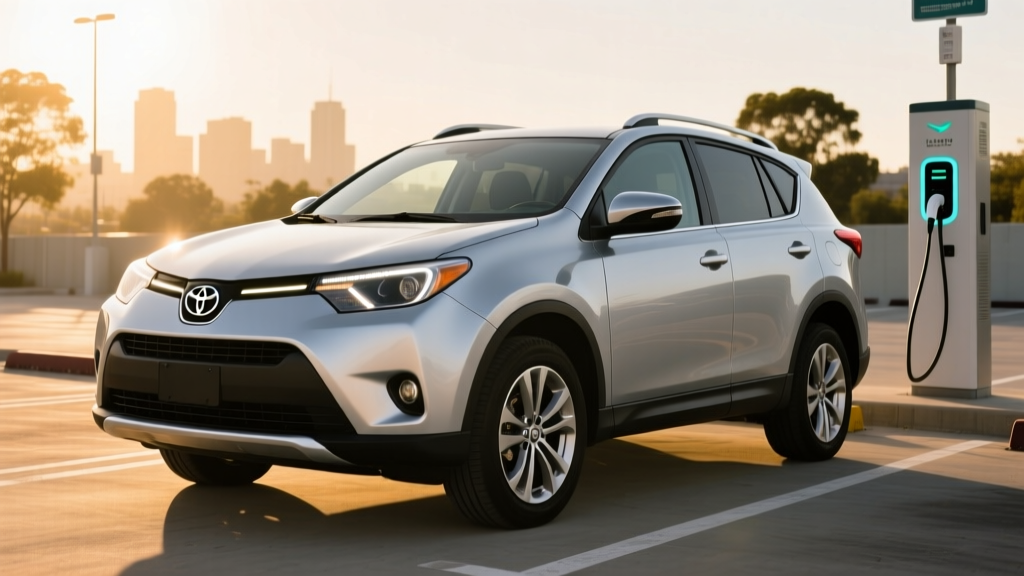
The 2014 Toyota RAV4 EV delivers an EPA-estimated 103 miles of range from its 41.8 kWh lithium-ion battery (Tesla-sourced powertrain), with a 129 kW electric motor producing 154 hp. In 2026, expect to pay $8,000–$14,000 on the used market. It's a practical commuter EV if your daily driving stays under 70 miles and you have reliable Level 2 home charging — but its limited DC fast charging (50 kW max, CCS/CHAdeMO adapter-dependent) and age-related battery degradation make it a risky sole vehicle for anyone with highway commutes or cold-weather needs. No federal tax credits apply to used EVs of this vintage under current IRS §30D rules.
2014 RAV4 EV: Core Specs at a Glance
| Specification | Value |
|---|---|
| EPA Range | 103 miles |
| Battery Capacity (usable) | 41.8 kWh (lithium-ion, NMC chemistry) |
| Motor Output | 129 kW / 154 hp / 273 lb-ft torque |
| 0–60 mph | ~8.6 seconds |
| Top Speed | 100 mph (electronically limited) |
| EPA Efficiency | 76 MPGe combined (city 78 / hwy 74) |
| Energy Consumption | 44 kWh/100 miles |
| Level 2 Charging (240V, 40A) | ~9.6 kW, 0–100% in ~5 hours |
| DC Fast Charging | 50 kW max (CHAdeMO via adapter) — 0–80% in ~50 min |
| Cargo Volume | 36.4 cu ft (behind rear seats), 73.4 cu ft (seats folded) |
| Curb Weight | 4,032 lbs |
| Original MSRP (2014) | $49,800 (before incentives) |
| Used Price Range (2026) | $8,000–$14,000 |
| Battery Warranty (Original) | 8 years / 100,000 miles (expired for most) |
Real-World Range: What 103 EPA Miles Actually Means
The EPA sticker says 103 miles, but real-world results depend heavily on how and where you drive. Based on owner reports and testing data from fueleconomy.gov, here's what to expect:
EPA Estimate: 103 miles
Real-World Highway (65–70 mph, moderate temps): ~80–90 miles
City Commuting (stop-and-go, regen-heavy): ~95–110 miles
Cold Weather (below 32°F, heater on): ~60–75 miles (30–40% loss)
Cold + Highway Combined: ~55–65 miles
The RAV4 EV lacks a heat pump — it uses resistive cabin heating, which draws significant power from the pack in winter. If you live in a climate with sustained sub-freezing temperatures, plan for roughly 60 usable miles on a cold highway commute. That's a hard constraint, not a suggestion.
Battery degradation is the other major variable. This vehicle is now 12 years old. Lithium-ion NMC packs from this era typically show 15–25% capacity loss at this age, depending on charge habits and climate exposure. A 2014 RAV4 EV that started with ~103 miles may now deliver only 75–88 miles on a full charge in ideal conditions. Before purchasing, request a battery State of Health (SoH) reading — any reputable EV-aware shop or Toyota dealer with Techstream can pull this data.
Charging: Level 2 Is Essential, DC Fast Charging Is Limited
The 2014 RAV4 EV was built during the CHAdeMO vs. CCS connector wars, and it shows. The vehicle ships with a J1772 inlet for Level 2 AC charging and supports DC fast charging only via a CHAdeMO-compatible port (on earlier builds) or with an adapter.
| Charging Level | Power (kW) | Connector | Speed (miles added/hr) | 0–80% Time |
|---|---|---|---|---|
| Level 1 (120V, 12A) | ~1.4 kW | J1772 | ~3–4 mi/hr | ~30+ hours |
| Level 2 (240V, 40A) | ~9.6 kW | J1772 | ~22–25 mi/hr | ~4 hours |
| DC Fast (CHAdeMO) | 50 kW (peak) | CHAdeMO | ~110 mi/hr (peak) | ~45–55 min |
The practical reality: Level 1 charging from a standard household outlet is essentially useless for daily driving — you'd add roughly 35 miles overnight in 10 hours. A Level 2 home charger is non-negotiable for this vehicle. Budget $500–$1,500 for a quality 40A Level 2 unit (like a ChargePoint Home Flex or Emporia Vue) plus $800–$2,500 for professional electrical installation, depending on whether your panel needs an upgrade to support a 50A circuit.
DC fast charging at 50 kW is painfully slow by 2026 standards. Modern EVs charge at 150–350 kW. At a CHAdeMO station, you'll add roughly 80 miles in 45 minutes — enough for a road trip pit stop, but not quick. Worse, the CHAdeMO public network has shrunk significantly as the industry standardized on CCS and NACS. You may find very few compatible fast chargers in your area. Check the Alternative Fuels Data Center for CHAdeMO station availability near you before committing to this car.
Cost Breakdown: What Ownership Actually Costs
Buying a 12-year-old EV is a different calculus than buying new. Here's a realistic 5-year ownership cost projection assuming a $11,000 purchase price and 10,000 miles/year:
| Cost Category | 2014 RAV4 EV (5-Year) | Comparable Gas RAV4 (5-Year, Used) |
|---|---|---|
| Purchase Price | $11,000 | $14,000 |
| Fuel/Energy (50,000 mi total) | $2,200 (at $0.14/kWh avg) | $5,500 (at $3.50/gal, 28 MPG avg) |
| Maintenance | $1,500 (tires, brakes, cabin filter, coolant) | $3,500 (oil, filters, brakes, belts, spark plugs) |
| Insurance (avg) | $6,500 ($1,300/yr) | $5,500 ($1,100/yr) |
| Potential Battery Replacement | $5,000–$10,000 (risk factor) | $0 |
| Estimated 5-Year Total | $21,200–$31,200 | $28,500 |
The EV wins on fuel and maintenance savings — roughly $5,300 less over five years in those categories alone. But the battery replacement wildcard can erase that advantage entirely. If the pack degrades below 70% capacity (making the car impractical for even short commutes), you're facing a $5,000–$10,000 replacement or refurbishment with no warranty safety net, since the original 8-year/100,000-mile battery warranty has expired for virtually all 2014 examples.
Tax credit note: The federal §30D new EV credit does not apply. The used EV credit (up to $4,000) under §25E requires the vehicle to be purchased from a dealer for under $25,000 and the buyer to meet income caps. However, the vehicle must have a battery capacity of at least 7 kWh (the RAV4 EV qualifies), and the credit is 30% of the sale price up to $4,000. If you buy from a private party, this credit is unavailable. Confirm eligibility with a tax professional and current IRS guidance.
2014 RAV4 EV vs. Gas RAV4 vs. Modern Used EV
| Attribute | 2014 RAV4 EV | 2014 RAV4 Gas (AWD) | 2020 Chevrolet Bolt EV (Used) |
|---|---|---|---|
| Used Price (2026) | $8,000–$14,000 | $12,000–$17,000 | $14,000–$20,000 |
| EPA Range / MPG | 103 mi (76 MPGe) | 25 MPG combined | 259 mi (118 MPGe) |
| Fuel Cost / 1,000 mi | ~$62 (electricity) | ~$140 (gas) | ~$50 (electricity) |
| DC Fast Charging | 50 kW (CHAdeMO) | N/A | 55 kW (CCS) |
| Cargo (behind rear seats) | 36.4 cu ft | 38.4 cu ft | 16.9 cu ft |
| Battery Warranty Remaining | Expired | N/A | May have 1–2 years left |
| ADAS Features | None (basic ABS/traction) | None | Available (lane keep, AEB) |
The 2014 RAV4 EV occupies an awkward middle ground. It offers the cargo space of a compact SUV (a real advantage over the Bolt) but with one-third the range and obsolete fast-charging infrastructure. The gas RAV4 from the same year costs slightly more upfront but carries zero battery-replacement risk and can be refueled anywhere in five minutes. If you need a commuter EV with more range and modern charging, a used 2020+ Bolt, Nissan Leaf (62 kWh), or even an early Hyundai Kona Electric will serve you better — though at a higher purchase price and less cargo room.
Common Misconceptions About the 2014 RAV4 EV
| Myth | Fact |
|---|---|
| "It's a Tesla underneath, so it's reliable" | Toyota built the vehicle; Tesla supplied the powertrain (motor + battery). The integration was competent, but parts availability for Tesla-specific components (inverter, motor) is increasingly limited through Toyota's service network. |
| "103 miles is plenty for a commuter car" | Only if your round-trip commute is under 60 miles and you never detour. Cold weather, highway speeds, and battery degradation all shrink that number. Plan for 70–80 usable miles in real conditions. |
| "I can charge it at any public fast charger" | The CHAdeMO connector is now rare. Most new DC fast stations are CCS or NACS (Tesla). You must verify CHAdeMO availability in your area. |
| "The battery warranty still covers me" | The 8-year/100,000-mile battery warranty expired in 2022 at the latest. Any battery failure or significant degradation is an out-of-pocket expense. |
| "Used EVs qualify for the full $7,500 tax credit" | They don't. The used EV credit (§25E) caps at $4,000, requires dealer purchase, income limits, and a sale price under $25,000. Private-party sales get nothing. |
Decision Framework: Is the 2014 RAV4 EV Right for You?
Buy the 2014 RAV4 EV if:
- Your daily round-trip commute is under 60 miles
- You have (or can install) a 240V Level 2 home charger
- You live in a mild climate (rarely below 40°F)
- You need SUV cargo space on a tight budget
- You accept the risk of a $5,000+ battery replacement with no warranty
- You've verified CHAdeMO fast-charger availability in your area (or don't need road-trip capability)
Skip it and look elsewhere if:
- Your commute exceeds 70 miles round-trip
- You experience harsh winters (sustained sub-freezing temperatures)
- You rely exclusively on public charging (no home/work Level 2 access)
- You want modern ADAS safety features (automatic emergency braking, lane-keeping)
- You can't absorb an unexpected $5,000–$10,000 battery repair
- You take regular road trips over 120 miles
Frequently Asked Questions
What is the battery State of Health (SoH) and why does it matter?
SoH measures remaining battery capacity as a percentage of original. A 2014 RAV4 EV at 80% SoH would deliver roughly 82 miles of range instead of 103. Always request an SoH reading before purchase. Below 70%, the car becomes impractical for most commuters and battery replacement should be factored into the purchase price.
Can I charge a 2014 RAV4 EV at a Tesla Supercharger?
No. The RAV4 EV uses a J1772 inlet for Level 2 and CHAdeMO for DC fast charging. Tesla Superchargers use the NACS connector, and there is no adapter available that allows a CHAdeMO or J1772 vehicle to charge at a Supercharger. You'll rely on Electrify America, EVgo, ChargePoint, and other networks — and must confirm they still have CHAdeMO connectors at stations near you.
How much does it cost to replace the battery?
A full OEM battery replacement from Toyota would cost approximately $8,000–$12,000 including labor, though OEM pack availability for this model year is increasingly uncertain. Third-party EV battery refurbishers may offer module-level repairs for $4,000–$7,000. Neither option is covered by warranty at this point.
Is the 2014 RAV4 EV safe?
The 2014 RAV4 EV received a 4-star overall rating from NHTSA (out of 5). It lacks modern active safety features — no automatic emergency braking, no blind-spot monitoring, no lane-departure warning. By 2026 safety standards, it's significantly behind. If ADAS features matter to you, look at a 2019+ used EV with Toyota Safety Sense or equivalent.
What maintenance does a 2014 RAV4 EV need?
Far less than a gas car. Expect to replace tires (EVs wear tires faster due to weight and instant torque — budget $600–$900 every 35,000–45,000 miles), cabin air filters, brake fluid, and coolant. Brake pads last much longer thanks to regenerative braking. There's no engine oil, no transmission fluid, no spark plugs, and no timing belt.
Does the 2014 RAV4 EV qualify for any tax credits in 2026?
The new-vehicle §30D credit is not available. The used-vehicle §25E credit (up to $4,000, or 30% of sale price, whichever is less) may apply if you buy from a licensed dealer, the sale price is under $25,000, and your modified adjusted gross income falls within IRS limits ($75,000 single / $150,000 joint). Private-party purchases do not qualify. Verify current rules at irs.gov and consult a tax professional.