Quick Verdict: Is the 2014 Mercedes B-Class Electric Drive Worth Buying Used in 2026?
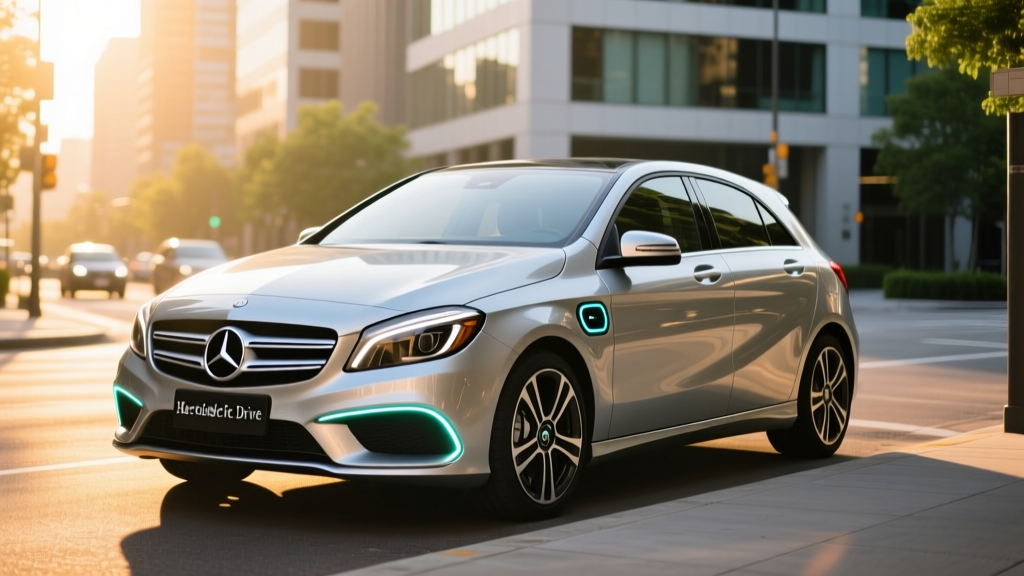
The 2014 Mercedes-Benz B-Class Electric Drive (also sold as the B250e for 2015-2017) is a budget commuter EV with an EPA-rated range of just 87 miles from its 28 kWh (usable) Tesla-supplied battery pack. In 2026, used examples sell for roughly $6,000–$10,000 depending on mileage and battery health. It qualifies as a solid second car or short-commute runabout if you have home Level 2 charging and a commute under 30 miles each way. It does not qualify for the federal §30D used-EV tax credit in most cases due to the $25,000 sale-price cap and model-year age restrictions. If you need highway range, fast DC charging, or cold-weather capability, look at a newer used Chevrolet Bolt EV or Nissan Leaf instead.
Real-World Range and Efficiency: What 87 EPA Miles Actually Means
The 2014 B-Class Electric Drive carries a 36 kWh gross / 28 kWh usable lithium-ion battery pack engineered by Tesla (the same architecture found in early Model S packs, though smaller). The EPA rated it at 87 miles of range and 84 MPGe combined (roughly 36 kWh/100mi), per fueleconomy.gov.
Real-World Range Expectations
| Condition | Expected Range | Notes |
|---|---|---|
| EPA Sticker | 87 miles | Mixed city/highway cycle |
| City driving (mild weather) | 90–100 miles | Regen braking helps in stop-and-go |
| Highway (65-70 mph) | 65–75 miles | Aerodynamic drag kills efficiency |
| Cold weather (below 32°F) | 55–65 miles | No heat pump; resistive cabin heater draws heavily |
| Hot weather (above 95°F, A/C on) | 70–80 miles | Climate system load reduces range ~10% |
The B-Class Electric Drive uses a resistive heater rather than a heat pump, which means winter range loss is significant — expect a 30–35% reduction in freezing temperatures. This vehicle has no battery preconditioning system for DC fast charging, which we'll address in the charging section below.
Charging Speeds: Level 1, Level 2, and the DC Fast-Charging Gap
Understanding the difference between kW (power — how fast energy flows) and kWh (energy — how much the battery holds) is critical here. The B-Class holds about 28 kWh usable and can accept power at varying rates depending on the charger type.
| Charge Level | Power (kW) | Time (0-100%) | Miles Added per Hour |
|---|---|---|---|
| Level 1 (120V household) | ~1.2 kW | ~24+ hours | ~3–4 miles |
| Level 2 (240V, 32A) | ~7.2 kW | ~4 hours | ~22 miles |
| Level 2 (240V, 48A max onboard) | ~10 kW | ~3 hours | ~28 miles |
| DC Fast Charge | N/A | N/A | Not supported (CCS/CHAdeMO absent) |
This is the B-Class Electric Drive's biggest practical limitation in 2026: it has no DC fast-charging capability. The vehicle charges exclusively via its J1772 AC port. That means road trips requiring mid-charge stops are impractical — you're limited to the vehicle's ~87-mile radius from home or destinations with Level 2 charging.
For daily use, a home Level 2 charger (240V) is essentially mandatory. A 4-hour full charge overnight is perfectly adequate for commuting, but relying on a standard 120V outlet would require nearly a full day to replenish the battery — making Level 1 viable only as an emergency trickle.
EV vs. Gas Comparison: B-Class Electric vs. the Gasoline B250
Mercedes sold a gasoline B250 alongside the Electric Drive. Here's how they compare on operating costs, using 2026 national averages ($0.16/kWh for home electricity, $3.40/gallon regular unleaded):
| Metric | B-Class Electric Drive | B250 (Gas) |
|---|---|---|
| EPA Efficiency | 84 MPGe (36 kWh/100mi) | 28 MPG combined |
| Fuel cost per mile | $0.058 | $0.121 |
| Annual fuel cost (12,000 mi) | ~$696 | ~$1,457 |
| Annual fuel savings (EV) | ~$761/year | |
| Oil changes per year | 0 | 2–3 |
| Brake wear | Minimal (regen braking) | Normal |
| Used purchase price (2026) | $6,000–$10,000 | $9,000–$14,000 |
At roughly $761 in annual fuel savings, the B-Class Electric Drive pays for its price differential within a year or two versus the gas B250. Maintenance savings add another $200–$400 annually (no oil changes, reduced brake wear, no transmission fluid). The total operating-cost advantage is approximately $1,000–$1,200 per year.
However, the gas B250 offers unlimited range, 5-minute refueling, and no charging-infrastructure dependency — advantages that matter if you lack home charging or regularly drive beyond 87 miles.
Total Ownership Cost Breakdown (5-Year Projection)
Here's what owning a 2014 B-Class Electric Drive actually costs over five years, assuming 12,000 miles/year, home Level 2 charging, and a $8,000 purchase price:
| Cost Category | 5-Year Total | Notes |
|---|---|---|
| Purchase price | $8,000 | Average used market, ~60K miles |
| Home Level 2 charger install | $500–$1,500 | One-time; varies by panel capacity |
| Electricity (charging) | $3,480 | $696/yr × 5 at $0.16/kWh |
| Insurance | $5,500–$7,000 | ~$1,100–$1,400/yr; EV premiums slightly higher |
| Maintenance | $1,000–$1,500 | Tires, cabin filter, wipers, brake fluid |
| Battery replacement risk | $0–$5,000 | Out of warranty; set aside reserve fund |
| Federal tax credit | $0 | Does not qualify for §30D used credit (see below) |
| Total estimated 5-year cost | $18,480–$22,480 | Excluding depreciation (already steep) |
For context, a comparable gas B250 over the same period would cost roughly $22,000–$26,000 in fuel, maintenance, and insurance on top of a higher purchase price. The Electric Drive saves money on operating costs, but the savings are modest given the already-low used purchase price of either vehicle.
Battery Health, Degradation, and the Tesla-Sourced Pack
The 2014 B-Class Electric Drive's battery was engineered by Tesla and is fundamentally similar to early Model S battery modules. This is generally good news — Tesla's NMC (nickel-manganese-cobalt) chemistry has proven durable. However, these packs are now 11–12 years old, and degradation is a real concern.
| Myth | Fact |
|---|---|
| "The battery will need replacing soon" | NMC packs from this era typically retain 70–85% capacity at 100K miles. Many are still serviceable, but expect 15–25% range loss from new. |
| "Mercedes will replace it under warranty" | The original 8-year/100,000-mile battery warranty has expired or is expiring for all 2014 models. You're on your own. |
| "It's a Tesla battery so it's bulletproof" | While well-engineered, age-based calendar degradation affects all lithium-ion cells regardless of brand. Heat exposure and frequent 100% charges accelerate it. |
| "I can get a new battery from Mercedes" | Replacement packs are extremely difficult to source. Mercedes discontinued the model and does not stock new packs. Third-party refurbishment ($4,000–$6,000) is the realistic path. |
Before buying: Request a battery State of Health (SoH) reading. Some Mercedes dealerships can pull this via diagnostic software, or you can estimate it by fully charging the vehicle and comparing displayed range to the original 87-mile EPA figure. A car showing 70+ miles at full charge has a reasonably healthy pack; below 60 miles signals significant degradation.
Federal Tax Credit and Incentive Reality for 2026
Many used-EV shoppers ask whether the 2014 B-Class Electric Drive qualifies for the IRS §30D used clean vehicle credit (up to $4,000 or 30% of sale price, whichever is lower). The answer is almost certainly no, for several reasons:
- Sale price must be $25,000 or less — The B-Class easily meets this (used prices are $6K–$10K).
- Vehicle must be at least 2 model years old — The 2014 model qualifies (it's 12 years old).
- Buyer income caps apply — AGI must not exceed $75,000 (single), $112,500 (head of household), or $150,000 (joint).
- The vehicle must be purchased from a licensed dealer — Private-party sales do not qualify.
- The vehicle must have a battery capacity of at least 7 kWh — The 28 kWh pack qualifies.
- The same VIN can only claim the used credit once — If a prior owner already claimed it, the credit is gone permanently.
- The vehicle must be on the IRS eligible list — Mercedes-Benz discontinued the B-Class Electric Drive, and it may not appear on the current DOE eligible vehicle list. Verify before purchasing.
Even if all criteria are met, the credit would be 30% of the sale price — so on an $8,000 car, you'd receive $2,400, not $4,000. Consult a tax professional to confirm eligibility for your specific situation.
Decision Framework: Should You Buy the 2014 B-Class Electric Drive?
Buy It If:
- Your round-trip commute is under 50 miles and you can charge at home (Level 2 strongly recommended)
- You want a premium-brand daily driver for under $10,000
- You live in a mild climate (Southern California, Florida, Texas Gulf Coast) where range loss is minimal
- This is a second or third household car, not your only vehicle
- You value the Mercedes interior quality, ride comfort, and quiet cabin over range and tech
Skip It If:
- You lack reliable home charging access (apartment/condo without EVSE capability)
- Your commute exceeds 35 miles one way, especially with highway driving
- You live in a cold-weather climate (Upper Midwest, Northeast, Mountain states) where winter range drops to 55–65 miles
- You need DC fast charging for any road trips beyond 80 miles
- You want modern driver-assistance features (this car has basic collision warning but no adaptive cruise, lane-keeping, or any Level 2 ADAS)
- You can't absorb a potential $4,000–$6,000 battery replacement cost out of warranty
Consider These Alternatives Instead:
- Used Chevrolet Bolt EV (2017–2023) — 238–259 miles EPA range, DC fast charging, ~$10,000–$16,000 used. Far more practical for most buyers.
- Used Nissan Leaf (2018+) — 149–226 miles EPA, CHAdeMO DC charging available, ~$9,000–$15,000. Watch for passive battery cooling in hot climates.
- Used BMW i3 (2014–2021) — Similar range (~81–153 miles depending on year), but DC fast charging available and lighter weight. ~$8,000–$18,000.
Performance, Interior, and What It's Like to Drive
The electric motor produces 177 horsepower and 228 lb-ft of torque, delivering a 0–60 mph time of approximately 7.9 seconds. That's adequate for merging and city driving, though it won't feel particularly quick by 2026 EV standards.
The driving experience is where the B-Class Electric shines relative to its price. Mercedes built this on the same platform as the gas B-Class, so you get a well-insulated cabin, supportive seats, a composed ride, and the solid door-thunk that defined Mercedes in this era. The single-speed transmission provides smooth, seamless acceleration with no gear hunting.
Regenerative braking is moderate — it doesn't offer true one-pedal driving like a Nissan Leaf or Chevrolet Bolt. You'll still use the brake pedal regularly, though the regen does extend brake-pad life considerably.
The interior shows its age by 2026 standards: the COMAND infotainment system is slow, there's no Apple CarPlay or Android Auto (unless retrofitted), and the instrument cluster uses a simple range/charge display rather than a modern digital cockpit. Cargo space is reasonable at 22.4 cubic feet behind the rear seats — the battery pack sits under the floor and doesn't intrude on cabin volume, which was one of Mercedes' clever engineering decisions.
Frequently Asked Questions
Is the 2014 Mercedes B-Class Electric Drive a Tesla?
No, but it uses a Tesla-supplied battery pack and powertrain components. Mercedes partnered with Tesla for the electric drivetrain, but the vehicle itself is entirely a Mercedes-Benz in design, interior, and branding. Tesla service centers will not work on it.
Can I add DC fast charging to the B-Class Electric Drive?
No. The vehicle was not engineered with DC fast-charge hardware, and there is no aftermarket retrofit available. You are limited to AC Level 1 and Level 2 charging via the J1772 port.
How much does it cost to charge at home?
A full charge from empty (28 kWh) at the 2026 national average of $0.16/kWh costs approximately $4.48. In practice, most daily top-ups use 10–15 kWh ($1.60–$2.40), making it significantly cheaper than gasoline for equivalent mileage.
What happens if the battery fails?
Out-of-warranty battery replacement is challenging. Mercedes does not stock new packs, and the Tesla-sourced modules require specialized knowledge. Third-party EV repair shops can sometimes source refurbished modules for $4,000–$6,000. Budget for this possibility and consider it part of the total cost of ownership.
Is the 2014 B-Class Electric safe?
The B-Class earned good crash-test ratings in its era, including IIHS evaluations. It comes standard with multiple airbags, stability control, and Mercedes' PRE-SAFE collision preparation. However, it lacks modern ADAS features like automatic emergency braking, blind-spot monitoring, or lane-keeping assist that are common on 2026 vehicles.
Does it qualify for HOV lane access?
In most states, clean-air vehicle stickers have expired for 2014 models or were never available for this specific vehicle. Check your state's DMV for current rules — California's CAV sticker program, for example, has time limits that have passed for this model year.