Quick Answer: Is the 2014 B-Class Electric Drive Worth Buying Used in 2026?
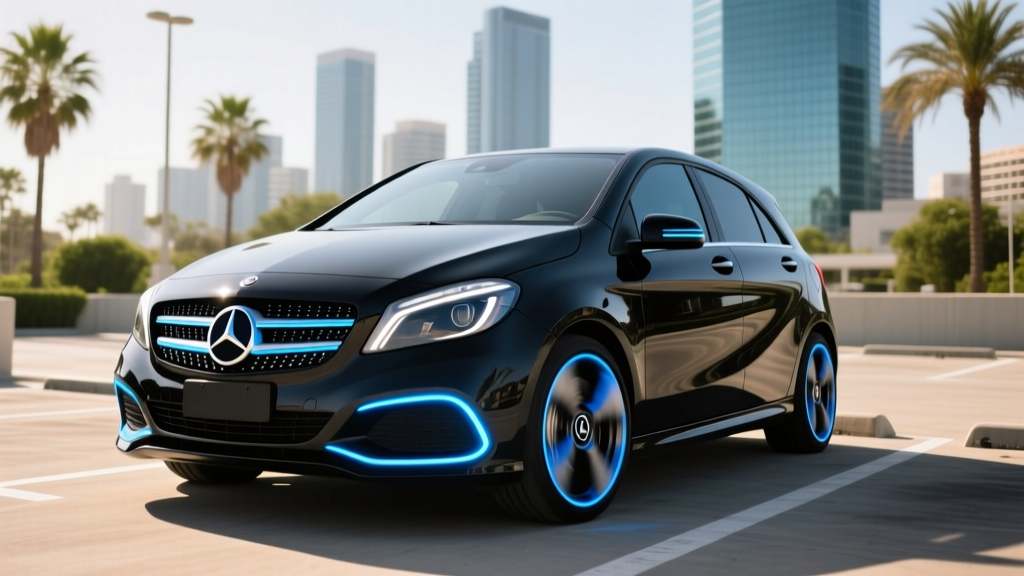
The 2014 Mercedes-Benz B-Class Electric Drive (later renamed B250e) delivers an EPA-rated 87 miles of range from its 28 kWh usable Tesla-sourced battery, with 177 hp and DC fast charging that was rare for its era. On the used market in 2026, expect to pay between $8,000 and $14,000 depending on mileage and battery health. It's a solid short-commute city EV with premium build quality, but its limited range, CHAdeMO connector, and aging battery make it best suited as a second car or urban runabout — not a primary vehicle for longer trips. Budget $200–$400 for a pre-purchase battery health check before committing.
Range, Battery, and Real-World Efficiency
The 2014 B-Class Electric Drive was an unusual collaboration: Mercedes-Benz partnered with Tesla to supply the powertrain, resulting in an AC induction motor and a liquid-cooled lithium-ion battery pack. The usable battery capacity is approximately 28 kWh (from a ~36 kWh gross pack), which was competitive in 2014 but modest by 2026 standards.
| Specification | Value |
|---|---|
| EPA Range | 87 miles |
| Real-World Range (mild weather, city) | 75–90 miles |
| Real-World Range (highway/cold) | 55–70 miles |
| Battery (usable / gross) | 28 kWh / ~36 kWh |
| Battery Chemistry | NMC (nickel manganese cobalt) |
| Motor Type | AC Induction (Tesla-sourced) |
| Horsepower / Torque | 177 hp / 228 lb-ft |
| 0–60 mph | 7.9 seconds |
| EPA Efficiency | 84 MPGe combined (2.8 kWh/mi) |
| DC Fast Charge (peak) | ~50 kW (CHAdeMO) |
| Level 2 Charge Rate | 7.2 kW (240V, 30A) |
| 10–80% DC Fast Charge | ~35–40 minutes |
| Level 2 Full Charge (0–100%) | ~4.5 hours |
| Connector (DC) | CHAdeMO |
| Connector (AC) | J1772 |
| Original MSRP (2014) | ~$41,450 (before incentives) |
| Used Price Range (2026) | $8,000–$14,000 |
Real-World Range Reality Check
The EPA sticker says 87 miles. In practice, plan for 75–90 miles in moderate city driving. On the highway at 70+ mph, expect that to drop to roughly 60–70 miles. In freezing temperatures with cabin heat running, range can fall to 50–60 miles. The B-Class Electric Drive has no heat pump — it uses resistive heating, which is a significant energy draw in cold climates. If your daily round-trip commute exceeds 50 miles, this vehicle will require mid-day charging or careful planning.
The NMC battery pack has aged 12 years by 2026. Typical NMC degradation over that period is 15–25%, meaning a well-maintained pack might now hold 21–24 kWh usable. Always verify the State of Health (SoH) before purchase. A dealer or independent EV shop can pull this data via OBD-II diagnostics. Acceptable SoH for a vehicle at this price point is above 75%; below 70% significantly reduces the already-limited range and should lower the purchase price by $1,500–$3,000 or more.
Charging: What You Need to Know in 2026
The B-Class Electric Drive uses a CHAdeMO connector for DC fast charging and a standard J1772 for Level 2 AC charging. This is a critical consideration in 2026.
| Level | Power | Miles Added per Hour | Notes |
|---|---|---|---|
| Level 1 (120V) | ~1.4 kW | ~4–5 mi/hr | Emergency only; full charge takes 20+ hours |
| Level 2 (240V, 30A) | 7.2 kW | ~24–26 mi/hr | Full charge ~4.5 hours |
| DC Fast (CHAdeMO) | ~50 kW peak | ~150+ mi/hr (at peak) | 10–80% in ~35–40 min; tapers sharply above 80% |
The CHAdeMO problem: The North American charging infrastructure has overwhelmingly standardized on NACS (Tesla's connector) and CCS1. CHAdeMO stations, once common thanks to Nissan and Mitsubishi, have been declining. Electrify America still maintains some CHAdeMO connectors, but many newer stations are CCS/NACS only. If you rely on public DC fast charging, check your local networks (ChargePoint, EVgo, Electrify America) for CHAdeMO availability in your area before buying.
For home charging, a Level 2 installation is strongly recommended. A 7.2 kW onboard charger means you'll add roughly 25 miles of range per hour of charging — more than enough to fully replenish the small battery overnight. Budget $500–$1,500 for a quality Level 2 home charger (e.g., ChargePoint Home Flex, Emporia Level 2) and $500–$2,000 for professional electrical installation, depending on whether your panel needs an upgrade. The total home charging setup will likely cost $1,000–$3,500.
Cost of Ownership: EV vs. Gas Comparison
At the used-market price of $8,000–$14,000, the B-Class Electric Drive is one of the most affordable ways into a premium-badge EV. But how does ownership stack up against a comparable used gas car?
| Cost Category | B-Class Electric Drive | Used Gas Compact (e.g., 2014 C250) |
|---|---|---|
| Purchase Price | $8,000–$14,000 | $10,000–$16,000 |
| Annual Fuel/Energy (10,000 mi) | $300–$550 (home charging at $0.12–$0.18/kWh) | $1,200–$1,600 (gas at $3.20–$4.00/gal, 25 MPG) |
| Annual Maintenance | $200–$500 (tires, cabin filter, brake fluid) | $600–$1,200 (oil, filters, belts, spark plugs) |
| Insurance (avg.) | $1,200–$1,800/yr | $1,000–$1,500/yr |
| Federal Tax Credit (§30D) | Not eligible (used EV credit expired/limited) | N/A |
| Estimated 5-Year Total Cost* | $22,000–$35,000 | $30,000–$46,000 |
*Includes purchase price, 5 years of energy/fuel, maintenance, and insurance. Excludes depreciation, registration, and potential battery replacement.
The energy savings are substantial: charging at home at an average of $0.14/kWh, you'll spend roughly $400/year to drive 10,000 miles — about a third of what a gas car costs. Maintenance is also significantly lower because there's no engine oil, transmission fluid, spark plugs, or exhaust system to service. Regenerative braking extends brake pad life considerably.
However, insurance can run 10–20% higher than a comparable gas Mercedes due to EV-specific repair costs and parts pricing. Get quotes before purchasing.
Common Misconceptions About the B-Class Electric Drive
| Myth | Fact |
|---|---|
| "The Tesla powertrain means Tesla Supercharger access." | False. The B-Class uses CHAdeMO for DC charging, not Tesla's NACS connector. It has never had Supercharger access. |
| "87 miles of range is enough for anyone." | 87 miles EPA is best-case. Real highway or cold-weather range drops to 55–70 miles. Plan trips carefully. |
| "Battery replacement will cost $20,000+." | A replacement pack is expensive ($8,000–$15,000 estimated), but most 2014 packs still function at 75–85% SoH. Full replacement is rarely needed — individual module repair is sometimes possible for $2,000–$5,000. |
| "It qualifies for the $7,500 federal tax credit." | The new-vehicle §30D credit is irrelevant for a 2014 model. The used clean vehicle credit (up to $4,000) has strict requirements including a dealer sale price cap of $25,000 and buyer income limits — verify current eligibility on irs.gov. |
| "CHAdeMO charging stations are everywhere." | CHAdeMO infrastructure is shrinking in North America as CCS and NACS dominate. Check local availability before relying on public DC charging. |
Battery Health and Longevity: The Critical Used-EV Check
The single most important factor when buying any used EV — and especially a 12-year-old one — is battery State of Health (SoH). Here's what to look for:
- SoH above 80%: Excellent. Expect close to original range (70–80 real-world miles). Pay a premium.
- SoH 70–80%: Acceptable. Range drops to roughly 60–70 real-world miles. Negotiate price accordingly.
- SoH below 70%: Significant degradation. Range may fall below 55 miles. Factor in potential module repair or pack replacement costs ($2,000–$15,000).
The B-Class Electric Drive's battery warranty was 8 years/100,000 miles for capacity below 70% — meaning most 2014 models have already exited warranty coverage by 2026. You're buying as-is unless an extended warranty was purchased and is transferable.
Tips for preserving remaining battery life:
- Charge to 80% for daily use; reserve 100% charges for longer trips.
- Avoid frequent DC fast charging — it accelerates degradation on NMC chemistry.
- In hot climates, park in shade or a garage to reduce thermal stress on the pack.
- Use preconditioning when possible to warm or cool the battery before driving.
Driving Experience and Practicality
The B-Class Electric Drive drives like a Mercedes — solid, quiet, and well-damped. The 177 hp and 228 lb-ft of instant torque make it surprisingly quick off the line (0–60 in 7.9 seconds), and the low center of gravity from the floor-mounted battery reduces body roll. It's genuinely pleasant in city traffic.
Practicality is a mixed bag:
- Cargo space: 22.4 cu ft behind the rear seats — competitive with compact crossovers. The battery is packaged under the floor, so there's no cargo compromise versus the gas B-Class.
- Seating: Five passengers comfortably, with decent rear legroom.
- Tech: The 2014 COMAND infotainment system feels dated by 2026 standards — no Apple CarPlay or Android Auto natively (though some aftermarket solutions exist). Navigation, Bluetooth, and a backup camera are included.
- No frunk: The Tesla motor occupies the front compartment, so there's no front trunk.
- Towing: Not rated for towing.
The B-Class Electric Drive was only sold in select US states (primarily California and other ZEV-mandate states), so availability on the used market is limited. You may need to expand your search radius or consider shipping.
Decision Framework: Should You Buy One?
Choose the 2014 B-Class Electric Drive If:
- Your daily round-trip commute is under 50 miles and you have home Level 2 charging.
- You want a premium-badge EV at a sub-$15,000 price point.
- You need it as a second car for errands, school runs, and city driving.
- You live in a mild climate where cold-weather range loss is minimal.
- You've verified the battery SoH is above 75% and the price reflects its condition.
- You have access to CHAdeMO DC fast charging in your area (or don't need it).
Look Elsewhere If:
- Your commute exceeds 60 miles round-trip or you regularly drive highway distances.
- You live in a cold climate and need reliable year-round range above 70 miles.
- You need DC fast charging for road trips — CHAdeMO availability is declining.
- The battery SoH is below 70% and the seller won't negotiate on price.
- You need modern infotainment with CarPlay/Android Auto.
- This would be your only vehicle and you can't afford a potential $5,000+ battery repair.
What First-Time EV Buyers Should Know
If the 2014 B-Class Electric Drive is your entry point into EV ownership, here's a practical checklist:
- Confirm home charging access. A standard 120V outlet adds only ~4 miles per hour — inadequate for daily use. You'll want a 240V Level 2 circuit. Get an electrician quote before buying.
- Verify battery health. Pay $150–$400 for an independent EV battery diagnostic. This is non-negotiable for a 12-year-old EV.
- Check CHAdeMO availability. Use apps like PlugShare to confirm DC fast charging options near your home, work, and common routes.
- Get insurance quotes. EV insurance can be higher — don't assume it matches a gas Mercedes.
- Understand the §30D used EV credit. The IRS used clean vehicle credit offers up to $4,000 or 30% of the sale price (whichever is less) for qualifying used EVs, but income caps, dealer reporting requirements, and the $25,000 maximum sale price apply. Confirm current rules on irs.gov and with a tax professional.
- Budget for the unexpected. Set aside $2,000–$3,000 in year one for potential issues: 12V battery replacement, tire wear (EVs are heavier), coolant service, or onboard charger repairs.
Frequently Asked Questions
Does the 2014 B-Class Electric Drive qualify for any tax credits in 2026?
The new-vehicle §30D credit is no longer applicable. The used clean vehicle credit (up to $4,000) may apply if purchased from a licensed dealer for $25,000 or less, subject to buyer income limits and IRS sourcing requirements. Check IRS.gov for current eligibility rules, and consult a tax professional before relying on the credit.
Can I charge the B-Class Electric Drive at Tesla Superchargers?
No. The B-Class Electric Drive uses a CHAdeMO DC connector and J1772 AC connector. It is not compatible with Tesla's NACS connector or Supercharger network. Adapters from CHAdeMO to NACS are not commercially available or safe as of 2026.
What's the most I should pay for a 2014 B-Class Electric Drive in 2026?
With battery SoH above 80% and under 80,000 miles, $12,000–$14,000 is reasonable. Below 80% SoH or above 80,000 miles, target $8,000–$11,000. Factor in $1,000–$3,500 for home charger installation if needed.
How much does it cost to charge at home?
A full charge from empty (28 kWh) at the US average residential rate of ~$0.16/kWh costs approximately $4.50. For a typical 30-mile daily commute consuming about 8.5 kWh, expect roughly $1.35 per day or $40/month in electricity.
Is the Tesla-sourced powertrain reliable?
The AC induction motor itself is extremely durable — electric motors have far fewer moving parts than internal combustion engines and commonly last 200,000+ miles. The battery is the primary longevity concern, as with all EVs. The power electronics and onboard charger are generally reliable but can be expensive to replace if they fail ($2,000–$4,000).
How does it compare to a used Nissan Leaf from the same era?
The 2014 Leaf has similar range (84 miles EPA) but uses passive air cooling for its battery, leading to faster degradation in hot climates. The B-Class has liquid-cooled battery thermal management, which preserves SoH better over time. The Leaf uses CHAdeMO as well, has more cargo space (24 cu ft), and is far more common on the used market (lower prices, $5,000–$9,000). The B-Class trades practicality for a premium interior and better ride quality.