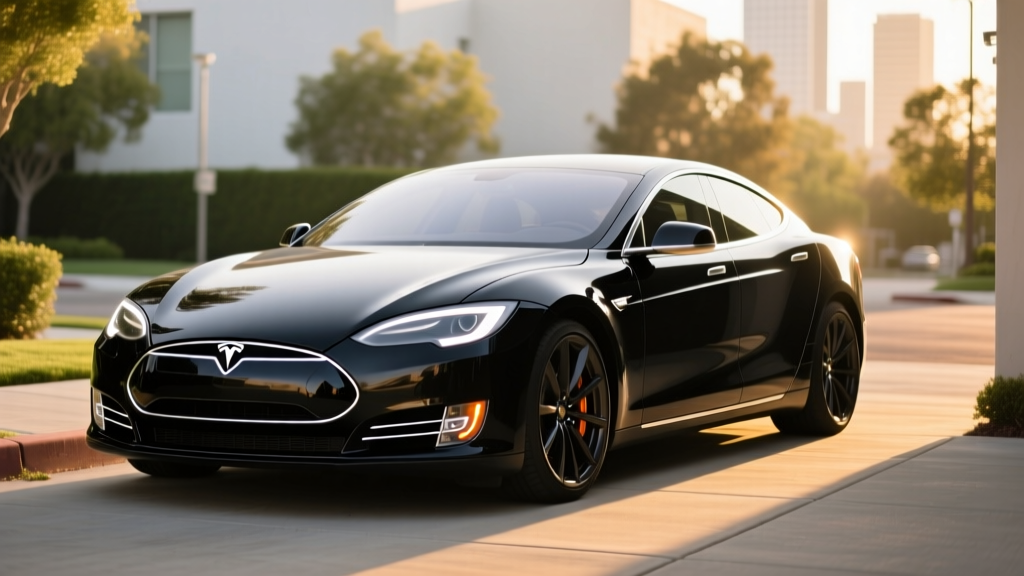
The Original Disruptor: Revisiting the 2013 Tesla Model S Performance
More than a decade after it launched, the 2013 Tesla Model S Performance sedan remains a landmark vehicle — the car that proved a battery-electric sedan could out-accelerate supercars while seating five adults in genuine luxury. For used-EV shoppers in 2026, it also presents a compelling value proposition: examples routinely sell between $12,000 and $22,000 depending on mileage and battery health. But buying a 13-year-old EV requires careful due diligence. This guide covers the real numbers you need — range degradation, charging speeds, battery replacement costs, and whether this pioneering sedan still makes sense as a daily driver.
Range Reality Check
EPA Estimated Range (original): 265 miles (85 kWh battery)
Real-World Expectation in 2026: Expect 185–220 miles on a full charge for a typical used example with 15–25% battery degradation. Highway driving at 75 mph reduces this to roughly 160–190 miles. In freezing temperatures (below 32°F), plan for an additional 20–30% reduction, yielding as little as 120–150 miles. The 2013 Model S predates heat pump technology — it uses resistive cabin heating, which draws heavily from the traction battery in cold weather.
Specs That Still Impress: 2013 Model S Performance by the Numbers
| Specification | 2013 Model S Performance (85 kWh) |
|---|---|
| EPA Range (Original) | 265 miles |
| Usable Battery Capacity | ~81 kWh (85 kWh gross) |
| Battery Chemistry | NMC (Nickel Manganese Cobalt) |
| Drivetrain | Rear-Wheel Drive (single motor) |
| Horsepower | 416 hp |
| Torque | 443 lb-ft |
| 0–60 mph | 4.2 seconds |
| Top Speed | 130 mph |
| EPA Efficiency | 89 MPGe combined (38 kWh/100 mi) |
| Cargo Volume | 26.3 cu ft (rear trunk) + 5.3 cu ft (frunk) |
| Passenger Capacity | 5 adults (optional rear-facing 3rd-row child seats) |
| Rear Legroom | 35.4 inches |
| Curb Weight | 4,647 lbs |
| Battery Warranty (Original) | 8 years / 125,000 miles (unlimited mileage for 85 kWh) |
| Original Base MSRP | $93,400 (Performance) / $79,900 (base 85 kWh) |
| Used Market Price (2026) | $12,000–$22,000 |
The 2013 Model S was offered in three battery configurations: 40 kWh (later decontented 60 kWh software-limited), 60 kWh, and 85 kWh. The Performance trim was exclusively paired with the 85 kWh pack. All used NMC chemistry from Panasonic cells assembled into modules by Tesla. Unlike today's LFP (lithium iron phosphate) packs, which tolerate daily 100% charges, this NMC battery prefers an 80–90% daily charge limit for longevity — reserving 100% for road trips.
Charging in 2026: What to Expect from a First-Gen Platform
Charging technology has advanced dramatically since 2013, but the original Model S was remarkably forward-looking. Here's what you'll actually experience at various charger types:
| Charging Level | Power | Speed | Notes |
|---|---|---|---|
| Level 1 (120V household) | ~1.4 kW | ~3–4 miles/hour | Emergency/trickle only; ~60+ hours for a full charge |
| Level 2 (240V, 40A onboard charger) | ~10 kW | ~29 miles/hour | Standard single charger; ~9 hours 10–80% |
| Level 2 (240V, 80A dual charger option) | ~20 kW | ~58 miles/hour | Required Twin Charger option; ~4.5 hours 10–80% |
| DC Fast Charge (Supercharger V1/V2) | Peak ~120 kW | ~170 miles in 30 min | Tapers significantly above 60%; 10–80% in ~40–45 min |
| CHAdeMO Adapter (optional) | Peak ~50 kW | ~100 miles in 30 min | Limited availability; adapter was a $900+ accessory |
A critical ownership note: the 2013 Model S charges on Tesla's proprietary connector (which became the NACS standard in 2024). This means you can use the entire Tesla Supercharger network natively — a major advantage over CCS-equipped used EVs from the same era. However, for non-Tesla public chargers, you'll need a CCS-to-NACS adapter (roughly $150–$250 in 2026) since most public networks have transitioned to CCS1 or NACS.
The onboard AC charger is the limiting factor for home charging. The base 40-amp unit delivers roughly 10 kW — adequate for overnight replenishment of a degraded ~65 kWh usable pack. If the original buyer spec'd the $3,600 Twin Charger option (80A / ~20 kW), you'll cut Level 2 times nearly in half. Verify which charger configuration a used example has before purchasing — it's not easily or cheaply upgraded after the fact.
On DC fast charging, the 2013 Model S peaked around 120 kW at V2 Superchargers, but the charge curve is aggressive in its taper. Expect roughly 40–45 minutes from 10% to 80% SoC — competitive with many 2018-era EVs but far behind modern 800V architectures that accomplish the same in 18 minutes. Above 80%, charging slows to a crawl; plan to unplug at 80% on road trips for optimal time efficiency.
Performance and Driving Dynamics
Even by 2026 standards, the 2013 Model S Performance delivers thrilling acceleration. The single rear-mounted AC induction motor produces 416 horsepower and 443 lb-ft of torque available from zero RPM. The 4.2-second 0–60 mph time still outpaces many new performance sedans. Unlike modern dual-motor AWD Teslas, this is a rear-wheel-drive car, which means you'll feel wheelspin on wet launches and the car requires more restraint in low-traction conditions.
The air suspension (standard on Performance, optional on other trims) provides a supple ride and adjustable ground clearance — useful for steep driveways and speed bumps. However, early air suspension systems are a known failure point. Replacement air struts cost $1,000–$1,800 per corner aftermarket, and most 2013 examples will need at least one replacement if the original units haven't been addressed. Some owners have converted to conventional coil springs to eliminate recurring costs.
Regenerative braking on the 2013 Model S is modest compared to modern one-pedal driving systems. You can select "Standard" regen (stronger) or "Low" (gentler), but the car will not come to a complete stop via regen alone — you'll still use the friction brakes regularly. The mechanical brakes are adequately sized but not performance-oriented; expect 60–0 mph stopping distances around 115 feet.
Technology, Interior, and Daily Livability
The 2013 Model S interior was a revelation at launch, centered on a then-massive 17-inch touchscreen that controlled nearly every vehicle function. In 2026, that screen shows its age — it's resistive-touch rather than capacitive, can be sluggish by modern standards, and the MCU1 (Media Control Unit) hardware is known to fail. Tesla offered an MCU2 upgrade ($1,500–$2,500) that dramatically improves responsiveness and enables features like Tesla Theater and Sentry Mode. Many used examples have received this upgrade; confirm before buying.
Autopilot hardware on the 2013 Model S is HW1 (Mobileye-based), which supports only basic adaptive cruise control and lane-keeping assist. This is SAE Level 2 driver assistance — the driver must remain fully engaged with hands on the wheel at all times. It does not support Navigate on Autopilot, Smart Summon, or any FSD (Full Self-Driving) features. If advanced driver assistance is a priority, this car will disappoint. It's best understood as having premium cruise control, not autonomous capability.
Cargo space remains a standout advantage: 26.3 cubic feet in the rear trunk (with a wide hatchback opening) plus 5.3 cubic feet in the front trunk (frunk). Total storage is 31.6 cubic feet — more than most midsize SUVs of the era. The optional rear-facing third-row jump seats added two child-sized positions, making this a seven-passenger vehicle on paper, though those seats were cramped and are rarely found on used examples.
Notable drawbacks for daily use include the lack of a heat pump (reducing cold-weather range), no native Apple CarPlay or Android Auto, and early-build quality issues including panel gaps, window seal leaks, and door handle failures (the flush-retracting handles are a $500–$800 replacement each).
Pricing, Tax Credits, and Total Cost of Ownership
| Cost Factor | Amount |
|---|---|
| Used Market Price (2026, typical) | $12,000–$22,000 |
| Federal Used EV Tax Credit (§25E) | Up to $4,000 (30% of sale price, max $4,000) |
| Federal New EV Credit (§30D) | Not applicable — vehicle discontinued |
| Estimated Price After §25E Credit | $8,000–$18,000 |
| Average Annual Insurance | $1,800–$2,800 |
| Estimated Annual Electricity Cost (12,000 mi/yr) | $480–$720 (at $0.13–$0.19/kWh) |
| Estimated Annual Maintenance | $800–$2,000 (higher than modern EVs due to age) |
| Potential Battery Replacement | $12,000–$20,000 (remanufactured pack) |
The 2013 Model S is no longer eligible for the §30D new-vehicle federal tax credit — that program applies only to new purchases. However, the §25E used clean vehicle credit may apply if you purchase from a licensed dealer for $25,000 or less. This credit provides 30% of the sale price up to $4,000, subject to buyer income caps ($75,000 single / $112,500 head of household / $150,000 joint). The vehicle must be at least two model years old (which the 2013 obviously satisfies), and you can only claim this credit once every three years. Consult a tax professional to confirm your eligibility.
The elephant in the room for any used 2013 Model S buyer is battery replacement cost. While many examples retain 75–85% of their original capacity, a failed pack outside warranty costs $12,000–$20,000 for a remanufactured unit from Tesla or third-party providers like EV specialist shops. Given that a replacement battery can approach or exceed the vehicle's purchase price, obtaining a battery health report (accessible via the car's service menu or through a Tesla Service Center pre-purchase inspection) is essential. Look for examples showing less than 20% degradation — ideally under 15%.
The original 8-year/unlimited-mile battery warranty on the 85 kWh model expired in 2021 for all 2013 vehicles. No factory battery coverage remains unless an extended warranty was purchased separately.
How It Compares: 2013 Model S vs. Alternatives in the Used Market
In the $12,000–$22,000 used EV market, the 2013 Model S Performance competes with several alternatives:
- 2016–2018 Nissan Leaf (30–40 kWh): Cheaper ($8,000–$14,000), but limited to 107–151 miles of range, CHAdeMO charging only, and significantly less performance. Better as a city commuter, not a road-trip vehicle.
- 2017–2019 Chevrolet Bolt EV: Stronger value at $10,000–$16,000 with 238 miles EPA, CCS charging, and lower maintenance risk. Less luxurious, no Supercharger access.
- 2018–2020 Tesla Model 3 (Standard Range/Long Range): $18,000–$28,000 used. More modern platform, better efficiency, MCU2 standard, HW3 Autopilot. The smarter Tesla buy if budget allows.
- 2013–2015 BMW i3: $9,000–$15,000, unique carbon-fiber construction, but only 81–114 miles of range and quirky styling. A niche choice.
Pros
- Supercharger network access (native NACS connector)
- 416 hp and 4.2-sec 0–60 still thrilling
- Hatchback cargo versatility (31.6 cu ft total)
- Air suspension ride comfort
- Over-the-air software updates still supported
- Low used purchase price relative to original MSRP
Cons
- Significant range degradation expected (185–220 mi real-world)
- Battery replacement costs $12,000–$20,000
- No heat pump — severe cold-weather range loss
- MCU1 screen failures common; upgrade costly
- Outdated Autopilot (HW1) — no FSD capability
- Air suspension and door handle reliability concerns
- All original factory warranties expired
Who Should Buy a 2013 Model S Performance?
This car suits a specific buyer: someone who wants a fast, spacious, luxury EV on a tight budget, has access to home Level 2 charging, and is mechanically inclined or willing to budget $2,000–$4,000 annually for maintenance and potential repairs. It's a strong choice for a secondary car or a commuter vehicle where 150–200 miles of real-world range covers your daily needs with margin.
It is not ideal for buyers who need reliable long-distance road-trip capability (range and charging speed have fallen behind), those in extreme cold climates (resistive heating devastates range), or anyone who prioritizes modern driver-assistance features. If you need a primary family vehicle with minimal maintenance risk, a 2018+ Model 3 or a newer Chevrolet Bolt EUV is a more prudent choice.
Before purchasing any 2013 Model S, insist on: a battery health report showing State of Health (SoH), confirmation of MCU1 vs MCU2 status, air suspension condition assessment, service history documenting any drive unit or onboard charger replacements, and a pre-purchase inspection at a Tesla Service Center or qualified EV specialist.
What is the real-world range of the 2013 Tesla Model S Performance?
Originally rated at 265 miles EPA, a 2013 Model S with a typical 85 kWh pack in 2026 will deliver 185–220 miles on a full charge under mixed driving conditions. Highway driving at sustained speeds reduces this to 160–190 miles. In freezing temperatures, expect 120–150 miles due to resistive cabin heating and battery chemistry limitations.
How fast does the 2013 Model S charge?
On a V2 Tesla Supercharger (up to 120 kW DC), expect roughly 40–45 minutes from 10% to 80% SoC, with aggressive tapering above 60%. At home on a 240V/40A Level 2 connection, the single onboard charger delivers ~10 kW (29 miles/hour), requiring about 9 hours for a 10–80% charge. The optional Twin Charger (80A/~20 kW) cuts that to ~4.5 hours.
Does the 2013 Model S qualify for any federal tax credit?
Not the §30D new-vehicle credit (the car is discontinued). However, it may qualify for the §25E used clean vehicle credit — up to $4,000 (30% of sale price) if purchased from a dealer for $25,000 or less, subject to buyer income limits ($75K single/$150K joint). Verify eligibility with a tax professional.
Is the 2013 Model S worth buying vs. a used Model 3?
If budget is the primary constraint and you value cargo space and ride comfort, the 2013 Model S offers more luxury per dollar. However, a 2018–2020 Model 3 Long Range ($18,000–$28,000 used) provides better efficiency, modern Autopilot (HW3), a more reliable platform, and lower maintenance risk. For most buyers, the Model 3 is the smarter used Tesla purchase.
How long will the 2013 Model S battery last?
NMC batteries from this era typically retain 70–85% capacity after 10–13 years and 100,000–150,000 miles. Tesla's battery data has shown roughly 10–12% degradation at 150,000 miles across its fleet. With proper care (avoiding frequent 100% charges, minimizing DC fast charging, keeping SoC between 20–80% daily), the pack can remain serviceable for 200,000+ miles — but individual module failures can occur and are costly to repair outside warranty.
Can I still get the 2013 Model S serviced?
Yes. Tesla Service Centers continue to support the original Model S, though parts availability for some components (MCU1, early air suspension parts, certain interior trim) is diminishing. A growing network of independent EV specialists also services these vehicles, often at lower cost than Tesla directly.