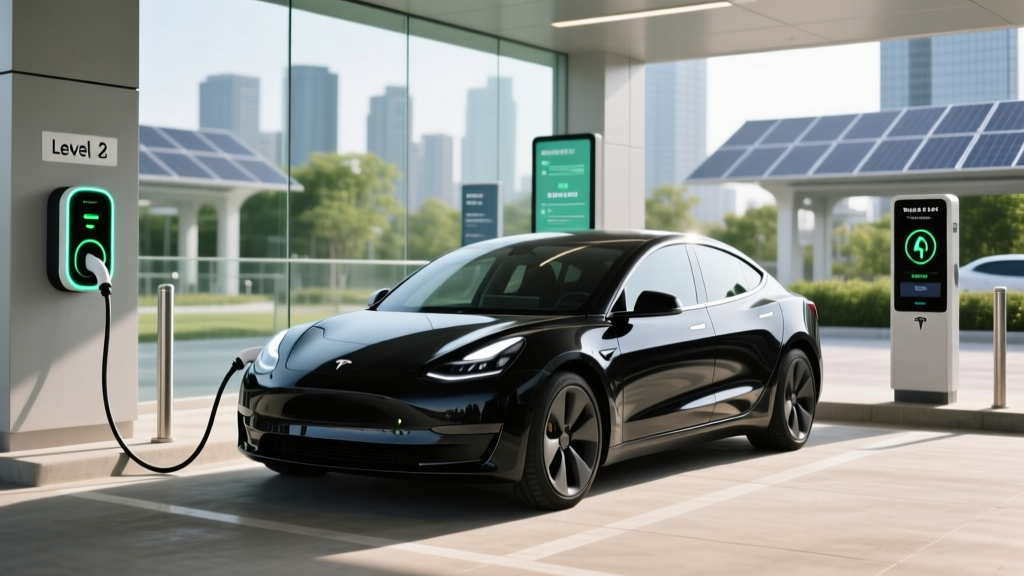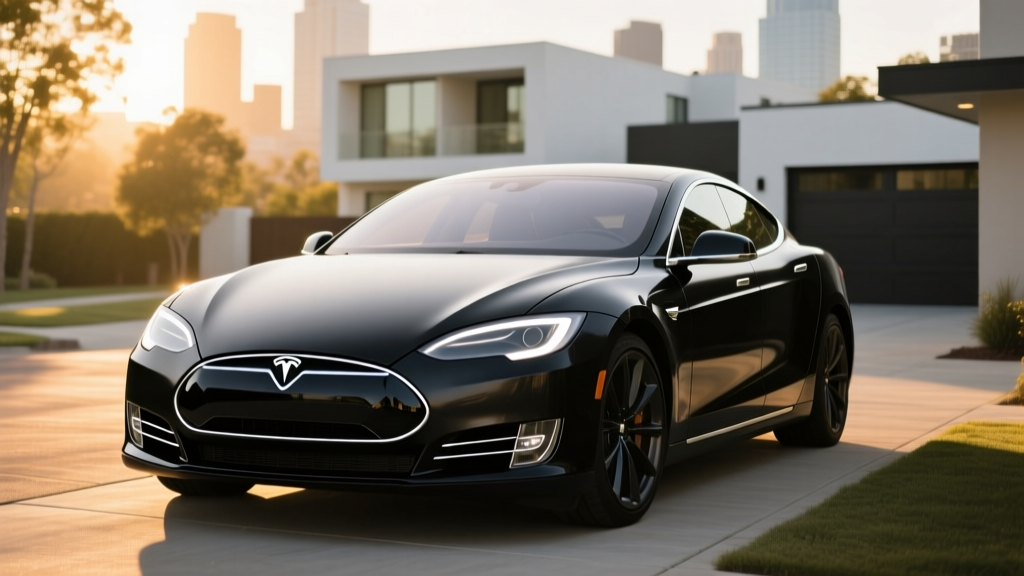
The EV That Started It All: 2013 Tesla Model S at a Glance
More than a decade after its debut, the 2013 Tesla Model S remains the vehicle that proved battery-electric sedans could compete with luxury internal-combustion rivals on range, performance, and technology. For buyers researching the 2013 Tesla Model S length, dimensions, and real-world usability on the used market, this profile covers every spec that matters in 2026 — from its 196.0-inch overall length to its aging 85 kWh battery pack and the charging realities of owning a first-generation luxury EV.
The 2013 Model S was offered primarily in two battery configurations: the 60 kWh (later software-unlocked to 85 kWh in some cases) and the flagship 85 kWh. We focus here on the 85 kWh variant, which was the volume seller and the version most commonly found on the used market today.
| Spec | 2013 Tesla Model S 85 |
|---|---|
| EPA Range | 265 miles |
| Battery Capacity (Usable) | ~81 kWh usable (85 kWh gross) |
| Battery Chemistry | NMC (Nickel Manganese Cobalt) |
| Drivetrain | Rear-Wheel Drive (single motor) |
| Horsepower | 362 hp |
| 0–60 mph | 5.4 seconds |
| Overall Length | 196.0 inches |
| Wheelbase | 116.5 inches |
| Cargo Volume | 26.3 cu ft (rear) + 5.3 cu ft (frunk) |
| EPA Efficiency | 89 MPGe (combined) / 38 kWh/100 mi |
| Original Base MSRP | $79,900 (before incentives) |
| Battery Warranty (Original) | 8 years / unlimited miles |
Dimensions and the 2013 Tesla Model S Length in Context
The specific answer to the question most used-car shoppers search — the 2013 Tesla Model S length — is 196.0 inches (4,978 mm). That places it squarely in full-size luxury sedan territory, comparable to the BMW 5 Series (191.1 in for that generation) and slightly shorter than the Mercedes-Benz S-Class. Here is a dimensional breakdown:
| Dimension | 2013 Tesla Model S |
|---|---|
| Overall Length | 196.0 in |
| Overall Width (w/ mirrors) | 86.2 in |
| Overall Width (w/o mirrors) | 77.3 in |
| Height | 56.5 in |
| Wheelbase | 116.5 in |
| Curb Weight | ~4,647 lbs |
| Front Legroom | 42.7 in |
| Rear Legroom | 35.4 in |
| Rear Cargo | 26.3 cu ft |
| Front Trunk (Frunk) | 5.3 cu ft |
The 196.0-inch length and long 116.5-inch wheelbase translate to generous interior volume. The skateboard platform — battery pack mounted low between the axles — gives the Model S a flat floor and class-leading cargo space. The hatchback-style liftback rear opening makes loading far easier than a traditional sedan trunk. With rear seats folded, cargo capacity expands to approximately 58.1 cu ft, rivaling many midsize SUVs.
For garage planning, the 196.0-inch length (just over 16.3 feet) fits comfortably in a standard single-car garage bay, though the 86.2-inch width with mirrors deployed requires care in tight parking structures. Fold the mirrors and the body width drops to 77.3 inches.
Range, Battery Health, and Real-World Expectations
EPA Estimated Range: 265 miles (85 kWh variant)
Real-World Expectation in 2026: Expect 180–230 miles on a full charge depending on battery degradation. Highway driving at 75 mph typically yields 200–215 miles in mild weather. Cold-weather range loss of 20–35% is common, dropping effective range to 150–180 miles in freezing conditions.
The 2013 Model S 85 uses an NMC (nickel manganese cobalt) lithium-ion battery pack with approximately 81 kWh of usable capacity. After 12–13 years of service, degradation is the single most important variable for used buyers. Based on owner-reported data aggregated by Tesla community forums and third-party studies, 2013 Model S packs typically show 15–25% capacity loss, meaning a car that originally delivered 265 EPA miles may now show 200–225 miles at 100% State of Charge on a good pack — or considerably less on a pack that has seen heavy Supercharger use or extreme heat exposure.
The 2013 Model S lacks a heat pump (introduced in later Tesla models), relying instead on resistive cabin heating. This is a significant efficiency penalty in cold weather. Where a modern EV with a heat pump might lose 15–20% range at 30°F, the 2013 Model S can lose 30–35% or more. Plan accordingly if you live in a northern climate.
Before purchasing any used 2013 Model S, request a battery health reading — either through Tesla's service center or a third-party diagnostic tool. The original 8-year/unlimited-mile battery warranty covered the 85 kWh pack through at least 2021, meaning most 2013 examples are now out of warranty unless a replacement pack was installed under warranty and carries its own coverage period.
Charging Speeds: DC Fast, Level 2, and the Connector Question
Charging the 2013 Model S in 2026 requires understanding its hardware limitations — this vehicle predates Tesla's NACS connector standard and modern CCS compatibility.
| Charging Level | Power (kW) | Rate / Notes |
|---|---|---|
| Level 1 (120V household) | ~1.4 kW | ~3–4 miles per hour |
| Level 2 (240V, 40A onboard charger) | ~10 kW (single) / ~20 kW (twin chargers) | ~29 mi/hr (single) / ~58 mi/hr (twin) |
| DC Fast Charge (Tesla Supercharger V2) | Up to ~120 kW peak | 10–80% in approximately 45–55 minutes |
| CHAdeMO (with adapter) | Up to ~50 kW | 10–80% in approximately 75–90 minutes |
The 2013 Model S uses Tesla's proprietary connector (the predecessor to the modern NACS). It charges natively at Tesla Superchargers. For non-Tesla public DC fast chargers (CCS or CHAdeMO stations), you need an adapter. A CHAdeMO adapter was available from Tesla for early Model S vehicles and remains functional at the dwindling number of CHAdeMO stations. A CCS adapter (Tesla's official CCS1 adapter, announced for legacy vehicles) enables access to Electrify America and other CCS networks, though at reduced speeds compared to newer Tesla models.
The onboard Level 2 charger is a critical spec. Base 2013 models came with a single 40-amp onboard charger (~10 kW). An optional "twin charger" configuration doubled this to 80 amps (~20 kW), cutting home charging time in half. On a 240V/40A circuit (NEMA 14-50), a single-charger Model S adds roughly 29 miles per hour of charging — enough to fully replenish overnight. Verify whether the specific vehicle you are evaluating has single or twin chargers, as this dramatically affects daily usability.
DC fast charging peaks around 120 kW on V2 Superchargers, but the charge curve tapers significantly above 60–70% State of Charge. A 10–80% session takes roughly 45–55 minutes — adequate for road trips but noticeably slower than modern EVs achieving 10–80% in 18–25 minutes. The 2013 Model S cannot access V3/V4 Superchargers at their full 250+ kW rates due to its battery architecture.
Performance, Efficiency, and Driving Dynamics
The 2013 Model S 85 delivers 362 horsepower and 325 lb-ft of torque from a single rear-mounted AC induction motor. The 0–60 mph sprint takes 5.4 seconds — brisk by any measure and remarkable for a 4,647-pound sedan in 2013. The Performance variant (Model S P85) bumped output to 416 hp and dropped the 0–60 time to approximately 4.2 seconds, with Ludicrous mode unavailable until later model years.
EPA-rated efficiency for the 85 kWh model is 89 MPGe combined (38 kWh per 100 miles). In real-world mixed driving, expect 35–42 kWh/100 mi depending on speed, temperature, and terrain. Highway efficiency at 75 mph typically falls to around 33–35 kWh/100 mi — a testament to the Model S's aerodynamic design (0.24 Cd drag coefficient), which was class-leading at launch.
The 2013 Model S was available only in rear-wheel drive. Dual-motor all-wheel drive (the "D" variants) arrived for the 2015 model year. If AWD is a priority, you will need to look at 2015+ Model S vehicles or consider competitors.
Technology, Autopilot, and Interior Features
The 2013 Model S centered its interior around a then-revolutionary 17-inch touchscreen — the largest in any production car at the time. This screen controlled virtually all vehicle functions: climate, navigation, media, vehicle settings, and over-the-air software updates. Tesla's OTA update capability meant the 2013 Model S continued to receive new features for years after purchase, though hardware limitations eventually capped how far updates could go.
Driver Assistance (SAE Level 1–2): The 2013 Model S launched without Autopilot hardware. Tesla began installing Autopilot Hardware 1 (AP1) in vehicles built after September 2014. This means most 2013 Model S vehicles do not have Autopilot, adaptive cruise control, or lane-keeping assist. Some very late 2013 production vehicles may have been retrofitted, but this is rare. If driver-assist features are a priority, look for a 2015+ model with AP1 or AP2 hardware.
SAE Automation Note: Even on later Model S vehicles equipped with Autopilot or Full Self-Driving (Supervised), these systems are SAE Level 2 — the driver must remain fully engaged, hands on or near the wheel, and eyes on the road at all times. They are not self-driving systems.
Other 2013-era tech features include Bluetooth audio streaming, navigation with real-time traffic, a panoramic sunroof (optional), air suspension (optional, adjustable ride height), and a premium audio system. Notably absent by 2026 standards: Apple CarPlay, Android Auto, and modern phone-as-key functionality. The 2013 Model S uses a traditional key fob.
Pricing, Tax Credits, and Used-Market Value in 2026
The 2013 Tesla Model S originally started at approximately $69,900 for the 60 kWh model and $79,900 for the 85 kWh model (before any federal or state incentives). The P85 Performance variant started around $94,900.
In the 2026 used market, a 2013 Model S 85 typically sells for $12,000–$22,000 depending on mileage, battery health, condition, and service history. P85 variants command a premium, generally $16,000–$28,000. Vehicles with documented battery replacements or low-degradation packs sit at the top of these ranges.
| Scenario | Estimated Price |
|---|---|
| 2013 Model S 85 (avg. condition, ~90k mi) | $15,000–$18,000 |
| 2013 Model S P85 (good condition, ~70k mi) | $20,000–$26,000 |
| Federal Used EV Tax Credit (§25E) | Up to $4,000 (if eligible) |
| Estimated net cost after credit | $11,000–$22,000 |
Federal Tax Credit Note: The 2013 Model S does not qualify for the new-vehicle §30D credit (up to $7,500), as it is a used vehicle and production has long ended. However, it may qualify for the §25E Used Clean Vehicle Credit of up to $4,000 (30% of the sale price, capped at $4,000), subject to these requirements as outlined by the IRS:
- Sale price must be $25,000 or less
- Buyer income caps: $75,000 (single), $112,500 (head of household), $150,000 (joint)
- Vehicle must be at least two model years old (2013 qualifies)
- Must be purchased from a licensed dealer (private-party sales do not qualify)
- Buyer must not have claimed the used EV credit in the prior 3 years
- Vehicle must be for personal use, primarily in the United States
At a typical dealer price of $15,000–$18,000, the 30% calculation yields $4,500–$5,400, but the credit is capped at $4,000. This credit can be applied at the point of sale if the dealer is registered with the IRS Energy Credits Online system, effectively reducing your out-of-pocket cost. Consult a tax professional to confirm your eligibility.
Pros and Cons of the 2013 Model S Today
Pros
- Class-leading cargo space (26.3 cu ft + 5.3 cu ft frunk) with hatchback practicality
- Air suspension (if equipped) provides excellent ride quality and adjustable height
- Strong straight-line performance (5.4s 0–60 in 85 kWh; 4.2s in P85)
- Low used-market entry price ($12k–$22k) for a luxury EV
- Access to Tesla Supercharger network (with proper adapters for non-Tesla DC chargers)
- Spacious rear seat and generous legroom for a sedan
- Over-the-air update history extended feature set for years
Cons
- Significant battery degradation likely after 12+ years — replacement packs cost $12,000–$20,000+
- No Autopilot or modern driver-assist features on most 2013 examples
- Resistive cabin heater causes severe cold-weather range loss (30–35%)
- Slow DC fast charging by 2026 standards (~45–55 min for 10–80%)
- No Apple CarPlay or Android Auto
- Rear-wheel drive only — no AWD option
- Out-of-warranty battery replacement is a major financial risk
- 17-inch touchscreen hardware is dated; sluggish by modern standards
Competitor Comparison: Should You Buy a 2013 Model S or Something Else?
In the $12,000–$22,000 used EV market, the 2013 Model S competes with several alternatives. Here is how it stacks up:
| Vehicle | EPA Range | 0–60 mph | Typical Used Price (2026) | Key Advantage |
|---|---|---|---|---|
| 2013 Tesla Model S 85 | 265 mi (new) | 5.4s | $15,000–$18,000 | Space, Supercharger access, performance |
| 2017–2018 Chevy Bolt EV | 238 mi | 6.5s | $13,000–$18,000 | Newer, less degradation, CCS native |
| 2016–2017 Nissan Leaf (30 kWh) | 107 mi | ~9.0s | $8,000–$12,000 | Lowest price, good city commuter |
| 2018–2019 Tesla Model 3 LR | 310 mi | 5.1s | $20,000–$27,000 | Modern Autopilot HW, better efficiency, newer |
The 2013 Model S wins on interior space, performance, and luxury feel. The Bolt EV is a newer, lower-risk choice with less degradation concern and native CCS charging. The Model 3 Long Range is the better all-around EV but costs more. The Leaf is strictly a budget commuter option with limited range.
Who Should Buy the 2013 Tesla Model S?
Choose the 2013 Model S if:
- You need a spacious, comfortable sedan with hatchback cargo versatility
- You primarily drive in mild climates where cold-weather range loss is less severe
- You have access to home Level 2 charging and can budget for potential battery replacement
- You value performance and luxury at a budget price point
- You are mechanically inclined or willing to accept higher maintenance risk on an aging EV
Look elsewhere if:
- You need modern driver-assist features (Autopilot, adaptive cruise)
- You live in a cold climate and need reliable winter range
- You want fast DC charging for frequent road trips
- You want Apple CarPlay/Android Auto or a modern infotainment experience
- You cannot absorb a $12,000–$20,000 battery replacement cost if needed
Frequently Asked Questions
What is the exact length of the 2013 Tesla Model S?
The 2013 Tesla Model S measures 196.0 inches (4,978 mm) in overall length, with a 116.5-inch wheelbase. This places it in the full-size luxury sedan category, comparable to a BMW 5 Series or Audi A6 of that era.
What is the real-world range of a 2013 Model S today?
With 12–13 years of battery degradation, expect 180–230 miles on a full charge in mild conditions, depending on pack health. Highway driving at 75 mph typically yields 200–215 miles in 65°F weather. Cold weather (below freezing) can reduce this to 150–180 miles due to the resistive heater and battery chemistry limitations.
How fast does the 2013 Model S charge?
On a Tesla V2 Supercharger, the 2013 Model S 85 peaks at approximately 120 kW, with a 10–80% session taking roughly 45–55 minutes. On a Level 2 home charger (240V/40A), it charges at about 10 kW (single charger) or 20 kW (twin charger option), adding 29 or 58 miles per hour respectively.
Does the 2013 Model S qualify for any federal tax credit?
Not the new-vehicle §30D credit. However, it may qualify for the §25E Used Clean Vehicle Credit of up to $4,000 if purchased from a licensed dealer for $25,000 or less and you meet income requirements ($75k single / $150k joint). Verify eligibility with a tax professional.
Is the 2013 Model S a reliable used EV?
The drivetrain and motor are generally robust, but the battery pack is the major risk variable. Out-of-warranty battery replacements cost $12,000–$20,000+. Other common issues include door handle mechanisms, 12V battery failures, MCU (touchscreen) yellowing or failure, and air suspension leaks (if equipped). A pre-purchase inspection by a Tesla-certified technician is strongly recommended. NHTSA recall data should also be reviewed for the specific VIN.
Does the 2013 Model S have Autopilot?
No. Tesla's Autopilot hardware (AP1) was not installed until September 2014. Most 2013 Model S vehicles have only basic cruise control and standard stability/traction control — no adaptive cruise, lane-keeping, or automatic emergency braking.
What battery chemistry does the 2013 Model S use?
The 2013 Model S 85 uses NMC (nickel manganese cobalt) lithium-ion cells supplied primarily by Panasonic. NMC offers high energy density but is more susceptible to calendar and cycle degradation than LFP (lithium iron phosphate) chemistry used in some modern Tesla vehicles. For long-term storage, NMC packs are best kept between 20–80% State of Charge rather than held at 100%.