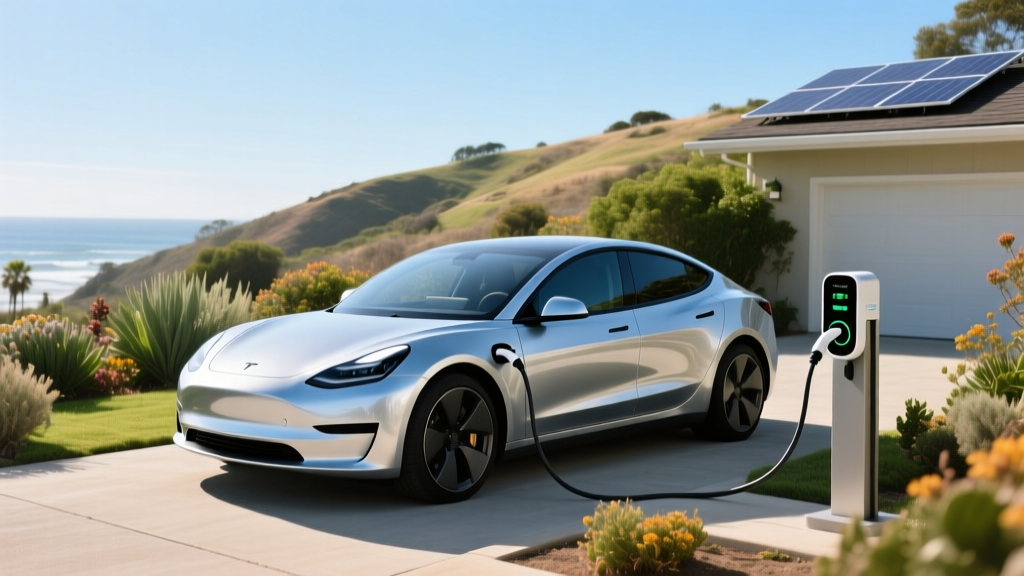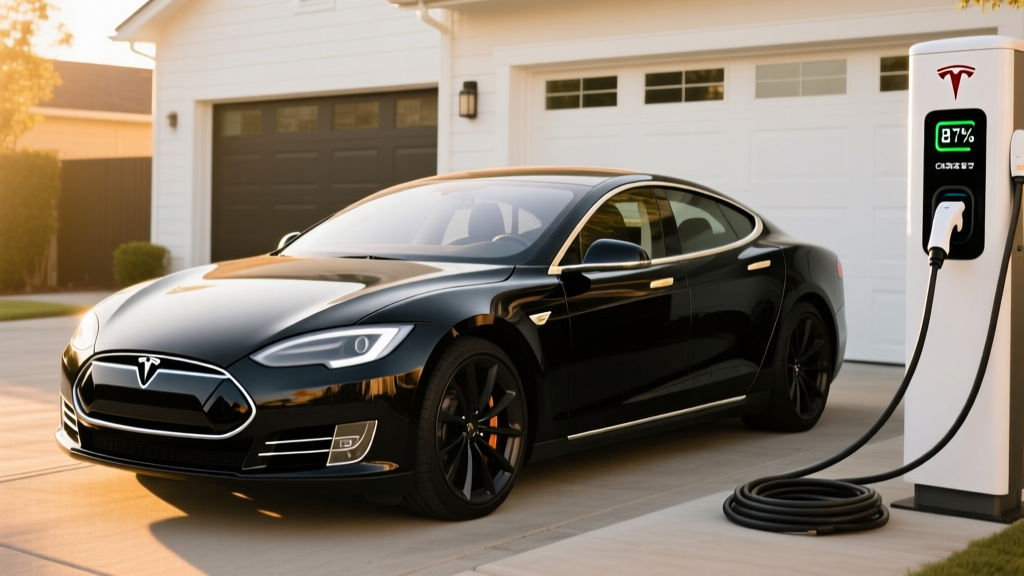
The 2013 Tesla Model S 85 was the car that proved long-range electric vehicles were viable. More than a decade later, it remains a compelling used-EV proposition — if you know exactly what you're buying. With original EPA range of 265 miles and a then-class-leading 85 kWh battery, this sedan reshaped the industry. But in 2026, prospective buyers need hard data on battery degradation, charging realities, and whether the federal used-EV tax credit applies.
This profile breaks down every number that matters: remaining range after 10+ years of lithium-ion aging, Supercharger compatibility, ownership costs, and how the original Model S 85 stacks up against modern sub-$30,000 EVs on the used market.
2013 Tesla Model S 85: Core Specifications
| Spec | Value |
|---|---|
| EPA Range (new) | 265 miles |
| Battery Capacity (gross) | 85 kWh (NMC — nickel-manganese-cobalt) |
| Battery Capacity (usable, new) | ~81 kWh |
| Drivetrain | Rear-Wheel Drive (single motor) |
| Horsepower | 362 hp |
| Torque | 325 lb-ft |
| 0–60 mph | 5.4 seconds |
| EPA Efficiency | 89 MPGe (combined) / 38 kWh/100 mi |
| Max DC Fast Charge | ~120 kW (Supercharger V1/V2 peak) |
| Level 2 Charge Rate | 10 kW (single onboard charger) or 20 kW (dual charger option) |
| Cargo Volume | 26.3 cu ft (rear) + 5.3 cu ft (frunk) |
| Seating | 5 passengers (optional rear-facing 3rd row for 7) |
| Original Base MSRP | $79,900 (before incentives) |
| Original Battery Warranty | 8 years / unlimited miles |
Real-World Range: What 265 EPA Miles Means in 2026
Original EPA sticker: 265 miles
Expected real-world range (new, 2013): ~220–240 mi highway, ~250 mi mixed city/highway
Expected range today (2026, ~10–15% degradation): ~190–225 mi depending on battery health
Cold-weather penalty (below 32°F): Additional 15–30% loss → as low as ~140–170 mi
The 2013 Model S 85 uses an NMC (nickel-manganese-cobalt) lithium-ion pack. NMC chemistry delivers high energy density but degrades faster than the LFP (lithium iron phosphate) packs Tesla now uses in standard-range models. After 12+ years, expect 10–20% capacity loss depending on charging habits, climate exposure, and mileage.
Tesla's battery management system (BMS) includes a top and bottom buffer — the car never truly charges to 100% or discharges to 0% at the cell level. This buffer strategy slows degradation but means the usable capacity was always slightly less than the 85 kWh gross figure.
For context, fueleconomy.gov lists the 2013 Model S 85 at 89 MPGe combined and 38 kWh per 100 miles. That efficiency figure remains impressive for a 4,600+ lb sedan, though modern EVs like the Hyundai Ioniq 6 or Tesla Model 3 Highland achieve better kWh/100mi through improved aerodynamics and heat-pump climate systems.
Charging Speeds: Supercharger and Home Level 2 Reality
| Charging Level | Power | Speed (mi/hr) | Notes |
|---|---|---|---|
| Level 1 (120V) | ~1.4 kW | ~3 mi/hr | Emergency/trickle only |
| Level 2 (240V, single charger) | 10 kW | ~29 mi/hr | |
| Level 2 (240V, dual charger option) | 20 kW | ~58 mi/hr | |
| DC Fast Charge (Tesla Supercharger V2) | Peak ~120 kW | ~170 mi/hr at peak | |
| DC Fast Charge (CHAdeMO w/ adapter) | ~50 kW | ~100 mi/hr at peak |
10–80% DC fast charge time: approximately 40–50 minutes on a V2 Supercharger. The Model S 85's charge curve tapers significantly above 80% SoC — expect the final 20% to take as long as the first 60%. This is typical of NMC chemistry and the thermal management systems of that era.
The 2013 Model S uses Tesla's proprietary connector (pre-NACS standardization). It charges natively on the Tesla Supercharger network. For CCS or CHAdeMO public chargers, you'll need an adapter — Tesla sold a CHAdeMO adapter, but CCS compatibility is limited for pre-2016 vehicles without hardware retrofits.
Home charging on a single onboard charger tops out at 10 kW (40A on a 50A circuit). Cars equipped with the optional dual onboard chargers can accept 20 kW (80A), requiring a 100A circuit — an expensive electrical upgrade. Most 2013 examples on the used market have the single charger.
Performance and Driving Dynamics
The single rear-mounted AC induction motor produces 362 hp and 325 lb-ft of torque, delivering a 5.4-second 0–60 mph time. Instant torque delivery makes it feel quicker than the number suggests, and the low center of gravity (battery pack mounted under the floor) gives the Model S handling poise unusual for a full-size sedan.
The 2013 model year predates Tesla's Autopilot hardware suite (introduced late 2014 as Hardware 1). This means no Autopilot, no adaptive cruise control, no lane-keeping assist on the 2013 Model S 85. You get basic cruise control, traction control, and stability control. For buyers who value SAE Level 2 driver-assist features, this is a significant omission — and a key differentiator from 2015+ Model S vehicles.
Ride quality is firm but compliant. Air suspension was optional on the 2013 Model S and, if equipped, can be costly to repair or replace on a 12-year-old vehicle ($2,000–$4,000 per corner for aftermarket replacements).
Used Pricing and Federal Tax Credit Eligibility
| Metric | Value |
|---|---|
| Original MSRP (2013) | $79,900 |
| Typical used price (2026, 80k–120k mi) | $12,000–$18,000 |
| Higher-end examples (under 60k mi, excellent condition) | $18,000–$24,000 |
| Federal Used EV Tax Credit (§25E) | Up to $4,000 (30% of sale price, max $4,000) |
| Credit-adjusted price (best case) | ~$8,000–$14,000 |
Does the 2013 Model S 85 qualify for the federal used-EV tax credit? Potentially — but with strict conditions. Under IRS §25E (the previously owned clean vehicle credit), the used vehicle must sell for $25,000 or less from a licensed dealer. The credit equals 30% of the sale price, capped at $4,000. Buyer income caps apply: adjusted gross income must not exceed $75,000 (single), $112,500 (head of household), or $150,000 (joint filers). The vehicle must be at least two model years old (which the 2013 easily satisfies) and you cannot have claimed this credit for another used EV in the prior three years.
Private-party sales do not qualify for §25E. Additionally, the vehicle's battery must meet critical-mineral and component sourcing requirements per the IRS guidelines. For 2013-era batteries, sourcing documentation can be challenging — confirm eligibility with the dealer and your tax professional before purchase.
Note: The §30D new-vehicle credit does not apply here, as the 2013 Model S is long out of production. The §25E used credit is the relevant incentive.
Ownership Costs and Long-Term Considerations
Buying a 2013 Model S 85 in 2026 is an exercise in risk management. The upside is a spacious, quick, tech-forward sedan at a bargain price. The downside centers on three costly components:
- Battery replacement: If the pack falls below 70% capacity (Tesla's warranty threshold), out-of-warranty replacement runs $12,000–$20,000 for a refurbished or remanufactured pack. Tesla's original 8-year/unlimited-mile battery warranty expired in 2021 for all 2013 vehicles.
- Drive unit (motor): The rear AC induction motor is generally robust, but replacements cost $5,000–$8,000 if needed.
- Air suspension: If equipped, air struts commonly fail between 80,000–120,000 miles. Budget $2,000–$4,000 per corner for aftermarket replacements.
- Touchscreen (MCU): The original 17-inch MCU1 screen is prone to delamination and yellowing. Tesla's MCU2 upgrade (~$1,500–$2,000) is recommended for reliability and adds faster performance.
Insurance tends to be higher than comparable gas sedans due to repair costs. Expect $1,800–$2,800/year depending on your profile and location. On the plus side, electricity costs are low — at $0.13/kWh national average and 38 kWh/100mi, fueling costs roughly $4.94 per 100 miles, versus $12–$15 for a gas sedan at 25 MPG and $3.50/gallon.
Pros and Cons: The Honest Assessment
- Spacious interior with 31.6 cu ft total cargo (frunk + trunk)
- Strong performance: 362 hp, 5.4s 0–60
- Access to Tesla Supercharger network
- Over-the-air software updates still supported
- Low running costs vs. gas equivalent
- Potentially as low as ~$8,000 after tax credit
- No Autopilot or any ADAS features
- Battery warranty expired — replacement is $12k–$20k
- NMC pack degradation (10–20% after 12+ years)
- Air suspension failures common and expensive
- MCU1 touchscreen prone to failure/delamination
- CHAdeMO/CCS public charging requires adapters
- No heat pump — resistive heater drains range in cold
Who Should Buy the 2013 Model S 85?
Look elsewhere if: You need modern ADAS features (adaptive cruise, lane-keeping), you frequently drive in sub-freezing temperatures, you lack home charging access, or you can't absorb a potential $12,000+ battery replacement. Consider a 2018+ Model 3 or a newer Hyundai Ioniq 5 / Kia EV6 instead.
Frequently Asked Questions
What is the real-world range of a 2013 Tesla Model S 85 today?
Expect 190–225 miles on a full charge assuming 10–15% battery degradation. Highway driving at 70+ mph reduces this to ~170–200 miles. In cold weather (below freezing), range can drop to 140–170 miles due to the resistive cabin heater and battery chemistry limitations.
How fast does the 2013 Model S 85 charge at home and on the road?
On a home Level 2 charger (240V, single onboard charger), you get ~29 miles of range per hour at 10 kW — a full charge takes about 9 hours. On a Tesla Supercharger V2, peak rate is ~120 kW, adding ~170 miles in the first 30 minutes, with 10–80% taking approximately 40–50 minutes. Charge speed tapers sharply above 80% SoC.
Does the 2013 Model S 85 qualify for any federal tax credit?
It may qualify for the §25E used clean vehicle credit — up to $4,000 (30% of sale price) when purchased from a licensed dealer for $25,000 or less. Income caps apply ($75k single / $150k joint). Battery sourcing requirements must be met. Confirm with the IRS and a tax professional before relying on the credit.
Is the 2013 Model S 85 worth buying vs. newer used EVs?
It offers exceptional value at $12,000–$18,000 (potentially ~$8,000 after credit) for a full-size luxury sedan with strong performance and Supercharger access. However, a 2018+ Tesla Model 3 ($18,000–$25,000 used) offers Autopilot, a newer battery with less degradation, and better efficiency. If ADAS and battery peace of mind matter, the newer Model 3 is the safer bet despite higher cost.
What's the biggest risk in buying a 2013 Model S 85?
Battery replacement cost. The 8-year/unlimited-mile warranty expired in 2021. A failed or heavily degraded pack costs $12,000–$20,000 to replace — potentially exceeding the car's value. Before purchasing, request a battery health report showing current State of Health (SoH) percentage. A pack at 85%+ SoH is a reasonable risk; below 80% is a red flag.
Can I still get software updates on a 2013 Model S?
Yes. Tesla continues to push over-the-air updates to older vehicles, though feature additions are limited. You won't receive major new capabilities (like FSD or theater mode), but security patches, charging optimizations, and minor UI improvements still arrive. The MCU1 hardware is slow by modern standards — consider the MCU2 upgrade for a better experience.