The 2013 Tesla Model S 85: A Used-EV Pioneer Under the Microscope
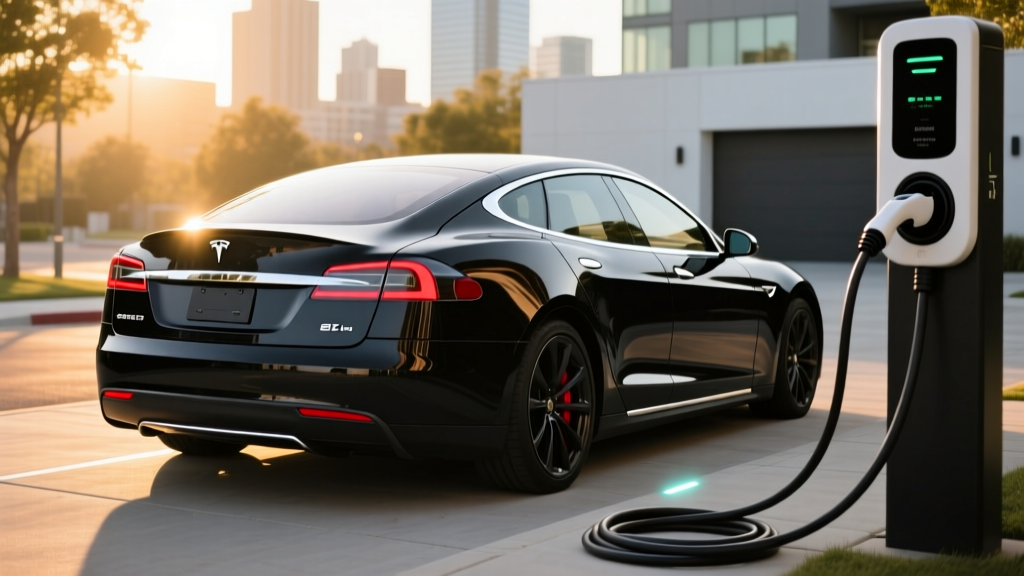
The 2013 Tesla Model S 85 was the car that proved long-range electric vehicles were viable. With an EPA-rated 265 miles of range and a then-unmatched Supercharger network, it reshaped the entire auto industry. More than a decade later, thousands of these cars are still on the road — and they remain one of the most affordable ways to get into a large, premium electric sedan on the used market.
But buying a 13-year-old EV in 2026 requires clear eyes. Battery degradation, outdated charging hardware, expired warranties, and the absence of modern driver-assist features all factor into the decision. This review breaks down exactly what you're getting — and what you're risking — with the 2013 Model S 85 kWh today.
| Spec | Value |
|---|---|
| EPA Range (original) | 265 miles |
| Battery Capacity (usable) | ~81 kWh (85 kWh nominal) |
| Battery Chemistry | NMC (Nickel Manganese Cobalt) |
| Drivetrain | Rear-Wheel Drive (single motor) |
| Horsepower | 362 hp |
| 0-60 mph | 5.4 seconds |
| MPGe (combined) | 89 MPGe |
| Efficiency | 38 kWh/100 mi |
| Max DC Fast Charge | ~120 kW (Supercharger V2) |
| Level 2 Charge Rate | 10 kW (40A onboard charger) / optional 20 kW (dual charger) |
| Cargo Volume | 26.3 cu ft (rear) + 5.3 cu ft (frunk) |
| Seating | 5 adults (optional rear-facing 3rd row for +2 children) |
| Original Base MSRP | $79,900 (before incentives) |
| Typical 2026 Used Price | $11,000–$18,000 |
| Battery Warranty (original) | 8 years / 125,000 miles (expired) |
Real-World Range: What to Actually Expect in 2026
EPA Sticker: 265 miles
Real-World Expectation (2026): 170–220 miles depending on battery health, temperature, and driving style.
The 265-mile EPA figure was measured when the car was new. In 2026, range depends almost entirely on battery State of Health (SoH). Tesla's NMC cells from this era typically lose 10–20% capacity over the first 100,000 miles, then degrade more slowly. A well-maintained 2013 Model S 85 with 120,000 miles might retain 80–85% of its original capacity, yielding roughly 210–225 miles of real-world range in mild weather.
Highway driving at 75 mph cuts range roughly 15% below the EPA figure even on a healthy pack — expect around 185–195 miles on the freeway in ideal conditions. Cold weather (below 32°F) is the bigger hit: NMC chemistry loses 25–35% of available range in sub-freezing temperatures because the pack must use energy to heat itself and the cabin (the 2013 Model S uses a resistive heater, not a heat pump). In a Midwestern winter, plan for 150–175 miles from a full charge on a degraded pack.
Before purchasing, request a battery health reading. The car's touchscreen shows rated range at 100% charge — compare this to the original 265-mile figure to estimate degradation. Third-party tools like TeslaFi or Scan My Tesla (via OBD-II dongle) can pull more granular SoH data.
Charging Speeds: Supercharger and Home
The 2013 Model S 85 uses Tesla's proprietary connector (pre-NACS standardization) and charges on Tesla's Supercharger network. It does not natively support CCS without a third-party adapter, which limits non-Tesla DC fast-charging options.
| Level | Power | Miles Added per Hour | Notes |
|---|---|---|---|
| Level 1 (120V household) | ~1.4 kW | ~3–4 mi/hr | Emergency/trickle only |
| Level 2 (240V, 40A single charger) | 10 kW | ~29 mi/hr | Standard onboard charger |
| Level 2 (240V, 80A dual charger option) | 20 kW | ~58 mi/hr | Rare option; requires 100A circuit |
| DC Fast Charge (Supercharger V2) | Peak ~120 kW | ~200+ mi/hr (at peak) | 10–80% in ~40–50 minutes |
The 2013 Model S 85 peaks at roughly 120 kW at a Supercharger V2 stall, but only when the battery is warm and at a low State of Charge (below 30%). The charge curve tapers significantly above 60% SoC — expect the 10–80% session to take 40–50 minutes in practice. At Supercharger V3 stalls (250 kW), the car is hardware-limited to its ~120 kW ceiling, so you won't see faster speeds.
For home charging, most 2013 examples have the standard 40-amp onboard charger (10 kW). A full charge from 10% takes about 8–9 hours on a Level 2 home station. The optional dual-charger setup (20 kW) was rare and requires a 100-amp dedicated circuit — an expensive electrical upgrade. Most buyers should plan on a standard 48-amp or 60-amp Level 2 wall connector, which will still fully charge the pack overnight.
One important note: Tesla's Supercharger network has transitioned to NACS connectors. The 2013 Model S uses the original Tesla connector, which is physically compatible with legacy Supercharger stalls and most current V2/V3 stalls in North America. However, if you need to use CCS-equipped networks (Electrify America, EVgo), you'll need an adapter — and availability varies.
Performance, Efficiency, and Driving Dynamics
The 2013 Model S 85 pairs a single rear-mounted AC induction motor producing 362 horsepower and 325 lb-ft of torque with a single-speed reduction gear. The result is a 0–60 mph time of 5.4 seconds — brisk by any standard and effortless in daily driving. The instant torque delivery makes it feel quicker than the numbers suggest, especially in city traffic and on-ramp merging.
EPA-rated efficiency is 89 MPGe combined (38 kWh per 100 miles). In real-world mixed driving, expect 35–40 kWh/100 mi. Highway cruising at 75+ mph pushes consumption above 42 kWh/100 mi due to aerodynamic drag and the car's 4,647-pound curb weight. For context, that's roughly $0.12–$0.14 per mile at the national average electricity rate of $0.16/kWh — still well below a comparable gasoline sedan at $0.18–$0.22 per mile.
The air suspension (standard on early models, later made optional) provides a comfortable, adaptive ride but is a known maintenance item. Air strut failures typically occur between 80,000–120,000 miles, with replacement costing $1,500–$2,500 per corner at an independent shop. Many used examples have already had this service done — verify before purchase.
Interior, Cargo, and Technology
The 2013 Model S interior was futuristic for its time, dominated by a 17-inch touchscreen that controlled virtually every vehicle function. The digital instrument cluster was minimal — a small screen behind the steering wheel showing speed, range, and basic navigation.
Cargo space remains a standout: 26.3 cubic feet behind the rear seats and an additional 5.3 cubic feet in the front trunk (frunk). With the rear seats folded, total volume reaches 58.1 cubic feet — competitive with midsize SUVs. The optional rear-facing third-row seat added two child-sized seats but was discontinued after 2014 due to safety regulation changes.
Technology that was cutting-edge in 2013 now shows its age:
- Infotainment: No Apple CarPlay or Android Auto. Bluetooth audio and USB work, but the MCU1 (Media Control Unit) processor is slow by modern standards. Tesla offered an MCU2 upgrade ($2,500) that significantly improves responsiveness and enables newer software features — check whether a used example has received it.
- Driver Assist: The 2013 model year predates Tesla's Autopilot hardware (introduced September 2014). This car has basic cruise control, lane-departure warning, and parking sensors — but no adaptive cruise control, no lane-keeping assist, and no Autosteer. This is SAE Level 0–1 at best.
- Over-the-Air Updates: Tesla still pushes OTA updates to 2013 vehicles, but feature additions stopped years ago. The software experience is frozen roughly in the 2019–2020 era.
- Connectivity: Built-in 3G cellular was sunset; Tesla offered a 4G LTE upgrade kit. Without it, navigation and remote features require a Wi-Fi connection.
Used Pricing, Tax Credits, and Ownership Costs
The 2013 Model S 85 originally started at $79,900 before any incentives. In 2026, used examples trade between $11,000 and $18,000 depending on mileage, condition, battery health, and whether the MCU2 upgrade and air suspension service have been performed.
| Item | Amount |
|---|---|
| Typical Used Price (private party) | $11,000–$18,000 |
| Federal Used EV Tax Credit (§25E) | Up to $4,000 (30% of sale price, max $4,000) |
| Credit-Adjusted Price (best case) | $7,000–$14,000 |
| Estimated Annual Insurance | $1,800–$2,600 |
| Estimated Annual Electricity (12,000 mi) | $650–$850 |
| Estimated Annual Maintenance | $800–$1,500 (higher if suspension/coolant issues arise) |
Tax credit details: The 2013 Model S 85 does not qualify for the new-vehicle §30D federal tax credit (that applies only to new vehicles). However, it may qualify for the §25E Used Clean Vehicle Credit, which provides 30% of the sale price up to a maximum of $4,000. Eligibility requirements include:
- The vehicle must be purchased from a licensed dealer (not private party) for the credit to apply
- Sale price must be $25,000 or less (easily met here)
- Buyer adjusted gross income must not exceed $75,000 (single), $112,500 (head of household), or $150,000 (joint)
- The vehicle must be at least 2 model years old (met)
- The credit can only be claimed once per vehicle VIN — verify the prior owner did not already transfer it
Always confirm eligibility with a tax professional and consult the IRS §25E page for current-year rules.
Warranty Status and Battery Replacement Risk
The 2013 Model S 85 shipped with an 8-year/125,000-mile battery and drive unit warranty. As of 2021, that coverage has expired for every example on the road unless Tesla extended it case-by-case.
This is the single biggest financial risk of ownership. A replacement 85 kWh battery pack from Tesla costs between $12,000 and $16,000 installed (as of 2025–2026 pricing). Third-party EV shops can sometimes source refurbished packs for $8,000–$11,000. Given that a replacement can cost as much as the car itself, battery health should be the primary purchase criterion.
The drive unit (motor) is generally robust — failures are uncommon on the rear AC induction motor in the 85. The power electronics (inverter, DC-DC converter) are more failure-prone on early builds. Budget $2,000–$4,000 in reserve for unexpected electrical repairs in the first two years of ownership.
Pros, Cons, and Who Should Buy
Pros
- Still one of the most spacious EV sedans (26.3 cu ft cargo + frunk)
- Supercharger network access for road trips
- Strong performance (362 hp, 5.4s 0–60) even after a decade
- Extremely low cost per mile when charged at home
- Potential $4,000 used-EV tax credit brings effective price under $10K
- Air suspension ride quality when functional
Cons
- Battery warranty expired — replacement costs $12K–$16K
- No Autopilot, no adaptive cruise, no modern driver assist (SAE Level 0–1)
- MCU1 processor is sluggish; no CarPlay/Android Auto
- DC fast charging limited to ~120 kW (slow vs. modern 250+ kW EVs)
- Air suspension struts are a known $6K–$10K failure point
- 3G cellular sunset requires LTE upgrade for connectivity
- Cold-weather range loss of 25–35% with resistive cabin heater
Best for: Budget-conscious commuters who want a spacious, quick electric sedan and can charge at home. Also suits weekend road-trippers who value Supercharger access and don't need cutting-edge tech. The 2013 Model S 85 works well as a second car or as an entry point into EV ownership for someone willing to accept maintenance risk.
Not for: Buyers who want modern driver-assist features, guaranteed battery longevity, low maintenance costs, or fast DC charging. If you need hands-free highway driving or plan to keep the car 5+ years without a repair fund, a newer used EV (2019+ Model 3, Hyundai Kona Electric, or Chevrolet Bolt EUV) may be a wiser allocation of $15,000–$20,000.
Frequently Asked Questions
What is the real-world range of a 2013 Tesla Model S 85 in 2026?
Expect 170–220 miles depending on battery degradation, ambient temperature, and driving style. A well-maintained example with 80–85% State of Health will deliver roughly 210 miles in mild weather, dropping to 150–175 miles in freezing conditions due to the resistive heater and NMC chemistry limitations.
How fast does the 2013 Model S 85 charge at home and on road trips?
At home on a Level 2 (240V, 40A) station, it adds about 29 miles of range per hour, with a full charge taking 8–9 hours. On Tesla Superchargers, it peaks at roughly 120 kW, achieving a 10–80% charge in about 40–50 minutes. It cannot charge at V3 speeds (250 kW) due to hardware limits.
Does the 2013 Tesla Model S 85 qualify for any federal tax credit?
Not the new-vehicle §30D credit. It may qualify for the §25E Used Clean Vehicle Credit — up to $4,000 (30% of sale price) if purchased from a licensed dealer for under $25,000, and if the buyer meets IRS income caps ($75K single / $150K joint). Confirm with a tax professional.
Is the 2013 Model S 85 worth buying vs. a newer used EV?
It offers unmatched space, performance, and Supercharger access at a sub-$15K price point. But the expired battery warranty, lack of driver-assist tech, and aging infotainment are real trade-offs. If you can budget $2,000–$4,000 for potential repairs and verify strong battery health, it's a compelling value. If you want predictability, look at a 2019+ Model 3 or a Chevrolet Bolt EUV instead.
What are the most common problems with the 2013 Model S 85?
Air suspension strut failure ($1,500–$2,500 per corner), MCU1 screen delamination or failure, door handle mechanism breakage, 12V battery drain, coolant system leaks near the drive unit, and the 3G cellular modem sunset. Battery degradation is gradual but the out-of-warranty replacement cost ($12K–$16K) is the most significant financial risk.
Can I still use Tesla Superchargers with a 2013 Model S?
Yes. The 2013 Model S uses Tesla's original proprietary connector, which is compatible with legacy and most current Supercharger stalls in North America. Tesla has committed to maintaining backward compatibility for existing vehicles. You cannot natively use CCS chargers (Electrify America, EVgo) without a third-party adapter.