Quick Verdict: The Pioneer That Started It All
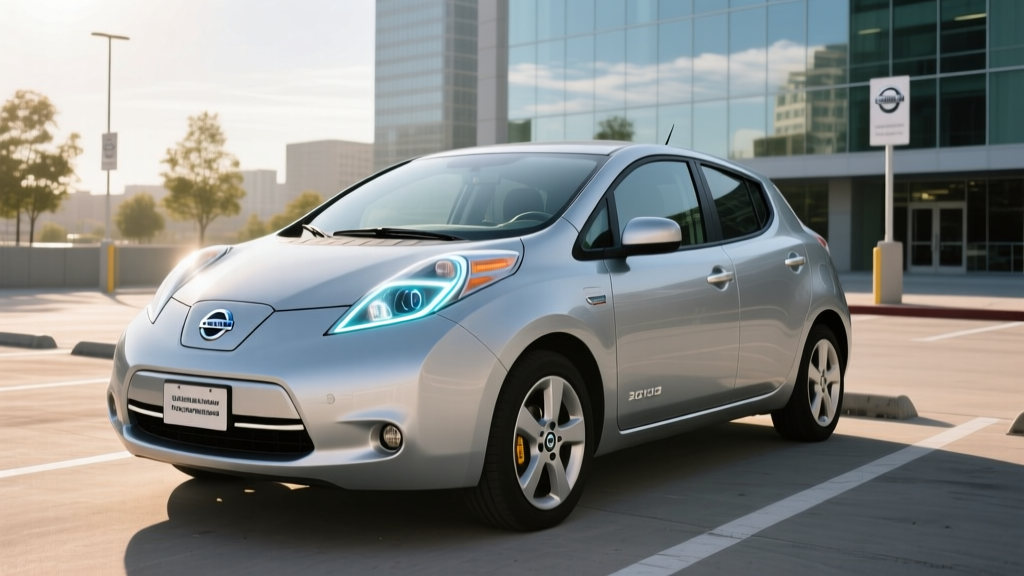
The 2012 Nissan Leaf was the first mass-market, purpose-built battery electric vehicle sold in the United States. More than a decade later, it remains a recognizable name on the used EV market, often listed between $4,000 and $8,000 depending on battery health and mileage. For a budget-conscious buyer seeking a short-range city commuter, the 2012 Leaf can still serve a purpose — but only if you understand its significant limitations in range, charging speed, and battery degradation.
This review examines the 2012 Nissan Leaf electric car through the lens of a 2026 used-EV buyer: what the original specs mean today, how much range you can realistically expect from a 12+ year old battery, what charging looks like in a NACS-dominated world, and whether this pioneer still deserves a spot in your driveway.
2012 Nissan Leaf Specifications at a Glance
| Specification | Value |
|---|---|
| EPA Range (original) | 73 miles |
| Battery Capacity (usable) | 21–22 kWh (of 24 kWh gross), laminated NMC lithium-ion |
| Motor Output | 80 kW (107 hp), 187 lb-ft torque |
| Drivetrain | Front-wheel drive (FWD) |
| 0–60 mph | ~9.9 seconds |
| Top Speed | ~90 mph (electronically limited) |
| EPA Efficiency | 99 MPGe combined (34 kWh/100 mi) |
| Level 1 Charging (120V) | ~1.4 kW, ~4 miles per hour |
| Level 2 Charging (240V) | 3.3 kW (6.6 kW optional on SL), ~12–25 mi/hr |
| DC Fast Charging (CHAdeMO) | ~46 kW peak (optional on SV/SL) |
| Cargo Volume | 24.0 cu ft (rear seats up), 30.0 cu ft (folded) |
| Passenger Volume | 94.0 cu ft; rear legroom 33.3 in |
| Curb Weight | ~3,340 lbs |
| Original MSRP (2012) | $35,200 (SV) / $37,250 (SL) before incentives |
| Current Used Price (2026) | ~$4,000–$8,000 depending on SoH and mileage |
| Battery Warranty (original) | 8 years / 100,000 miles (capacity-loss: 5 yrs/60k to below 4 bars of 5) |
Range and Efficiency: What 73 EPA Miles Means Today
EPA sticker: 73 miles (when new, 2012).
Real-world expectation in 2026: 40–60 miles for a typical used 2012 Leaf with moderate battery degradation. A well-preserved example with 10+ bars (of 12 capacity bars on the dash) might achieve 55–65 miles in mild weather city driving. Expect 30–45 miles in cold weather (below 40°F) or sustained highway driving at 65+ mph.
The 2012 Leaf's 24 kWh gross battery (approximately 21–22 kWh usable due to the top and bottom buffer) was considered generous in 2012. The EPA rated it at 99 MPGe combined, which translates to about 34 kWh per 100 miles. That efficiency figure remains respectable — the Leaf's light weight and modest power draw mean it sips electrons efficiently at city speeds.
The problem is raw capacity, compounded by age. Nissan's laminated NMC (nickel manganese cobalt) cells lack active thermal management — the battery is air-cooled only. This design choice, combined with no liquid cooling loop, means the pack degrades faster than liquid-cooled competitors, particularly in hot climates. Owners in Arizona, Texas, and the Southeast often report losing 30–40% of original capacity within 8–10 years, while Pacific Northwest and mild-climate cars tend to retain 70–80% of capacity over the same period.
How to check battery health before buying: The 2012 Leaf displays 12 capacity bars on the far right of the instrument cluster. Each bar lost represents roughly a 6–8% drop in usable capacity. A car showing 10–12 bars is in relatively good shape; 8 bars or fewer means you're working with roughly 50–60% of original range. You can also request a LeafSpy OBD-II reading, which shows precise State of Health (SoH) percentage — this is the gold standard for evaluating a used Leaf.
Charging: CHAdeMO in a NACS/CCS World
| Charging Level | Power / Rate | Time or Miles Added |
|---|---|---|
| Level 1 (120V household) | ~1.4 kW | ~4 miles per hour of charging; full charge in ~20 hours |
| Level 2 (240V, base SV 3.3 kW) | 3.3 kW | ~12 miles per hour; full charge in ~7 hours |
| Level 2 (240V, optional 6.6 kW on SL) | 6.6 kW | ~25 miles per hour; full charge in ~4 hours |
| DC Fast Charge (CHAdeMO) | ~46 kW peak | 0–80% in ~30 minutes (when battery is warm and healthy) |
The 2012 Leaf uses the CHAdeMO DC fast-charging standard and a J1772 connector for Level 1 and Level 2 AC charging. This is the single biggest ownership challenge in 2026.
CHAdeMO infrastructure has been in decline for years. Electrify America, Tesla Superchargers, and most new network deployments use NACS (North American Charging Standard) or CCS1. While some legacy CHAdeMO stations still exist — particularly older EVgo and ChargePoint installations — finding a working CHAdeMO plug on a road trip is increasingly difficult. If DC fast charging is important to your use case, the 2012 Leaf is a poor fit.
For home charging, the base SV trim's 3.3 kW onboard charger is painfully slow by modern standards. The SL trim's optional 6.6 kW charger is far more practical, replenishing the small battery overnight with room to spare. Either way, Level 2 home charging is the primary refueling method for a 2012 Leaf owner — plan to install a 240V outlet or hardwired EVSE if you don't already have one.
Charging-curve reality: Even at its ~46 kW peak, the Leaf's DC fast charge rate tapers significantly above 80% State of Charge. A 30-minute fast-charge session might add 50–55 miles of range in ideal conditions — adequate for an around-town errand run, but not viable for highway road trips.
Performance and Driving Experience
The 2012 Leaf's 80 kW (107 horsepower) AC synchronous electric motor delivers 187 lb-ft of torque to the front wheels. The instant torque makes it feel peppy around town — 0–30 mph is brisk — but the 9.9-second 0–60 mph time reveals its limits when merging onto fast-moving highways. Top speed is electronically governed to approximately 90 mph.
Ride quality is comfortable and car-like, with a soft suspension tuned for comfort over sportiness. The low center of gravity (battery pack under the floor) gives it competent handling for a compact hatchback, though the eco-focused low-rolling-resistance tires prioritize efficiency over grip. Regenerative braking is moderate — the Leaf offers a "B" mode on the shifter that increases regen for more one-pedal-style driving, but it won't bring the car to a complete stop like modern EVs with aggressive regen profiles.
NVH (noise, vibration, harshness) is a weak point by 2026 standards. There's noticeable wind and road noise at highway speeds, and the absence of a heat pump means the resistance heater draws heavily from the battery in cold weather — further compressing your already-limited range.
Tech, Interior, and Practicality
The 2012 Leaf's interior reflects its early-2010s origins. The SV trim includes a basic navigation system with a 7-inch touchscreen, Bluetooth, and a rearview camera. The SL trim adds a solar panel spoiler (which trickle-charges the 12V auxiliary battery, not the traction pack), LED headlights, fog lights, and the upgraded 6.6 kW onboard charger. There is no Apple CarPlay, Android Auto, or modern driver-assistance suite — you get anti-lock brakes, stability control, and six airbags.
Practicality is a genuine strength. The hatchback body provides 24.0 cubic feet of cargo space behind the rear seats and 30.0 cubic feet with them folded. Rear legroom of 33.3 inches is adequate for adults on shorter trips. The flat floor (no transmission tunnel) makes the cabin feel more spacious than its compact exterior suggests. However, there is no frunk — the space under the hood houses power electronics and the charger.
Notable drawbacks: The 12V auxiliary battery is a frequent failure point on older Leafs and can strand the car even when the main pack is charged. The CARWINGS telematics system (Nissan's early connected-car service) has been discontinued, so remote climate pre-conditioning via smartphone no longer functions on most 2012 models. The lack of battery thermal management remains the car's most consequential engineering flaw.
Pricing, Tax Credits, and Ownership Economics
The 2012 Nissan Leaf originally started at $35,200 (SV) and $37,250 (SL) before the $7,500 federal tax credit that was available at the time. In the 2026 used market, expect to pay between $4,000 and $8,000, with pricing driven primarily by battery State of Health, mileage, and regional demand.
| Factor | Details |
|---|---|
| Used Price Range | $4,000–$8,000 (private party/dealer) |
| Federal Used EV Credit (§25E) | Up to $4,000 or 30% of sale price (whichever is lower) if purchased from a licensed dealer, buyer income ≤ $75k single / $150k MFJ, vehicle sale price ≤ $25,000, and vehicle is at least 2 model years old |
| Federal New EV Credit (§30D) | Not applicable — the 2012 Leaf is not a new vehicle |
| Estimated Insurance (annual) | $900–$1,300 (varies by state and driver profile) |
| Home Charging Cost (national avg) | ~$0.16/kWh → full charge ≈ $3.84 for ~50–60 real-world miles |
| Cost Per Mile (electricity) | ~$0.06–$0.07/mile at residential rates |
The IRS §25E used EV credit is the relevant incentive here. If you buy a 2012 Leaf from a licensed dealer for $6,000 and meet the income thresholds, you could claim up to $1,800 (30% of $6,000) as a federal tax credit. This makes the effective cost as low as $4,200 — an extraordinary bargain for a functional electric commuter. Note: the vehicle must be purchased from a dealer (not private party), and the dealer must report the sale to the IRS. Consult a tax professional to confirm eligibility, as rules around income caps, prior credit claims on the same VIN, and point-of-sale transfer options require individual assessment.
Pros, Cons, and Who Should Buy a 2012 Leaf
- Extremely low purchase price ($4k–$8k used)
- Eligible for up to $4,000 federal used-EV credit (§25E)
- Low running costs — pennies per mile on electricity
- Surprisingly spacious hatchback cargo area (24–30 cu ft)
- Simple, proven mechanicals — minimal maintenance needs
- Adequate for short urban commutes under 30 miles round-trip
- Severely limited range — 40–60 miles real-world in 2026
- No active battery thermal management — accelerated degradation in heat
- CHAdeMO fast-charging standard is largely obsolete
- Slow 3.3 kW Level 2 charging on base SV trim
- No modern safety tech (no AEB, lane-keep, blind-spot)
- No smartphone integration (CarPlay/Android Auto)
- Cold-weather range loss is severe (30–50% reduction)
- CARWINGS telematics discontinued — no remote features
Who this EV suits best: The 2012 Nissan Leaf is ideal for a single driver or couple with reliable home charging, a round-trip commute under 30 miles, and a warm-to-moderate climate. It works as a dedicated second car for errands, school runs, and neighborhood driving. It is not suitable as a primary vehicle for anyone with a commute exceeding 25 miles one-way, for cold-climate drivers without garage parking, or for anyone who needs DC fast-charging access for longer trips.
How the 2012 Leaf Compares to Used Alternatives
In the $5,000–$10,000 used EV market, the 2012 Leaf competes with the 2012–2014 Chevrolet Volt (PHEV, 35-mile electric range + gas backup), the 2013–2015 Fiat 500e (87-mile EPA range, liquid-cooled), and the 2013–2016 BMW i3 (81-mile EPA range with optional range extender). The Leaf wins on interior space and hatchback practicality but loses on battery longevity (the Fiat 500e and BMW i3 both have liquid-cooled packs that degrade more slowly) and charging infrastructure compatibility (CHAdeMO vs. CCS on the i3 and 500e).
For buyers who need more range, a 2016+ Leaf with the 30 kWh battery (107-mile EPA) or a 2018+ Leaf with the 40 kWh battery (151-mile EPA) represents a significant upgrade — but at higher used prices ($9,000–$16,000).
Frequently Asked Questions
What is the real-world range of a 2012 Nissan Leaf in 2026?
Expect 40–60 miles in mild weather for a car with average battery degradation (9–10 of 12 capacity bars). Cold weather and highway driving can drop this to 30–45 miles. Check the capacity bars on the dash or use a LeafSpy OBD-II reader for a precise State of Health percentage before purchasing.
How fast does the 2012 Leaf charge at home and on DC fast chargers?
On a standard 120V outlet (Level 1), it adds about 4 miles per hour — a full charge takes roughly 20 hours. On a 240V Level 2 charger, the base SV's 3.3 kW onboard charger adds ~12 miles/hour (7 hours for a full charge); the SL's optional 6.6 kW charger adds ~25 miles/hour (4 hours). DC fast charging via CHAdeMO peaks around 46 kW, reaching 80% in approximately 30 minutes under ideal conditions.
Does the 2012 Nissan Leaf qualify for any federal tax credit in 2026?
Not the §30D new-vehicle credit — the car is far too old. However, it may qualify for the §25E used clean vehicle credit: up to $4,000 or 30% of the sale price (whichever is less), subject to buyer income limits ($75,000 single / $150,000 married filing jointly), a $25,000 maximum sale price, dealer purchase requirement, and the VIN not having previously claimed the used-EV credit after 2022. Confirm details with a tax professional.
Is the 2012 Leaf worth buying vs. other used EVs?
It depends on your priorities. If you need the cheapest possible electric commuter with hatchback space and can charge at home, the 2012 Leaf is hard to beat on price. If battery longevity and charging infrastructure matter more, a used BMW i3 (CCS charging, liquid-cooled battery) or a 2016+ Leaf with a larger battery pack may be worth the premium. For anyone needing gas backup, the Chevy Volt PHEV eliminates range anxiety entirely.
What are the biggest risks of buying a 2012 Leaf?
The primary risk is battery degradation. Without liquid cooling, the NMC pack degrades faster than modern EVs, especially in hot climates. A heavily degraded pack may deliver only 30–40 miles of range. Battery replacement costs $6,500–$9,000+ (if available through Nissan or third-party refurbishers), which can exceed the car's value. Always verify capacity bars or LeafSpy SoH before purchase, and budget for potential pack replacement if you plan to keep the car long-term.
Can I use Tesla Superchargers with a 2012 Leaf?
No. The 2012 Leaf uses CHAdeMO for DC fast charging and J1772 for AC charging. Tesla Superchargers use NACS (or legacy Tesla proprietary connectors). There is no commercially available adapter that allows a CHAdeMO vehicle to charge on a NACS or CCS DC fast charger. You are limited to the shrinking CHAdeMO public network and J1772 Level 2 stations.