If you're researching the 2005 Honda Accord bolt pattern—whether for a wheel upgrade, an EV conversion project, or cross-referencing fitment with a modern electric vehicle—you need precise numbers, not guesswork. The seventh-generation Accord (2003–2007) remains one of the most popular platforms in the used-car and project-car world, and understanding its wheel mounting specs is essential before spending money on new wheels, adapters, or a drivetrain swap.
This guide covers the exact bolt pattern, thread size, hub bore, and offset for the 2005 Honda Accord, plus how those measurements intersect with modern EV wheel compatibility and conversion builds.
2005 Honda Accord Bolt Pattern: The Exact Specs
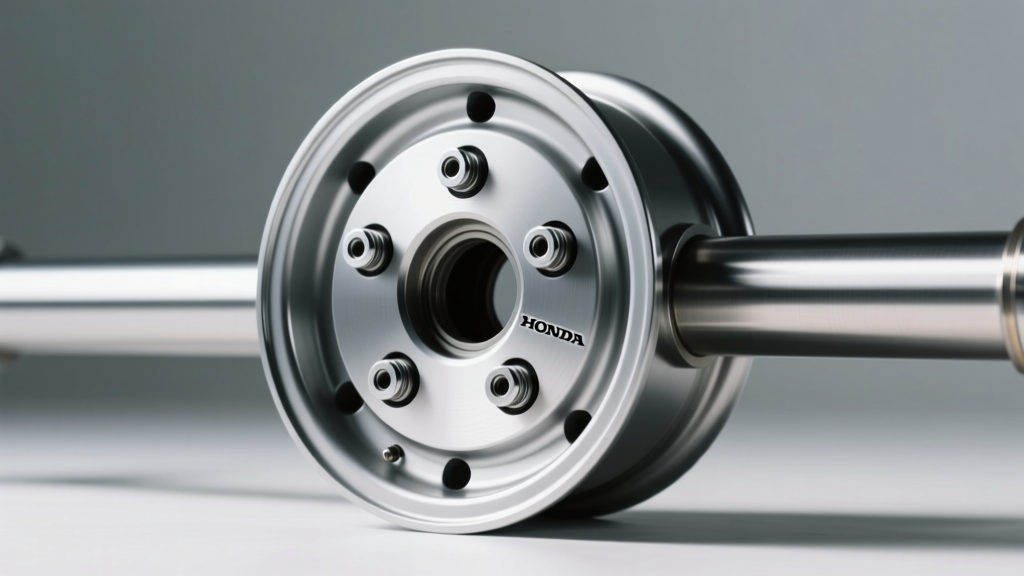
The 2005 Honda Accord uses a 5-lug bolt pattern measuring 5x114.3mm (also written as 5x4.5 inches). This is one of the most common bolt patterns in the automotive world, shared by vehicles from Honda, Toyota, Nissan, Hyundai, Kia, and Tesla, among others.
| Specification | Value |
|---|---|
| Bolt Pattern | 5x114.3 mm (5x4.5") |
| Thread Size (Lug Nuts) | M12 x 1.5 |
| Center Bore (Hub Bore) | 64.1 mm |
| Stock Offset (ET) | +45 mm to +55 mm (varies by trim/wheel) |
| Stock Wheel Sizes | 15" (DX/LX), 16" (EX/LX-V6), 17" (EX-V6 optional) |
| Lug Nut Torque Spec | 80 lb-ft (108 Nm) |
Every trim level of the 2005 Accord—DX, LX, EX, and their V6 variants—uses the same 5x114.3 bolt pattern and 64.1 mm hub bore. The difference between trims lies in wheel diameter (15" to 17") and offset, not the bolt circle itself.
Why the 5x114.3 Pattern Matters for EV Conversions
The 5x114.3mm bolt pattern is significant in the EV conversion community because it's shared by several modern electric vehicles. If you're planning to swap an Accord to electric power or simply want to source lightweight, low-rolling-resistance wheels from an EV donor, the shared bolt pattern opens up options:
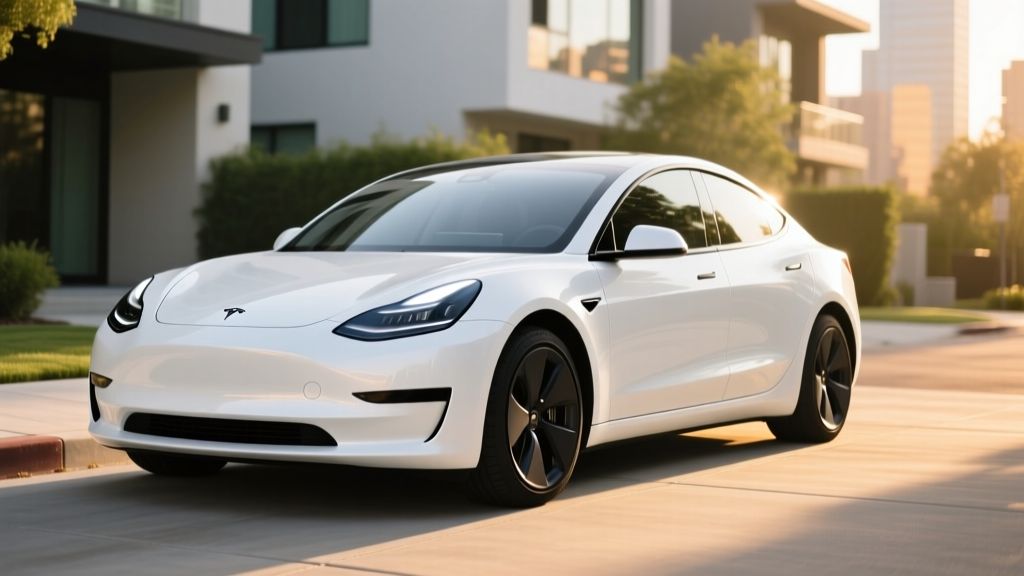
- Tesla Model 3 / Model Y: 5x114.3 bolt pattern, 64.1 mm hub bore—direct bolt-on fitment with correct offset wheels.
- Hyundai Ioniq 5 / Kia EV6: 5x114.3 pattern, though hub bore is 67.1 mm (requires hub-centric rings for the Accord hub).
- Nissan Leaf (2018+): 5x114.3 pattern, 66.1 mm hub bore.
- Ford Mustang Mach-E: 5x114.3 pattern, 63.4 mm hub bore (very close; may require machining or rings depending on direction).
For an EV conversion build, this means you can often source aero-optimized EV wheels—which reduce drag and improve range—without needing custom adapters. The Tesla Model 3's hub bore is an exact match at 64.1 mm, making those wheels a popular choice for Accord-based EV projects seeking efficiency gains.
Offset, Hub Bore, and Load Rating: The Specs That Actually Matter
Matching the bolt pattern alone isn't enough. Three additional measurements determine whether a wheel will physically fit and safely carry the vehicle's weight:
Offset (ET)
The 2005 Accord's stock offset ranges from +45 mm to +55 mm depending on wheel width and trim. Offset determines how far the wheel sits inward or outward relative to the hub mounting surface. Going too low (e.g., +30 mm) pushes the wheel outward, risking fender rub. Going too high (e.g., +60 mm) tucks it inward, potentially causing strut or brake-caliper interference.
Hub Bore
At 64.1 mm, the Accord's hub bore is relatively specific. If you mount a wheel with a larger bore (common on aftermarket and EV-donor wheels), you must use hub-centric rings to fill the gap. Without them, the wheel centers on the lug nuts alone (lug-centric mounting), which can cause vibration at highway speeds and uneven lug-nut stress.
Load Rating
This is critical for EV conversions. A 2005 Accord curb weight ranges from approximately 3,050 to 3,300 lbs depending on trim and engine. An EV conversion typically adds 300–600 lbs of battery mass. Stock Accord wheels are rated for the original curb weight plus a safety margin, but they may not be rated for the increased gross weight of a converted vehicle. Sourcing wheels from a heavier EV donor (e.g., Tesla Model 3 at ~4,000 lbs curb weight) can provide a more appropriate load rating without custom fabrication.
Tire Fitment and Rolling Resistance for EV Efficiency
Whether you're keeping the original gasoline powertrain or planning a conversion, tire selection has a measurable impact on efficiency. The 2005 Accord's stock tire sizes are:
- 15" wheels: 205/65R15
- 16" wheels: 205/60R16
- 17" wheels: 215/50R17
For EV conversions, low-rolling-resistance (LRR) tires in the stock diameter range can recover 3–7% of range compared to standard all-season tires. Tires like the Michelin Energy Saver A/S or Continental EcoContact 6 are popular in the conversion community. The 5x114.3 bolt pattern means you have access to the full range of OEM EV wheel-and-tire packages from Tesla, Hyundai, and others—many of which are engineered specifically for low drag coefficients and reduced road noise.
Wheel Compatibility Cross-Reference: Accord vs. Popular EVs
| Vehicle | Bolt Pattern | Hub Bore | Direct Fit on Accord? |
|---|---|---|---|
| 2005 Honda Accord | 5x114.3 | 64.1 mm | N/A (baseline) |
| Tesla Model 3 / Model Y | 5x114.3 | 64.1 mm | Yes — exact match |
| Hyundai Ioniq 5 | 5x114.3 | 67.1 mm | Yes, with 67.1→64.1 mm hub rings |
| Kia EV6 | 5x114.3 | 67.1 mm | Yes, with 67.1→64.1 mm hub rings |
| Nissan Leaf (2018+) | 5x114.3 | 66.1 mm | Yes, with 66.1→64.1 mm hub rings |
| Ford Mustang Mach-E | 5x114.3 | 63.4 mm | No — bore too small for Accord hub |
| Chevrolet Bolt EV/EUV | 5x10⁵ | 56.6 mm | No — different bolt pattern and bore |
As the table shows, the Tesla Model 3 and Model Y are the closest match to the 2005 Accord's wheel specs. This makes Tesla takeoff wheels a frequent recommendation in Accord EV conversion forums for builders who want aero-efficient wheels without adapters or machining.
Practical Tips for Wheel Sourcing and Installation
Whether you're replacing a damaged wheel, upgrading for aesthetics, or preparing for an EV drivetrain swap, keep these guidelines in mind:
- Always verify the center bore. Bolt pattern alone doesn't guarantee fitment. A 5x114.3 wheel with a 73.1 mm bore (common on aftermarket wheels) will physically bolt on but will vibrate without proper hub-centric rings.
- Torque lug nuts to 80 lb-ft. The 2005 Accord's M12 x 1.5 lug studs are rated for this spec. Over-torquing can stretch studs; under-torquing risks loosening under load.
- Check offset before buying. Use a wheel-offset calculator or measure your current wheel's backspacing. Staying within +40 to +55 mm avoids most fitment issues on the seventh-gen Accord chassis.
- Account for brake caliper clearance. If you're upgrading to larger aftermarket brakes as part of a conversion, confirm caliper clearance with the wheel manufacturer before purchasing.
- For EV conversions, recalculate load rating. Add your estimated battery pack weight to the vehicle's original curb weight and verify each wheel's load rating exceeds one-quarter of the new gross vehicle weight.
Frequently Asked Questions
What is the bolt pattern on a 2005 Honda Accord?
The 2005 Honda Accord uses a 5x114.3mm bolt pattern (5 lugs on a 114.3 mm diameter circle), also expressed as 5x4.5 inches. This is consistent across all trims: DX, LX, EX, and V6 variants.
Will Tesla Model 3 wheels fit a 2005 Honda Accord?
Yes. The Tesla Model 3 shares the 5x114.3 bolt pattern and the 64.1 mm hub bore with the 2005 Accord, making it a direct bolt-on fit. Offset may vary slightly, so check the specific wheel's ET value to ensure clearance.
What size lug nuts does the 2005 Accord use?
The 2005 Accord uses M12 x 1.5 thread-pitch lug nuts, torqued to 80 lb-ft (108 Nm). When sourcing wheels from other vehicles, ensure the lug seat type matches—Honda uses a ball-seat (radius) lug nut, not a conical (tapered) seat.
Can I use wheels from a Chevrolet Bolt on a 2005 Accord?
No. The Chevrolet Bolt EV/EUV uses a 5x10⁵ bolt pattern with a 56.6 mm hub bore, which is incompatible with the Accord's 5x114.3 pattern and 64.1 mm hub.
Does the bolt pattern differ between 4-cylinder and V6 Accord trims?
No. All 2005 Accord trims, including the 4-cylinder and V6 models, share the identical 5x114.3 bolt pattern and 64.1 mm hub bore. Only wheel diameter and offset vary between trims.
Why is the hub bore measurement important?
The hub bore centers the wheel precisely on the axle hub. If the wheel's bore is larger than 64.1 mm, the wheel relies on lug nuts alone for centering, which can cause vibration. Hub-centric rings fill the gap and restore proper centering.