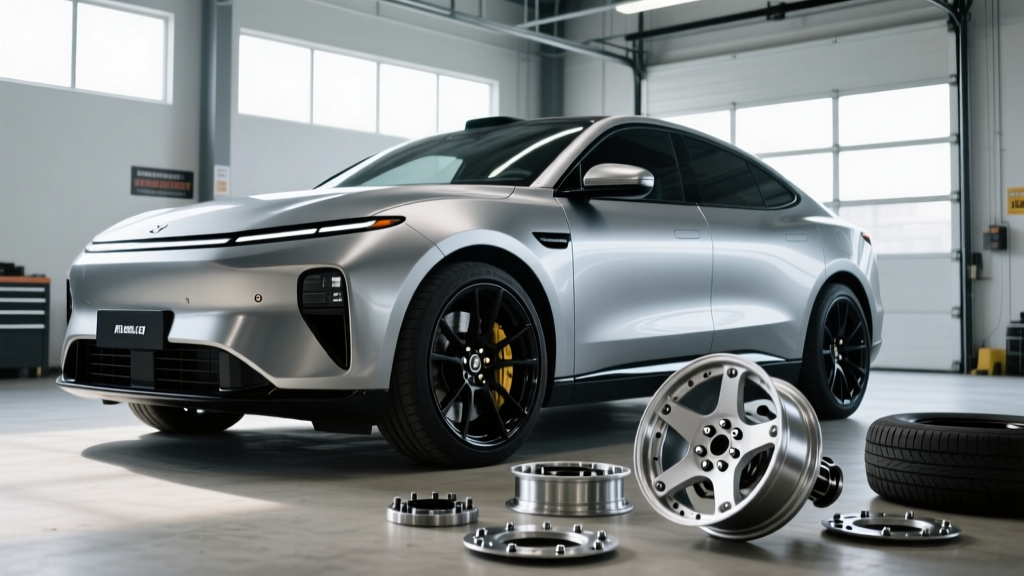
If you're researching the 2001 Ram 1500 bolt pattern for a wheel upgrade, custom build, or an EV conversion project, you need precise fitment data before ordering anything. The second-generation Dodge Ram 1500 (1994–2001) uses a specific lug configuration that differs from many modern trucks — and getting it wrong means wheels that won't mount, vibration at speed, or worse, a safety hazard.
This guide covers the exact bolt pattern, lug nut specifications, hub bore diameter, and practical fitment considerations. We also address a question we're seeing more often in the EV community: how this bolt pattern factors into electric drivetrain swaps and what wheel options work when adapting EV-platform components to a classic Ram chassis.
2001 Ram 1500 Bolt Pattern: The Exact Specifications
The 2001 Dodge Ram 1500 (2WD and 4WD) uses the following wheel mounting specification:
| Specification | Value |
|---|---|
| Bolt Pattern (Lug Count × PCD) | 5 × 139.7 mm (5 × 5.5 inches) |
| Center Bore (Hub Bore) | 77.8 mm |
| Lug Nut Thread Size | 1/2" × 20 UNF |
| Lug Nut Torque Spec | 100 lb-ft (135 N·m) |
| Stock Wheel Size Range | 16" × 7" (standard) |
| Stock Tire Size (typical) | 265/70R16 |
| Lug Style | Conical (60° taper) seat |
Why This Bolt Pattern Matters for EV Conversions
The second-generation Ram 1500 has become a popular candidate for electric vehicle conversions, particularly among builders who want a rugged, body-on-frame truck with a large engine bay that accommodates batteries, controllers, and electric motors. When planning an EV swap, the bolt pattern becomes a critical interface point between your original chassis and any new drivetrain components.
Here's where fitment gets complicated:
- Hub adapter plates: If you're mating an EV motor to the existing rear axle or swapping in an independent rear suspension from a donor EV platform, you may need custom hub adapters. These adapters must match the Ram's 5×139.7 mm pattern on the wheel side and the donor hub pattern on the axle side.
- Wheel selection for added weight: EV conversions add significant mass — typically 500 to 1,200 lbs of battery. You need wheels rated for the increased gross vehicle weight, and they must match the 5×139.7 mm pattern and 77.8 mm center bore (or use hub-centric rings for larger-bore wheels).
- Brake clearance: Many EV conversions upgrade to larger disc brakes. The wheel's internal barrel profile must clear the calipers while maintaining the correct offset for the 5×139.7 mm bolt circle.
Several aftermarket companies, including EV West and various custom machine shops, fabricate adapter plates specifically for the 5×139.7 mm pattern to bridge between classic truck hubs and modern EV drivetrain components.
Compatible Wheels and Aftermarket Options
The 5×139.7 mm (5×5.5") bolt pattern is shared across several vehicles, which expands your wheel selection significantly:
| Vehicle | Years | Notes |
|---|---|---|
| Dodge Ram 1500 | 1994–2001 | Direct fit (same hub bore) |
| Ford F-150 | 1997–2003 (some) | Check hub bore — may differ |
| Jeep Grand Cherokee (WJ) | 1999–2004 | Verify center bore match |
| Suzuki Samurai / Sidekick | Various | Smaller diameter — limited use |
| Toyota Land Cruiser (80-series) | 1990–1997 | Check offset and bore |
When sourcing aftermarket wheels, look for manufacturers that specifically list 5×139.7 mm or 5×5.5" fitment. Brands like Method Race Wheels, KMC, Moto Metal, and Pro Comp offer wheels in this pattern with load ratings suitable for truck use. Always verify the center bore — if the aftermarket wheel has a bore larger than 77.8 mm, you'll need hub-centric rings to prevent vibration. If the bore is smaller, the wheel will not fit at all.
Offset, Backspacing, and Suspension Clearance
Bolt pattern alone doesn't guarantee fitment. The 2001 Ram 1500's stock wheel offset and backspacing determine how the wheel sits relative to the hub, suspension components, and fender wells.
- Stock offset: Approximately +18 mm to +25 mm (varies by trim and wheel option)
- Stock backspacing: Approximately 4.5 inches for 16×7" wheels
- Maximum recommended tire diameter: ~33 inches without a lift kit; ~35 inches with a 2–3 inch leveling kit
For EV conversions, suspension geometry changes are common. If you're replacing the front axle assembly with an independent front suspension from a donor vehicle (such as a Tesla Model S or Model X subframe), the new hub pattern will likely differ from 5×139.7 mm. In this case, you either:
- Use wheels matching the donor hub pattern (simpler but limits wheel choice to the donor's bolt pattern)
- Commission custom adapter plates (5×139.7 mm wheel side to donor hub pattern)
- Have the hub machined to accept the 5×139.7 mm pattern directly
Lug Nut Torque and Safety Specifications
Whether you're running stock wheels or aftermarket units on your 2001 Ram 1500 — or on an EV conversion — proper lug nut torque is non-negotiable. The factory specification is 100 lb-ft (135 N·m) for the 1/2" × 20 UNF studs.
Use only conical-seat (60° taper) lug nuts that match the wheel's lug seat. Mixing flat-seat and conical-seat lug nuts on the same wheel causes uneven clamping force and can lead to wheel separation.
EV Conversion Wheel and Brake Considerations
When converting a 2001 Ram 1500 to electric power, the braking system typically requires significant upgrades to handle the increased vehicle mass from battery packs. This directly impacts wheel selection:
- Big brake kits: Popular options from Wilwood, Baer, or SSBC provide larger rotors (13"–15") and multi-piston calipers. These require wheels with sufficient internal clearance — typically a minimum 17" diameter wheel with a specific barrel profile.
- Regenerative braking: EV motor controllers provide regenerative braking that reduces wear on friction brakes, but you still need friction brakes rated for the full vehicle weight for emergency stops and low-speed holding.
- Weight distribution: Battery placement (typically in the bed or under the cab) shifts weight distribution. Heavier rear loads may require higher load-rated rear wheels — look for wheels rated at 2,500+ lbs per corner for a converted Ram with a 30–40 kWh battery pack.
Where to Source 5×139.7 mm Wheels and Adapters
For the 2001 Ram 1500 bolt pattern, your sourcing options include:
- Aftermarket wheel retailers: Tire Rack, Discount Tire, Summit Racing, and 4 Wheel Parts carry 5×5.5" pattern wheels in 16"–20" diameters
- Custom adapter fabricators: Companies like Wheel Adapter Store, Motorsport Tech, and custom CNC shops produce hub adapters bridging 5×139.7 mm to other patterns (e.g., 5×114.3 mm, 5×120 mm) for EV donor hub integration
- OEM takeoff wheels: Used wheels from compatible vehicles (listed in the table above) offer budget-friendly options, but always inspect for curb damage, bends, and stud hole elongation before use
Frequently Asked Questions
Is the 2001 Ram 1500 bolt pattern the same as newer Rams?
No. The 2001 Ram 1500 uses 5×139.7 mm (5×5.5"). Starting in 2002 (third generation), the Ram 1500 switched to a 5×139.7 mm pattern initially, but later generations (2009+) moved to different configurations depending on model and trim. Always verify the specific model year — never assume bolt pattern continuity across generations.
Can I use 5×135 mm wheels on my 2001 Ram 1500?
No. The 5×135 mm pattern (found on some Ford trucks) is 4.7 mm smaller in diameter than 5×139.7 mm. The wheels will not align with the studs. Do not attempt to force or modify them — the misalignment creates dangerous stress on the studs.
What's the largest tire I can fit on a stock 2001 Ram 1500?
On stock suspension with 16" wheels, most owners fit up to 285/75R16 (~33 inches) without rubbing. Larger tires require a lift or leveling kit and may need aftermarket wheels with adjusted offset to maintain proper scrub radius and avoid contact with control arms.
Do I need hub-centric rings for aftermarket wheels?
If the aftermarket wheel's center bore is larger than 77.8 mm, yes. Hub-centric rings fill the gap between the wheel bore and the hub, ensuring the wheel centers precisely on the hub rather than relying solely on the lug studs for centering. This prevents vibration at highway speeds.
How does the bolt pattern affect an EV conversion?
The 5×139.7 mm pattern determines which wheels bolt directly to your existing hubs. If your EV conversion retains the stock axles, you need 5×139.7 mm wheels. If you swap in a donor EV axle or subframe with a different pattern, you'll need either adapter plates or wheels matching the new hub pattern. Plan this decision early in your build — it affects brake, suspension, and wheel budget simultaneously.