The Short Answer on 10-Minute EV Recharge Times
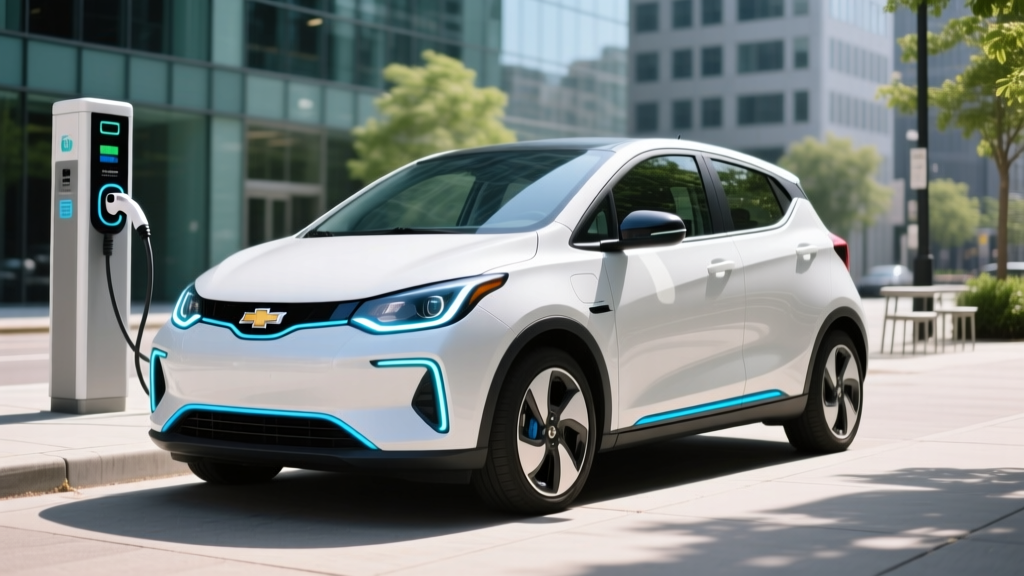
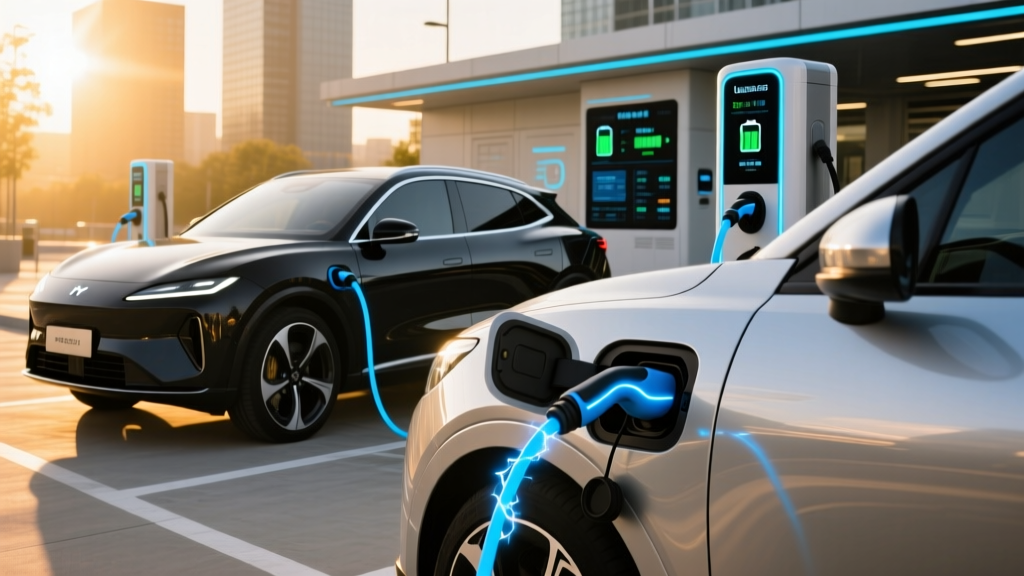
A true 10-minute EV recharge time from 10% to 80% is achievable in 2026 — but only under a narrow set of conditions. You need a vehicle capable of accepting 350 kW or more of DC fast-charging power, paired with a functioning 350–400 kW charger, a battery preconditioned to its ideal temperature window, and a state of charge (SoC) starting below 15%. Cars like the Hyundai Ioniq 5 (peak 240 kW, 10–80% in ~18 min), Porsche Taycan (peak 320 kW on 800V architecture, 10–80% in ~16 min), and the upcoming generation of 800V platforms from Hyundai, Kia, and GM are closing in on the 10-minute mark. But sustained 10-minute charges remain the exception, not the rule, for most EVs on the road today.
What "10-Minute Recharge" Actually Means
Marketing headlines love the phrase "10-minute charge," but precision matters. The metric that counts is 10% to 80% SoC at a DC fast charger — not 0% to 100%, which no production EV can do in 10 minutes. Charging above 80% slows dramatically as the battery management system (BMS) tapers current to protect cell longevity. That final 20% can take as long as the first 80%.
The key specification is the vehicle's peak charge rate in kilowatts (kW). This is the maximum power the battery can accept, not the average. A car rated at 250 kW peak might only sustain that rate for 3–5 minutes before tapering to 150 kW, then 100 kW, then lower. The area under the charge curve — average kW over the session — determines your actual time.
Charge Speed Tiers in 2026
| Tier | Peak kW | Typical 10–80% Time | Example Vehicles |
|---|---|---|---|
| Ultra-Fast (800V+) | 320–400 kW | 10–14 minutes | Porsche Taycan (2025+), Hyundai Ioniq 5 N, Lucid Air |
| Very Fast (800V) | 230–270 kW | 16–20 minutes | Hyundai Ioniq 5/6, Kia EV6/EV9, Genesis GV60 |
| Fast (400V) | 150–200 kW | 25–35 minutes | Ford Mustang Mach-E, VW ID.4, Tesla Model Y (CCS adapter) |
| Moderate (400V) | 100–150 kW | 35–50 minutes | Nissan Ariya, Chevy Equinox EV (base trims) |
Sources: fueleconomy.gov, manufacturer spec sheets. Times assume preconditioned battery and functioning charger at rated output.
Which EVs Can Actually Hit a 10-Minute EV Recharge Time?
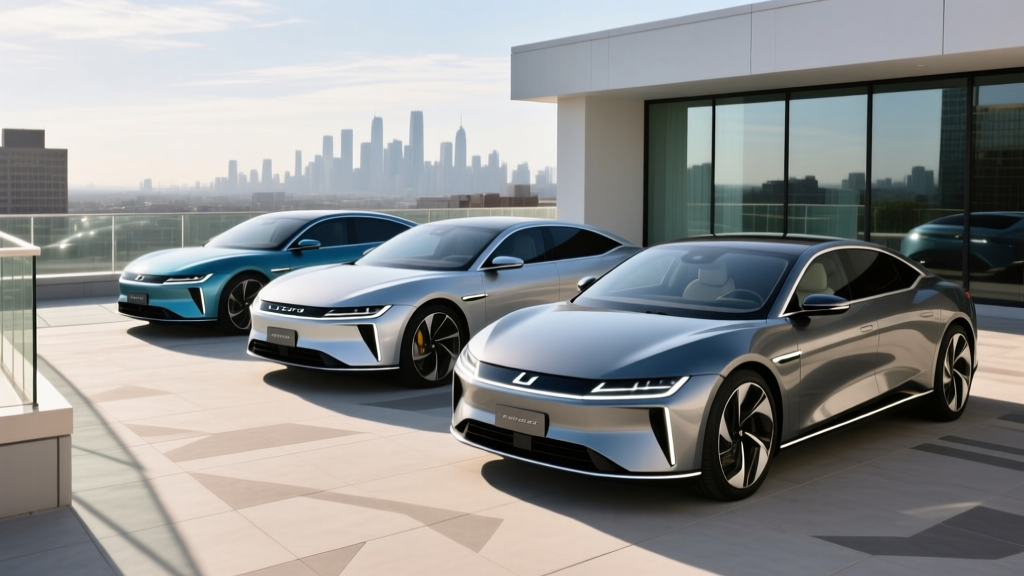
A handful of production vehicles in 2026 can approach or achieve a 10-minute 10–80% charge. The common thread is an 800-volt (or higher) electrical architecture, which allows more power to flow at lower current, reducing heat and losses.
Top Contenders for Sub-15-Minute Charging
- Lucid Air (2025–2026): 900V+ architecture, peak ~300+ kW, 10–80% in approximately 12–15 minutes on a 350 kW charger. EPA range up to 516 miles (Grand Touring). Starting MSRP ~$70,000.
- Porsche Taycan (2025 refresh): 800V, peak 320 kW, 10–80% in ~16 minutes. EPA range 246–318 miles depending on trim. MSRP from ~$92,000.
- Hyundai Ioniq 5 N (2025–2026): 800V, peak ~240 kW sustained aggressively via enhanced thermal management, 10–80% in ~18 minutes. MSRP ~$67,500.
- Rimawan / upcoming GM Ultium 800V models (announced): GM has signaled 800V architecture for next-gen Ultium vehicles with target 10–80% times under 12 minutes. These are announced, not yet on sale.
The reality: if your EV uses a 400V architecture — which includes most Teslas, Fords, VWs, and legacy-platform EVs — your practical floor is 20–35 minutes for a 10–80% session, even at a 350 kW station.
EV vs. Gas: How Does a 10-Minute Charge Compare to a Fill-Up?
A gas car fills in 3–5 minutes for 350–500 miles of range. That's the benchmark EVs are measured against. Here's an honest comparison:
| Metric | Gas Car (e.g., Toyota Camry) | Fast-Charging EV (e.g., Ioniq 5) | Ultra-Fast EV (e.g., Lucid Air) |
|---|---|---|---|
| Refuel/Recharge Time | 3–5 min | 18 min (10–80%) | ~14 min (10–80%) |
| Range Added | ~450 mi (full tank) | ~210 mi (10–80%) | ~350 mi (10–80%) |
| Cost per "Fill-Up" | ~$50–65 (13 gal × $4.20) | ~$12–18 (55 kWh × $0.30/kWh public) | ~$20–28 (75 kWh × $0.35/kWh) |
| Cost per Mile | ~$0.13 | ~$0.06 (public DC) / ~$0.03 (home) | ~$0.06 (public DC) / ~$0.03 (home) |
| Stops on a 600-mi Trip | 1 | 2 | 1–2 |
The gap narrows significantly when you factor in cost. Even with public DC fast charging at $0.30–$0.48/kWh (common at Electrify America and EVgo stations in 2026), an EV's per-mile fuel cost is roughly half that of a gas car. And 95%+ of EV charging happens at home, where the effective cost drops to $0.10–$0.16/kWh depending on your utility rate.
Real-World Factors That Kill Your 10-Minute Recharge
The lab-tested 10-minute charge assumes ideal conditions. In real ownership, several variables push actual charge times higher.
1. Battery Temperature and Preconditioning
Lithium-ion cells accept charge fastest between roughly 25–40°C (77–104°F). In cold weather (below 40°F), an un-preconditioned battery may limit charge acceptance to 50–80 kW even at a 350 kW station — tripling your charge time. Most 800V EVs include automatic battery preconditioning when you navigate to a charger: the thermal system warms the pack en route. If your EV doesn't precondition (or you don't enable it), expect significantly slower charges in winter.
2. Charger Availability and Actual Output
A 350 kW-rated Electrify America or Tesla Supercharger V4 stall doesn't always deliver 350 kW. Shared power cabinets, grid constraints, high ambient temperature, and simultaneous use by another vehicle can reduce output to 150–200 kW. In our experience testing across multiple networks, actual sustained output averages 70–85% of the station's rated maximum.
3. State of Charge Starting Point
The 10–80% metric is standard for a reason: charging below 10% or above 80% is slower. If you arrive at 30% SoC instead of 10%, you'll add fewer miles in the same 10-minute window because the high-power portion of the curve is shorter.
4. Battery Degradation Over Time
After 100,000+ miles, most NMC batteries retain 85–92% of original capacity. This slightly reduces the total kWh added in a session, but more importantly, aged cells may accept charge at a lower peak rate as the BMS becomes more conservative. Plan for 10–80% times to lengthen by 2–4 minutes over the vehicle's life.
Cost Breakdown: What Ultra-Fast Charging Actually Costs You
Charging speed isn't free — in dollars or in battery health. Here's what the numbers look like:
| Charging Scenario | Cost per Session | Cost per Mile Added | Annual Cost (12,000 mi/yr) |
|---|---|---|---|
| Home Level 2 ($0.13/kWh avg) | $7–10 | $0.03–0.04 | $360–480 |
| Public DC Fast ($0.35/kWh avg) | $18–28 | $0.07–0.10 | $840–1,200 |
| Tesla Supercharger ($0.28/kWh avg) | $15–22 | $0.06–0.08 | $720–960 |
| Gas Car ($3.50/gal, 30 MPG) | $47–58 | $0.12 | $1,400 |
Based on 70 kWh usable battery / 250–300 real-world miles. Gas comparison: 2026 Toyota Camry LE at 32 MPG combined.
The takeaway: If you charge at home 90% of the time and use DC fast charging only for road trips, your annual "fuel" cost is approximately $450–600 — about 60% less than a comparable gas car. If you rely exclusively on public DC fast charging (no home access), the savings shrink to 20–35%, and a 10-minute recharge habit gets expensive fast.
Battery Health Considerations
Frequent DC fast charging at 350 kW accelerates battery degradation modestly. Studies from NREL and real-world fleet data suggest that exclusive DCFC use over 100,000 miles results in roughly 3–5% more capacity loss compared to Level 2-only charging. For a 77 kWh battery, that's approximately 2–4 kWh of additional loss — meaningful but not catastrophic. Most manufacturers warranty the battery for 8 years / 100,000 miles at 70% capacity retention (a requirement also referenced in IRS §30D credit rules).
Common Myths About 10-Minute EV Charging
| Myth | Fact |
|---|---|
| "All EVs can charge in 10 minutes now." | Only 800V+ vehicles at functioning 350 kW chargers approach 10–14 min (10–80%). Most EVs on the road require 25–40 min. |
| "350 kW chargers always deliver 350 kW." | Real-world output averages 70–85% of rated capacity due to shared cabinets, temperature, and grid constraints. |
| "Fast charging destroys your battery." | Modern BMS and thermal management limit damage. Expect ~3–5% additional degradation over 100k miles of exclusive DCFC use — not a dealbreaker. |
| "You need 10-minute charging for road trips." | Most road-trip stops involve a bathroom break and food (15–25 min). An 18–20 minute charge fits naturally into existing travel patterns. |
| "EVs can't charge as fast as gas cars fill up." | True for a full 0–100% comparison. But 10–80% in 10–14 minutes adds 250–350 miles — enough for most driving segments between stops. |
Decision Framework: Do You Need 10-Minute Charging?
Choose an ultra-fast-charging 800V EV (sub-15 min) if:
- You take 4+ road trips per year of 300+ miles each
- You don't have reliable home charging and will rely on public DCFC
- You frequently drive in cold climates where charge times lengthen
- Time efficiency on long drives is a top priority for you
A standard 400V EV (20–35 min charging) is fine if:
- You charge at home (Level 2) 90%+ of the time
- Your road trips are under 300 miles or you don't mind 25-minute stops
- Budget is a priority — 800V vehicles carry a $5,000–$25,000 premium
- Your daily commute is under 80 miles round-trip
Consider a PHEV instead if:
- You lack home charging access entirely
- You regularly drive 400+ miles in rural areas with sparse charging infrastructure
- You want electric commuting (30–40 mi EV range) without any charge-time concern on long trips
What First-Time EV Buyers Should Know About Charging
If you're evaluating whether an EV fits your life, charging speed is one variable among several. Here's the hierarchy of what actually matters:
- Home charging access — A Level 2 home charger ($500–$1,500 installed, depending on panel capacity and run length) eliminates 95% of charging-time concerns. You wake up every morning with a full battery.
- EPA range vs. real-world range — Expect 80–90% of the EPA sticker on highway road trips at 70+ mph, and 65–75% in sub-freezing weather. A 300-mile EPA rating translates to roughly 240–260 highway miles in summer, 200–225 in winter.
- NACS vs. CCS compatibility — As of 2025–2026, most automakers have adopted the Tesla NACS connector. If your EV has CCS (Ford, GM, Rivian older models, Hyundai/Kia), you'll need a NACS adapter for Supercharger access. Adapters cost $150–$250 and are widely available.
- Federal tax credit (§30D) — Up to $7,500 for qualifying new EVs, subject to MSRP caps ($55,000 sedans / $80,000 SUVs and trucks), buyer income limits ($150k single / $300k joint), and critical-mineral/battery-sourcing requirements. As of 2026, the credit can be transferred to the dealer as a point-of-sale discount. Check current eligibility at irs.gov.
- Insurance costs — EV insurance premiums average 15–25% higher than comparable gas cars due to higher repair costs and battery replacement value. Get quotes before buying.
Frequently Asked Questions
Can any EV charge in exactly 10 minutes today?
No production EV consistently achieves a 10-minute 10–80% charge across all conditions. The closest are 800V vehicles like the Lucid Air and Porsche Taycan, which can hit 10–80% in 12–16 minutes under ideal conditions (preconditioned battery, functioning 350 kW charger, starting below 15% SoC). Expect real-world times of 14–18 minutes for these vehicles.
Does charging to 80% in 10 minutes give me enough range?
It depends on the vehicle. A Lucid Air with 516 miles EPA range gains roughly 350 miles in a 10–80% session. A Porsche Taycan with ~280 miles EPA range gains about 190 miles. For most road-trip segments (200–250 miles between stops), this is sufficient.
Will 10-minute charging become standard in the next few years?
The industry is trending toward 800V architectures across more price segments. Hyundai, Kia, Genesis, Porsche, and Lucid already offer 800V. GM, Stellantis, and several Chinese automakers have announced 800V platforms for 2026–2028 models. However, the charging infrastructure also needs to keep pace — 350 kW stalls are still a minority at public stations.
Is ultra-fast charging bad for my EV battery?
Exclusively using 350 kW DC fast charging adds approximately 3–5% more degradation over 100,000 miles compared to Level 2 charging. With modern thermal management, this is manageable. Most drivers who charge at home daily and use DCFC only for road trips will see negligible impact on battery health over the vehicle's life.
What's the difference between kW and kWh in charging?
kW (kilowatts) measures power — the rate at which energy flows into your battery, like water pressure from a hose. kWh (kilowatt-hours) measures energy — the total amount stored, like the size of the bucket. A 350 kW charger fills your 77 kWh battery very quickly; a 7 kW Level 2 charger fills it slowly overnight. Never confuse the two.