Overview: The Shift from Combustion to Electric
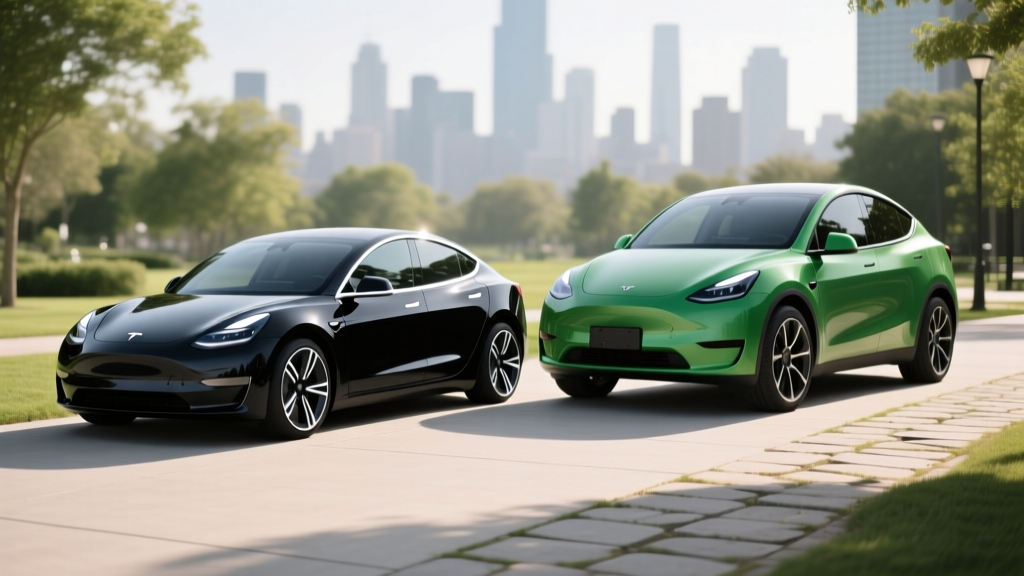
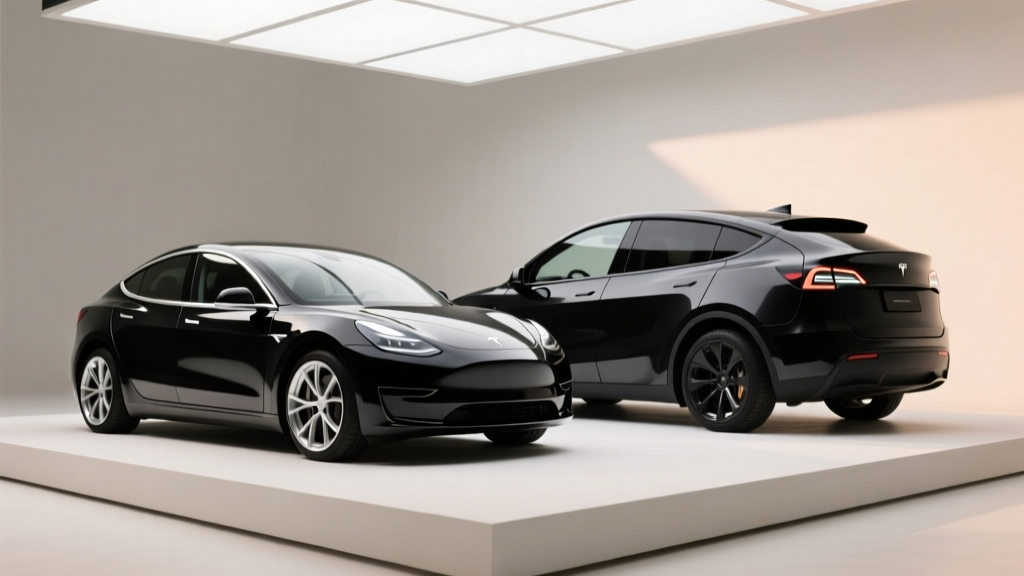
The automotive landscape is undergoing a seismic shift, and at the center of this revolution is the debate between electric vehicles (EVs) and traditional internal combustion engine (ICE) vehicles. When consumers consider making the jump to electric, the most common benchmark is a Tesla vs gas car comparison. Tesla has become synonymous with electric mobility, offering a blend of cutting-edge technology, expansive charging infrastructure, and impressive performance. On the other side of the aisle, traditional gas-powered cars offer a century of refinement, ubiquitous refueling infrastructure, and familiar ergonomics.
Choosing between a Tesla and a conventional gas-powered sedan or SUV is no longer just about environmental impact; it is a complex calculation involving total cost of ownership, daily convenience, driving dynamics, and long-term reliability. In this comprehensive guide, we will break down the critical differences between Tesla's electric lineup and traditional gas vehicles to help you determine which powertrain best fits your lifestyle. For a broader look at the market, be sure to check out our best EV rankings to see how Tesla stacks up against legacy automakers.
Side-by-Side Specification Comparison
To understand the fundamental differences, it helps to look at the raw data. Below is a generalized comparison between a popular Tesla model (such as the Model 3 Long Range) and a typical midsize gas-powered sedan (like a Honda Accord or Toyota Camry). This table highlights the baseline differences in how these vehicles operate and what they offer out of the box.
| Feature | Tesla Model 3 (Long Range EV) | Traditional Midsize Gas Sedan |
|---|---|---|
| Powertrain | Dual Motor All-Wheel Drive (Electric) | Inline-4 Turbo or Hybrid (ICE) |
| EPA Estimated Range / Tank | 340+ miles (MPGe equivalent) | 400+ miles (per 14-gallon tank) |
| Refueling / Recharging Time | 15-30 mins (DC Fast Charge) / 8 hrs (Home) | 3-5 mins (Gas Station) |
| 0-60 MPH Acceleration | 4.2 seconds (Instant Torque) | 6.5 - 8.0 seconds |
| Maintenance Requirements | Tires, wipers, cabin filter, washer fluid | Oil, filters, spark plugs, belts, brakes |
| Infotainment System | Proprietary 15.4-inch Touchscreen (No CarPlay) | Standard Touchscreen with Apple CarPlay & Android Auto |
| Over-the-Air (OTA) Updates | Yes (Frequent, feature-adding) | Limited (Mostly navigation or minor bug fixes) |
| Drivetrain Warranty | 8 Years / 120,000 Miles (Battery & Drive Unit) | 5 Years / 60,000 Miles (Powertrain) |
Range and Fuel Economy: MPGe vs MPG
One of the most significant hurdles for EV adoption is range anxiety, yet modern Teslas have largely mitigated this concern. When comparing a Tesla to a gas car, you are essentially comparing Miles Per Gallon Equivalent (MPGe) to traditional MPG. According to data from fueleconomy.gov, a Tesla Model 3 Long Range achieves an impressive combined MPGe rating that vastly outpaces the energy efficiency of even the most aerodynamic gas-powered sedans.
However, raw range numbers tell only part of the story. A traditional gas car can easily achieve 400 to 500 miles of highway range on a single tank, and that range remains relatively consistent regardless of weather or driving speed. Teslas, while boasting excellent EPA-estimated ranges, are subject to the laws of battery chemistry. Highway driving at speeds over 70 MPH significantly reduces an EV's range due to aerodynamic drag, and cold weather can temporarily reduce battery efficiency by 15% to 30%. Gas cars, conversely, utilize waste heat from the engine to warm the cabin in winter, resulting in negligible range loss during cold snaps.
Despite these variables, the daily reality of range heavily favors the EV for most commuters. The average daily commute is under 40 miles round-trip. A Tesla owner with a home charging setup will start every single day with a full battery, effectively eliminating the need to visit a 'fueling station' during the workweek. Gas car owners, regardless of their fuel efficiency, must still make dedicated stops at gas stations multiple times a month.
Price and Total Cost of Ownership
The sticker price of a vehicle is only the beginning of the financial equation. When evaluating a Tesla vs gas car, the Total Cost of Ownership (TCO) reveals a starkly different financial picture over a five-to-ten-year period. Historically, Teslas carried a massive premium, but aggressive pricing strategies and the introduction of more accessible models have brought the upfront MSRP of a Tesla Model 3 or Model Y in line with well-equipped midsize gas sedans and compact luxury SUVs.
Where the Tesla truly shines is in operational costs. Electricity prices, while variable by region, are generally much cheaper and far more stable than volatile gasoline prices. Charging at home during off-peak hours can cost the equivalent of $1.00 to $1.50 per gallon of gas. Furthermore, the maintenance savings are substantial. Internal combustion engines require regular oil changes, transmission fluid flushes, spark plug replacements, and timing belt inspections. Teslas have a fraction of the moving parts. Additionally, Tesla's regenerative braking system does the heavy lifting when slowing the vehicle down, meaning brake pads and rotors on an EV can easily last well over 100,000 miles before needing replacement.
However, gas cars hold an advantage in two specific TCO categories: tires and insurance. Because EVs are significantly heavier than their gas counterparts and deliver instant torque to the wheels, Tesla owners often find themselves replacing tires more frequently. Furthermore, insurance premiums for Teslas can be higher due to the specialized repair procedures and high cost of replacement parts required after a collision. Prospective buyers should always run the numbers through an EV tax credit and incentive calculator to see how local rebates might tip the financial scales in the EV's favor.
Charging Speed vs Refueling Convenience
The most visceral difference between owning a Tesla and a gas car is the refueling experience. Pumping gas is a universal, five-minute ritual that can be done almost anywhere in the world, at any time of day, in any weather condition. It requires zero forethought. For long road trips through remote areas, the gas car's ability to refuel instantly and get back on the road remains a distinct advantage.
Tesla approaches this paradigm differently, shifting the focus from 'refueling' to 'charging where you park.' For the daily grind, the Tesla is vastly more convenient. You plug in when you get home and wake up to a full charge, much like a smartphone. You never have to detour to a gas station on your way to work in the freezing rain. But what about road trips?
This is where Tesla's proprietary Supercharger network provides a massive advantage over both legacy automakers and traditional gas stations. The Supercharger network is widely regarded as the most reliable, ubiquitous, and user-friendly DC fast-charging network in existence. While a gas car takes five minutes to fill up, a Tesla can add up to 200 miles of range in about 15 minutes at a V3 or V4 Supercharger. The vehicle's navigation system automatically preconditions the battery for optimal charging speeds and routes you through Supercharger stops seamlessly. While you do spend more time stopped on a cross-country road trip in a Tesla, owners often use this time to eat, stretch, or use the restroom, making the time difference less punitive than it appears on paper. To see how Tesla's charging ecosystem compares to other EVs, read our Model Y vs Mustang Mach-E comparison.
Performance and Driving Dynamics
If you have never driven an electric vehicle, the performance difference between a Tesla and a standard gas car is nothing short of shocking. Internal combustion engines need to build RPMs, and traditional automatic transmissions must downshift to find the optimal power band. This results in a slight delay between pressing the pedal and feeling the car surge forward.
Teslas utilize electric motors that deliver 100% of their torque instantly from zero RPM. Even a base model rear-wheel-drive Tesla feels significantly quicker off the line than a V6 gas-powered sedan. The dual-motor Performance variants offer supercar-rivaling acceleration that leaves almost all gas-powered commuter cars in the dust. Furthermore, the placement of the heavy battery pack along the floor of the chassis gives Teslas an incredibly low center of gravity. This minimizes body roll in corners and provides a planted, confident feel that is difficult for front-heavy gas cars to replicate.
However, driving dynamics are subjective. Some enthusiasts prefer the mechanical engagement of a gas car—the sound of the engine revving, the tactile feedback of a multi-speed transmission shifting through gears, and the traditional hydraulic feel of steering and braking. Teslas are incredibly fast, but they can feel somewhat clinical and isolated from the road. The regenerative braking system, which slows the car down the moment you lift off the accelerator, requires a learning curve but eventually allows for 'one-pedal driving,' drastically reducing fatigue in heavy stop-and-go traffic.
Interior Space, Technology, and Warranty
Stepping into a Tesla is a minimalist experience. The brand has famously removed almost all physical buttons, knobs, and dials, consolidating climate controls, media, and vehicle settings into a massive central touchscreen. The build quality and interior materials of Teslas have improved significantly over recent generations, offering a premium, airy cabin with expansive glass roofs. However, the lack of physical controls and the absence of Apple CarPlay and Android Auto are major pain points for buyers transitioning from modern gas cars, which typically offer redundant physical buttons and seamless smartphone integration.
Where Tesla dominates is in software and technology. Teslas are essentially computers on wheels. Over-the-air (OTA) software updates regularly introduce new features, improve battery management, and refine the user interface long after the car has been purchased. A gas car's infotainment system is largely frozen in time the moment it rolls off the assembly line. Furthermore, Tesla's advanced driver assistance systems, including Autopilot and the optional Full Self-Driving (FSD) capability, represent some of the most advanced ADAS technology on the market, though they still require active driver supervision.
Warranty coverage is another area where the EV vs ICE battle is clearly defined. Traditional gas cars usually come with a 3-year/36,000-mile bumper-to-bumper warranty and a 5-year/60,000-mile powertrain warranty. Tesla offers a similar basic vehicle limited warranty but backs its battery and drive units with an impressive 8-year or 100,000 to 120,000-mile warranty (depending on the model). This provides immense peace of mind regarding the most expensive component of the vehicle. For a deeper dive into the cabin experience, check out our comprehensive Tesla Model 3 review.
The Verdict: Which Should You Choose?
The decision between a Tesla and a gas car ultimately comes down to your living situation, driving habits, and technological preferences. There is no universal 'best' option, only the best option for your specific lifestyle.
Buy a Tesla if:
- You can charge at home: This is the golden rule of EV ownership. If you have a garage or driveway where you can install a Level 2 charger, a Tesla will provide unparalleled daily convenience and massive fuel savings.
- You want low running costs: If you plan to keep the car for 5 to 10 years, the savings on gasoline, oil changes, and brake replacements will likely offset any upfront premium or higher insurance costs.
- You love technology: If you appreciate minimalist design, cutting-edge software, OTA updates, and instant, silent torque, a Tesla will feel like a massive upgrade from a traditional car.
Buy a Gas Car if:
- You lack home charging access: Relying entirely on public charging infrastructure can be frustrating, time-consuming, and expensive. If you live in an apartment without charging options, a gas car or a traditional hybrid is a much safer bet.
- You frequently tow or drive in extreme remote areas: While Teslas are capable, towing severely reduces EV range. Furthermore, if your travels take you far off the beaten path where Superchargers are scarce, the ubiquitous nature of gas stations is invaluable.
- You prefer traditional ergonomics: If you dislike menu-diving on a touchscreen to adjust the AC or mirrors, and you prefer the tactile feel of physical buttons and the sound of an engine, a modern gas car will provide a more comfortable transition.
Frequently Asked Questions
Is a Tesla cheaper to maintain than a gas car?
Yes, generally speaking, a Tesla is significantly cheaper to maintain. Because electric vehicles lack an internal combustion engine, you never have to pay for oil changes, spark plugs, timing belts, or exhaust system repairs. Additionally, regenerative braking drastically extends the life of your brake pads. The primary maintenance expenses for a Tesla are limited to tire rotations, cabin air filter replacements, windshield washer fluid, and wiper blades.
How does Tesla's range hold up in cold weather compared to gas cars?
Electric vehicles, including Teslas, experience a reduction in range during freezing temperatures—often losing 15% to 30% of their EPA-estimated range. This is due to the battery's chemical resistance to cold and the energy required to heat the cabin. Gas cars also lose some efficiency in the cold, but they utilize waste heat from the engine to warm the cabin, meaning their range is not as severely impacted. However, Tesla's battery preconditioning and advanced heat pump systems help mitigate these losses better than many older EVs.
Do Teslas last as long as gas-powered cars?
Current data suggests that Teslas can easily match or exceed the lifespan of traditional gas cars. The electric motors have very few moving parts and are designed to last hundreds of thousands of miles. The main concern is battery degradation; however, Tesla's battery management systems are highly advanced, and data shows that most Tesla batteries retain over 85% of their original capacity after 150,000 miles. With proper care, the drivetrain of a Tesla can outlast the typical 150,000 to 200,000-mile lifespan of a well-maintained gas engine.
Can I take a Tesla on a cross-country road trip?
Absolutely. Thanks to the extensive and highly reliable Supercharger network, taking a Tesla on a cross-country road trip is a seamless experience. The vehicle's navigation system will automatically plan your route, including necessary charging stops, and will precondition the battery so it is at the optimal temperature for fast charging upon arrival. While you will spend slightly more time stopped than you would in a gas car, the ability to stretch your legs, grab a meal, and use clean facilities at Supercharger locations makes the journey highly manageable and enjoyable.