Porsche Taycan vs Audi e-tron GT: The Ultimate Luxury EV Sedan Comparison
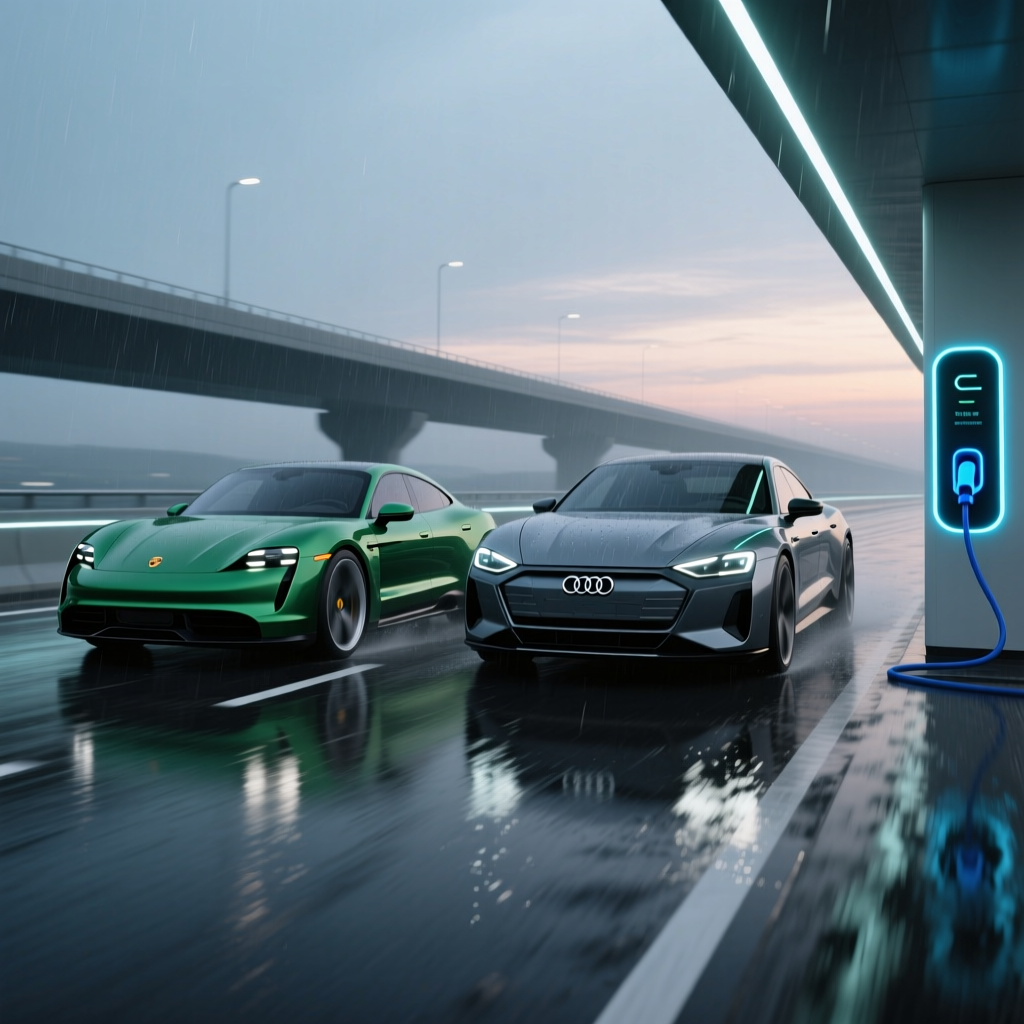
When the Volkswagen Group set out to conquer the high-performance electric vehicle market, they engineered the J1 platform—a masterpiece of 800-volt architecture and thermal management. From this shared foundation emerged two of the most stunning luxury electric sedans on the road: the Porsche Taycan and the Audi e-tron GT. While they share the same underlying bones, battery options, and fundamental engineering, their execution, personality, and target audiences are distinctly different.
The Porsche Taycan is the quintessential sports car translated into the electric era. It prioritizes driving dynamics, repeatable track performance, and a driver-focused cockpit. Conversely, the Audi e-tron GT is a grand tourer in the truest sense, offering striking concept-car styling, a more compliant ride, and an emphasis on effortless highway cruising and cabin serenity. If you are shopping for the best luxury EV sedans, this sibling rivalry is the most fascinating matchup in the automotive world.
In this comprehensive comparison, we break down everything you need to know about the Porsche Taycan vs Audi e-tron GT, from range and charging speeds to interior space and technology, to help you decide which German luxury EV deserves a spot in your garage.
Side-by-Side Specification Comparison
Before diving into the nuances of daily driving and track performance, let us look at the core specifications that define these two luxury electric sedans. Note that both vehicles offer multiple trims and battery configurations, but the figures below represent the popular mid-tier all-wheel-drive models (Taycan 4S and e-tron GT Premium) equipped with the larger Performance Battery Plus.
| Specification | Porsche Taycan 4S | Audi e-tron GT Premium |
|---|---|---|
| Drivetrain | AWD (2-Speed Rear) | AWD (Single-Speed) |
| Battery Capacity (Gross/Net) | 93.4 kWh / 83.7 kWh | 93.4 kWh / 83.7 kWh |
| EPA Estimated Range | Up to 287 miles | Up to 238 miles |
| Peak DC Fast Charging | 270 kW | 270 kW |
| 0-60 mph (Independent Test) | 3.8 seconds | 3.9 seconds |
| Cargo Space (Trunk + Frunk) | 14.3 cu-ft + 2.8 cu-ft | 9.2 cu-ft + 3.0 cu-ft |
| Starting MSRP (Base AWD) | Mid $100,000s | Low $100,000s |
Price and Value Proposition
When evaluating luxury electric vehicles, the sticker price is only the beginning of the financial story. The Audi e-tron GT generally undercuts the Porsche Taycan in terms of base pricing, making it an attractive entry point into the J1 platform. The e-tron GT also tends to include more standard luxury features out of the box, such as premium leather upholstery, advanced driver assistance systems, and high-end audio systems.
The Porsche Taycan, true to the brand's heritage, features a notoriously extensive and expensive options list. While the base rear-wheel-drive Taycan offers a lower entry price, stepping up to the 4S, GTS, or Turbo trims—and adding essentials like the Performance Battery Plus, adaptive cruise control, and premium leather packages—can easily add tens of thousands of dollars to the final bill. However, Porsche's resale value and brand prestige often offset the initial depreciation hit. For a deeper dive into Porsche's pricing structure, check out our Porsche Taycan trim guide.
Winner: Audi e-tron GT for standard equipment value; Porsche Taycan for long-term brand prestige and resale retention.
Range and Efficiency
Despite sharing the exact same battery packs, the Porsche Taycan and Audi e-tron GT yield noticeably different EPA range estimates. The Taycan benefits from Porsche's aggressive aerodynamic tuning, active grille shutters, and the efficiency of its two-speed rear transmission, which allows the rear motor to spin at lower RPMs during highway cruising. As a result, the Taycan 4S with the larger battery consistently achieves EPA ratings well over 250 miles, with some rear-wheel-drive configurations pushing past 300 miles.
The Audi e-tron GT, with its wider stance, heavier curb weight, and single-speed transmission, sacrifices some efficiency for its aggressive styling and grand-touring gearing. The e-tron GT Premium typically sees EPA estimates in the low-to-mid 230s. In independent real-world highway testing, the Taycan frequently exceeds its EPA estimates, while the e-tron GT tends to fall slightly short of its official numbers when driven at sustained high speeds.
Winner: Porsche Taycan. Its superior aerodynamics and transmission gearing make it the more efficient long-distance cruiser.
Charging Speed and Infrastructure
This is where the shared J1 platform shines, as both vehicles are equipped with an 800-volt electrical architecture. This high-voltage system allows for thinner, lighter wiring harnesses and significantly reduces thermal buildup during charging. Both the Taycan and the e-tron GT can accept a peak DC fast-charging rate of up to 270 kW under ideal conditions.
When connected to a 350 kW charger, both sedans can replenish their batteries from 10% to 80% in approximately 22 to 25 minutes. Furthermore, both vehicles feature an advanced thermal management system that pre-conditions the battery when a charging station is routed in the navigation system, ensuring you hit that peak charging curve immediately upon plugging in. To learn more about maximizing your charging speeds, read our complete guide to EV charging.
Historically, both brands offered complimentary charging credits on the Electrify America network, though the exact terms and durations vary by model year and region. Because the charging hardware is virtually identical, this category is a dead heat.
Winner: Tie. Both offer class-leading 800V charging capabilities.
Performance and Driving Dynamics
The divergence in engineering philosophy becomes blatantly obvious the moment you take the wheel. The Porsche Taycan is engineered to be a sports car first and an EV second. Its steering is communicative and heavy, the chassis balance is near-perfect, and the optional rear-axle steering makes it incredibly agile on canyon roads. Crucially, the Taycan utilizes a unique two-speed transmission on the rear axle. The short first gear provides explosive, neck-snapping acceleration off the line, while the tall second gear ensures top-end efficiency and allows for repeatable hard launches without overheating the motors. Read our full Porsche Taycan review for more on its track capabilities.
The Audi e-tron GT is a grand tourer. Its air suspension is tuned to absorb highway imperfections with supreme comfort, and the cabin is heavily insulated from wind and tire noise. While it is undeniably fast—especially in the high-output RS guise—it lacks the tactile feedback and surgical precision of the Porsche. The single-speed transmission means that while initial acceleration is thrilling, the surge of torque tapers off slightly at higher speeds compared to the Taycan's second-gear pull.
When it comes to braking, both vehicles utilize massive regenerative braking systems blended with traditional friction brakes. However, independent test data shows the Taycan's brake pedal feel is more linear and predictable, a hallmark of Porsche's motorsport pedigree.
Winner: Porsche Taycan for driving enthusiasts; Audi e-tron GT for daily comfort and grand touring.
Interior Space, Comfort, and Cargo
Stepping inside the Porsche Taycan reveals a minimalist, screen-heavy environment. The driver sits low, wrapped in a supportive bucket seat, facing a curved digital instrument cluster and a center console dominated by haptic touchscreens. The build quality is exceptional, with available sustainable microfiber and club leather options. However, the Taycan's rear seats are notoriously cramped, best suited for children or very short trips.
The Audi e-tron GT takes a more traditional approach to luxury. The MMI touch response system relies on a mix of screens and tactile, clickable haptic buttons, which many drivers prefer for use while in motion. The materials feel slightly more opulent, with intricate stitching and available carbon fiber or open-pore wood trims. Like the Porsche, the Audi utilizes a 'foot garage'—a cutout in the rear battery pack that allows rear passengers to drop their feet lower, improving thigh support. Despite this, the sloping roofline still compromises rear headroom in both vehicles.
Cargo space is another area where the Taycan edges ahead. The Taycan offers a deeper rear trunk and a slightly more usable front trunk (frunk), giving it a distinct advantage for airport runs or weekend getaways. The e-tron GT's rear cargo area is shallow and compromised by the aggressive rear diffuser design.
Winner: Porsche Taycan for cargo utility; Audi e-tron GT for traditional luxury aesthetics and button tactility.
Technology and Infotainment
Porsche's latest PCM (Porsche Communication Management) system is visually stunning but comes with a steep learning curve. The dual-screen setup on the center console (with an optional passenger display) looks futuristic, but the reliance on touch-capacitive sliders for volume and climate control can be frustrating while driving. Apple CarPlay and Android Auto are standard, but wireless integration can sometimes be finicky depending on the software version.
Audi's Virtual Cockit Plus and MMI system are masterclasses in ergonomic integration. The graphics are crisp, the menus are logical, and the system responds instantly to inputs. The Audi e-tron GT also offers an available head-up display with augmented reality navigation, which projects turn-by-turn directions seemingly onto the road ahead—a feature that significantly reduces driver distraction.
Both vehicles offer comprehensive suites of advanced driver assistance systems (ADAS), including adaptive cruise control, lane-keeping assist, and 360-degree cameras. However, Audi's implementation of these features feels slightly more refined and less intrusive during daily commutes.
Winner: Audi e-tron GT for user-friendly ergonomics and augmented reality tech.
Warranty and Ownership Costs
Both the Porsche Taycan and Audi e-tron GT come with a standard 4-year/50,000-mile limited warranty and an 8-year/100,000-mile battery warranty, which is standard for the luxury EV segment. However, the cost of ownership diverges when it comes to maintenance and insurance.
Porsche offers a scheduled maintenance plan that can be purchased upfront, but out-of-pocket service costs at a Porsche dealership are notoriously high. Tires, in particular, are a significant expense; the Taycan's heavy weight and instant torque chew through high-performance summer tires rapidly. The Audi e-tron GT is slightly cheaper to insure on average and benefits from Audi's more widespread dealership network, which can make routine service more convenient and affordable.
Winner: Audi e-tron GT for slightly lower estimated cost of ownership and insurance premiums.
The Verdict: Which Luxury EV Sedan is Right for You?
Choosing between the Porsche Taycan and the Audi e-tron GT ultimately comes down to your personal driving philosophy and lifestyle needs. They are two sides of the same brilliant 800-volt coin.
Choose the Porsche Taycan if: You prioritize driving dynamics, steering feedback, and track-capable performance. If you frequently take long road trips and value maximum range and cargo space, the Taycan's aerodynamic efficiency and two-speed transmission make it the superior choice. It is the ultimate EV for the purist who refuses to compromise on the joy of driving.
Choose the Audi e-tron GT if: You want a head-turning grand tourer that excels at isolating you from the outside world. If you prefer a more traditional luxury interior with tactile buttons, a compliant air suspension, and a slightly more accessible entry price, the e-tron GT is a phenomenal daily driver that delivers supercar looks with luxury car comfort. Be sure to read our Audi e-tron GT review for more details on its daily livability.
Frequently Asked Questions
Are the Porsche Taycan and Audi e-tron GT built on the same platform?
Yes, both vehicles are built on the Volkswagen Group's J1 platform. They share the same 800-volt electrical architecture, battery pack options (Standard and Plus), and fundamental chassis components. However, Porsche and Audi engineers tuned the suspension, steering, motors, and software independently to give each car a distinct personality.
Which vehicle has better real-world range?
The Porsche Taycan consistently outperforms the Audi e-tron GT in real-world range tests. Thanks to its more aerodynamic profile, active aero elements, and the efficiency of its two-speed rear transmission, the Taycan is able to extract more miles from the exact same 93.4 kWh battery pack, especially at highway speeds.
Is the Audi RS e-tron GT faster than the Porsche Taycan Turbo?
In a straight line, the top-tier Audi RS e-tron GT and the Porsche Taycan Turbo (and Turbo S) are remarkably close, both achieving 0-60 mph times in the low-to-mid 2-second range when using launch control. However, the Porsche Taycan Turbo S generally holds an edge in sustained high-speed performance and track lap times due to its superior thermal management and two-speed gearbox.
How do depreciation rates compare between the two?
Like most luxury electric vehicles, both cars experience significant depreciation in their first few years. However, the Porsche Taycan historically holds its value slightly better than the Audi e-tron GT. Porsche's brand cachet, the desirability of the Turbo and GTS trims, and the Taycan's reputation as a 'driver's car' help it retain a larger percentage of its original MSRP on the used market.