The Quick Answer
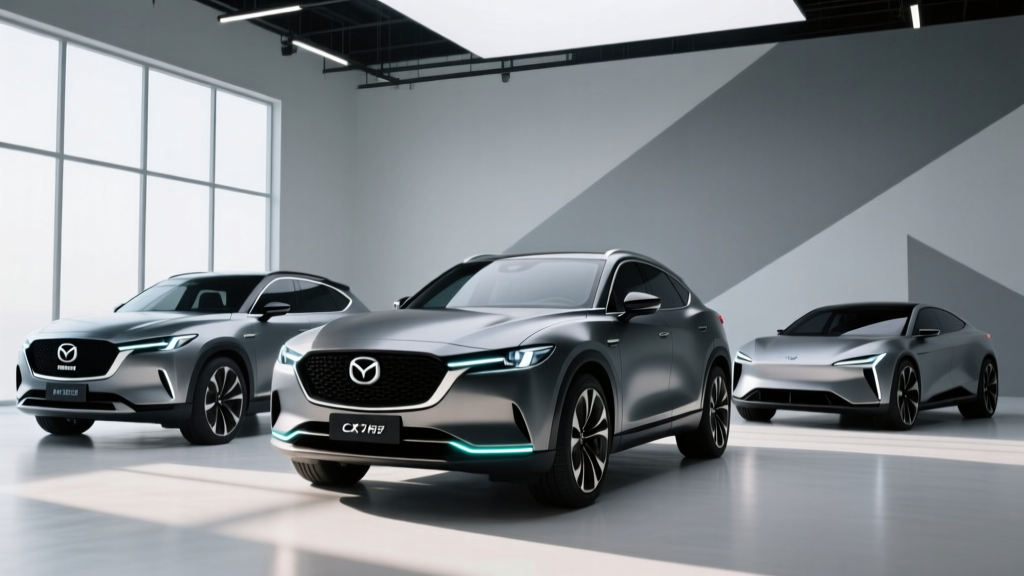
If you're searching for a Mazda electric SUV in 2026, here's what actually exists: Mazda does not yet sell a fully electric (battery-electric) SUV in the United States. What Mazda does offer are two plug-in hybrid SUVs — the CX-70 PHEV (two-row, 26 miles electric-only) and the CX-90 PHEV (three-row, 26 miles electric-only). Both pair a 2.5L four-cylinder with a 17.8 kWh battery and deliver 323 combined horsepower. Mazda's first dedicated battery-electric SUV for the U.S. market is expected no earlier than 2027–2028, built on a new scalable EV platform. If you need zero-emission electric driving today from Mazda, your options are limited to these PHEVs — which are excellent for short electric commutes but still rely on gasoline for longer trips.
Mazda's Electrified SUV Lineup: What You Can Actually Buy
Mazda's approach to electrification has been deliberate and, frankly, slower than competitors like Hyundai, Kia, and Ford. Rather than rushing a battery-electric vehicle (BEV) to market, Mazda has focused on plug-in hybrid powertrains for its larger SUVs while developing a dedicated EV platform behind the scenes. For buyers researching a "Mazda electric SUV," this distinction matters enormously — a PHEV and a BEV serve very different use cases.
Here's exactly what's in Mazda's U.S. showroom for 2026:
| Specification | 2026 CX-70 PHEV | 2026 CX-90 PHEV |
|---|---|---|
| Powertrain | 2.5L I4 + electric motor | 2.5L I4 + electric motor |
| Combined Output | 323 hp / 369 lb-ft | 323 hp / 369 lb-ft |
| Battery (usable) | 17.8 kWh (NMC lithium-ion) | 17.8 kWh (NMC lithium-ion) |
| EPA Electric-Only Range | 26 miles | 26 miles |
| EPA Combined (gas) | 25 mpg combined | 25 mpg combined |
| Level 2 Charge Time (0–100%) | ~2.5 hours at 7.2 kW | ~2.5 hours at 7.2 kW |
| DC Fast Charging | Not available | Not available |
| 0–60 mph | ~6.3 seconds | ~6.8 seconds |
| Starting MSRP | $41,945 | $51,445 |
| Federal Tax Credit (§30D) | Up to $3,750* | Up to $3,750* |
| Drivetrain | AWD standard | AWD standard |
| Warranty (powertrain) | 5 years / 60,000 miles | 5 years / 60,000 miles |
| Battery Warranty | 8 years / 100,000 miles | 8 years / 100,000 miles |
*Tax credit eligibility depends on battery sourcing, buyer income, and MSRP caps under IRS §30D rules. Consult a tax professional. The PHEV credit is up to $3,750, not the full $7,500 available to some BEVs.
PHEV vs. Gas vs. BEV: How the Mazda CX-70 and CX-90 Compare
The core question for any buyer cross-shopping a Mazda electrified SUV is whether a PHEV actually saves money and emissions compared to a conventional gas SUV — and whether it's a reasonable bridge until a full BEV makes more sense for your household.
| Metric | CX-70 PHEV | CX-70 Gas (I6 Turbo) | Competitor BEV (Hyundai Ioniq 5) |
|---|---|---|---|
| Starting MSRP | $41,945 | $40,445 | $42,600 |
| Annual Fuel/Energy Cost** | ~$1,050 | ~$2,000 | ~$620 |
| EPA Range (total) | 26 mi elec + ~400 mi gas | ~430 mi gas | 310 mi electric |
| Home Charging Required? | Recommended (120V works) | No | Strongly recommended |
| Oil Changes / Year | 1–2 | 2–3 | None |
| Tailpipe Emissions (short trips) | Zero (EV mode) | Standard | Zero |
| Federal Tax Credit Potential | Up to $3,750 | $0 | Up to $7,500 |
**Annual costs estimated at 12,000 miles/year, $3.40/gal regular, $0.14/kWh national average. Your costs vary by driving pattern and local electricity rates. Source: fueleconomy.gov and AAA fuel-cost data.
The PHEV math works best if your daily commute is under 26 miles round-trip and you can charge at home every night. Under that scenario, you'll drive on electricity the vast majority of days and only burn gasoline on road trips. If your commute exceeds 26 miles, the gas engine kicks in, and your fuel economy drops to 25 mpg combined — competitive with the gas-only CX-70 but not dramatically better.
Against a true BEV like the Ioniq 5, the Mazda PHEVs can't match per-mile energy cost or zero-emission driving on longer routes. But they eliminate range anxiety entirely, since the gas engine provides 400+ total miles of range and you're never dependent on public charging infrastructure.
Real-World Ownership: What Mazda PHEV Buyers Should Expect
Home Charging Is the Whole Point
A PHEV's value proposition collapses if you never plug it in. The 17.8 kWh battery charges fully in about 2.5 hours on a Level 2 (240V) home charger at 7.2 kW, or roughly overnight on a standard 120V household outlet (Level 1 at ~1.2 kW, taking around 10–12 hours). For most owners, a Level 1 overnight charge from a standard outlet is sufficient — the battery is small enough that you don't need a dedicated 240V circuit to wake up with a full charge every morning.
If you want faster top-ups or plan to own a BEV in the future, a Level 2 home installation typically runs $800–$2,500 for equipment and electrician labor, depending on panel proximity and local permitting. No panel upgrade is usually needed for a PHEV's modest 7.2 kW draw.
Cold Weather and Electric Range
Expect the EPA-rated 26 miles of electric range to drop to roughly 18–22 miles in freezing temperatures. Lithium-ion batteries lose efficiency in cold weather, and cabin heating draws significant energy. Mazda's PHEV system can use the gas engine to assist with heating, which preserves some battery range but means you'll burn fuel during winter warm-ups. This is a universal PHEV/BEV limitation, not unique to Mazda.
No DC Fast Charging — and Why It Matters Less
Neither the CX-70 nor CX-90 PHEV supports DC fast charging. This is standard for PHEVs — the battery is too small to benefit from high-speed charging, and the added hardware cost isn't justified. You won't be pulling into Electrify America or Tesla Supercharger stalls with these vehicles, but given the 26-mile electric buffer, you won't need to.
Mazda's EV Roadmap: When Is a True Mazda Electric SUV Coming?
Mazda has announced a multi-phase electrification strategy, but the timeline for a dedicated battery-electric SUV for the U.S. market remains fluid. Here's what we know as of early 2026:
- 2025–2026: PHEV expansion across the CX-70 and CX-90 lineups; mild-hybrid systems on other models.
- 2027–2028 (announced, preliminary): Mazda plans to launch its first dedicated BEVs on a new scalable platform co-developed for global markets. A compact or midsize electric SUV is widely expected to be among the first models, potentially wearing a "CX-60e" or new nameplate.
- Post-2028: Mazda has targeted a significant electrified sales mix, though specific BEV commitments for the U.S. remain less aggressive than Hyundai's or Ford's.
Mazda's MX-30 — a small electric crossover — was sold in California only with just 100 miles of EPA range and was discontinued. It serves as a cautionary example: Mazda's EV ambitions have historically been modest, and buyers expecting a competitive 300-mile Mazda BEV in 2026 will be disappointed. If a fully electric Mazda SUV is a must-have, you'll likely need to wait until at least 2028.
Cost Breakdown: 5-Year Ownership of a Mazda CX-70 PHEV
| Cost Category | CX-70 PHEV (5 Years) | CX-70 Gas I6 (5 Years) |
|---|---|---|
| Purchase Price (base MSRP) | $41,945 | $40,445 |
| Estimated Tax Credit | –$3,750 | $0 |
| Effective Purchase Price | $38,195 | $40,445 |
| Fuel / Energy (60,000 mi) | ~$5,250 | ~$10,000 |
| Maintenance (oil, filters, brakes) | ~$1,800 | ~$2,800 |
| Insurance (avg. estimate) | ~$8,400 | ~$7,800 |
| Estimated Depreciation | ~$16,500 | ~$17,200 |
| Estimated 5-Year Total | ~$70,145 | ~$78,245 |
Estimates based on 12,000 miles/year, national averages. Insurance for PHEVs typically runs 5–10% higher than gas equivalents due to repair complexity. Depreciation figures are estimates based on segment trends. Actual costs vary by region, driving habits, and electricity rates. Source: fueleconomy.gov and industry depreciation data.
The PHEV wins on operating costs — roughly $4,750 less in fuel over five years — plus a lower effective purchase price if you qualify for the federal credit. Insurance is slightly higher, and long-term depreciation for PHEVs remains less predictable than for established gas models, but the five-year math favors the plug-in hybrid for buyers who charge regularly.
Common Misconceptions About Mazda's Electrified SUVs
| Myth | Fact |
|---|---|
| "The CX-70 PHEV is a fully electric SUV." | It's a plug-in hybrid. It has a gas engine and requires gasoline for trips beyond its 26-mile electric range. |
| "You need a special home charger for a PHEV." | A standard 120V outlet charges the 17.8 kWh battery overnight. A Level 2 charger is faster but not mandatory. |
| "Mazda already sells an electric SUV like Tesla." | Mazda has no battery-electric SUV in the U.S. as of 2026. The MX-30 EV was discontinued and was never a full-size SUV. |
| "PHEV batteries degrade quickly and are expensive to replace." | Mazda covers the hybrid battery for 8 years/100,000 miles. PHEV batteries are smaller and less stressed than BEV batteries; replacement typically costs $3,000–$6,000 out of warranty. |
| "The $7,500 federal tax credit applies to Mazda PHEVs." | PHEVs qualify for up to $3,750 under §30D, and only if battery-sourcing, income, and MSRP requirements are met. Always check current IRS rules. |
| "PHEVs are worse than gas cars if you don't plug them in." | Unplugged, the CX-70 PHEV still delivers 25 mpg combined — comparable to the gas CX-70. You won't save money, but you won't be stranded either. |
Decision Framework: Is a Mazda Electrified SUV Right for You?
Choose the Mazda CX-70 PHEV if:
- Your daily commute is under 26 miles round-trip and you can charge at home.
- You want a premium two-row SUV with AWD and don't want range anxiety on road trips.
- You're not ready to commit to a full BEV but want lower daily operating costs.
- You value Mazda's interior quality and driving dynamics over maximum EV range.
Choose the Mazda CX-90 PHEV if:
- You need three rows of seating for family or carpooling.
- Your commute is short and you can charge nightly at home.
- You want the option of electric-only school runs and grocery trips with gas-engine flexibility for family road trips.
Look at a competitor BEV (Ioniq 5, EV6, Model Y) if:
- You want 250+ miles of pure electric range and zero gasoline use.
- You have reliable home charging access and live in an area with decent public DC fast-charging infrastructure.
- You want to qualify for the full $7,500 federal tax credit (subject to eligibility).
- You drive more than 30 miles daily and want to avoid burning any gasoline on commutes.
Wait for a future Mazda BEV if:
- You're loyal to the Mazda brand but want a true electric SUV.
- You can comfortably drive your current vehicle through 2028 when Mazda's dedicated EV platform is expected to arrive.
Frequently Asked Questions
Does Mazda make a fully electric SUV in 2026?
No. As of 2026, Mazda does not sell a battery-electric SUV in the United States. The only electrified SUVs in Mazda's lineup are the CX-70 PHEV and CX-90 PHEV, both plug-in hybrids with 26 miles of electric-only range and a gasoline engine for longer trips. Mazda's first dedicated BEV SUV is not expected before 2027–2028.
How far can the Mazda CX-70 PHEV drive on electricity alone?
The EPA rates the CX-70 PHEV at 26 miles of electric-only range. In real-world driving, expect 22–26 miles in mild weather and 18–22 miles in freezing conditions when cabin heating draws additional power. Once the battery depletes, the 2.5L gas engine takes over and delivers 25 mpg combined.
Can I charge a Mazda PHEV at home with a regular outlet?
Yes. The CX-70 and CX-90 PHEV include a Level 1 (120V) charging cable. A full charge from empty takes roughly 10–12 hours on a standard household outlet — sufficient for overnight charging. A Level 2 (240V) home charger reduces that to about 2.5 hours at the vehicle's 7.2 kW maximum charge rate.
Do Mazda PHEVs qualify for the federal tax credit?
They may qualify for up to $3,750 under the IRS §30D clean vehicle credit — not the full $7,500 available to some battery-electric vehicles. Eligibility depends on your taxable income, the vehicle's MSRP, and battery component and critical-mineral sourcing requirements. Rules can change; always verify on irs.gov and consult a tax professional before purchasing.
How does the Mazda CX-70 PHEV compare to the Toyota RAV4 Prime?
The RAV4 Prime offers significantly more electric range (42 miles EPA vs. 26 miles) and a lower starting price (~$44,000 vs. ~$41,945 for the CX-70 PHEV, though the RAV4 Prime is a smaller compact SUV). The CX-70 is a larger, more premium midsize two-row SUV with a more powerful powertrain (323 hp vs. 302 hp). If electric-only commute range is your top priority, the RAV4 Prime wins. If interior quality, size, and driving refinement matter more, the CX-70 PHEV has the edge.
What happens if I never plug in the CX-70 PHEV?
The vehicle operates as a conventional hybrid, using its gas engine and regenerative braking. You'll get 25 mpg combined — perfectly functional, but you'll forfeit the fuel savings and emissions benefits that justify the PHEV premium. If you can't charge at home or at work, a gas-only CX-70 is a more cost-effective choice.
What is Mazda's battery warranty on the PHEV models?
Mazda covers the high-voltage hybrid battery for 8 years or 100,000 miles, whichever comes first. This is in line with industry standards for PHEV and hybrid battery coverage. The general powertrain warranty is 5 years / 60,000 miles.