Overview: Two Giants, One Platform
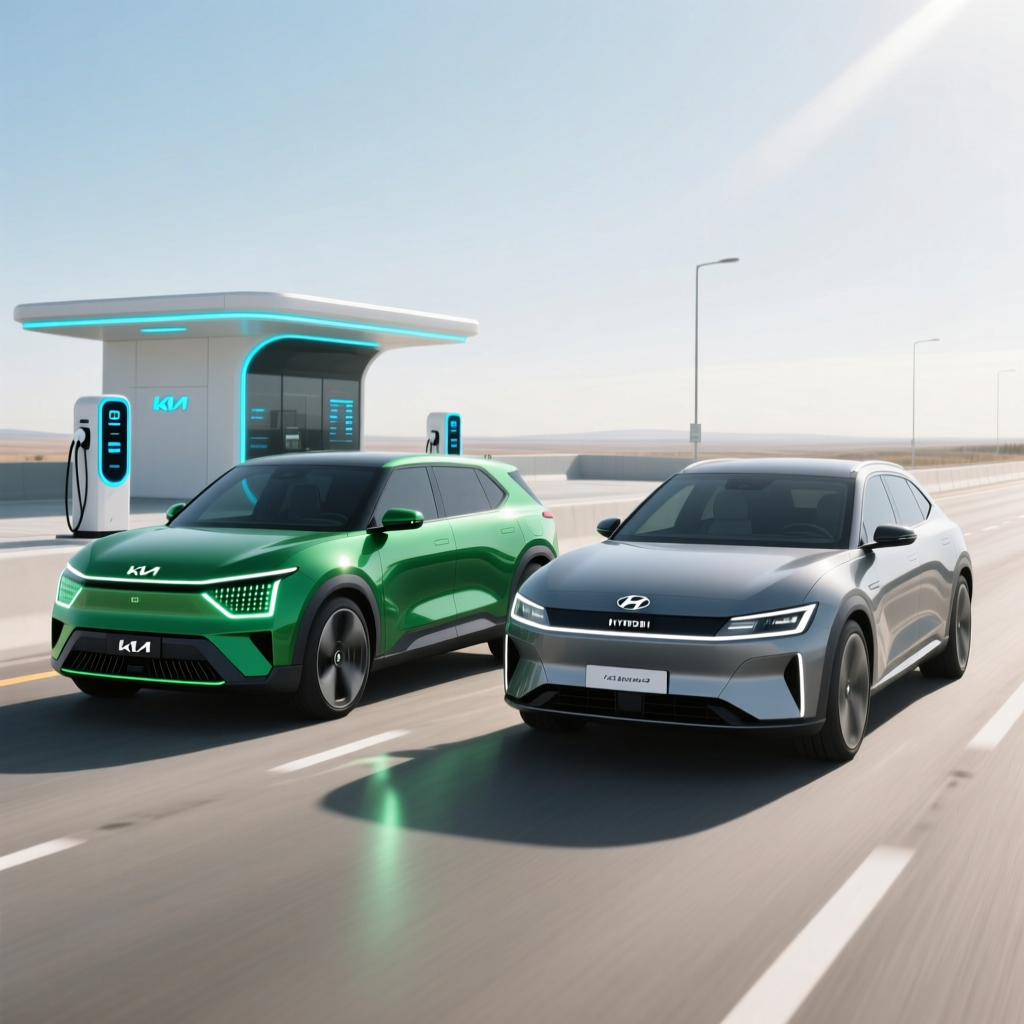
The transition to electric family haulers has officially entered its golden era, and the Hyundai Motor Group is leading the charge with two distinct yet mechanically related heavyweights. If you are shopping for a premium, battery-electric family vehicle, the Kia EV9 and the Hyundai Ioniq 9 are likely at the very top of your list. Both vehicles are built upon the highly acclaimed Electric-Global Modular Platform (E-GMP), sharing underlying battery technology, 800-volt charging architectures, and powertrain configurations. However, their executions, design philosophies, and target demographics could not be more different.
The Kia EV9 embraces a bold, boxy, and rugged aesthetic. It is designed to look like a traditional, capable SUV, maximizing interior volume and offering a utilitarian yet premium experience. It has already secured numerous automotive awards for its striking design and practicality. On the other hand, the Hyundai Ioniq 9 takes a completely different approach, prioritizing aerodynamics, streamlined elegance, and a lounge-like interior atmosphere. Its teardrop silhouette and premium appointments aim to redefine luxury electric travel.
In this comprehensive comparison, we will break down everything you need to know to decide between these two exceptional vehicles. From EPA-estimated range and charging speeds to interior versatility and technology, we will help you determine which three-row EV deserves a spot in your driveway. For a deeper dive into each model individually, be sure to check out our full Kia EV9 review and our comprehensive Hyundai Ioniq 9 review.
Side-by-Side Spec Comparison
Before diving into the nuances of daily driving and ownership, let us look at the core specifications that define these two electric SUVs. Note that specifications reflect the most current long-range, dual-motor AWD configurations unless otherwise noted.
| Feature | Kia EV9 (Land AWD) | Hyundai Ioniq 9 (Limited AWD) |
|---|---|---|
| Starting MSRP (Approx.) | $63,000 | $65,000 |
| Battery Capacity | 100.0 kWh | 110.3 kWh |
| Max EPA-Estimated Range | 282 miles (AWD) / 304 miles (RWD) | 310 miles (AWD) / 335 miles (RWD) |
| Peak DC Fast Charging | 239 kW | 240+ kW |
| 10-80% Charge Time | ~20 minutes | ~20 minutes |
| Horsepower (AWD) | 379 hp | 379 hp |
| Max Towing Capacity | 5,000 lbs | 5,000 lbs |
| Cargo Space (Behind 3rd Row) | 20.2 cu ft | 21.5 cu ft |
| Basic / Battery Warranty | 5 yr/60k mi / 10 yr/100k mi | 5 yr/60k mi / 10 yr/100k mi |
Pricing and Value Proposition
When it comes to pricing, both the Kia EV9 and the Hyundai Ioniq 9 position themselves as premium offerings, competing directly with luxury alternatives from European and American automakers, but at a more accessible price point. The Kia EV9 typically starts with a slightly lower entry price, particularly when looking at the base rear-wheel-drive Light trim, which offers an excellent gateway into large-format electric mobility. As you climb the trim ladder through the Wind, Land, and sporty GT-Line, the EV9 adds premium features like vegan leather upholstery, dual-pane sunroofs, and advanced highway driving assist systems.
The Hyundai Ioniq 9, meanwhile, leans slightly further upmarket. Its trim structure, often culminating in the ultra-premium Calligraphy edition, focuses heavily on luxury materials, advanced acoustic dampening, and exclusive relaxation features. While the Ioniq 9 may command a slight premium over a similarly equipped EV9, it justifies this with a larger standard battery pack in many configurations and a more aerodynamic design that yields better efficiency.
Both vehicles are frequently eligible for various federal, state, and local EV incentives, which can drastically alter the final out-of-pocket cost. Depending on current manufacturing locations and tax credit regulations, buyers might be able to leverage point-of-sale rebates or lease loopholes to bring the price down significantly. When evaluating value, the EV9 wins on pure utility and starting price, while the Ioniq 9 takes the crown for luxury-per-dollar. You can see how they stack up against the competition in our list of the best three-row electric SUVs.
Range, Efficiency, and Battery Options
Range anxiety is a primary concern for any EV buyer, especially those planning family road trips. The Kia EV9 offers a standard-range battery option for budget-conscious buyers, but the 100.0 kWh long-range battery is the sweet spot for most families. According to EPA estimates, the rear-wheel-drive EV9 can achieve up to 304 miles on a single charge. However, opting for the dual-motor all-wheel-drive system reduces that figure to around 282 miles due to the added weight and mechanical drag.
The Hyundai Ioniq 9 benefits from a slightly larger battery pack (up to 110.3 kWh in long-range trims) and, crucially, a vastly superior aerodynamic profile. The Ioniq 9’s teardrop shape, active air flaps, and streamlined roofline allow it to slice through the air with significantly less resistance than the boxy EV9. As a result, the Ioniq 9 pushes past the 300-mile barrier even in AWD configurations, with RWD models edging closer to 335 miles. This aerodynamic advantage means the Ioniq 9 will likely consume less energy per mile at highway speeds, making it the superior choice for frequent cross-country travelers.
Both vehicles feature advanced battery thermal management systems, including heat pumps that preserve cabin heating efficiency in cold weather without severely depleting the battery pack. This ensures that your winter range remains as predictable and reliable as possible.
Charging Speed and Infrastructure
One of the most significant advantages of the E-GMP platform shared by both SUVs is the native 800-volt electrical architecture. While many competitors are still utilizing 400-volt systems, the 800-volt setup allows the EV9 and Ioniq 9 to accept incredibly high charging speeds when connected to a 350-kW DC fast charger.
In optimal conditions, both the Kia EV9 and the Hyundai Ioniq 9 can charge from 10 percent to 80 percent in approximately 18 to 20 minutes. This rapid replenishment transforms the road trip experience; a quick stop for a restroom break and a coffee is all it takes to add over 150 miles of range. Furthermore, both vehicles support Vehicle-to-Load (V2L) functionality. This brilliant feature allows you to use the SUV’s massive battery pack as a mobile power generator, capable of running camping equipment, tailgate appliances, or even providing emergency backup power to your home during an outage.
Regarding charging networks, both Hyundai and Kia have transitioned to adopting the North American Charging Standard (NACS) port for their newest electric vehicles, or provide robust adapter solutions for legacy CCS ports. This grants owners seamless access to the expansive Supercharger network, vastly improving the convenience of long-distance travel compared to older EV models.
Performance and Driving Dynamics
Despite their considerable size and weight, both the EV9 and the Ioniq 9 offer surprisingly brisk acceleration and composed driving dynamics. The dual-motor AWD variants in both lineups produce around 379 horsepower and over 500 lb-ft of torque, enabling 0-60 mph sprints in the low five-second range. For a three-row family hauler, this level of instant electric torque provides effortless highway merging and confident passing power.
Where they diverge is in their suspension tuning and overall ride character. The Kia EV9 is tuned to feel slightly more rugged and planted. It handles corners with minimal body roll for its size and offers a firmer, more engaging ride that appeals to drivers who want their EV to feel like a traditional, capable SUV. The available GT-Line trim even adds sportier styling cues and tweaked dampers for a more dynamic feel.
The Hyundai Ioniq 9, conversely, prioritizes isolation and comfort. Its suspension is calibrated to absorb bumps and imperfections with a plush, cloud-like demeanor. The cabin is heavily insulated against wind and road noise, creating a serene environment that rivals dedicated luxury brands. If your priority is keeping the kids asleep in the third row while cruising over rough pavement, the Ioniq 9’s ride quality is the clear winner. Both vehicles boast a maximum towing capacity of 5,000 pounds when properly equipped, making them capable of pulling small campers or boat trailers.
Interior Space, Comfort, and Cargo
The interior is where the battle for family supremacy is truly won or lost. The Kia EV9’s boxy exterior dimensions translate directly into exceptional headroom and cargo volume. The third row is genuinely usable for adults on shorter trips, and the cargo area behind the third row is deep and square, making it easy to load strollers and groceries. One of the EV9’s most talked-about features is the available swivel second-row seating (where legally permitted), which allows the seats to rotate 180 degrees to face the third row when the vehicle is parked, creating a mobile meeting or lounge space.
The Hyundai Ioniq 9 approaches interior space with a focus on luxury and relaxation. While it shares a similar wheelbase, its sloping roofline slightly compromises rear headroom compared to the Kia. However, Hyundai makes up for this with its "Universal Island" center console, which can slide forward or backward to serve front or second-row passengers, and its Premium Relaxation Seats. These second-row captain's chairs feature dynamic massage functions, zero-gravity reclining angles, and built-in leg rests, turning the second row into a first-class cabin experience.
When it comes to maximum cargo capacity with the second and third rows folded flat, the EV9’s vertical tailgate design gives it a slight edge in total cubic footage, making it the better choice for hauling large, bulky items like furniture or bicycles. For a closer look at how these cabins compare to the rest of the market, explore our rankings of the top-rated electric SUVs.
Technology, Infotainment, and Safety
Both SUVs are equipped with the latest iteration of the group's Connected Car Navigation & Cockpit (ccNC) infotainment system. This features a sweeping dual-screen setup with two 12.3-inch displays housed under a single pane of glass. The software is highly responsive, supports wireless Apple CarPlay and Android Auto, and features over-the-air (OTA) update capabilities that can improve everything from battery management to suspension tuning without a trip to the dealership.
Safety and Advanced Driver Assistance Systems (ADAS) are paramount in family vehicles. Both the EV9 and Ioniq 9 come standard with a comprehensive suite of active safety features, including automatic emergency braking with pedestrian detection, blind-spot collision avoidance, and rear cross-traffic alert. The available Highway Driving Assist 2 (HDA2) system is one of the best in the business, offering highly accurate adaptive cruise control and lane-centering that reduces fatigue on long interstate drives. The Ioniq 9 edges slightly ahead in tech luxury with available digital side mirrors and an advanced augmented reality Head-Up Display (HUD) that projects navigation arrows directly onto the windshield.
Warranty and Ownership Costs
One area where there is no debate—and no difference—is the warranty coverage. Both Kia and Hyundai offer industry-leading protection that provides immense peace of mind for early EV adopters. The basic bumper-to-bumper warranty covers 5 years or 60,000 miles, while the critical electric vehicle components, including the high-voltage battery pack and drive motors, are covered for an outstanding 10 years or 100,000 miles.
This 10-year battery warranty is a massive selling point, alleviating fears of expensive out-of-warranty battery replacements. Additionally, both brands frequently offer complimentary maintenance plans for the first few years of ownership, covering routine inspections, tire rotations, and cabin air filter replacements, keeping your ongoing ownership costs remarkably low compared to internal combustion rivals.
The Verdict: Which Three-Row EV is Right for You?
Choosing between the Kia EV9 and the Hyundai Ioniq 9 ultimately comes down to your lifestyle, aesthetic preferences, and how you plan to use your vehicle. They are both masterclasses in electric vehicle engineering, but they serve slightly different masters.
Choose the Kia EV9 if: You prioritize maximum interior utility, cargo space, and a rugged, traditional SUV aesthetic. The EV9 is the ultimate adventure-ready family hauler. Its boxy design makes loading bulky items a breeze, the available swivel seats offer unique versatility for camping and tailgating, and its slightly firmer suspension tuning makes it feel more planted on winding backroads. It is the pragmatic, highly functional choice that refuses to compromise on bold styling.
Choose the Hyundai Ioniq 9 if: You value aerodynamic efficiency, extended highway range, and a premium, lounge-like luxury experience. The Ioniq 9 is the sophisticated cruiser. Its teardrop shape yields better real-world efficiency at high speeds, and its plush suspension, acoustic dampening, and zero-gravity second-row seats make it the undisputed king of comfortable long-distance travel. It is the ideal choice for buyers who want a luxury EV experience without paying luxury brand premiums.
Frequently Asked Questions (FAQ)
Do the Kia EV9 and Hyundai Ioniq 9 share the same platform?
Yes, both vehicles are built on the Hyundai Motor Group’s Electric-Global Modular Platform (E-GMP). This means they share foundational technology, including their 800-volt electrical architecture, battery cell formats, motor configurations, and core software systems. However, their exterior designs, suspension tuning, interior layouts, and specific battery capacities are uniquely tailored to each brand's distinct identity.
Which SUV has better third-row seating for adults?
The Kia EV9 generally offers a more accommodating third row for adults. Its boxy, upright roofline provides superior headroom, and the square window openings create a less claustrophobic environment for rear passengers. The Ioniq 9’s aerodynamic, sloping roofline slightly compromises third-row headroom and visibility, making it better suited for children or teenagers in the rearmost seats.
Are the EV9 and Ioniq 9 eligible for federal tax credits?
Eligibility for federal EV tax credits depends on current manufacturing locations, battery component sourcing, and MSRP caps, which are subject to legislative changes. Historically, buyers have been able to leverage federal incentives either through point-of-sale rebates (if the vehicles are manufactured in qualifying North American facilities) or through specific leasing programs that pass commercial tax credits onto the consumer. Always consult a tax professional or your local dealership for the most current incentive availability.
How long does it take to charge these SUVs at home?
When using a standard Level 2 home charging station (240 volts, typically 48 amps), both the Kia EV9 and Hyundai Ioniq 9 will take approximately 10 to 12 hours to charge from empty to full. This is perfectly suited for overnight charging, allowing you to wake up to a full battery every morning. Using a standard 120-volt household outlet (Level 1) is not recommended for daily use, as it would take several days to fully replenish the massive battery packs.