Quick Answer: Is Amtrak Electric?
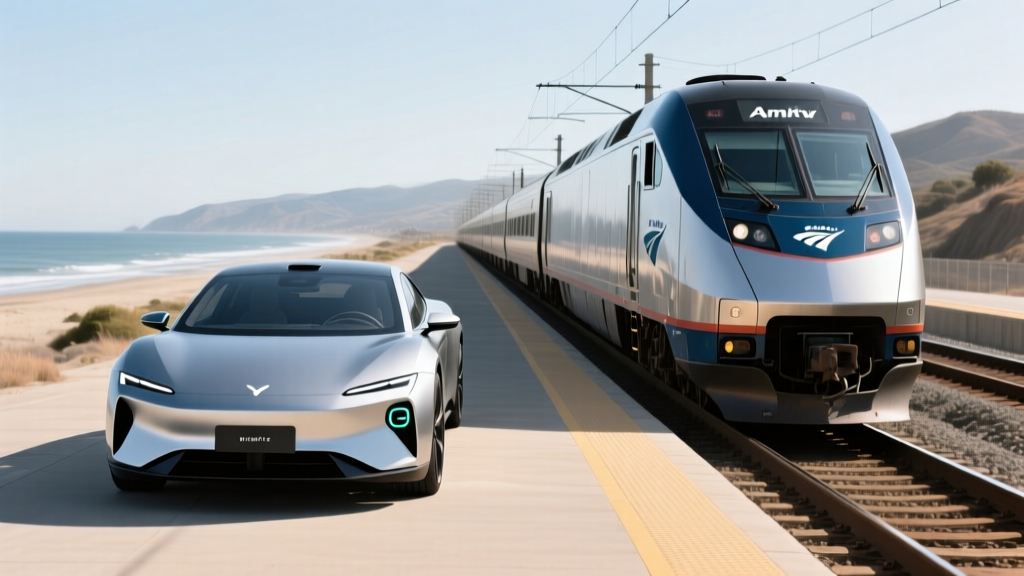
Partially. Amtrak operates a mix of electric, diesel, and diesel-electric trains depending on the route. The Northeast Corridor (Boston–Washington, D.C.) runs on overhead electric catenary wires at 25 kV AC or 12 kV AC. Most long-distance and state-supported routes outside the Northeast rely on diesel locomotives or diesel-electric hybrid powertrains. So if you're asking whether riding Amtrak is like driving an EV — the answer depends entirely on your route.
If you've found yourself searching "is Amtrak electric" while weighing whether to take the train or buy an EV for your next trip, you're not alone. Both options can reduce your carbon footprint compared to flying or driving a gas car, but the economics, convenience, and real-world emissions differ sharply. This guide breaks down exactly which Amtrak routes are electrified, what that means for emissions, and how train travel stacks up against owning a modern EV in 2026 — with hard numbers, not marketing copy.
Which Amtrak Routes Actually Run on Electricity?
Amtrak's electrified network is concentrated in one region. Here's the breakdown:
| Route Category | Power Source | Key Routes | Approx. Track Miles |
|---|---|---|---|
| Electric (catenary) | Overhead wire, grid-powered | Acela, Northeast Regional (Boston–Washington, D.C.), Keystone Service (NYC–Harrisburg) | ~457 miles (Northeast Corridor) |
| Diesel-electric | Onboard diesel engine drives electric traction motors | Capitol Limited, California Zephyr, Empire Builder, Southwest Chief | ~21,000+ route miles |
| State-supported (mixed) | Varies by corridor | Pacific Surfliner (diesel), Amtrak Cascades (diesel), some Midwest routes | Varies |
The Northeast Corridor (NEC) is the only fully electrified segment. Acela express trains draw power from overhead catenary at up to 25 kV AC between New Haven and Boston, and 12 kV AC south of New Haven. The Amtrak NEC infrastructure page details ongoing upgrades. Outside this corridor, Amtrak uses diesel-electric locomotives — similar in concept to a hybrid car's series powertrain, where a diesel engine generates electricity that powers electric traction motors at the wheels.
Amtrak Emissions vs. EV: The Real Numbers
To compare fairly, we need to look at energy consumption and CO₂ per passenger-mile. Let's pit a common Amtrak route against a popular 2026 EV.
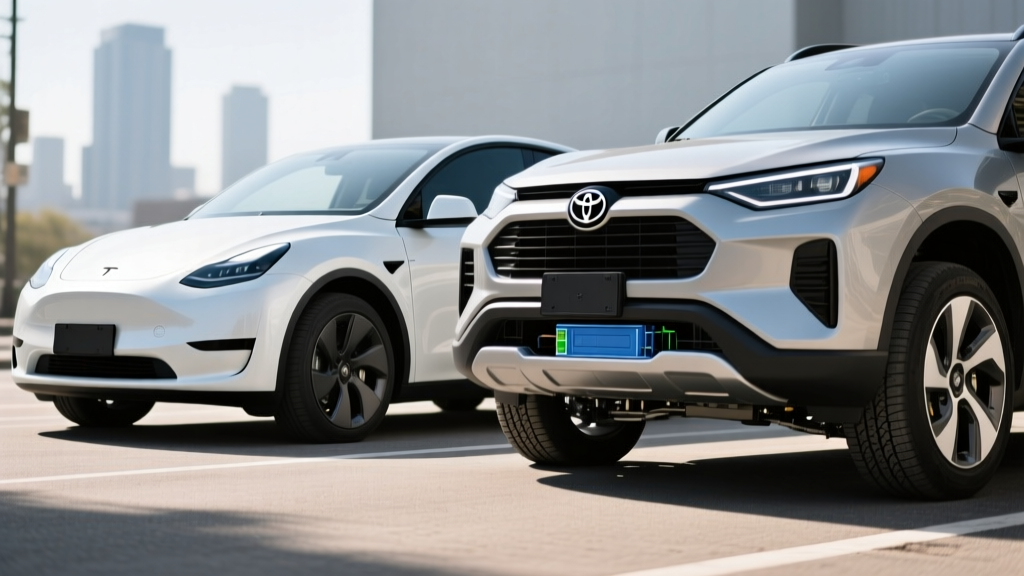
| Metric | Amtrak NEC (Electric) | Amtrak Long-Distance (Diesel) | 2026 Tesla Model Y RWD | 2026 Toyota Camry (Gas) |
|---|---|---|---|---|
| Energy per passenger-mile | ~210 BTU (DOE avg) | ~1,600 BTU (low occupancy) | ~950 BTU equiv (28 kWh/100mi ÷ avg occupancy) | ~2,750 BTU |
| CO₂ per passenger-mile (avg) | ~65 g (NEC grid mix) | ~170 g (diesel, low load factor) | ~95 g (US avg grid) | ~350 g |
| NYC → D.C. cost (one way) | $49–$189 (NE Regional/Acela) | N/A | ~$17 electricity (225 mi × $0.16/kWh ÷ 4 mi/kWh) | ~$32 gas (225 mi ÷ 30 mpg × $4.25/gal) |
| NYC → D.C. time | 2h 45m–3h 20m | N/A | ~4h 30m (driving + one charge stop) | ~4h 15m |
Key takeaway: On the electrified NEC, Amtrak is genuinely low-emission — comparable to or better than a single-occupant EV. But on diesel routes with low ridership, the per-passenger emissions can actually exceed those of an efficient EV carrying two people. The Amtrak sustainability report notes their goal of reducing greenhouse gas emissions, but diesel dominance on long-haul routes remains a reality.
The Real Cost: Amtrak Tickets vs. EV Ownership
Train travel and car ownership answer different needs, but let's put actual dollar figures on the comparison for a frequent Northeast Corridor traveler.
| Annual Cost Category | Amtrak Commuter (2× NYC–DC/month) | 2026 Tesla Model Y RWD | 2026 Toyota Camry LE (Gas) |
|---|---|---|---|
| Purchase / annual ticket spend | $3,360–$4,536 (tickets) | $44,990 MSRP (~$7,500/mo financed) | $29,995 MSRP (~$520/mo financed) |
| Energy (annual) | $0 (included in ticket) | ~$580 (12,000 mi × $0.16/kWh ÷ 4 mi/kWh) | ~$1,700 (12,000 mi ÷ 32 mpg × $4.25/gal) |
| Maintenance | $0 | ~$300 (tire rotation, cabin filter, wipers) | ~$900 (oil, brakes, filters) |
| Insurance | $0 | ~$2,400 (EV premiums run higher) | ~$1,700 |
| Parking / tolls | $0 | ~$1,200 (varies by city) | ~$1,200 |
| Federal tax credit | N/A | Up to $7,500 (§30D, subject to income/MSRP/sourcing rules) | $0 |
| Year 1 total (approx.) | $3,360–$4,536 | ~$12,480 (incl. financing) | ~$10,520 (incl. financing) |
The math is clear: if your travel needs are limited to a corridor with good rail service, Amtrak is dramatically cheaper than buying any car. But a car serves daily needs — commuting, groceries, road trips — that a train ticket can't cover. The real decision is whether you need a vehicle at all, or whether a combination of rail + occasional car rental or ride-hail works for your life.
What First-Time EV Buyers Should Know (If You're Ditching the Train Idea)
If you've decided that Amtrak alone won't meet your transportation needs and you're shopping for an EV, here are the non-negotiable facts that separate a good ownership experience from a frustrating one:
Home Charging Is the Make-or-Break Factor
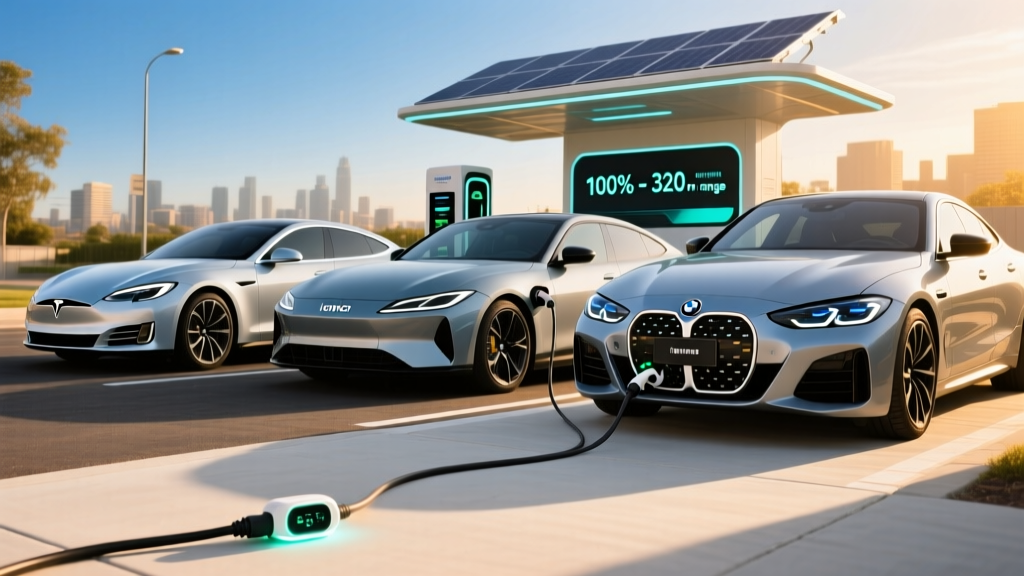
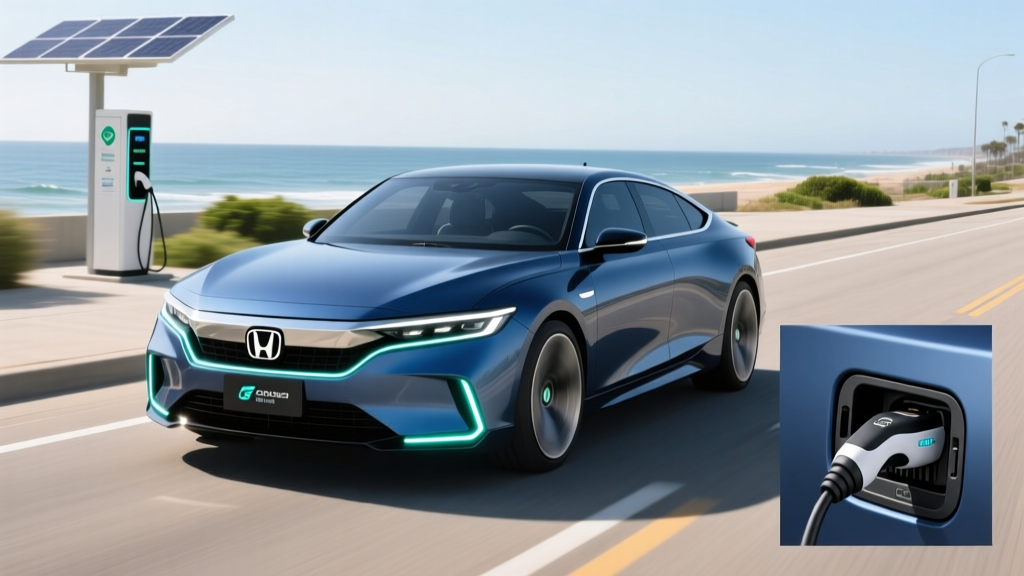
Over 80% of EV charging happens at home. A Level 2 home charger (240V, typically 7.7–11.5 kW) adds 25–44 miles of range per hour of charging — enough to replenish a full day's driving overnight. Without home charging access, you're dependent on public DC fast chargers, which cost 2–4× more per kWh and require time you may not have. If you live in an apartment without charging infrastructure, a PHEV like the 2026 Toyota RAV4 Prime (42 miles EPA electric-only range, 94 MPGe combined) might be a smarter bridge.
Real-World Range Is Not the EPA Sticker
The EPA range estimate is a laboratory average. In practice:
- Highway driving at 75 mph: expect 85–90% of EPA range
- Cold weather (below 30°F): expect 65–80% of EPA range, depending on whether the vehicle has a heat pump
- DC fast charging taper: the advertised "10–80% in 18 minutes" peak rate drops sharply above 80% SoC — never plan a trip assuming peak kW sustained to full
§30D Federal Tax Credit: Not Automatic
The IRS §30D credit offers up to $7,500 for new EVs, but eligibility hinges on:
- MSRP caps: $80,000 for SUVs/pickups/vans; $55,000 for sedans
- Buyer income limits: $150K single / $300K joint AGI
- Battery sourcing: critical minerals and battery components must meet phased-in domestic/free-trade thresholds
- Point-of-sale transfer: you can apply the credit as a down-payment reduction at the dealer, but you must file IRS Form 8936 to confirm eligibility
Always verify current-year rules with a tax professional — sourcing requirements tighten annually.
Common Misconceptions: Myth vs. Fact
| Myth | Fact |
|---|---|
| "Amtrak is fully electric." | Only the Northeast Corridor (Boston–D.C.) and the Keystone Service use overhead electric wires. Most of Amtrak's 21,000+ route miles are diesel-powered. |
| "Electric trains mean zero emissions." | Electric trains are only as clean as the grid powering them. The NEC draws from a mix that includes natural gas, nuclear, and renewables — low-emission, but not zero. |
| "EVs are always greener than trains." | On electrified rail with high ridership, trains win per-passenger-mile. An EV with one occupant on a coal-heavy grid can emit more CO₂ per mile than a packed electric train. |
| "I can't take an EV on a road trip." | A 2026 Hyundai Ioniq 5 (318 mi EPA range, 10–80% DC charge in ~18 min at 240 kW peak) handles cross-country trips with planned 20-minute stops every 200–250 miles. |
| "EV batteries need replacing every few years." | Modern NMC and LFP batteries retain 90%+ capacity after 100,000 miles. Federal law mandates an 8-year/100,000-mile battery warranty (10 years/150,000 miles in CARB states). |
Decision Framework: Should You Ride, Buy, or Both?
Use This to Decide
- Choose Amtrak if: You travel primarily along the NEC or other well-served corridors 1–4 times per month, don't need a car daily, and want the lowest cost and emissions per trip.
- Choose a BEV (battery-electric vehicle) if: You have home charging access (garage or driveway with 240V capability), drive 20+ miles daily, take road trips 3+ times per year, and want the lowest per-mile operating cost of any personal vehicle.
- Choose a PHEV if: You lack reliable home charging, frequently drive in rural areas or charging deserts, but still want electric-only commuting for short daily trips (the 2026 RAV4 Prime covers 42 mi on electricity alone before the gas engine kicks in).
- Choose Amtrak + car rental if: You live car-free in a city with good transit and only need wheels for weekend trips or vacations. A round-trip Amtrak ticket plus a Hertz EV rental at your destination often beats car ownership costs by thousands annually.
Real-World Ownership Considerations Beyond the Spec Sheet
Whether you're weighing trains or EVs, these practical factors determine satisfaction:
Climate matters. If you live in northern Minnesota or upstate New York, EV range drops 20–35% in sustained sub-freezing temps. Vehicles with heat pumps (standard on the 2026 Ioniq 5, Tesla Model Y, and BMW i4) recover some of that loss by heating the cabin more efficiently than resistive heaters.
Charging deserts are real. The I-10 corridor through West Texas, rural stretches of I-90 in Montana, and parts of the rural South still have sparse DC fast-charger coverage. If your routes regularly cross these areas, a PHEV or a BEV with 320+ miles of EPA range provides a safety margin.
Insurance costs more for EVs. Average EV insurance premiums run 15–25% higher than comparable gas vehicles, driven by higher repair costs for battery packs and specialized bodywork. Get quotes before buying — a Model Y might cost $2,400/year to insure vs. $1,700 for a gas Camry.
Amtrak reliability varies. NEC electric trains run on-time at roughly 80–85%, while long-distance diesel trains sharing freight-owned tracks can see on-time rates below 50%. Factor delay risk into any time-sensitive travel plan.
Frequently Asked Questions
Are Amtrak Acela trains electric?
Yes. The Acela Express runs entirely on overhead electric catenary wires along the Northeast Corridor between Boston South Station and Washington Union Station, drawing power at 25 kV AC (north of New Haven) and 12 kV AC (south of New Haven). Acela trains reach speeds up to 150 mph on electrified segments.
Does Amtrak use diesel on cross-country routes?
Yes. Routes like the California Zephyr (Chicago–Emeryville), Empire Builder (Chicago–Seattle/Portland), and Southwest Chief (Chicago–Los Angeles) use diesel-electric locomotives. These burn diesel fuel to generate electricity onboard, which powers electric traction motors — similar in concept to a series-hybrid powertrain.
Is taking Amtrak greener than driving an EV?
On electrified routes with high ridership, yes — Amtrak's NEC trains emit roughly 65 g CO₂ per passenger-mile vs. ~95 g for a single-occupant EV on the US average grid. On diesel routes with low occupancy, an efficient EV carrying two passengers typically produces fewer emissions per person.
Can I bring my EV on an Amtrak train?
No. Amtrak does not offer vehicle transport on any route (the Auto Train, which carries vehicles, runs between Lorton, VA and Sanford, FL, and accepts gas, hybrid, and electric vehicles, but this is a specialized service). You would need to drive your EV separately or arrange shipping.
What's the cheapest way to travel the Northeast Corridor?
For solo travelers, Amtrak Northeast Regional coach fares ($49–$89 one-way NYC–DC booked in advance) typically beat driving when you factor in gas (~$32), tolls (~$25–$45), and parking in D.C. ($25–$40/day). For families of 3+, driving an EV at ~$17 in electricity becomes the cheaper option per trip.