Quick Answer: Which EV Vehicle Manufacturers Lead in 2026?
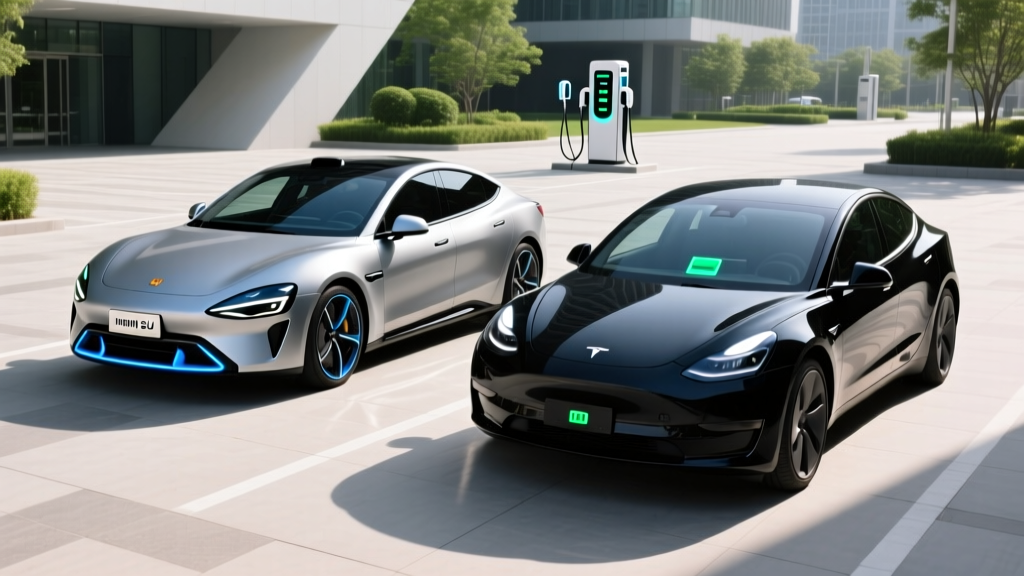
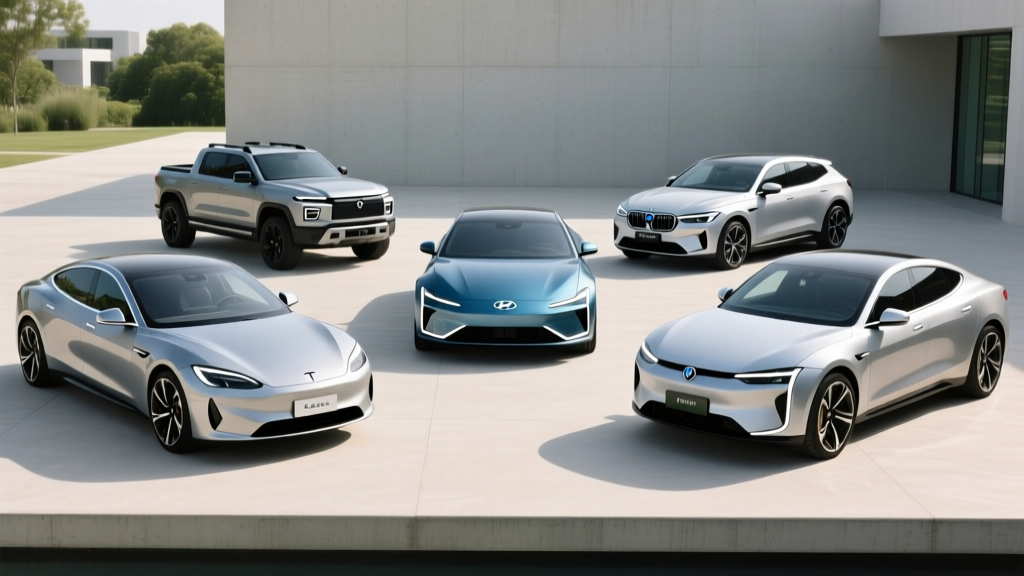
The major EV vehicle manufacturers selling in the U.S. in 2026 include Tesla, Hyundai/Kia, Ford, General Motors (Chevrolet/Cadillac), BMW, Volkswagen, Rivian, and Subaru. The best brand for you depends on your priorities: Tesla leads in charging infrastructure and efficiency; Hyundai/Kia offers the broadest lineup with 800V fast-charging; GM delivers strong value with the Equinox EV starting near $33,000; and Rivian dominates the electric adventure-truck segment. Most buyers should prioritize home charging access, real-world range in their climate, and §30D federal tax credit eligibility over peak spec-sheet numbers.
The EV Manufacturer Landscape in 2026
The electric vehicle market has matured considerably. Legacy automakers now match or exceed Tesla in specific categories — build quality, interior materials, ride comfort — while Tesla retains advantages in charging network access and software integration. Meanwhile, Chinese EV vehicle manufacturers like BYD have reshaped global competition, pushing Western brands to accelerate price reductions and battery innovation.
For U.S. buyers, the practical question isn't which brand is "best" overall — it's which manufacturer's strengths align with your driving patterns, budget, and charging situation. Below, we break down the key players with real numbers.
Side-by-Side: Top EV Vehicle Manufacturers by the Numbers
This table compares the most popular 2026 models from major EV vehicle manufacturers. All figures are EPA-rated unless noted. Prices reflect base MSRP before any incentives.
| Manufacturer | Model (2026) | Battery (kWh) | EPA Range | Peak DC Charge | 10–80% Time | 0–60 mph | Base MSRP |
|---|---|---|---|---|---|---|---|
| Tesla | Model Y Long Range | 78 kWh (NMC) | 320 mi | 250 kW | ~22 min | 4.8 sec | $44,990 |
| Hyundai | Ioniq 5 Limited | 84 kWh (NMC) | 305 mi | 240 kW (800V) | ~18 min | 5.0 sec | $48,300 |
| Kia | EV6 GT-Line | 84 kWh (NMC) | 295 mi | 240 kW (800V) | ~18 min | 5.1 sec | $47,500 |
| Chevrolet | Equinox EV 3RS | 85 kWh (NMC) | 319 mi | 150 kW | ~30 min | 6.2 sec | $33,900 |
| Ford | Mustang Mach-E Premium | 91 kWh (NMC) | 312 mi | 150 kW | ~34 min | 5.2 sec | $44,995 |
| Volkswagen | ID.4 Pro S | 82 kWh (NMC) | 275 mi | 170 kW | ~29 min | 6.7 sec | $41,995 |
| BMW | iX xDrive50 | 105 kWh (NMC) | 324 mi | 200 kW | ~31 min | 4.4 sec | $87,250 |
| Rivian | R1S Dual-Motor | 149 kWh (NMC) | 371 mi | 200 kW | ~42 min | 4.5 sec | $79,900 |
| Subaru | Solterra Limited | 72.8 kWh (NMC) | 227 mi | 100 kW | ~56 min | 6.5 sec | $44,995 |
Sources: fueleconomy.gov, manufacturer press sites. Real-world range on highway trips at 75 mph typically drops 10–15% below EPA; cold weather (below 32°F) can reduce range an additional 20–30%.
Real Costs: EV vs Gas vs Hybrid
The sticker price is only part of the equation. Here's a five-year total cost of ownership comparison using a Chevrolet Equinox EV ($33,900), a Toyota RAV4 Hybrid ($32,500), and a Toyota RAV4 gas model ($29,500). Assumes 15,000 miles/year, $3.40/gallon gas, $0.14/kWh home electricity, and 70% home / 30% public charging mix for the EV.
| Cost Category | Equinox EV (after §30D credit) | RAV4 Hybrid | RAV4 Gas |
|---|---|---|---|
| Purchase Price (net) | $26,400 (after ~$7,500 credit) | $32,500 | $29,500 |
| Fuel/Energy (5 yr) | $4,725 | $6,375 | $8,925 |
| Maintenance (5 yr) | $1,200 | $2,800 | $3,400 |
| Insurance (5 yr avg) | $9,500 | $7,800 | $7,800 |
| Depreciation (est.) | $11,000 | $10,500 | $12,000 |
| 5-Year Total | $52,825 | $59,975 | $61,625 |
The EV wins on total cost largely due to the federal tax credit and lower fuel/maintenance costs. However, EV insurance premiums remain 15–25% higher on average, and this gap varies by state and provider. If you don't qualify for the §30D credit (income caps, MSRP caps, or battery-sourcing requirements), the math shifts significantly. Always check current IRS §30D rules before purchasing.
Charging Reality: What Each Manufacturer Actually Delivers
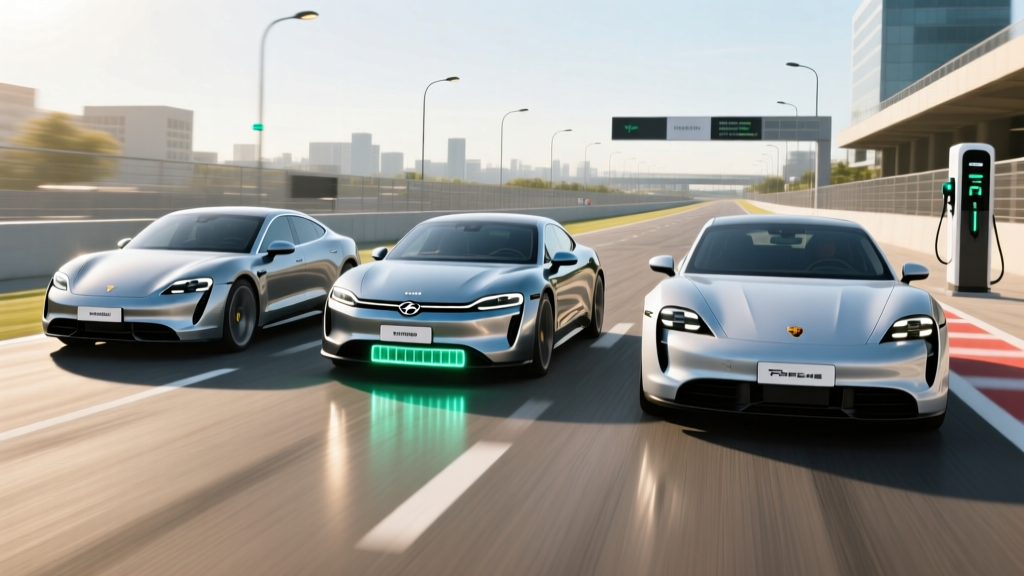
Peak DC fast-charging rates (in kW) are headline numbers, but the charge curve — how long the vehicle sustains peak power before tapering — matters more for real road trips. Here's how the major EV vehicle manufacturers compare in practice:
| Manufacturer | Peak kW | Sustained kW (10–60%) | 10–80% Actual | Charging Architecture |
|---|---|---|---|---|
| Hyundai/Kia (E-GMP) | 240 kW | ~190 kW | ~18 min | 800V |
| Tesla (Model Y) | 250 kW | ~170 kW | ~22 min | 400V |
| GM (Ultium) | 150 kW | ~120 kW | ~30 min | 400V |
| Ford (Mach-E) | 150 kW | ~115 kW | ~34 min | 400V |
| VW (MEB) | 170 kW | ~130 kW | ~29 min | 400V |
Key insight: Hyundai and Kia's 800-volt architecture sustains higher charging power longer, making them genuinely faster on road trips despite similar peak numbers to Tesla. GM and Ford's lower sustained rates mean 30+ minute stops on longer drives — plan accordingly.
Also note: all major manufacturers now use or are transitioning to the NACS (Tesla) connector for DC fast charging in North America. Ford, GM, Rivian, and Volvo/Polestar have adopted NACS, while Hyundai/Kia and VW still use CCS1 but have announced NACS adoption for upcoming model years. Verify connector compatibility with your preferred public charging network.
Home Charging Access: The Make-or-Break Factor
No matter which EV vehicle manufacturer you choose, your ownership experience hinges on charging access. Here's the hierarchy:
- Level 1 (120V, ~1.4 kW): Adds 3–5 miles of range per hour. Fine for PHEVs or EVs driven under 30 miles/day. Not practical as primary charging for most BEV owners.
- Level 2 (240V, 7.7–11.5 kW): Adds 25–44 miles per hour. A full overnight charge for any current EV. Requires a 40–60 amp dedicated circuit. Installation costs $800–$2,500 depending on panel capacity and run length.
- DC Fast Charging only: If you lack home or workplace Level 2 access, relying exclusively on public DC fast chargers costs 2–3× more per mile ($0.35–$0.55/kWh vs $0.12–$0.16/kWh at home) and accelerates battery degradation slightly over time.
Before buying, get a quote from a licensed electrician for Level 2 installation. If your home has a 100-amp panel, you may need a $1,500–$3,000 panel upgrade to support a 48-amp EV charger alongside existing loads.
Federal Tax Credit: Who Qualifies in 2026?
The §30D Clean Vehicle Credit offers up to $7,500, but eligibility is narrow. Here's the 2026 checklist:
- Income caps: Modified AGI ≤ $150,000 (single), $225,000 (head of household), $300,000 (joint)
- MSRP caps: ≤ $55,000 for sedans/wagons; ≤ $80,000 for SUVs, pickups, vans
- Battery sourcing: Required percentages of critical minerals and battery components must be sourced from the U.S. or free-trade-agreement partners — this eliminates several models
- Assembly: Final assembly must occur in North America
- Point-of-sale transfer: You can transfer the credit to the dealer for an upfront price reduction (new in 2024, continues in 2026)
- One credit per VIN, one vehicle per taxpayer per year
Critical: battery-sourcing requirements tighten annually. Models that qualified in 2024 may not qualify in 2026. Always verify current eligibility at fueleconomy.gov and consult a tax professional for your specific situation.
EV Manufacturer Decision Framework
Choose Your Manufacturer Based on Your Situation
- If you road-trip frequently and need the fastest charging: Hyundai Ioniq 5 or Kia EV6 — 800V architecture delivers the fastest real-world 10–80% times (~18 min).
- If you want the best charging network access: Tesla Model Y — the Supercharger network remains the most reliable and widespread DC fast-charging infrastructure, though NACS adoption by other brands is closing this gap.
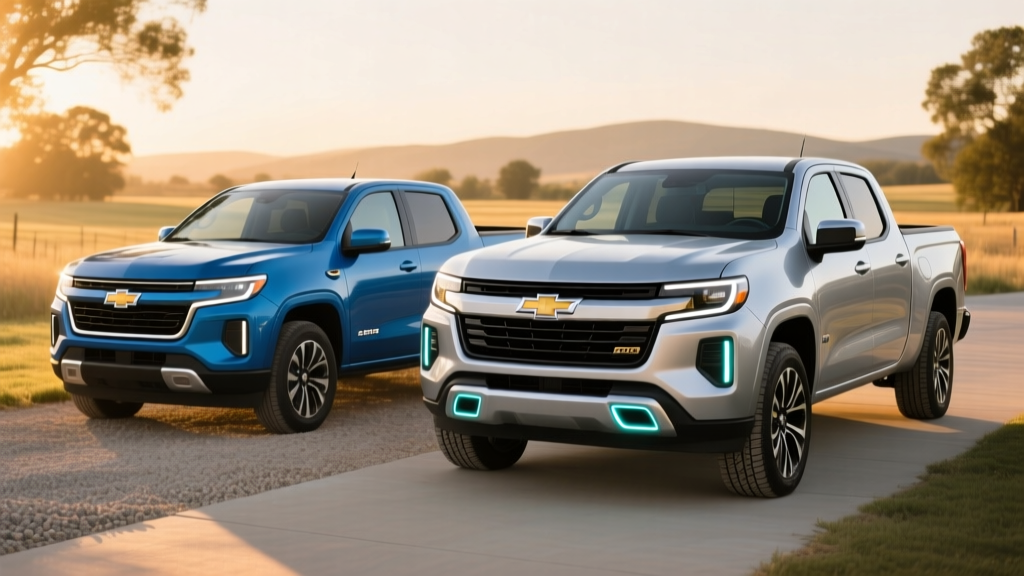
- If budget is your top priority and you qualify for §30D: Chevrolet Equinox EV — $33,900 MSRP, potentially $26,400 after credit, with 319 miles of EPA range.
- If you need three rows and off-road capability: Rivian R1S — 371 miles of range, genuine off-road chops, but $79,900 starting price puts it above the §30D SUV cap for many trims.
- If you want a luxury EV with premium materials: BMW iX — excellent ride quality, 324-mile range, but at $87,250+ it exceeds the MSRP cap for the federal credit entirely.
- If you live in a cold climate and prioritize range retention: Tesla and Hyundai — both use heat pumps and aggressive battery preconditioning to minimize cold-weather range loss (typically 15–20% vs 30%+ for less sophisticated thermal management).
- If you're not ready for full EV and lack home charging: Consider a PHEV like the Toyota RAV4 Prime (42 miles electric-only, 38 MPG combined) — it bridges the gap without range anxiety.
Common Misconceptions About EV Manufacturers
| Myth | Fact |
|---|---|
| "Tesla is the only EV manufacturer that matters." | Tesla leads in charging infrastructure, but Hyundai/Kia charges faster, GM undercuts on price, and BMW outclasses in luxury. The market is genuinely competitive in 2026. |
| "All EVs lose 50% of range in winter." | Cold-weather loss varies. EVs with heat pumps and battery preconditioning (Tesla, Hyundai, BMW) typically lose 15–25% at 20°F. Older or less sophisticated thermal systems can lose 30–40%. |
| "EV batteries need replacement after 5 years." | Data from NHTSA and long-term fleet studies show most NMC batteries retain 85–92% capacity at 100,000 miles. All major manufacturers warrant batteries for 8 years/100,000 miles with a 70% capacity retention threshold. |
| "You can't take an EV on a road trip." | With 250+ miles of range and DC fast-charging infrastructure along major interstate corridors, road trips are practical — they just require 20–30 minute stops every 2.5–3 hours. Apps like A Better Routeplanner optimize this. |
| "EVs are always cheaper to own." | Not always. Higher insurance premiums, potential home charger installation costs ($800–$2,500), and higher upfront prices (without tax credits) can negate fuel savings for low-mileage drivers. Run the numbers for your situation. |
What First-Time EV Buyers Should Know
1. Range numbers are optimistic for highway driving. The EPA test cycle includes significant city/low-speed driving where EVs are most efficient. At sustained 75 mph, expect 85–90% of EPA range in mild weather, and 65–75% in freezing temperatures with the heater running.
2. Charging speed matters more than battery size for road trips. A 78 kWh battery that charges at 250 kW (Tesla) gets you back on the road faster than a 105 kWh battery limited to 150 kW. Focus on the 10–80% time, not just total range.
3. Your daily driving pattern determines the right battery size. If you drive 40 miles round-trip with home charging, a 250-mile-range EV is more than sufficient. Don't pay a $10,000 premium for 350+ miles of range you'll never use — that money goes toward a larger, heavier battery that reduces efficiency.
4. Preconditioning is essential for fast charging. All major EV vehicle manufacturers now include battery preconditioning — the car warms the battery to optimal temperature before you arrive at a DC fast charger. If you navigate to a charger in the car's built-in nav (not your phone), preconditioning activates automatically. Skipping this can cut your peak charge rate by 30–50% in cold weather.
5. Verify the charger connector before you buy. As manufacturers transition from CCS1 to NACS, some 2025–2026 models ship with adapters, while others have native NACS ports. Confirm what's included and what networks are accessible in your area.
Frequently Asked Questions
Which EV vehicle manufacturer has the best battery warranty?
All major manufacturers selling in the U.S. are required to provide a minimum 8-year/100,000-mile battery warranty under federal emissions-related mandates, covering defects and capacity loss below 70%. Hyundai and Kia stand out with a 10-year/100,000-mile powertrain warranty that includes the battery system. Rivian offers 8 years/175,000 miles for its battery pack — the longest mileage coverage in the segment.
Are Tesla vehicles still the most efficient?
Tesla remains near the top in energy efficiency (measured in Wh/mile), but the gap has narrowed significantly. The Model Y achieves roughly 260 Wh/mi, while the Hyundai Ioniq 5 AWD runs about 290 Wh/mi. The BMW iX, despite its luxury weight, manages around 310 Wh/mi. The efficiency leader among mainstream EVs is actually the Hyundai Ioniq 6 (not listed above), which achieves approximately 240 Wh/mi thanks to its aerodynamic sedan design.
Do I need to worry about EV vehicle manufacturers going out of business?
The major legacy automakers (GM, Ford, Hyundai, VW, BMW) and Tesla carry minimal bankruptcy risk. Startups like Rivian and Lucid carry more financial risk, though Rivian's partnership with Volkswagen (a $5.8 billion investment through 2024–2026) has significantly strengthened its balance sheet. If you buy from a smaller manufacturer, consider the long-term service and parts availability implications.
Can I charge a non-Tesla EV at a Supercharger?
Yes — as of 2026, Tesla has opened many Supercharger stalls to non-Tesla vehicles equipped with the NACS connector. Ford, GM, Rivian, and Volvo vehicles with native NACS ports or approved adapters can access Tesla's network. CCS1-equipped vehicles (current Hyundai/Kia, VW) require a third-party adapter, and access may be limited to specific stalls. Always check the Tesla app or in-vehicle navigation for real-time stall availability.
What's the cheapest EV from a major manufacturer in 2026?
The Chevrolet Equinox EV starts at $33,900, making it the most affordable long-range (300+ mile) EV from a major manufacturer. If you qualify for the full $7,500 §30D credit via point-of-sale transfer, the effective price drops to approximately $26,400 — competitive with a well-equipped gas compact SUV. The Nissan Leaf S starts lower at ~$28,500, but its 149-mile EPA range and CHAdeMO connector (being phased out) limit its practicality for most buyers.