Quick Answer: Are Electric Rail Cars Right for You?
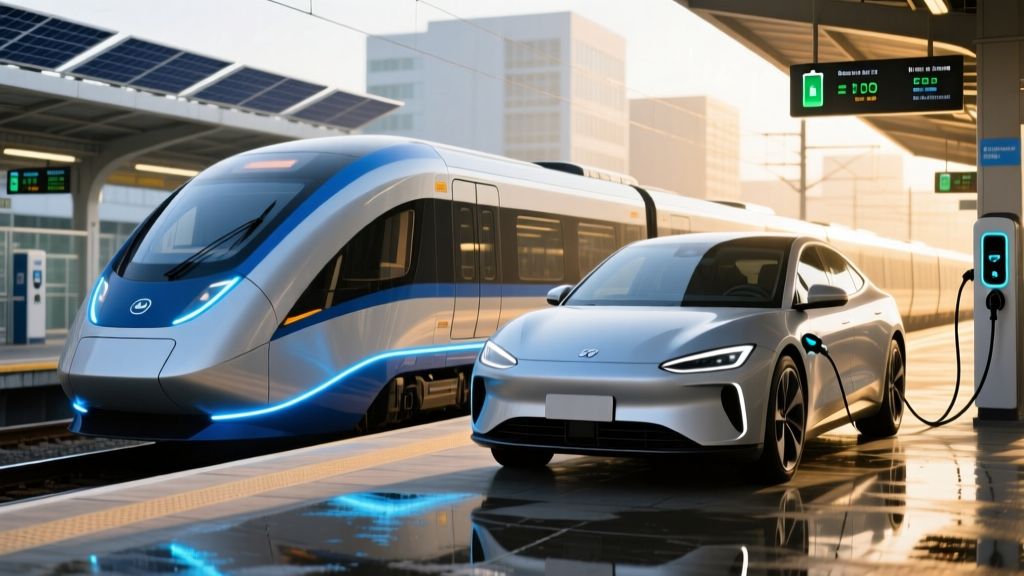
Electric rail cars — light rail, commuter trains, and streetcars powered by overhead wires or third rails — move millions daily in cities like NYC, DC, and Chicago. But if you're reading this on an auto site, you likely mean electric vehicles (EVs) for personal use. Here's the practical split:
- Electric rail cars excel in dense urban cores with dedicated infrastructure. Zero personal charging needed, but limited to fixed routes.
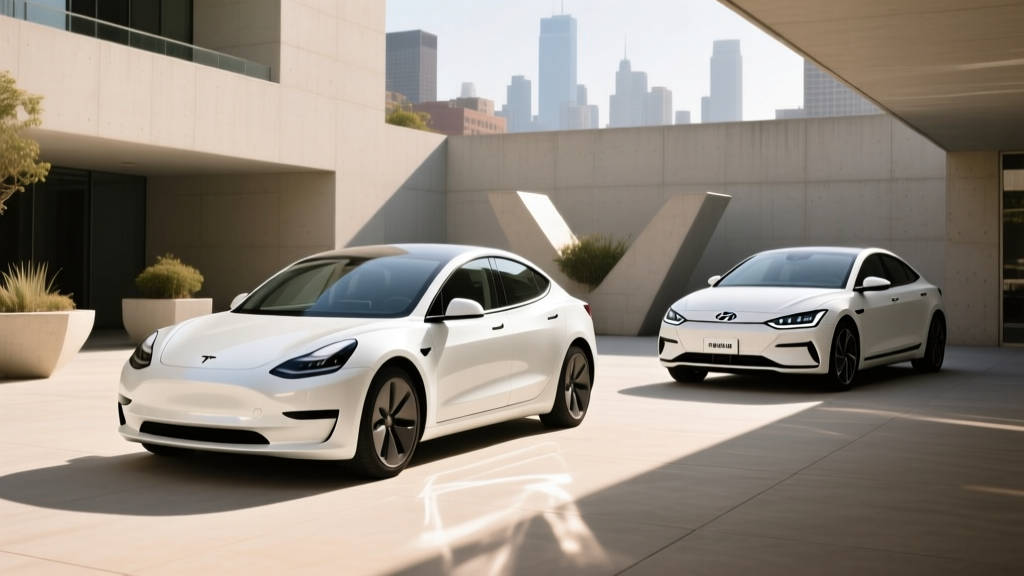
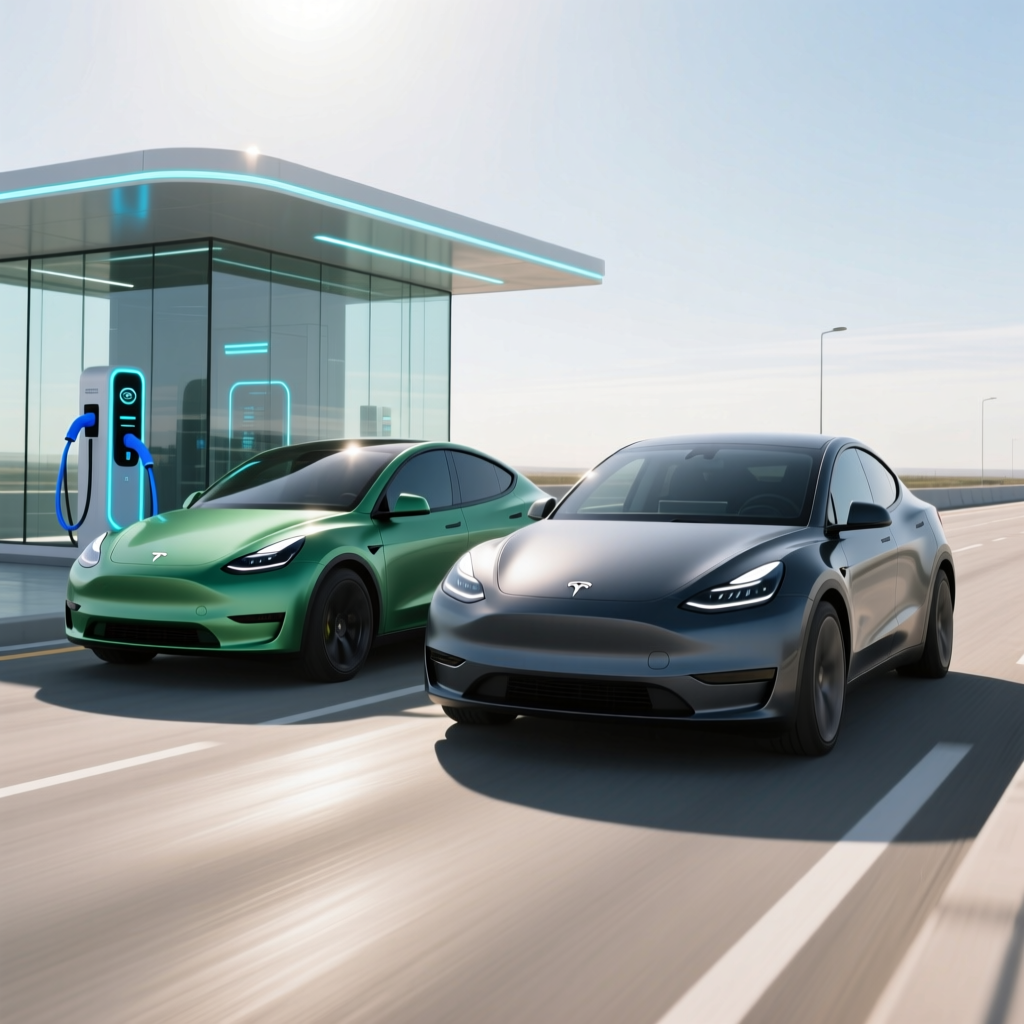
- Personal EVs (like the 2026 Tesla Model 3 Long Range, EPA 341 miles, $42,490 MSRP) offer door-to-door flexibility, home charging, and federal tax credits up to $7,500 under IRS §30D rules.
If you commute 20+ miles daily in a city with reliable rail, transit may beat EV ownership on cost. If you need flexibility, cargo space, or live outside transit corridors, an EV is your move.
Electric Rail Cars vs EVs: The Commuter Cost Showdown
Let's compare annual costs for a 40-mile round-trip commute, 250 workdays/year (10,000 miles). We'll pit a typical urban rail pass against a 2026 EV like the Hyundai Ioniq 6 SE (EPA 361 miles, 77.4 kWh battery, $42,000 MSRP).
| Category | Electric Rail (Monthly Pass) | 2026 Hyundai Ioniq 6 SE | 2026 Toyota Camry LE (Gas Baseline) |
|---|---|---|---|
| Annual Fuel/Energy | $1,560 ($130/mo pass) | $450 (home charging @ $0.15/kWh, 3.5 mi/kWh) | $1,650 (32 MPG combined @ $3.50/gal) |
| Maintenance | $0 | $300 (tire rotation, cabin filter) | $800 (oil, filters, brakes) |
| Insurance (avg) | $0 | $1,800 | $1,500 |
| Depreciation (5-yr avg) | $0 | $4,200/yr | $3,000/yr |
| Total Year 1 Cost | $1,560 | $6,750 | $6,950 |
Key insight: Rail wins on pure commute cost if your city has robust service. But EVs close the gap when you factor in non-commute driving (errands, weekends, trips). The Ioniq 6's $450 annual energy cost assumes 80% home Level 2 charging — public DC fast charging at $0.40/kWh would double that figure.
Real-World EV Ownership: What Transit Can't Teach You
If you've only ridden electric rail cars, personal EV ownership introduces variables transit agencies handle for you:
Home Charging Access
Level 2 home charging (240V, 40-amp circuit) adds ~30 miles of range per hour. Installation costs $800-$2,500 depending on panel upgrades. Renters or condo dwellers without dedicated parking face a real barrier — public charging costs 2-3x more than home rates.
Cold-Weather Range Loss
Lithium-ion batteries lose 20-30% range at 20°F. The Ioniq 6's EPA 361 miles drops to ~260 miles in winter highway driving. Heat pumps (standard on most 2026 EVs) recover 5-10% of that loss by scavenging waste heat.
Charging Time vs Refueling
Gas cars refuel in 5 minutes. EV DC fast charging (150-250 kW peak) takes 18-25 minutes for 10-80% — but only if you precondition the battery and find a working charger. Real-world reliability on networks like Electrify America hovers around 85-90% uptime.
EV vs Gas vs Hybrid: 2026 Data Comparison
| Vehicle | EPA Range/MPG | 0-60 mph | Base MSRP | Fed Tax Credit | 5-Yr Fuel Cost |
|---|---|---|---|---|---|
| 2026 Tesla Model 3 LR | 341 mi | 5.8 sec | $42,490 | $7,500 (if eligible) | $2,250 |
| 2026 Hyundai Ioniq 6 SE | 361 mi | 6.8 sec | $42,000 | $7,500 (if eligible) | $2,250 |
| 2026 Toyota Camry Hybrid LE | 52 MPG combined | 7.2 sec | $30,000 | $0 | $5,500 |
| 2026 Toyota Camry LE (Gas) | 32 MPG combined | 7.6 sec | $28,000 | $0 | $8,250 |
Source: EPA fueleconomy.gov, manufacturer spec sheets. Tax credit eligibility per IRS §30D rules — income caps ($150k single/$300k joint), MSRP caps ($55k cars/$80k SUVs), and battery sourcing requirements apply.
Decision Framework: Should You Buy an EV or Rely on Electric Rail?
Choose electric rail/transit if:
- You live within 0.5 miles of a station with 10+ minute frequency
- Your commute is under 30 miles one-way
- You lack home charging access (apartment/street parking)
- You want zero maintenance responsibility
Choose a personal EV if:
- You drive 15,000+ miles/year (commute + personal)
- You have home Level 2 charging or reliable workplace charging
- You need cargo/passenger flexibility (kids, gear, pets)
- You qualify for the $7,500 federal tax credit (check income + MSRP caps)
- You live in a state with EV incentives (CA, CO, NY offer $1,000-$5,000 rebates)
Choose a hybrid (HEV/PHEV) if:
- You lack reliable charging access but want better MPG
- You take frequent 400+ mile road trips (charging deserts still exist in rural areas)
- Your budget is under $30,000
Common EV Misconceptions vs Facts
| Myth | Fact |
|---|---|
| "EVs have worse range than gas cars" | 2026 EVs average 280-350 miles EPA. Gas cars average 350-450 miles per tank. Real-world highway driving reduces both by 10-15%. |
| "EV batteries need replacement every 5 years" | Federal law mandates 8-year/100,000-mile battery warranties. Real-world data shows 10-15% degradation at 150,000 miles for NMC chemistry; LFP batteries degrade slower. |
| "Public charging is always broken" | Tesla Supercharger network: 99% uptime. Non-Tesla networks: 85-90% uptime. Apps like PlugShare show real-time status. NACS adoption (2025+) is improving reliability. |
| "EVs are slower than gas cars" | 2026 Tesla Model 3 Performance: 0-60 in 2.9 sec. Even base EVs (Ioniq 6 SE, 6.8 sec) match or beat gas counterparts due to instant torque. |
First-Time EV Buyer Checklist
- Verify home charging feasibility: Get an electrician quote for Level 2 install. Panel upgrade? Add $1,500-$3,000.
- Check §30D eligibility: Use the IRS VIN lookup tool to confirm battery sourcing compliance. Point-of-sale transfer available at participating dealers.
- Test cold-weather range: If you live in sub-30°F climates, budget 20% range loss. Preconditioning (warming battery while plugged in) mitigates this.
- Compare insurance quotes: EVs cost 10-20% more to insure due to repair costs. Shop Geico, Progressive, and EV-specific insurers.
- Plan road trips: Use A Better Routeplanner to map charging stops. Budget 20-30 minutes per stop, 2-3 stops per 500 miles.
FAQ: Electric Rail Cars and EV Ownership
Can I use electric rail cars and an EV together?
Yes. Many commuters take rail for daily work trips (avoiding parking costs) and use an EV for weekends, errands, and longer trips. This hybrid approach minimizes wear on the EV and reduces charging frequency.
Do electric rail cars use the same batteries as EVs?
No. Most electric rail cars draw power continuously from overhead wires (catenary) or third rails — they don't carry large battery packs. Some modern light rail vehicles use small lithium-ion buffers for regenerative braking, but these are industrial-grade, not automotive.
What's the biggest cost surprise for first-time EV buyers?
Insurance premiums. EVs cost 10-20% more to insure than comparable gas cars due to higher repair costs (specialized body shops, battery replacement risk). Get quotes before buying.
How do I know if I qualify for the $7,500 federal EV tax credit?
Check IRS §30D requirements: Your income must be under $150k (single) or $300k (joint). The vehicle MSRP must be under $55k (cars) or $80k (SUVs/trucks). The battery must meet critical mineral and component sourcing rules — use the IRS VIN lookup tool.
Are EVs practical in rural areas without electric rail?
It depends. If you have home charging and drive under 250 miles/day, yes. But rural public charging is sparse — plan trips carefully. Hybrids (like the 2026 Toyota RAV4 Hybrid, 40 MPG) may be better if you frequently drive 400+ miles in charging deserts.
Bottom Line: Rail for Routine, EV for Freedom
Electric rail cars move cities efficiently, but they can't replace personal mobility. If your life extends beyond fixed transit corridors — kids, cargo, weekend trips, or rural commutes — a 2026 EV offers 300+ miles of range, $450/year in energy costs (with home charging), and federal tax incentives that close the price gap with gas cars. The math works if you have charging access and drive 15,000+ miles/year. If you're purely urban with robust rail, transit may still beat EV ownership on cost — but not on flexibility.