Quick Answer: What Is the Best Electric Personal Transporter in 2026?
If your daily commute is under 30 miles round-trip and you have access to home charging, a compact EV like the Chevrolet Equinox EV (EPA 319 mi, ~$33,000 base) or Hyundai Ioniq 5 (EPA 303 mi, ~$42,000) delivers the lowest per-mile cost of any electric personal transporter. For urban riders covering under 15 miles daily, an e-bike ($1,500–$3,500) is unbeatable on cost — but offers no weather protection or cargo space. Plug-in hybrids like the Toyota Prius Prime (44 mi electric, 52 MPG combined) bridge the gap for those without reliable home charging. Your best choice depends on commute distance, charging access, and climate — not just the sticker price.
Defining the Electric Personal Transporter Category
The term "electric personal transporter" has expanded well beyond the Segway era. In 2026, it encompasses any battery-powered vehicle designed primarily for individual or small-party daily mobility. That includes:
- Battery-electric vehicles (BEVs): Full-size cars, crossovers, and compact EVs with 200+ miles of EPA range
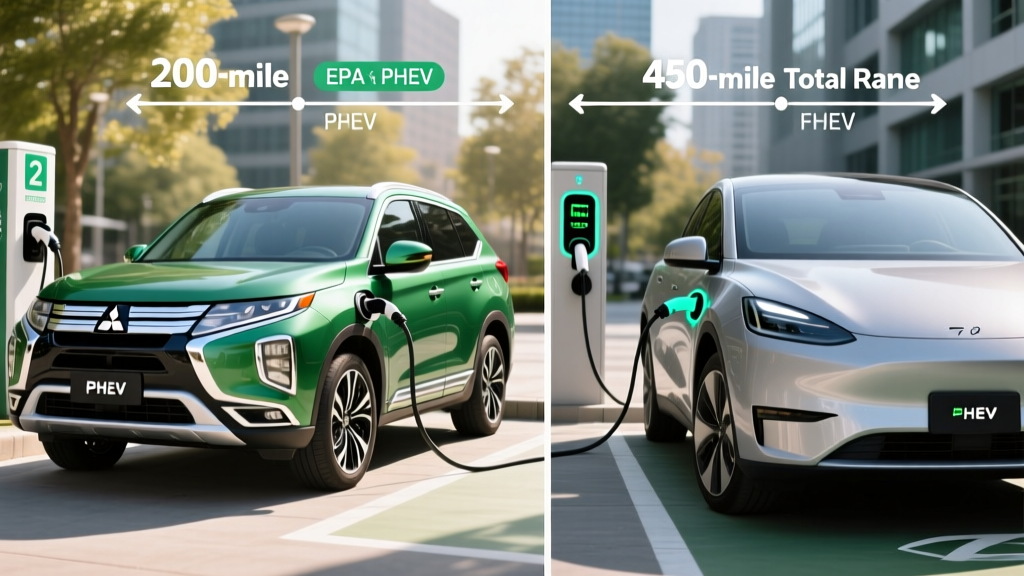
- Plug-in hybrid electric vehicles (PHEVs): Gas-electric combos offering 30–50 miles of electric-only driving before the engine kicks in
- Electric bicycles and scooters: Two-wheeled transport with 20–60 miles of range, ideal for dense urban cores
- Neighborhood Electric Vehicles (NEVs): Low-speed, street-legal carts capped at 25 mph, used in planned communities
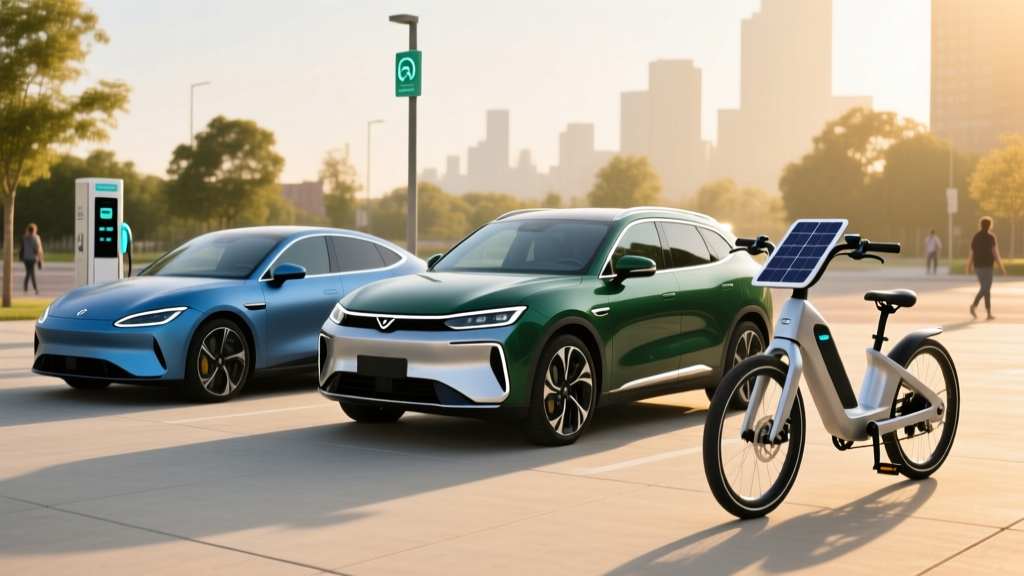
This guide focuses on the three options most relevant to car-literate buyers: BEVs, PHEVs, and e-bikes. Each fills a different transportation need, and the right pick depends on hard numbers — not marketing copy.
Range, Efficiency, and Real-World Expectations
EPA range stickers tell only part of the story. Real-world efficiency depends on speed, temperature, terrain, and how aggressively you use climate control. Here's how the leading electric personal transporter options stack up on paper versus the pavement:
| Vehicle | Type | EPA Range / MPG | Real-World Highway | Cold-Weather (20°F) | Battery (kWh) |
|---|---|---|---|---|---|
| Chevrolet Equinox EV 3LT | BEV | 319 mi | ~270–285 mi | ~220–245 mi | 85 kWh (NMC) |
| Hyundai Ioniq 5 SE | BEV | 303 mi | ~255–275 mi | ~210–230 mi | 77.4 kWh (NMC) |
| Tesla Model Y Long Range | BEV | 320 mi | ~275–290 mi | ~230–250 mi | 78.1 kWh (NMC) |
| Toyota Prius Prime SE | PHEV | 44 mi electric / 52 MPG | ~40 mi electric / 48 MPG | ~35 mi electric / 46 MPG | 13.6 kWh (NMC) |
| RadPower RadCity 5 Plus | E-Bike | ~45 mi (pedal assist) | ~35–40 mi | ~28–32 mi | 0.672 kWh (NMC) |
Key takeaway: Cold weather cuts BEV range by 20–30% due to battery chemistry limitations and cabin heating demands. PHEVs lose less electric range in the cold because their smaller batteries are easier to thermally manage, and the gas engine provides waste heat. E-bike lithium cells also suffer in freezing temps, but the shorter distances make this less consequential.
Charging: Speeds, Access, and the Home-Charging Reality
Charging infrastructure is the single biggest variable in electric personal transporter satisfaction. Here's what each option requires:
| Level | Power (kW) | BEV (~80 kWh) | PHEV (~13 kWh) | E-Bike (~0.7 kWh) |
|---|---|---|---|---|
| Level 1 (120V outlet) | 1.2–1.4 kW | ~3–5 mi/hr (30+ hrs full) | ~4 mi/hr (~10 hrs full) | Full in ~4 hrs |
| Level 2 (240V home) | 7.2–11.5 kW | ~25–40 mi/hr (~8–10 hrs full) | Full in ~2 hrs | Full in ~1 hr |
| DC Fast Charge | 50–350 kW | 10–80% in 18–35 min | N/A (most PHEVs lack DCFC) | N/A |
kW vs. kWh — the critical distinction: kW (kilowatts) measures charging power — how fast energy flows into the battery. kWh (kilowatt-hours) measures battery capacity — how much energy it stores. A 150 kW charger filling an 80 kWh battery doesn't take 32 minutes; the charge curve tapers significantly above 80% State of Charge to protect the cells. Expect peak speeds only between 10–60% SoC.
Home charging access is not universal. Roughly 30% of US households lack a garage or dedicated parking spot where a Level 2 charger can be installed. If you're in an apartment, rely on street parking, or live in a condo with an uncooperative HOA, a BEV becomes significantly less practical. A PHEV like the Prius Prime can function as a conventional hybrid when you can't charge — getting 52 MPG on gas alone. An e-bike can be charged from any standard outlet, making it the most accessible option for renters.
Level 2 home installation typically costs $800–$2,500 for the charger and basic electrician work. If your home's electrical panel needs an upgrade from 100A to 200A service, add $1,500–$3,000. The federal Residential Clean Energy Credit covers 30% of charger installation costs (up to $1,000) through 2032, per IRS.gov.
Total Cost of Ownership: BEV vs. PHEV vs. E-Bike vs. Gas
The purchase price is just the starting line. Here's a five-year, 60,000-mile ownership comparison using national averages for electricity ($0.16/kWh), gasoline ($3.40/gal), insurance, and maintenance:
| Cost Factor | Chevy Equinox EV 3LT | Prius Prime SE | Toyota Corolla LE (Gas) | RadCity 5 Plus (E-Bike) |
|---|---|---|---|---|
| Base MSRP | $33,600 | $33,475 | $22,325 | $1,999 |
| Federal Tax Credit (§30D) | Up to $7,500* | Up to $7,500* | $0 | $0 |
| Effective Purchase Price | ~$26,100 | ~$25,975 | $22,325 | $1,999 |
| Fuel/Energy (5 yrs) | ~$3,840 | ~$2,900 (mix) | ~$6,120 | ~$145 |
| Maintenance (5 yrs) | ~$1,800 | ~$2,800 | ~$3,600 | ~$400 |
| Insurance (5 yrs avg) | ~$9,000 | ~$7,800 | ~$7,200 | ~$600 (optional) |
| Home Charger Install | ~$1,500 | ~$1,200 (120V OK) | $0 | $0 |
| Total 5-Year Cost | ~$42,240 | ~$40,675 | ~$39,245 | ~$3,144 |
* §30D tax credit eligibility depends on MSRP caps ($55,000 SUVs / $25,000 sedans for used), buyer income limits ($150K single / $300K joint AGI), and battery critical-mineral sourcing requirements. Credit can be applied at point of sale. Verify current rules at IRS.gov clean vehicle credits. Consult a tax professional for personal eligibility.
The BEV and PHEV nearly match each other over five years, with the BEV pulling ahead in years 6+ as gas costs accumulate on the PHEV. The gas Corolla starts cheaper but spends far more on fuel and maintenance (oil changes, transmission fluid, brake pads — items EVs largely eliminate thanks to regenerative braking). The e-bike's cost advantage is staggering but only applies if your commute and lifestyle allow two-wheeled transport.
Common Misconceptions About Electric Personal Transporters
| Myth | Fact |
|---|---|
| "EV batteries need replacing every 5 years" | Federal law mandates 8-year/100,000-mile battery warranties. Real degradation data shows most NMC packs retain 85–90% capacity at 100K miles. LFP packs (Tesla Model 3 RWD, Chevy Equinox EV) may retain 90%+. Full replacement costs $8,000–$18,000 but is rarely needed within normal ownership. |
| "Charging takes too long for road trips" | Modern BEVs with 200+ kW DC fast charging add 150–200 miles in 15–20 minutes. The Hyundai Ioniq 5 peaks at 240 kW, doing 10–80% in ~18 minutes on a capable charger. That aligns with a rest-stop break. |
| "EVs don't work in cold climates" | Range drops 20–30% in sub-freezing temps — real and measurable. But preconditioning (warming the battery while plugged in) recovers much of that loss. Norway, with harsher winters than most US states, has the world's highest EV adoption rate. |
| "The electric grid can't handle mass EV adoption" | Most EV charging happens overnight when grid demand is lowest. The US Department of Energy estimates that even with 50% EV adoption, total electricity demand would increase only ~10–15%, manageable with current infrastructure and time-of-use rates. |
| "E-bikes are just toys, not real transport" | Class 3 e-bikes reach 28 mph with pedal assist and carry 50+ lbs of cargo with panniers. Cities like Portland, Minneapolis, and Amsterdam see 10–30% of commutes by bicycle. For sub-10-mile urban commutes, an e-bike often beats a car door-to-door. |
Decision Framework: Which Electric Personal Transporter Fits You?
If X, Then Y — Your EV Transporter Match
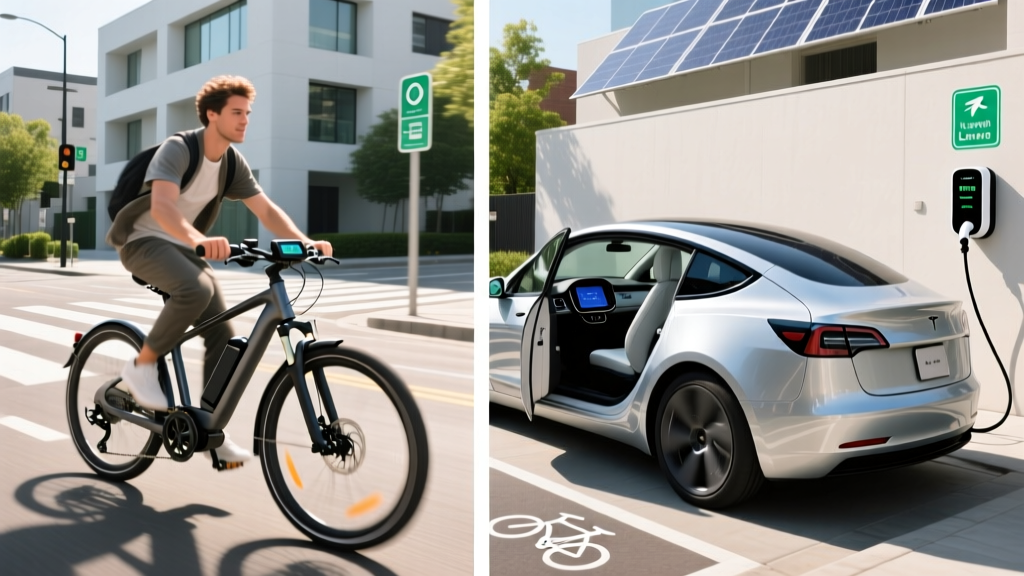
- If your daily round-trip is under 15 miles, you live in a city, and you don't need to carry passengers: → An e-bike ($1,500–$3,500) is the most cost-effective electric personal transporter. You'll spend under $300/year on energy and maintenance.
- If your commute is 20–50 miles daily, you have garage access, and you want one vehicle for everything: → A compact BEV like the Chevy Equinox EV or Hyundai Ioniq 5. Install a Level 2 home charger, charge overnight, and start each day with a full battery. Per-mile energy cost: ~$0.04–$0.06.
- If you can't reliably charge at home but want electric commuting: → A PHEV like the Toyota Prius Prime. Charge when you can (even from a standard 120V outlet overnight gives you ~35 miles); run on gas when you can't. No range anxiety, no charging-desert risk.
- If you regularly drive 300+ miles in a day (road trips, rural routes): → A PHEV or a BEV with 300+ mi range and access to DC fast-charging networks (Tesla Supercharger, Electrify America). Plan stops around 150–200 kW chargers for 20-minute breaks.
- If you live in a severe cold-weather climate (sub-0°F winters): → Prioritize BEVs with heat pumps (standard on Ioniq 5, Tesla Model Y) to minimize range loss. Or choose a PHEV — the gas engine's waste heat handles cabin warming without draining the battery.
- If you're a two-car household and one car rarely leaves the neighborhood: → A Neighborhood Electric Vehicle (NEV, $8,000–$15,000) or e-bike for local errands, keeping your gas or PHEV for longer trips.
What First-Time EV Buyers Must Know Before Purchasing
Beyond the numbers, here are the ownership realities that spec sheets don't highlight:
- Tire costs are higher. EVs are 500–1,000 lbs heavier than equivalent gas cars and deliver instant torque. Expect tire replacement every 25,000–35,000 miles instead of 40,000–50,000. Budget $800–$1,400 for a set of EV-rated tires.
- Insurance premiums run 15–25% higher for BEVs compared to gas equivalents, per industry data. EV-specific insurers and some manufacturers (Tesla, GM) offer competitive rates — shop around before committing.
- Public charging reliability varies wildly. Electrify America, EVgo, and ChargePoint networks have improved but still see 10–20% downtime at some stations. Tesla's Supercharger network remains the most reliable (99%+ uptime). Non-Tesla BEVs now access Superchargers via NACS adapters, significantly expanding practical coverage.
- HOA and landlord restrictions are real. Some condos and rentals prohibit or complicate Level 2 charger installation. Check your lease or HOA bylaws before buying a BEV. Several states now have "right to charge" laws overriding HOA bans — research yours.
- The §30D tax credit is not guaranteed. Battery sourcing and critical-mineral requirements disqualify some trims and model years. Always verify the specific VIN's eligibility on fueleconomy.gov before purchase, and apply the credit at point of sale through a registered dealer.
- Depreciation has been steeper for EVs than gas cars in recent years, partly due to Tesla price cuts resetting the used market and rapid tech improvements. Lease if you're concerned about resale value; buy if you plan to keep the vehicle 7+ years.
Frequently Asked Questions
Is an electric personal transporter practical for a one-car household?
Yes, if you have home charging and your typical daily driving is under 100 miles. For the 2–3 times per year you drive 300+ miles, plan around DC fast-charging stops or rent a gas car. A PHEV eliminates this planning entirely.
How does a PHEV compare to a full EV for daily commuting?
For commutes under the PHEV's electric range (30–50 mi), the experience is nearly identical — silent, smooth, and cheap to fuel. The difference: a PHEV carries a gas engine as a backup, adding ~300 lbs and requiring oil changes. If you can always charge at home, a BEV's lower maintenance and larger battery give it a long-term edge. If charging access is uncertain, the PHEV's flexibility wins.
What's the cheapest electric personal transporter that's actually practical?
For car-based transport, the used EV market offers strong value. A 2023–2024 Chevy Bolt EV (EPA 259 mi) sells for $18,000–$22,000 used and qualifies for the $4,000 used-EV tax credit (§25E) if purchased through a dealer and meeting income limits. For two-wheeled transport, a quality e-bike from RadPower, Lectric, or Aventon starts around $1,000–$1,500.
Do I need a special electrical panel to charge an EV at home?
Most homes with 200A electrical service can support a Level 2 charger (typically a 40A circuit) without a panel upgrade. Homes with older 100A panels may need an upgrade, especially if you also run electric heating, an electric dryer, and an electric oven simultaneously. A licensed electrician can assess your panel for $100–$200 and recommend whether a load-management device (like the Emporia V2 with smart panel integration) can avoid a full upgrade.
Can I use solar panels to charge my electric personal transporter?
Yes. A typical home solar array (8–10 kW) generates 30–45 kWh per day in good sun — enough to fully recharge most BEVs. Pairing solar with a home charger and time-of-use utility rates can drive your per-mile energy cost to near zero after the solar payback period (typically 7–10 years).
What happens to EV batteries at end of life?
Most EV batteries are recycled through hydrometallurgical processes recovering 95%+ of lithium, cobalt, and nickel. Companies like Redwood Materials (Nevada) and Li-Cycle operate large-scale recycling facilities in the US. Second-life applications (grid storage) extend battery usefulness before recycling is needed.