The Short Answer
Electric jet aircraft (eVTOLs and electric air taxis) are not a consumer purchase option in 2026 — they are entering limited commercial ride-service operations in select cities. However, the battery, motor, and charging technology being developed for electric aviation is directly influencing the EVs you can buy today. If you're researching electric jet aircraft because you're wondering whether to wait for next-gen battery tech before buying an EV, the practical answer is: buy now. Current 2026 EVs with NMC and LFP batteries, 250+ kW DC fast charging, and 300+ mile EPA ranges represent mature, proven technology. Aviation-grade solid-state batteries remain 5–8 years from automotive mass production.
What "Electric Jet Aircraft" Actually Means in 2026
The term "electric jet aircraft" covers a spectrum of electric aviation platforms currently in development or early commercial service. Here's how they break down:
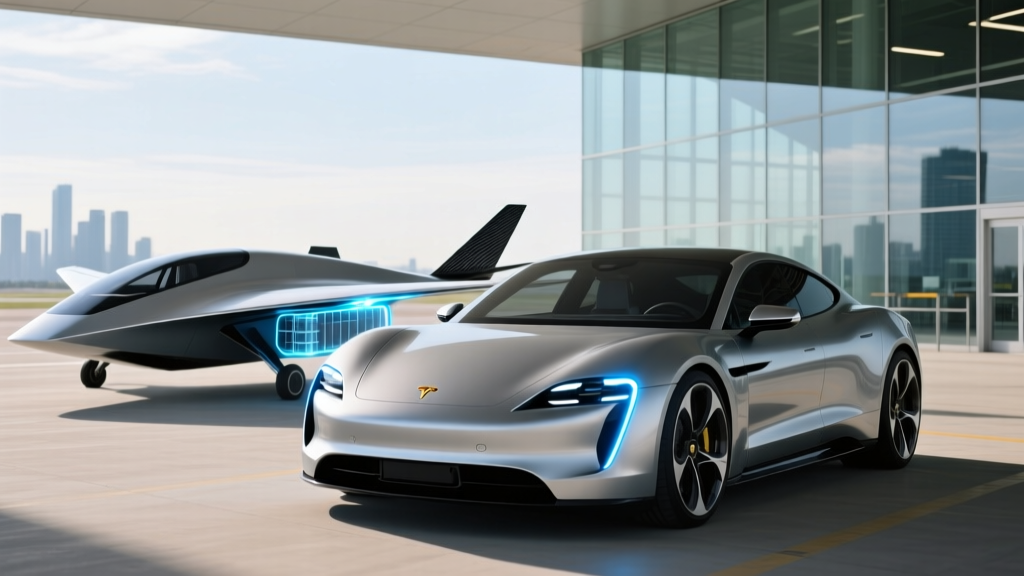
- eVTOL (electric Vertical Takeoff and Landing): Companies like Joby Aviation, Archer Aviation, and Volocopter are building electric air taxis designed for short urban hops (20–150 miles). Joby's S4, for example, targets a 100-mile range with a cruise speed of 170 mph using six tilting rotors powered by lithium-based battery packs.
- Electric regional aircraft: Startups like Heart Aerospace (ES-30) and Eviation (Alice) are targeting short-haul regional routes with 250–650 mile ranges and 30-passenger capacities, powered by large battery installations.
- Electric ducted-fan / "jet" concepts: Some prototypes use electric ducted fans to mimic jet propulsion, but these remain in R&D phases with no consumer availability timeline.
None of these are consumer-purchasable vehicles. They operate (or will operate) as commercial ride services, similar to how Waymo robotaxis serve passengers without individual ownership. The closest analogy for an EV buyer: you'll ride in an electric air taxi before you ever own one.
Battery Technology: Aviation vs. Automotive — By the Numbers
The battery demands of electric aircraft are extreme, and the solutions being developed reveal where automotive batteries are heading. Here's a concrete comparison:
| Metric | 2026 EV (e.g., Hyundai Ioniq 6 Long Range) | eVTOL (e.g., Joby S4 — announced specs) | Electric Regional (e.g., Eviation Alice — announced) |
|---|---|---|---|
| Battery capacity | 77.4 kWh (usable, NMC) | ~80–100 kWh (estimated, high-density NMC) | ~820 kWh (estimated, NMC) |
| Energy density (cell-level) | ~250–280 Wh/kg | ~300–350 Wh/kg (aviation-grade) | ~280–320 Wh/kg |
| Range | 361 mi EPA | ~100 mi (flight) | ~290 mi (flight, estimated) |
| Charge rate (peak DC) | 240 kW (10–80% in ~18 min) | ~200–350 kW (turnaround target: 7–10 min) | Megawatt-class charging (under development) |
| Cycles before 80% SoH | ~1,500–2,000 (NMC) | ~2,000–5,000 (aviation-spec, high cycle life required) | ~2,000–3,000 |
| Battery replacement cost | $12,000–$20,000 | $200,000–$500,000+ (estimated, fleet operator cost) | $1M+ (estimated) |
| Consumer availability | Available now | Ride service only (2026–2027 launch cities) | Certification in progress |
Key takeaway: Aviation demands higher energy density and faster turnaround charging than automotive, which is driving R&D in cell chemistry. But the volumes and costs are vastly different. A Joby S4 battery pack costs more than an entire Tesla Model Y.
What Aviation Battery R&D Means for Your Next EV Purchase
The crossover technology from electric aviation to consumer EVs centers on three areas:
1. Solid-State Batteries
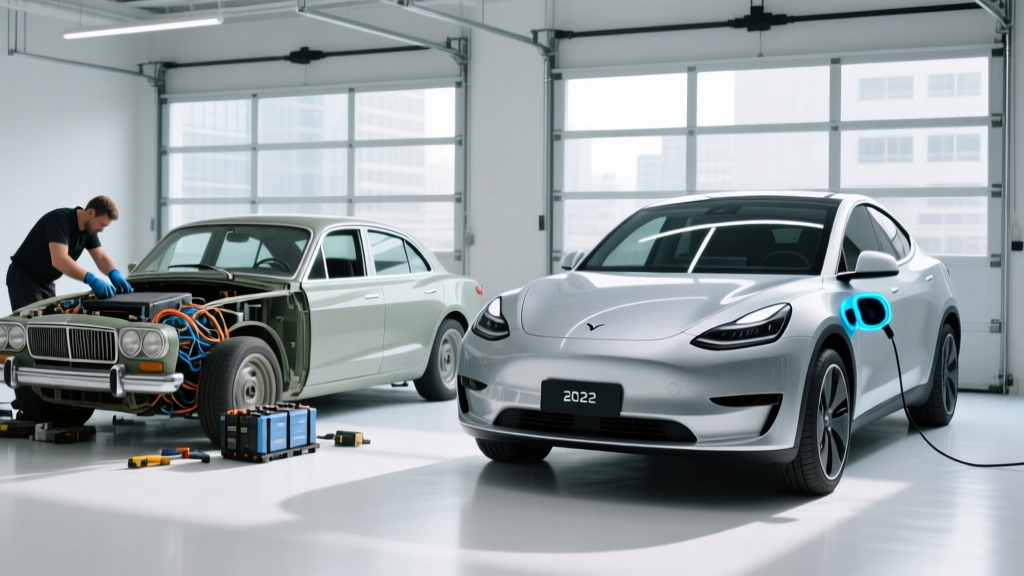
Electric aircraft need cells that are lighter, denser, and safer than current liquid-electrolyte lithium-ion. Solid-state batteries — which replace the flammable liquid electrolyte with a solid conductor — promise 400–500 Wh/kg energy density. Toyota, Samsung SDI, and QuantumScape are targeting automotive solid-state production in 2028–2030, but aviation programs are accelerating the testing timeline. For 2026 buyers: solid-state is not available in any production EV. Waiting for it means delaying a purchase by at minimum 3–4 years.
2. Ultra-Fast Charging Architectures
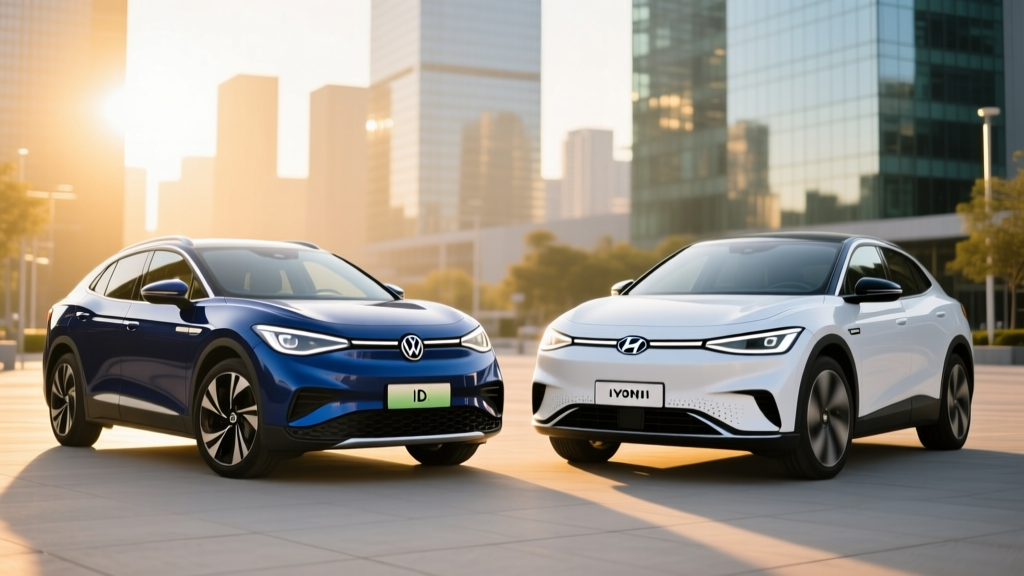
eVTOL turnaround targets of 7–10 minutes for an 80% charge are pushing 350+ kW charge rates and advanced thermal management. This directly benefits automotive: the 2026 Hyundai Ioniq 5 already peaks at 240 kW on a 350 kW charger, and the Porsche Macan EV (800V architecture) sustains high charge rates through 70% SoC. Aviation's demand for rapid turnaround is helping validate the megawatt-class charging infrastructure that will eventually trickle down to consumer fast-charging networks.
3. Battery Management and Thermal Systems
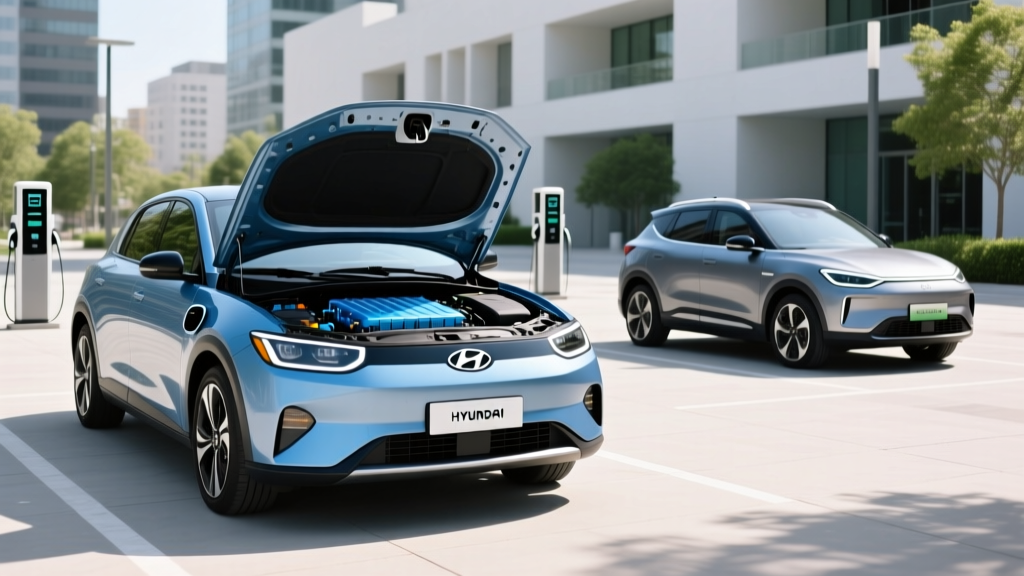
Aviation requires redundant, fail-safe battery management systems (BMS) that monitor individual cell health in real time. These advanced BMS architectures are beginning to appear in premium EVs, improving longevity predictions and enabling more accurate State of Health (SoH) reporting. If you've ever wondered how your EV estimates remaining battery life, the algorithms are becoming more aviation-grade in their precision.
Real Costs: EV Ownership Today vs. Waiting for Aviation-Spinoff Tech
If you're considering delaying an EV purchase to wait for battery technology influenced by electric aviation, here's the real cost math for a typical buyer:
| Cost Factor | Buy a 2026 EV Now (e.g., Tesla Model Y Long Range, $46,630 MSRP) | Wait 4 Years for Solid-State EV (~2030) |
|---|---|---|
| Purchase price | $46,630 (before incentives) | Estimated $50,000–$60,000+ (new tech premium) |
| Federal tax credit (§30D) | Up to $7,500 if eligible (income, sourcing, MSRP caps apply — see IRS §30D rules) | Unknown — rules may change post-2032 |
| 5-year fuel/charging cost (15,000 mi/yr) | ~$3,600 (home Level 2 at $0.16/kWh avg, 250 Wh/mi) | ~$3,000 (projected, higher efficiency) |
| 5-year maintenance | ~$2,100 (tires, cabin filter, brake fluid — no oil changes) | ~$2,000 (estimated, similar EV architecture) |
| Gas car fuel cost (5 yr, 28 MPG avg, $3.50/gal) | $13,393 (for comparison) | $13,393 (for comparison) |
| 5-year savings vs. gas | ~$7,700 (fuel savings alone) | ~$8,400 (estimated) |
| Opportunity cost of waiting | N/A | 4 years of gas spending: ~$10,700 extra fuel cost |
The math is clear: waiting 4 years for potential solid-state battery EVs costs you roughly $10,700 in additional gasoline spending, while the projected fuel savings improvement is only ~$700 over 5 years. The net cost of waiting is approximately $10,000 in today's dollars.
Common Misconceptions About Electric Aviation and EVs
| Myth | Fact |
|---|---|
| "Electric jet aircraft will make current EVs obsolete" | Aviation batteries are optimized for weight, not cost. A 100 kWh aviation pack costs 10–25x more per kWh than an automotive pack. Cost parity is not on the near-term horizon. |
| "I should wait for solid-state batteries before buying an EV" | Solid-state automotive production is 2028–2030 at the earliest, with premium pricing. Current NMC and LFP batteries already deliver 250–360+ mile ranges with 10–80% charging in 18–25 minutes. |
| "Electric aircraft charge in 5 minutes, so EVs should too" | eVTOLs charge at 300+ kW but with much smaller packs (~80–100 kWh). Charging a 100 kWh automotive pack in 5 minutes would require 1,200 kW — beyond any current public infrastructure. |
| "Electric air taxis will replace car commuting" | eVTOL services target airport-to-downtown routes and premium urban hops at $3–6 per passenger mile — roughly 5–10x the per-mile cost of driving an EV. They complement, not replace, ground transport. |
| "Aviation battery safety standards will make EVs safer" | EV battery safety is already highly regulated by NHTSA and exceeds aviation thermal-runaway requirements in many areas. Aviation R&D adds redundancy, not fundamentally new safety. |
First-Time EV Buyer Decision Framework: Buy Now or Wait?
If-Then Guide for 2026 EV Buyers
IF you have access to home Level 2 charging (or can install it for $500–$2,000) AND your daily commute is under 80 miles round-trip:
→ Buy now. A 2026 EV with 250+ mile EPA range covers your needs with massive margin. Models like the Chevrolet Equus EV ($33,000 base), Hyundai Ioniq 5 ($42,600), or Tesla Model Y ($46,630) are proven, widely available, and eligible for partial or full §30D credits depending on your income and the vehicle's battery sourcing.
IF you rely exclusively on public charging and live in an area with limited DC fast charger density:
→ Consider a PHEV (plug-in hybrid) like the Toyota RAV4 Prime (42 mi electric-only, 38 MPG combined after depletion) while public infrastructure builds out. Aviation-derived battery tech won't solve charging-desert problems — infrastructure will.
IF you regularly drive 300+ miles in cold weather (below 30°F) and cannot stop to charge:
→ Prioritize large-battery EVs (100+ kWh usable, like the Rivian R1S or GMC Sierra EV) with heat pumps. Expect 20–30% range loss in sustained cold. Aviation tech won't change winter physics — cold reduces lithium-ion performance regardless of chemistry.
IF you're waiting for 500+ mile range or 5-minute charging:
→ Expect to wait until 2030+ for solid-state or semi-solid-state EVs at mainstream prices. Current best-in-class: Lucid Air Grand Touring (516 mi EPA, but $125,600 MSRP). For mainstream budgets, 300–370 mile ranges are the 2026 norm.
Real-World Ownership Considerations Aviation Can't Solve
Electric jet aircraft technology is exciting, but the practical barriers to EV ownership in 2026 are infrastructure and economics, not battery chemistry limitations:
- Home charging access: ~30% of US households lack dedicated off-street parking, making Level 2 installation difficult. No aviation technology changes this.
- Apartment/condo charging: Right-to-charge laws are expanding state-by-state, but many HOAs and landlords still resist installation.
- Insurance costs: EV insurance premiums run 15–25% higher than comparable gas vehicles due to repair costs and battery replacement risk, per industry data.
- Cold-weather reality: An EPA 310-mile EV may deliver 220–250 miles in sustained 20°F highway driving with cabin heat. This is physics, not a software update.
- Public charging reliability: Networks like Electrify America and EVgo have improved uptime, but 10–15% downtime at some stations remains a real-world frustration. Aviation-grade reliability standards are decades from reaching public EV chargers.
Frequently Asked Questions
Can I buy an electric jet aircraft as a consumer in 2026?
No. All current electric aviation platforms (Joby, Archer, Volocopter, Eviation, Heart Aerospace) are designed for commercial operator or air-taxi service. Consumer-purchasable electric aircraft do not exist at any price point, and FAA certification for private ownership models is not on the near-term roadmap.
Will electric air taxis be available in my city?
Joby Aviation and Archer Aviation are targeting initial commercial service in 2026–2027 in select markets including New York, Los Angeles, and Dubai. Service will be limited to specific vertiport-to-vertiport routes, not on-demand point-to-point travel. Expect pricing comparable to premium rideshare ($3–6 per passenger mile).
Does aviation battery research improve the EV I buy today?
Indirectly, yes. The demand for higher energy density and faster charging in aviation is accelerating investment in solid-state, silicon-anode, and advanced NMC chemistries. But these trickle into automotive on a 3–5 year delay. Your 2026 EV benefits from a decade of automotive-specific battery R&D, which is already mature.
Should I wait for solid-state battery EVs?
Only if your current vehicle is reliable, your fuel costs are manageable, and you can absorb 3–5 more years of gasoline spending. For most buyers, the $8,000–$12,000 in additional fuel costs during the wait exceeds the projected efficiency gains of early solid-state EVs, which will carry premium pricing when they arrive.
How does eVTOL charging compare to EV charging?
eVTOLs target 200–350 kW DC charging for quick turnarounds, similar to a Hyundai Ioniq 5 on a 350 kW station. The difference is scale: an eVTOL battery is ~80–100 kWh (similar to a single EV), but aviation demands 2,000+ charge cycles with minimal degradation — roughly double what automotive warranties guarantee at 80% State of Health.
What's the best EV to buy in 2026 if I want proven technology?
For range and charging speed: Hyundai Ioniq 6 Long Range (361 mi EPA, 240 kW peak DC, ~$42,500). For value: Chevrolet Equinox EV 3LT (319 mi EPA, ~$36,000 before incentives). For family SUV: Tesla Model Y Long Range (320 mi EPA, ~$46,630). All use proven NMC or LFP chemistries with 8-year/100,000-mile battery warranties. Check current IRS §30D eligibility before purchasing, as credit qualification depends on income caps, MSRP limits, and battery sourcing requirements.
Sources: EPA fuel economy data via fueleconomy.gov; IRS Clean Vehicle Credit rules via irs.gov; manufacturer specifications for cited 2026 model-year vehicles.