The Short Answer: No Full EV Wrangler Exists Yet
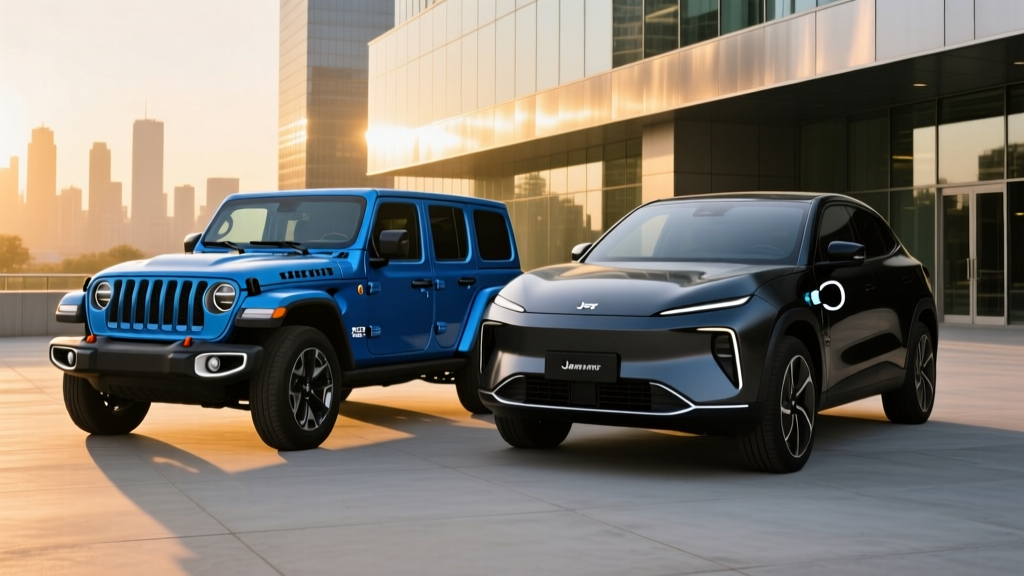
As of the 2026 model year, there is no fully electric (BEV) Jeep Wrangler. The closest electrified option is the Jeep Wrangler 4xe, a plug-in hybrid (PHEV) that pairs a 2.0L turbocharged engine with a 17.3 kWh battery pack for an EPA-estimated 22 miles of electric-only range. Stellantis has not announced a battery-electric Wrangler for sale, though the company has teased EV concepts. If you need zero-tailpipe-emission off-roading today, you'll need to look outside the Jeep lineup or accept the 4xe's gas-electric compromise.
Wrangler 4xe: What You Actually Get in 2026
The Wrangler 4xe remains Jeep's only electrified Wrangler. It's a PHEV, meaning it can drive on electricity alone for short distances before the gasoline engine kicks in. Here are the exact 2026 specifications you need to evaluate it:
| Spec | 2026 Wrangler 4xe |
|---|---|
| Powertrain | 2.0L turbo I-4 + electric motor (PHEV) |
| Combined Output | 375 hp / 470 lb-ft torque |
| Battery (usable) | ~17.3 kWh (NMC lithium-ion) |
| EPA Electric Range | 22 miles |
| EPA Combined MPGe | 49 MPGe (electric + gas) |
| Gas-Only MPG | 20 MPG combined |
| Level 2 Charge Time (0-100%) | ~2.5 hours at 7.2 kW |
| DC Fast Charging | Not supported |
| 0-60 mph | ~6.0 seconds |
| Base MSRP (Sport S 4xe) | ~$51,790 (incl. destination) |
| Federal Tax Credit (§30D) | Up to $3,750 (PHEV, battery <16 kWh threshold may reduce eligibility — verify on IRS.gov) |
| Battery Warranty | 8 years / 100,000 miles |
Real-world range reality: The EPA's 22-mile electric estimate assumes moderate temperatures and mixed driving. In practice, expect 16-19 miles of electric range during cold weather (below 40°F) or sustained highway speeds above 65 mph. The battery's small size means electric mode is best suited for short commutes and neighborhood errands, not extended drives.
EV vs Gas Wrangler vs 4xe: The Cost Breakdown
If a full EV Wrangler existed, how would it compare? Since it doesn't, let's benchmark the 4xe against the gas-only Wrangler and a hypothetical full-EV rival using current data:
| Metric | Gas Wrangler (3.6L V6) | Wrangler 4xe (PHEV) | Hypothetical EV Wrangler* |
|---|---|---|---|
| Base MSRP | ~$37,790 | ~$51,790 | ~$58,000 (est.) |
| Fuel/Energy Cost per Mile | $0.22 (20 MPG @ $4.40/gal) | $0.14 (blended) | $0.05 (3.5 mi/kWh @ $0.17/kWh) |
| Annual Fuel Cost (12k mi) | $2,640 | $1,680 | $600 |
| 5-Year Fuel Spend | $13,200 | $8,400 | $3,000 |
| Maintenance (5-yr est.) | $3,500 | $3,000 | $1,500 |
| Tax Credit Eligibility | None | Up to $3,750 | Up to $7,500 |
*Hypothetical EV Wrangler figures are estimates based on comparable body-on-frame EV SUVs like the Rivian R1S and GMC Hummer EV. No official EV Wrangler has been announced by Stellantis.
The 4xe's $14,000 premium over the gas Wrangler takes roughly 5-7 years to recoup through fuel savings alone for a driver covering 12,000 miles annually. If you rarely plug in, the 4xe operates as a heavy gas Wrangler at 20 MPG — negating its efficiency advantage entirely.
Real-World Ownership: What First-Time Electrified Buyers Must Know
Home Charging Is Almost Mandatory
The 4xe's 17.3 kWh battery requires a Level 2 home charger (240V, 32A minimum) to fully recharge overnight. On a standard 120V outlet (Level 1), a full charge takes roughly 12 hours — impractical for daily use. A Level 2 home installation typically costs $800-$2,500 including the charger unit (e.g., ChargePoint Home Flex, ~$550) and electrician labor, assuming your panel has capacity. If you need a panel upgrade from 100A to 200A, add $1,500-$3,000.
If you live in an apartment or lack dedicated parking, the 4xe's electric advantage diminishes sharply. You'll rely on the gasoline engine almost exclusively, and the PHEV premium becomes hard to justify.
Cold Weather Hits the Small Battery Hard
The 4xe's 17.3 kWh pack suffers proportionally more range loss in freezing temperatures than larger BEV batteries. Expect electric-only range to drop to 14-17 miles in sustained sub-30°F weather. The gasoline engine will also activate to provide cabin heat, further eroding electric miles. For buyers in northern climates, plan for the 4xe to function primarily as a hybrid in winter, not an EV.
Off-Roading in Electric Mode: Limited but Useful
The 4xe's electric motor delivers instant torque at low RPM, which is genuinely advantageous for technical rock crawling. However, sustained off-road use in electric mode will deplete the small battery in roughly 30-45 minutes of low-speed trail driving. The gas engine will seamlessly take over, but you won't be completing multi-hour trails in silent, zero-emission mode.
Why No Full Electric Wrangler Yet?
Several engineering and market factors explain Stellantis's hesitation to launch a battery-electric Wrangler:
- Body-on-frame architecture: The Wrangler's traditional ladder-frame chassis wasn't designed to accommodate a large floor-mounted battery pack. Retooling would require a next-generation platform.
- Weight concerns: A BEV Wrangler with 250+ miles of range would likely require a 100+ kWh battery, pushing curb weight above 6,000 lbs — impacting off-road breakover angles and trail capability.
- Trail range anxiety: Off-road driving is energy-intensive. A full-EV Wrangler would need to address remote charging access on trails where no infrastructure exists.
- Market risk: Wrangler buyers are among the most range-anxious and off-grid-oriented in the auto market. Stellantis may be waiting for battery energy density improvements or solid-state technology before committing.
Stellantis has invested heavily in its STLA Large platform for future EVs, but as of early 2026, no production electric Wrangler has been confirmed with a sale date. The Jeep brand's EV roadmap points to new electric SUVs, but the Wrangler's unique positioning makes it a later candidate.
Alternatives If You Want a Fully Electric Off-Roader
If zero tailpipe emissions and electric trail driving are non-negotiable, these are your current options:
| Vehicle | EPA Range | Battery | Ground Clearance | Base MSRP |
|---|---|---|---|---|
| Rivian R1S (Dual Motor) | ~352 mi | 128.9 kWh (NMC) | 14.9 in (max) | ~$79,900 |
| GMC Hummer EV SUV | ~314 mi | ~212.7 kWh (NMC) | 15.9 in (max) | ~$99,995 |
| Ford Bronco (Gas — baseline) | N/A (gas) | N/A | 11.5 in (Badlands) | ~$39,995 |
Neither the R1S nor the Hummer EV replicates the Wrangler's removable doors, fold-down windshield, or sub-$55,000 entry price. They're larger, heavier, and significantly more expensive — but they deliver genuine full-electric off-road capability today. Source: fueleconomy.gov.
Decision Framework: Should You Buy the 4xe or Wait?
Buy the 2026 Wrangler 4xe If:
- ✅ You have a short commute (under 20 miles round-trip) and home Level 2 charging — you'll run mostly on electricity daily.
- ✅ You want Wrangler open-air capability (removable doors/top) with some electric efficiency.
- ✅ You take regular road trips or trail runs where gas-engine range eliminates charging logistics.
- ✅ You plan to keep the vehicle 5+ years to recoup the PHEV premium through fuel savings.
Stick with the Gas Wrangler If:
- ✅ You cannot install a Level 2 charger at home — the 4xe's advantage disappears.
- ✅ Your daily driving exceeds 40+ miles — you'll burn gas most of the time anyway.
- ✅ Budget is the priority — the $14,000 premium over the gas model is significant.
Wait or Look Elsewhere If:
- ✅ You want zero gasoline use — the 4xe still has a gas engine and requires oil changes.
- ✅ You want 200+ miles of electric range — no Wrangler offers this today.
- ✅ You're willing to consider a Rivian R1S or Ford Bronco as alternatives.
Common Misconceptions About an Electric Wrangler
| Myth | Fact |
|---|---|
| "The Wrangler 4xe is a full electric vehicle." | It's a plug-in hybrid (PHEV). It has a gasoline engine and requires fuel for longer trips. |
| "The 4xe qualifies for the full $7,500 federal tax credit." | PHEVs with smaller batteries may qualify for reduced credits. Eligibility depends on battery capacity, sourcing, and your income. Check current rules at IRS.gov. |
| "An electric Wrangler would be worse off-road." | Electric motors deliver instant torque ideal for crawling. The challenge is battery weight, range on trails, and remote charging — not capability. |
| "Jeep is releasing an EV Wrangler in 2026." | No production BEV Wrangler has been officially announced by Stellantis for the 2026 model year. Concepts exist, but no sale date is confirmed. |
| "I can fast-charge the 4xe on road trips." | The 4xe does not support DC fast charging. Level 2 at 7.2 kW is the maximum charge speed. |
Frequently Asked Questions
Will Jeep ever make a fully electric Wrangler?
Jeep's parent company Stellantis has committed to electrification across its brands, and the STLA Large platform supports full-electric SUVs. However, as of early 2026, no official production timeline for a battery-electric Wrangler has been announced. The Wrangler's unique off-road requirements and buyer demographics make it a more complex EV conversion than unibody crossovers.
How much does it cost to charge the Wrangler 4xe at home?
Fully recharging the 4xe's 17.3 kWh battery from empty costs approximately $2.60-$3.50 depending on your local electricity rate ($0.15-$0.20/kWh national average). That works out to roughly $0.12-$0.16 per electric mile — significantly cheaper than gasoline at current prices.
Does the 4xe battery degrade like a phone battery?
All lithium-ion batteries degrade over time, but the 4xe's NMC pack is backed by an 8-year/100,000-mile warranty that guarantees a minimum capacity threshold (typically 60-70% of original). Real-world PHEV data from similar Stellantis vehicles suggests 10-15% degradation over 8 years under normal use — meaning your 22-mile electric range might drop to 18-20 miles by year 8.
Can I tow with the Wrangler 4xe?
Yes. The 4xe has a maximum towing capacity of 3,500 lbs — the same as the gas Wrangler. However, towing significantly reduces electric-only range (expect under 10 miles electric while towing) and lowers gas fuel economy to roughly 16-17 MPG.
Is the 4xe reliable compared to the gas Wrangler?
The 4xe adds complexity — an electric motor, power electronics, and a high-voltage battery on top of the standard Wrangler drivetrain. Early model years (2021-2022) saw some software-related recalls. By 2026, the powertrain has been in production for five years with iterative improvements. Long-term reliability data is still building, but the 8-year powertrain and battery warranties provide substantial coverage.