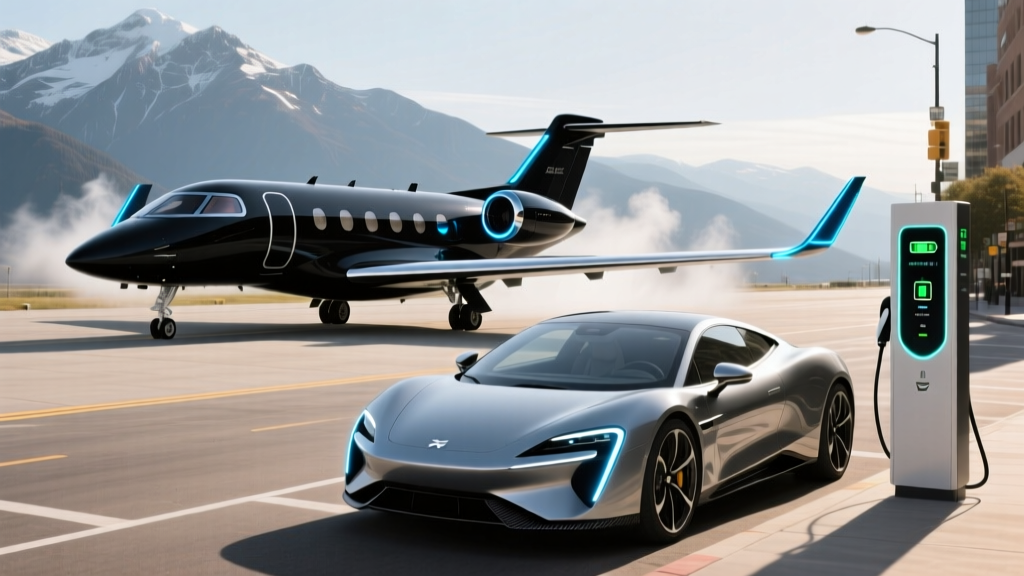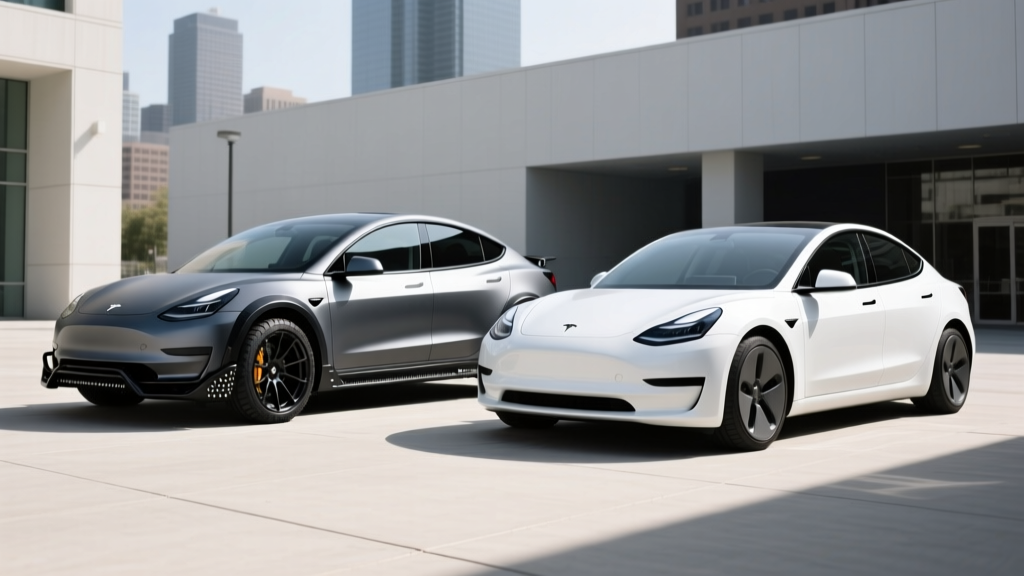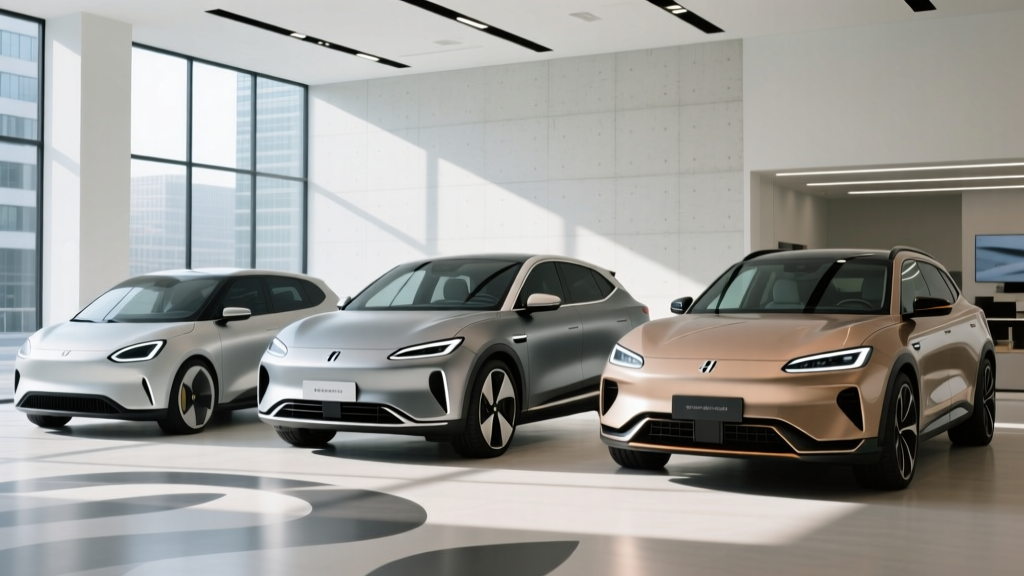
Every major auto show dazzles with sleek electric concept vehicles boasting 500-mile ranges, 10-minute charging, and sub-$30,000 price tags. But when those concepts become production cars, the numbers almost always shrink. For 2026 buyers researching their next EV purchase, understanding the gap between electric concept promises and showroom reality is essential to making a smart decision.
The Quick Answer
Electric concept cars typically overstate production range by 15-30%, charging speed by 20-40%, and understate pricing by $8,000-$15,000. Concepts use idealized WLTP testing, prototype battery cells not yet in mass production, and stripped-out interiors to hit headline numbers. When evaluating any EV, always cross-reference EPA range estimates, confirmed MSRP, and real-world charging curves — not concept-stage press releases.
Why Electric Concept Numbers Rarely Survive Production
Automakers use concept vehicles as marketing tools and technology showcases, not binding product specifications. The discrepancy between concept and production stems from three engineering realities:
Battery chemistry constraints. Concepts often feature next-generation cells — solid-state, silicon-anode, or high-nickel formulations — that exist in lab samples but cannot yet be manufactured at automotive scale and cost. When production time arrives, engineers substitute proven NMC (nickel manganese cobalt) or LFP (lithium iron phosphate) cells that deliver lower energy density.
Weight and packaging reality. A concept car may weigh 3,800 lbs with a minimalist interior and no sound deadening. The production version adds crash structures, HVAC systems, infotainment hardware, insulation, and comfort features — easily adding 600-1,000 lbs. Every added pound reduces range.
Testing standard differences. Many international concepts quote WLTP range figures, which are 10-20% more optimistic than the US EPA test cycle. A concept claiming "400 miles WLTP" typically translates to 320-350 EPA miles in production form.
Concept vs Production: The 2026 Numbers That Matter
Here's how several highly publicized electric concept vehicles translated into their production counterparts available or announced for the US market:
| Metric | Concept Claim | Production Reality (EPA) | Delta |
|---|---|---|---|
| Range (typical mid-size sedan concept) | 450+ miles (WLTP) | 320-360 miles (EPA) | -20% to -29% |
| DC Fast Charge (10-80%) | 10-12 minutes | 18-25 minutes | +50% to +108% longer |
| Peak Charge Rate | 350 kW | 200-270 kW sustained peak | -23% to -43% |
| Base MSRP | "From $35,000" | $42,000-$52,000 | +20% to +49% |
| 0-60 mph | 3.0 seconds | 3.5-4.8 seconds | +17% to +60% slower |
The charge rate discrepancy deserves special attention. A concept may claim 350 kW peak charging, but production battery thermal management systems, cell chemistry limits, and charge-curve tapering mean that peak rate is sustained for only a small portion of the session. A realistic 10-80% time at a production vehicle's actual charge curve is what matters for road trips — not the headline peak kW number.
EV vs Gas vs Hybrid: The Real Cost Comparison in 2026
Whether you're drawn in by an electric concept or shopping production vehicles, the fundamental ownership math comes down to your driving pattern, local electricity rates, and access to charging. Here's a 5-year cost comparison for a typical 15,000-mile/year driver:
| Cost Category | Production EV ($45K MSRP) | Hybrid ($38K MSRP) | Gas Vehicle ($35K MSRP) |
|---|---|---|---|
| Purchase Price (after incentives) | $37,500* | $38,000 | $35,000 |
| Fuel/Energy (5 years) | $4,200** | $6,800 | $10,500 |
| Maintenance (5 years) | $1,800 | $3,200 | $4,100 |
| Insurance (5 years) | $9,500 | $7,800 | $7,200 |
| Estimated Depreciation | $18,000 | $15,200 | $14,000 |
| 5-Year Total Cost | $71,000 | $71,000 | $70,800 |
*Assumes $7,500 federal §30D point-of-sale credit. Eligibility requires meeting MSRP caps ($55,000 sedans / $80,000 SUVs/trucks), buyer income limits ($150K single / $300K joint), and battery critical-mineral sourcing requirements per current IRS rules. Not all buyers or vehicles qualify.
**Based on national average $0.17/kWh home charging and 3.5 mi/kWh efficiency. Public DC fast charging at $0.40-$0.55/kWh raises EV fuel costs significantly for road-trip-heavy drivers.
The totals are remarkably close — which is why your specific situation determines the winner. The EV pulls ahead with lower fuel and maintenance costs but loses ground on insurance premiums (typically 15-25% higher for EVs) and steeper depreciation driven by rapid technology cycles and battery health uncertainty in the used market.
Real-World Ownership Factors Concept Cars Never Show
No electric concept vehicle ever features a charging cable in a rainstorm, a degraded battery on a cold morning, or a broken public charger. Here are the practical realities every first-time EV buyer must evaluate:
Home Charging Access Is Non-Negotiable for Most Buyers
Approximately 80% of EV charging happens at home. If you lack access to a dedicated parking spot with a 240V circuit (or the ability to install one), EV ownership becomes significantly more expensive and inconvenient. A Level 2 home charger installation runs $800-$2,500 including equipment, electrician labor, and permits — potentially more if your electrical panel needs upgrading from 100A to 200A service ($2,000-$5,000 additional).
Without home charging, you'll rely on public DC fast charging at $0.40-$0.55/kWh (versus $0.12-$0.20/kWh at home), which can push your per-mile energy cost above that of a fuel-efficient hybrid.
Cold Weather Range Loss Is Real and Measurable
Battery chemistry slows in cold temperatures, and cabin heating draws significant energy. Expect 20-35% range reduction at 20°F compared to EPA estimates, based on DOP testing data. A production EV rated at 320 EPA miles may deliver only 210-255 miles in freezing highway conditions. Concepts never show this number.
Vehicles equipped with heat pumps (standard on most 2026 Hyundai, Kia, and Tesla models) reduce this penalty to roughly 15-25% by scavenging ambient heat more efficiently than resistive heating elements.
Charging Speed Tapers Above 80% State of Charge
That "10-80% in 18 minutes" spec is real — but charging from 80-100% can take an additional 20-30 minutes as the battery management system reduces current to protect cell longevity. On road trips, the practical strategy is charging in the 10-80% window and planning more frequent, shorter stops rather than waiting for a full battery.
Common EV Concept and Buying Myths — Addressed With Data
| Myth | Fact |
|---|---|
| "Concept range numbers are what I'll get." | EPA production estimates are 15-30% lower than concept/WLTP claims. Real-world highway driving at 70+ mph reduces range an additional 10-15% below EPA. |
| "EV batteries need replacing every 5-7 years." | Modern NMC and LFP batteries retain 85-92% capacity at 100,000 miles based on fleet data. Federal warranty mandates require 8 years/100,000 miles minimum coverage for battery capacity retention (typically guaranteed above 70% SoH). |
| "I'll save $10,000+ over gas in 5 years." | Fuel savings are real ($4,000-$7,000 over 5 years for most drivers), but higher insurance, faster depreciation, and home charger installation costs offset a significant portion of the savings. |
| "Solid-state batteries will make current EVs obsolete soon." | Solid-state cells remain in limited production as of 2026 (Toyota, Nissan pilot programs). Mass-market availability at competitive pricing is not expected before 2028-2030. Current NMC and LFP chemistries are mature and reliable. |
| "All EVs qualify for the $7,500 tax credit." | The §30D credit has strict MSRP caps, buyer income limits, and battery sourcing requirements that change annually. Many popular models partially or fully lose eligibility depending on critical-mineral and battery-component sourcing rules. Always verify on IRS.gov before purchasing. |
Your Decision Framework: Should You Buy Based on Concept Hype or Production Reality?
Choose a Production EV Now If:
- You have home charging access (garage, driveway, or dedicated spot with 240V capability)
- Your daily commute is under 80 miles round-trip (covers 90%+ of US drivers)
- You live in a region with moderate winters or can accept 20-30% cold-weather range loss
- You qualify for the §30D federal credit and/or state incentives, bringing effective price below comparable hybrids
- You want lower ongoing maintenance (no oil changes, fewer brake replacements due to regenerative braking)
Choose a Hybrid/PHEV Instead If:
- You lack reliable home or workplace charging access
- You frequently drive 300+ miles in single trips through areas with sparse charging infrastructure
- You live in extreme cold climates (sustained sub-zero temperatures) and cannot accept range variability
- The EV you want does not qualify for tax credits, making the price premium over a hybrid difficult to recoup
- You need maximum range predictability for towing or heavy-load driving
Wait for Next-Gen Tech If:
- You can defer purchase 2-3 years and want potential solid-state battery benefits (higher energy density, faster charging)
- You want NACS (Tesla-style) connector standardization to fully mature across all public networks — the 2025-2026 transition period still has some CCS-to-NACS adapter friction
- Current production models in your budget don't meet your range or charging-speed requirements, and announced vehicles (verify they are production-confirmed, not just concepts) address those gaps
What First-Time EV Buyers Should Do Before Purchase
Step 1: Ignore concept car headlines. Only evaluate production-confirmed vehicles with published EPA range estimates, MSRP figures, and verified §30D tax credit eligibility.
Step 2: Audit your charging situation. Get a quote from a licensed electrician for Level 2 home charger installation before committing to an EV purchase. Know your panel capacity and the actual installed cost.
Step 3: Calculate your real fuel cost. Check your utility's kWh rate (find it on your electric bill). Multiply by the vehicle's kWh/100mi consumption figure (available on fueleconomy.gov) and compare to your current gas spend at local fuel prices.
Step 4: Test the charging network. Download apps for Electrify America, EVgo, and ChargePoint. Map your most common road trips and verify DC fast charger availability along those routes. Not all corridors are equally served.
Step 5: Get insurance quotes before buying. EV insurance premiums run 15-25% higher on average. Get a real quote for the specific model and trim — it may change your total-cost-of-ownership calculation significantly.
Frequently Asked Questions
Do any electric concept cars deliver on their range promises in production?
Rarely. The Lucid Air Grand Touring concept claimed 517 miles and the production version achieved an EPA-estimated 516 miles — an exceptional outlier. Most concepts lose 15-30% of claimed range when translated to EPA production testing with full interiors, climate systems, and safety equipment. Always treat concept range as aspirational, not predictive.
How do I know if an announced EV is actually production-confirmed versus just a concept?
Production-confirmed vehicles have: (1) a published MSRP or price range, (2) a specific model year designation, (3) an EPA range estimate filed on fueleconomy.gov, and (4) reservation or order availability on the manufacturer's website. If a vehicle only appears at auto shows with "estimated" specs and no pricing, it remains a concept or early prototype — potentially years from delivery, and specs may change substantially.
Is it worth waiting for solid-state battery EVs?
For most buyers, no. Solid-state batteries promise 20-40% more energy density and faster charging, but mass-market vehicles using this technology are not expected before 2028-2030 at earliest. Current NMC and LFP batteries are proven, warrantied for 8 years/100,000 miles, and deliver 250-370 EPA miles in mainstream models — sufficient for the vast majority of driving needs. Waiting means years of continued gas or hybrid fuel costs that may exceed any future battery benefit.
What's the biggest financial surprise for first-time EV owners?
Insurance premiums. Many first-time EV buyers focus on fuel savings and tax credits but overlook that EV insurance costs 15-25% more on average due to higher repair costs, specialized parts, and battery replacement risk. On a $45,000 EV, that can mean $300-$500/year in additional insurance expense — offsetting a meaningful portion of fuel savings. Always get a binding insurance quote before finalizing your purchase decision.
Can I trust the EPA range estimate on a production EV?
The EPA estimate is the most reliable standardized figure available, but real-world results vary. Expect 5-15% below EPA in warm highway driving at 70+ mph, and 20-35% below EPA in cold weather (below 30°F) with cabin heating. City driving with regenerative braking often meets or slightly exceeds EPA estimates. Use the EPA number as a baseline and apply your climate and driving-pattern adjustments.