Electric Cars vs Gas Cars: The Complete Compare & Contrast Guide
The debate between electric cars and gas-powered vehicles has never been more relevant. As automakers pour billions into electrification and charging infrastructure expands across the country, buyers face a genuine choice that goes far beyond simple fuel preference. Whether you are shopping for your first EV or considering sticking with a proven internal combustion engine, understanding the real-world differences between these two powertrains is essential for making a smart purchase.
In this comprehensive comparison, we break down every major category — from range and pricing to performance, technology, and long-term ownership costs — so you can decide which type of vehicle truly fits your lifestyle. We reference EPA fuel economy ratings, independent testing data, and real-world evaluations to give you an honest, unbiased picture of where electric cars and gas cars stand today.
For a deeper dive into specific models, be sure to explore our best electric cars rankings and our individual vehicle reviews for detailed analysis of the top contenders in every segment.
Overview: Electric Cars vs Gas Cars at a Glance
Before diving into the numbers, it helps to understand the fundamental differences between these two vehicle categories.
Electric Cars (EVs)
Electric vehicles are powered entirely by one or more electric motors drawing energy from a high-capacity lithium-ion battery pack. They produce zero tailpipe emissions, deliver instant torque from a standstill, and require far fewer moving parts than a traditional engine. EVs must be recharged from an external power source, whether that is a home wallbox, a public Level 2 station, or a DC fast charger.
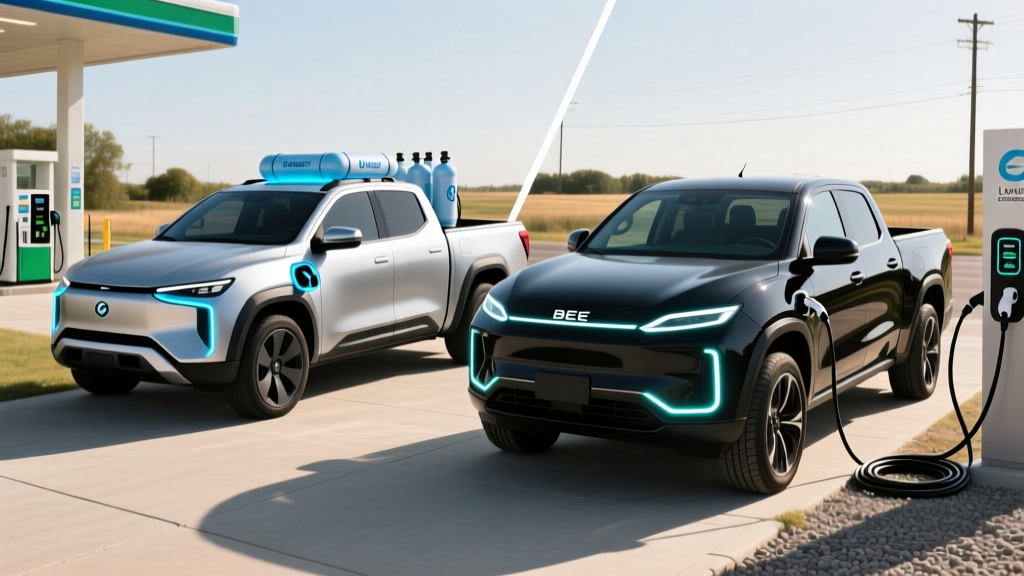
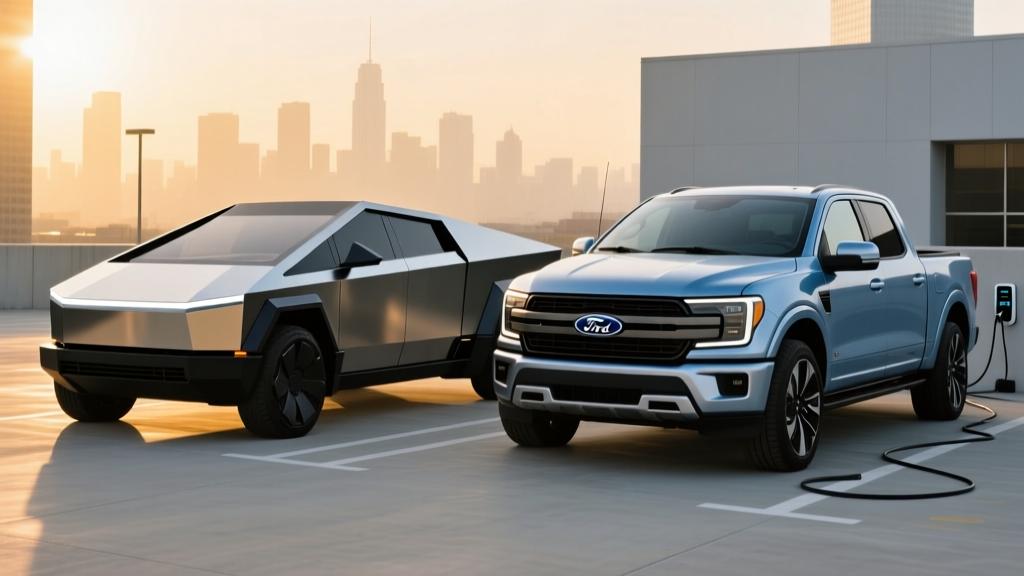
The EV market has grown dramatically, with offerings now spanning affordable compact hatchbacks, luxurious sedans, family-friendly SUVs, and even full-size pickup trucks. According to the International Energy Agency, global EV adoption continues to accelerate year over year, driven by falling battery costs and expanding model lineups.
Gas-Powered Cars (ICE Vehicles)
Internal combustion engine (ICE) vehicles burn gasoline or diesel to generate power. They have been the dominant form of personal transportation for over a century, and the refueling infrastructure — gas stations — is ubiquitous. Gas cars typically offer long driving ranges, quick refueling times, and a well-established maintenance ecosystem of dealerships and independent shops.
Modern gas vehicles have also become remarkably efficient thanks to turbocharging, direct injection, cylinder deactivation, and advanced transmissions. Many compact sedans now achieve upwards of 35 mpg combined, while hybrid variants push that figure even higher.
Side-by-Side Spec Comparison
The following table summarizes the key differences between a representative modern electric sedan and a comparable gas-powered sedan. These figures reflect typical EPA-rated values and independent test data for vehicles in the midsize family car segment.
| Specification | Electric Car (Typical EV Sedan) | Gas Car (Typical ICE Sedan) |
|---|---|---|
| Powertrain | Electric motor(s) + battery pack | Inline-4 / V6 engine + transmission |
| EPA-Estimated Range | 250–370 miles | 380–520 miles |
| Horsepower | 200–500+ hp | 180–300 hp |
| 0–60 mph | 3.0–6.5 seconds | 5.5–8.0 seconds |
| Energy/Fuel Cost per Mile | $0.03–$0.06 | $0.10–$0.16 |
| Refueling/Recharge Time | 15–45 min (DC fast charge) | 3–5 min |
| Starting MSRP Range | $28,000–$55,000 | $22,000–$40,000 |
| Annual Maintenance Cost | $300–$500 | $700–$1,200 |
| Drivetrain Warranty | 8 years / 100,000 miles (battery) | 5 years / 60,000 miles |
| Tailpipe Emissions | None | CO₂, NOₓ, particulates |
For a closer look at specific models and their verified performance data, check out our best electric SUVs roundup and our best EVs under $40,000 guide.
Range & Refueling: How Far Can You Go?
Range anxiety remains one of the most common concerns for prospective EV buyers, and it is easy to understand why. Gas cars have enjoyed a century-long advantage in both driving range and the speed of refueling. However, the gap has narrowed considerably.
Electric Vehicle Range
Modern EVs routinely achieve EPA-estimated ranges between 250 and 370 miles on a full charge. Several long-range models now exceed 350 miles, making them viable for road trips without excessive planning. The U.S. Department of Energy maintains a comprehensive database of EPA-rated range figures for every EV sold in the United States.
Real-world range can vary significantly based on driving conditions. Cold weather can reduce an EV's effective range by 20 to 30 percent, according to testing conducted by Consumer Reports. Highway driving at sustained high speeds also reduces range more than stop-and-go city driving, where regenerative braking recaptures energy.
Gas Car Range
A typical gas-powered sedan with a 14-gallon fuel tank and 35 mpg combined rating delivers roughly 490 miles of range. Larger vehicles and those with more efficient engines can push past 500 miles easily. The refueling advantage is undeniable: filling a tank takes three to five minutes at any of the more than 145,000 gas stations nationwide.
Charging Infrastructure
The public charging network has expanded rapidly. DC fast chargers capable of adding 150 to 250 miles of range in 15 to 30 minutes are increasingly common along major highways. Home charging remains the most convenient option for daily use — most EV owners do the vast majority of their charging at home overnight, waking up to a "full tank" every morning.
For buyers who frequently take long road trips or who lack access to home charging, a gas car or plug-in hybrid may still offer more convenience. But for daily commuting and regular driving patterns, the range offered by modern EVs is more than sufficient for the overwhelming majority of drivers.
Pricing & Total Cost of Ownership
Sticker price is only one piece of the financial puzzle. When you factor in fuel costs, maintenance, tax incentives, and depreciation, the total cost of ownership (TCO) tells a very different story.
Purchase Price
Gas cars generally have a lower starting MSRP than comparable EVs. A well-equipped compact gas sedan might start around $24,000, while a similarly sized EV could begin closer to $30,000 or more. However, this gap continues to shrink as battery costs decline and automakers introduce more affordable electric models.
Federal, state, and local incentives can significantly reduce the effective purchase price of an EV. The federal Clean Vehicle Credit provides up to $7,500 for qualifying new EVs and up to $4,000 for qualifying used EVs, subject to income and MSRP caps. Many states offer additional rebates or tax credits on top of federal incentives.
Fuel and Energy Costs
This is where EVs gain a decisive advantage. The cost of electricity per mile is typically one-third to one-quarter the cost of gasoline per mile. According to the U.S. Department of Energy, the average EV owner saves between $800 and $1,300 per year on fuel compared to a gas car driver. Over a ten-year ownership period, those savings can total $8,000 to $13,000 or more.
Maintenance Costs
EVs have far fewer moving parts than gas cars. There are no oil changes, spark plugs, timing belts, exhaust systems, or complex multi-speed transmissions to maintain. Brake wear is also reduced thanks to regenerative braking. Studies by Consumer Reports estimate that lifetime maintenance costs for an EV are roughly half those of a comparable gas vehicle.
Depreciation and Resale Value
Historically, EVs depreciated faster than gas cars due to concerns about battery longevity and rapid technological advancement. However, as battery warranties extend and consumer confidence grows, EV resale values have strengthened considerably. Popular models from established brands now hold their value competitively, especially as demand for used EVs rises.
Explore our best affordable electric cars list to find EVs that deliver outstanding value, and check our in-depth reviews for TCO breakdowns on specific models.
Performance & Driving Experience
The driving experience is where many EV skeptics become converts. Electric motors deliver maximum torque instantly from zero RPM, producing acceleration that feels effortless and immediate in a way that gas engines — with their turbo lag, gear shifts, and rev-building — simply cannot replicate.
Acceleration and Power
Even modestly priced EVs often outperform their gas-powered counterparts in the 0–60 mph sprint. A dual-motor electric sedan can hit 60 mph in under four seconds, rivaling sports cars that cost twice as much. Single-motor variants still deliver brisk acceleration in the five-to-six-second range, which is quicker than most four-cylinder gas sedans.
Handling and Ride Quality
EV battery packs are mounted low in the chassis, giving electric vehicles a naturally low center of gravity. This translates to flatter cornering, reduced body roll, and a planted feel on the highway. The added weight of the battery pack (typically 800 to 1,200 pounds more than an equivalent gas car) can affect ride comfort on rough roads, though most manufacturers tune their suspensions to compensate effectively.
Noise, Vibration, and Harshness (NVH)
Without the combustion, exhaust noise, and vibration of a gas engine, EVs are remarkably quiet. At highway speeds, the dominant sounds are wind noise and tire roar. Many drivers find this quietness to be one of the most immediately noticeable and appreciated differences after switching from a gas car.
Driving Dynamics Trade-Offs
The extra weight of an EV is noticeable during aggressive direction changes and braking from high speeds. Enthusiast drivers who prioritize razor-sharp handling on twisty back roads may still prefer the lighter, more agile feel of a well-sorted gas-powered sports sedan. That said, for the vast majority of daily driving scenarios, EVs deliver a smooth, refined, and surprisingly engaging experience.
Interior Space, Comfort & Cargo Practicality
Vehicle packaging differs meaningfully between electric and gas-powered platforms, and these differences affect interior space, cargo capacity, and overall practicality.
Dedicated EV Platforms
Vehicles built on dedicated EV platforms — often called "skateboard" architectures — benefit from the absence of a transmission tunnel, exhaust system, and bulky engine bay. This allows designers to push the wheels to the corners, create flat floors, and maximize cabin volume. Many EVs offer class-leading rear legroom and a front trunk ("frunk") that provides additional cargo space where a gas engine would normally sit.
Converted Platforms
Some automakers build EVs on modified gas-car platforms. These vehicles may retain a transmission tunnel hump in the rear floor and offer less optimized packaging. If interior space is a top priority, buyers should look for EVs built on purpose-built electric architectures, which our best electric SUVs guide highlights in detail.
Cargo Capacity
In the SUV and crossover segments, gas vehicles sometimes hold a slight advantage in total cargo volume because they do not need to accommodate a thick battery pack beneath the floor. However, the difference is often marginal — typically a matter of a few cubic feet — and the frunk on many EVs helps offset any deficit. Sedans and hatchbacks built on dedicated EV platforms frequently match or exceed the cargo space of their gas counterparts.
Seating and Comfort
The flat floor of a dedicated EV platform enables more flexible seating arrangements and improved comfort for middle-rear passengers who no longer need to straddle a driveshaft hump. Heated and ventilated seats, heat pump climate systems, and preconditioning features (which warm or cool the cabin while the car is still plugged in) are common on EVs and contribute to a premium comfort experience.
Technology, Safety & Features
Electric vehicles have become the technology showcase for the automotive industry. Automakers frequently debut their most advanced features — from over-the-air software updates to cutting-edge driver assistance systems — on EV models first.
Software and Connectivity
Most modern EVs feature large central touchscreens, sophisticated voice assistants, smartphone integration, and over-the-air (OTA) update capability. OTA updates allow automakers to improve vehicle performance, add new features, and fix bugs remotely — something that is far less common in the gas car world. Your EV can literally improve after you buy it, gaining new functionality through software downloads.
Driver Assistance and Autonomous Features
While advanced driver assistance systems (ADAS) are available on both EVs and gas cars, EVs tend to receive the latest generations of hardware and software first. Features like adaptive cruise control, lane-keeping assist, automated parking, and highway driving assistants are often standard or widely available on EVs. Some EVs offer hands-free highway driving systems that represent the cutting edge of semi-autonomous technology.
Energy Management Features
EVs come with unique technology features that gas cars simply do not have. These include detailed energy consumption monitoring, route planning with integrated charging stops, preconditioning schedules, vehicle-to-load (V2L) capability that lets you power external devices from your car's battery, and smart charging scheduling that takes advantage of off-peak electricity rates.
Safety Ratings
EVs consistently earn top safety ratings from both the National Highway Traffic Safety Administration (NHTSA) and the Insurance Institute for Highway Safety (IIHS). The rigid battery pack structure contributes to excellent crash protection, and the low center of gravity reduces rollover risk. Both EVs and gas cars are subject to the same rigorous federal safety standards.
Warranty Coverage & Long-Term Reliability
Long-term ownership peace of mind depends heavily on warranty coverage and proven reliability, and this is an area where EVs and gas cars differ in important ways.
Battery and Drivetrain Warranties
Federal regulations require that EV battery packs carry a minimum warranty of 8 years or 100,000 miles (10 years / 150,000 miles in states that follow California Air Resources Board standards). Many automakers match or exceed these minimums. This is substantially longer than the typical 5-year / 60,000-mile powertrain warranty on a gas car.
Long-Term Reliability
Electric motors are inherently simpler than internal combustion engines, with far fewer components that can wear out or fail. There are no timing chains to stretch, no head gaskets to blow, and no turbochargers to replace. The primary long-term concern for EVs is battery degradation. However, real-world data shows that most modern lithium-ion battery packs lose only 10 to 15 percent of their capacity over 150,000 to 200,000 miles of use — well within the warranty period for most manufacturers.
Gas engines, while well-understood and widely serviceable, have more failure points over high mileage. Transmission issues, exhaust system corrosion, fuel system failures, and emissions equipment problems are all common as gas vehicles age. According to reliability surveys, EVs tend to have fewer overall problems in the first five to eight years of ownership, though early-adopt models from new brands can carry more risk.
For detailed reliability scores and warranty breakdowns on specific models, visit our comprehensive vehicle reviews section.
The Verdict: Which Is Right for You?
There is no single winner in the electric cars vs gas cars debate — the right choice depends entirely on your driving habits, budget, living situation, and personal priorities. Here is our recommendation by buyer type:
Choose an Electric Car If:
- You have access to home charging: A garage or driveway where you can install a Level 2 charger makes EV ownership effortless for daily driving.
- You commute less than 250 miles round-trip: Modern EV range covers the vast majority of daily commutes with room to spare.
- You want to minimize operating costs: Lower fuel and maintenance expenses save thousands over the life of the vehicle.
- You value instant torque and a quiet cabin: The EV driving experience is refined, responsive, and surprisingly addictive.
- You want the latest technology: EVs lead the industry in software features, OTA updates, and driver assistance.
- Environmental impact matters to you: Zero tailpipe emissions and a cleaner energy grid make EVs the greener choice over their lifetime.
Choose a Gas Car If:
- You regularly drive long distances in rural areas: Sparse charging infrastructure and quick refueling make gas cars more practical for remote road trips.
- You have no access to home or workplace charging: Relying solely on public charging is possible but less convenient and often more expensive.
- Your budget is tight and you need the lowest upfront cost: Gas cars remain more affordable at entry-level price points.
- You tow heavy loads frequently: Gas trucks and SUVs still hold an advantage in maximum towing capacity and range while towing.
- You live in an extremely cold climate: While EVs function in cold weather, range reduction and charging speed impacts are real considerations.
Consider a Plug-In Hybrid (PHEV) If:
- You want the best of both worlds: PHEVs offer 25–50 miles of electric-only range for daily commuting plus a gas engine for longer trips. Browse our coverage of the best electrified vehicles for top PHEV picks.
Frequently Asked Questions
Are electric cars cheaper to own than gas cars in the long run?
In most cases, yes. While EVs often have a higher purchase price, significantly lower fuel costs (electricity vs. gasoline), reduced maintenance expenses (no oil changes, fewer moving parts), and available tax incentives typically result in a lower total cost of ownership over five to ten years. The break-even point varies by model, local electricity rates, and driving habits, but studies from the Department of Energy and independent analysts consistently show that EVs save owners money over the vehicle's lifetime. Use the DOE's side-by-side comparison tool to estimate savings for specific models.
How long do electric car batteries last before needing replacement?
Modern EV battery packs are designed to last the lifetime of the vehicle. Most manufacturers warranty their batteries for 8 to 10 years or 100,000 to 150,000 miles. Real-world data indicates that most battery packs retain 85 to 90 percent of their original capacity after 150,000 miles. Complete battery failure is rare, and individual cell modules can often be repaired rather than requiring a full pack replacement. Battery degradation is a gradual process — not a sudden failure — and most owners will never need to replace their battery during typical ownership.
Is charging an electric car really that much slower than filling up a gas tank?
It depends on how you charge. At home on a Level 2 charger, an EV replenishes overnight while you sleep — meaning you never spend time "refueling" during your day. For road trips, DC fast chargers can add 150 to 250 miles of range in 15 to 30 minutes, which is longer than a gas stop but often aligns well with natural rest and meal breaks. The charging experience is fundamentally different: rather than making a special trip to a gas station, most EV owners charge at home, at work, or while running errands. For the small percentage of driving that involves long road trips, planning charging stops adds some time but is increasingly manageable thanks to expanding fast-charging networks.
Do electric cars perform well in cold weather?
EVs operate perfectly well in cold weather, but there are measurable impacts. Battery efficiency decreases in freezing temperatures, which can reduce driving range by 20 to 30 percent. Charging speeds may also be slower until the battery warms up. However, modern EVs feature sophisticated thermal management systems, battery preconditioning (which warms the pack before charging or driving), and heat pump climate systems that minimize these effects. Many EV owners in cold-climate regions report high satisfaction, especially when they can precondition their vehicle while it is still plugged in at home — arriving at a warm car with a full battery every morning is an advantage gas cars cannot match.
Ready to find your next vehicle? Start with our best electric cars rankings, browse our top-rated electric SUVs, or dive into our detailed reviews for the full picture on every model that matters.