Shifting Into the Top Gear of EV Performance: Tesla Model 3 Performance vs. BMW i4 M50
The electric vehicle landscape has evolved far beyond simple compliance cars and hypermiling appliances. Today, the most exciting battleground in the automotive industry is the enthusiast sedan segment. For those seeking an electric car review top gear enthusiasts and premier automotive journalists would respect, the focus must remain on driving dynamics, chassis feedback, and raw thrill. Two heavyweights consistently dominate this conversation: the Tesla Model 3 Performance and the BMW i4 M50.
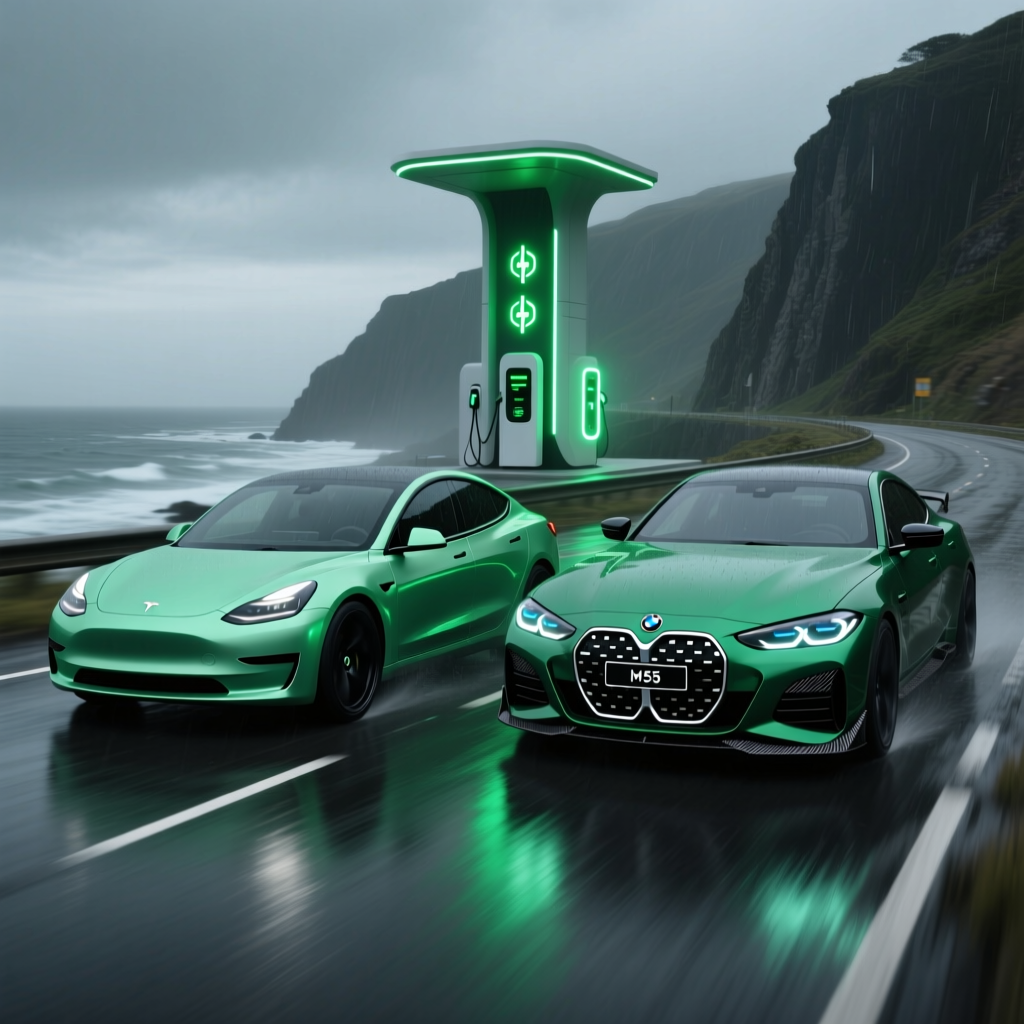
Both vehicles promise to deliver supercar-rivaling acceleration while maintaining the practicality of a four-door daily driver. However, their philosophies could not be more different. Tesla approaches the automobile as a high-speed software platform, prioritizing minimalist efficiency, over-the-air evolution, and a proprietary charging ecosystem. BMW, conversely, applies decades of Bavarian chassis tuning to an electrified powertrain, offering a more traditional, luxurious, and tactile driving experience. In this comprehensive head-to-head comparison, we will dissect every aspect of these two segment benchmarks to help you decide which EV deserves a spot in your garage.
Vehicle Overview
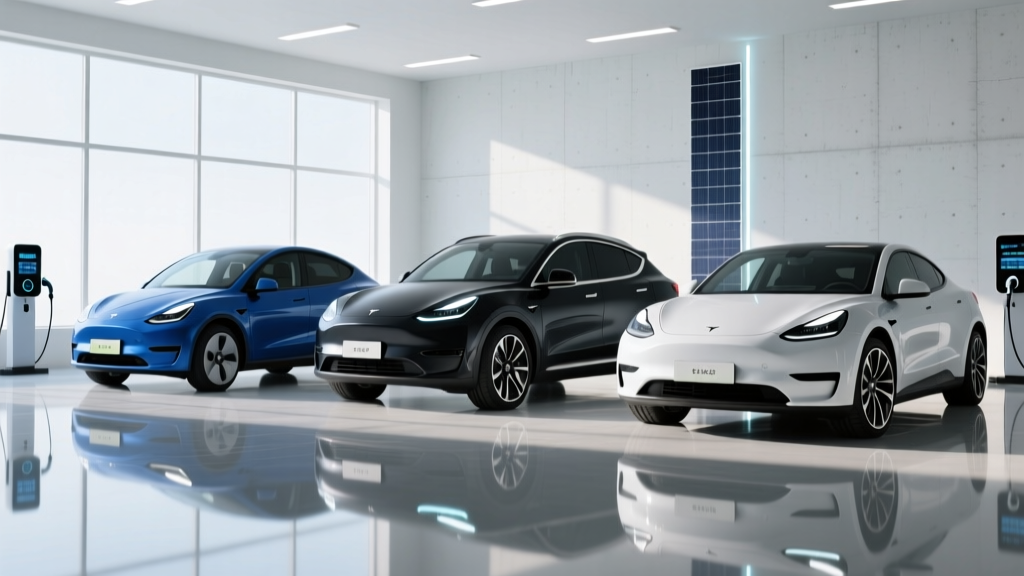
The Tesla Model 3 Performance has long been the undisputed king of the electric sports sedan hill. Built on a dedicated EV architecture, it benefits from a low center of gravity, optimal weight distribution, and continuous software refinements. It is the choice for the tech-forward driver who values minimalist design, industry-leading efficiency, and access to the most robust charging network on the planet.
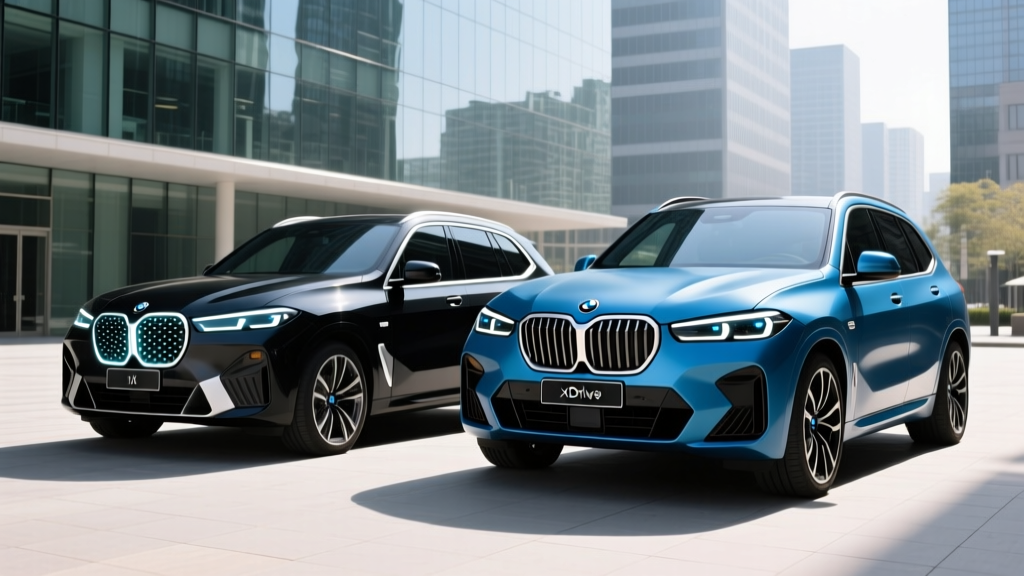
The BMW i4 M50, on the other hand, represents the establishment's answer to the EV revolution. Based on the highly acclaimed 4 Series Gran Coupe platform, the i4 M50 blends traditional luxury car sensibilities with M Division performance cues. It is heavier and less aerodynamically efficient than the Tesla, but it compensates with superior build quality, a more engaging driver interface, and a chassis that communicates beautifully with the road. Both cars frequently top our list of the best electric sedans, but they cater to distinctly different tastes.
Side-by-Side Specification Comparison
| Specification | Tesla Model 3 Performance | BMW i4 M50 |
|---|---|---|
| Drivetrain | Dual Motor AWD | Dual Motor AWD |
| Horsepower | 510 hp | 536 hp |
| Torque | 546 lb-ft | 586 lb-ft |
| 0-60 mph (Manufacturer) | 2.9 seconds | 3.7 seconds |
| Top Speed | 163 mph | 140 mph |
| EPA Estimated Range | 315 miles | 271 miles |
| Battery Capacity (Usable) | ~75 kWh | ~81.5 kWh |
| Max DC Fast Charging | 250 kW | 200 kW |
| Curb Weight | ~4,065 lbs | ~4,860 lbs |
Performance & Driving Dynamics
When evaluating performance, the Tesla Model 3 Performance is a masterclass in straight-line violence. Its dual-motor setup delivers instantaneous torque that pins you to the seat, easily achieving sub-three-second runs to 60 mph. But the true magic of the latest iterations lies in the adaptive damper system. Tesla has finally addressed the historical criticism of their suspension tuning, offering a setup that is remarkably compliant on the highway yet rigid and flat through aggressive cornering. The steering, while heavily assisted and somewhat numb, is razor-sharp in its responsiveness, making the car feel incredibly agile and eager to change direction.
The BMW i4 M50 takes a fundamentally different approach to performance. With nearly 800 pounds of extra weight compared to the Tesla, the BMW cannot match the Model 3 in a pure drag race. However, what the i4 M50 loses in outright sprinting, it makes up for in chassis communication and grand touring capability. The M-tuned air suspension and adaptive M dampers provide a level of ride refinement and body control that feels distinctly premium. The steering is weighted beautifully, offering a more natural feel that builds confidence on winding canyon roads.
Furthermore, BMW has partnered with composers to create 'IconicSounds Electric,' a synthetic but deeply engaging soundtrack that swells with your throttle input. While some purists may scoff at artificial engine noise, it undeniably adds a layer of theatricality to the driving experience that the silent Tesla lacks. If your definition of performance revolves around track days and drag strips, the Tesla is the undisputed champion. If you prefer a car that devours cross-country highways while carving backroads with poised elegance, the BMW is the superior driver's car.
Range & Efficiency
Efficiency is where Tesla's engineering prowess truly shines. Despite having a smaller battery pack, the Model 3 Performance achieves an EPA-estimated range of 315 miles. Tesla's industry-leading heat pump, advanced silicon carbide inverters, and obsessive aerodynamic optimization allow the car to extract maximum miles from every kilowatt-hour. In independent real-world highway testing, the Model 3 consistently outperforms its EPA ratings, making it a highly reliable companion for long-distance road trips.
The BMW i4 M50, burdened by its heavier curb weight and less aerodynamic Gran Coupe silhouette, achieves an EPA-estimated 271 miles. While this is a respectable figure for a luxury performance EV, it noticeably trails the Tesla. The BMW's larger battery pack helps offset its inefficiencies, but drivers will find themselves stopping to charge slightly more often on extended journeys. For the daily commuter, both vehicles offer more than enough range to handle a full week of driving without needing to plug in, but the Tesla's superior efficiency translates to lower long-term electricity costs and greater peace of mind in remote areas.
Charging Speed & Infrastructure
Charging infrastructure remains a critical factor in EV ownership, and this is an area where the two brands diverge significantly. Tesla's Supercharger network is widely regarded as the gold standard for reliability, ease of use, and geographic coverage. The Model 3 Performance can accept up to 250 kW of DC fast charging, allowing it to add up to 200 miles of range in just 15 minutes under optimal conditions. The seamless plug-and-charge experience, where the car handles authentication and billing automatically, removes almost all friction from road tripping.
BMW relies on third-party networks like Electrify America, EVgo, and ChargePoint. While these networks are rapidly improving, they can still suffer from occasional downtime or fragmented payment systems. The i4 M50 peaks at around 200 kW, meaning a 10-80% charge takes roughly 31 minutes. However, BMW has excellent battery pre-conditioning software that reliably prepares the pack for fast charging when a station is routed in the navigation system. It is also worth noting that as the industry adopts the North American Charging Standard (NACS), BMW will gain access to Tesla's Supercharger network via adapters, eventually leveling the playing field. Until then, Tesla retains a distinct logistical advantage. For a deeper dive into network compatibility, check out our comprehensive EV charging guide.
Interior Space & Comfort
Stepping inside the Tesla Model 3 Performance is an exercise in extreme minimalism. The cabin is devoid of physical buttons, relying entirely on the central 15.4-inch touchscreen for everything from climate control to mirror adjustments. The materials are high-quality vegan leather and soft-touch plastics, but the design can feel sparse to traditional luxury buyers. The seating position is surprisingly low for an EV, thanks to the dedicated skateboard platform, and the front seats offer excellent bolstering for aggressive driving. Rear seat space is adequate for adults on shorter trips, and the inclusion of a front trunk (frunk) alongside a deep rear trunk provides excellent cargo versatility.
The BMW i4 M50 offers a cabin that feels instantly familiar to anyone who has driven a modern luxury car. The massive curved display housing the digital instrument cluster and infotainment screen is visually stunning and ergonomically angled toward the driver. Physical toggle switches for the climate control and a traditional center console provide tactile feedback that the Tesla lacks. The materials are a step up, featuring premium leather, open-pore wood, and carbon fiber trim options. However, because the i4 is built on a platform shared with internal combustion vehicles, the floor is slightly higher, resulting in a somewhat 'knees-up' seating position in the rear. Cargo space is generous, utilizing a practical hatchback design, but it lacks a frunk.
Technology & Infotainment
Tesla's software ecosystem is arguably the most advanced in the automotive industry. The user interface is smartphone-like, incredibly responsive, and supported by regular over-the-air (OTA) updates that can fundamentally alter the car's behavior or add new features overnight. The native navigation is superb, integrating real-time Supercharger availability and battery pre-conditioning seamlessly. Additionally, the Model 3 offers a robust suite of entertainment options, including high-fidelity gaming, Netflix, and a premium audio system that rivals dedicated home theater setups. Tesla's Autopilot and Full Self-Driving (FSD) capabilities represent the cutting edge of vision-based advanced driver assistance systems (ADAS), though they require constant supervision.
BMW's iDrive 8 system is a masterpiece of traditional automotive infotainment. It offers wireless Apple CarPlay and Android Auto, which many users prefer over native systems. The integration of the digital assistant, voice commands, and steering wheel controls creates a layered approach to infotainment that allows drivers to keep their eyes on the road. The Harman Kardon surround sound system is exceptional, and the availability of a head-up display (HUD) is a major advantage for highway cruising. While BMW's OTA updates are mostly limited to software bug fixes and minor feature tweaks rather than deep vehicle transformations, the iDrive system remains a benchmark for stability and user-friendly logic.
Pricing, Warranty & Value
When evaluating value, the Tesla Model 3 Performance punches well above its weight class. It offers hypercar acceleration and top-tier software at a price point that significantly undercuts most European luxury sedans. Tesla's warranty includes a 4-year/50,000-mile basic vehicle coverage and an 8-year/120,000-mile battery and drive unit warranty. The lower starting price, combined with minimal maintenance requirements and high efficiency, makes the total cost of ownership highly attractive.
The BMW i4 M50 commands a premium price, reflecting its luxury badge, superior interior materials, and complex suspension hardware. Once you begin adding optional packages like the Premium Package, M Sport brakes, and advanced driver assistance features, the price can easily climb into the territory of much larger luxury sedans. BMW offers a 4-year/50,000-mile basic warranty and an 8-year/100,000-mile battery warranty. While the initial purchase price and depreciation curve may be steeper than the Tesla, the i4 M50 offers a level of build quality, dealership support, and prestige that many buyers are willing to pay for. To understand long-term battery health, read our analysis on EV battery degradation.
The Verdict: Which Enthusiast EV Wins?
Declaring a definitive winner between the Tesla Model 3 Performance and the BMW i4 M50 is impossible, as they are engineered for two entirely different philosophies of driving. The Tesla is the ultimate tech-forward performance bargain. It is the clear choice for the track-day enthusiast, the software geek, and the road-tripper who demands maximum range and the reliability of the Supercharger network. It shifts the automotive paradigm into the top gear of digital integration and raw, unadulterated speed.
The BMW i4 M50, however, is the ultimate grand touring EV. It is the perfect choice for the traditional luxury car buyer who wants to embrace electrification without sacrificing build quality, tactile controls, and chassis refinement. It rewards the driver with a more connected steering feel and a cabin that pampers rather than strips away. If you value the journey and the sensory experience of driving as much as the destination and the 0-60 time, the BMW is your champion.
Frequently Asked Questions
Which EV has better long-term reliability?
Tesla's drivetrains have proven to be incredibly robust, with many high-mileage examples showing minimal battery degradation. However, Tesla's exterior build quality and interior panel gaps have historically been points of contention, though they have improved significantly in recent production runs. BMW benefits from decades of manufacturing expertise, resulting in excellent fit and finish, but the complexity of its air suspension and luxury electronics can lead to higher out-of-warranty repair costs. Overall, the Tesla's simpler mechanical architecture gives it a slight edge in long-term powertrain reliability.
Can I take these electric cars to the track?
Yes, but with caveats. The Tesla Model 3 Performance features a dedicated Track Mode that allows you to customize torque distribution, stability control, and regenerative braking. It also utilizes advanced thermal management to keep the battery cool during sustained high-speed lapping. The BMW i4 M50 is an incredibly capable canyon carver, but its heavy curb weight and lack of dedicated track-focused thermal management modes mean it is more prone to battery thermal throttling during aggressive, sustained track use. For dedicated amateur racing, the Tesla is the better tool.
How do insurance costs compare between the two?
Insurance premiums for high-performance EVs are generally higher than their internal combustion counterparts due to the cost of battery replacements and specialized repair labor. The Tesla Model 3 Performance often carries slightly higher insurance rates due to its extreme acceleration and high theft/desirability rates, though Tesla's own insurance program (available in select regions) uses real-time driving data to offer competitive rates to safe drivers. The BMW i4 M50 is expensive to insure as a luxury performance vehicle, but traditional insurers are often more familiar with BMW's repair networks, which can sometimes result in more predictable premium calculations.
Do these models qualify for EV tax credits?
Tax credit eligibility is subject to complex and frequently changing government regulations regarding battery sourcing and final assembly. Historically, the Tesla Model 3 has frequently qualified for federal and state incentives due to its domestic manufacturing footprint. The BMW i4, being assembled in Germany, has often been excluded from certain federal purchase tax credits, though it may still qualify for state-specific rebates or leasing loopholes. We highly recommend consulting a tax professional or checking the latest official government databases before making a purchase decision, as these rules are strictly enforced and regularly updated.