Quick Answer: Is There a Fully Electric C-Class Mercedes?
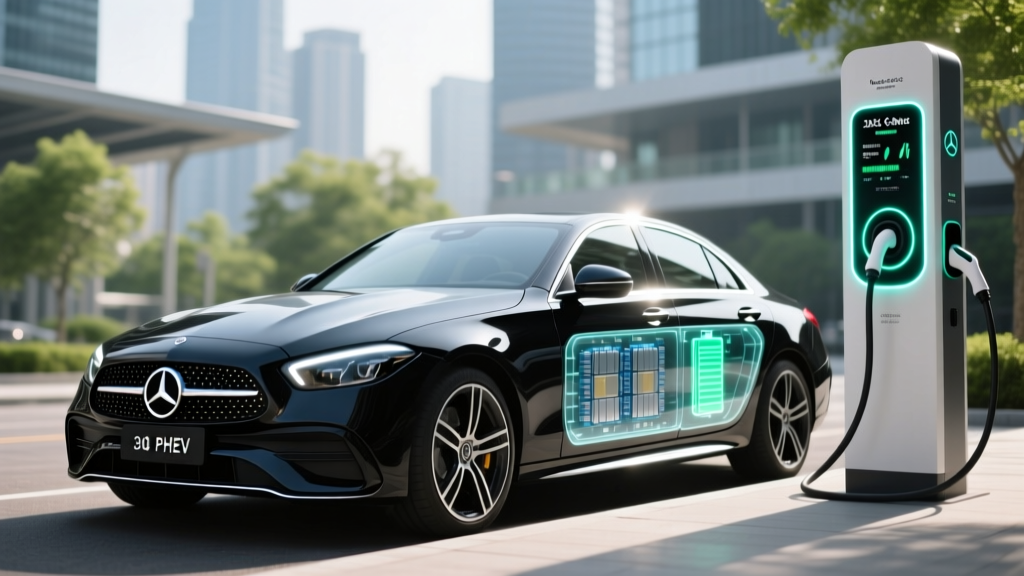
As of the 2026 model year, Mercedes-Benz does not sell a fully electric (BEV) C-Class sedan in the United States. The closest electrified C-Class is the C 300e plug-in hybrid (PHEV), which pairs a 2.0L turbocharged four-cylinder engine with an electric motor and a 25.4 kWh battery pack, delivering an EPA-estimated ~55 miles of electric-only range and an MSRP starting around $58,000. A fully battery-electric C-Class equivalent — likely badged under the EQ or a new naming convention — is anticipated later in the decade on Mercedes' upcoming MB.EA platform, but it is not yet available for purchase.
If you're searching for an "electric C-Class Mercedes," you're most likely looking at the C 300e PHEV or cross-shopping it against rivals like the BMW 330e xDrive or the Tesla Model 3. This guide breaks down the real numbers, costs, and ownership trade-offs to help you decide.
2026 Mercedes-Benz C 300e: Specs at a Glance
The C 300e is a plug-in hybrid, not a battery-electric vehicle. That distinction matters for everything from daily driving to tax credits. Here's the core spec sheet for the current-generation C 300e sedan:
| Specification | 2026 C 300e (PHEV) |
|---|---|
| Powertrain | 2.0L turbo I4 + electric motor (PHEV) |
| Combined System Output | 312 hp / 406 lb-ft torque |
| Battery Capacity | 25.4 kWh (total), ~21 kWh usable, NMC chemistry |
| EPA Electric-Only Range | ~55 miles |
| EPA Combined MPGe (EV mode) | ~68 MPGe |
| EPA Combined MPG (gas mode) | ~30 MPG |
| 0–60 mph | ~6.1 seconds |
| AC Charging (Level 2) | Up to 7.4 kW (~3 hours 0–100%) |
| DC Fast Charging | Not available on US-spec C 300e |
| Drivetrain | Rear-wheel drive (4MATIC AWD optional) |
| Starting MSRP | ~$58,000 (before options, destination) |
| Battery/Powertrain Warranty | 6 years / 62,000 miles (hybrid components) |
Real-World Range Reality: The EPA estimates ~55 electric-only miles. In practice, expect 45–50 miles in mixed suburban/highway driving at moderate temperatures. In winter conditions (below freezing), that figure can drop to 35–40 miles due to battery chemistry limitations and cabin heating demands. Once the battery depletes, the gas engine takes over at roughly 30 MPG combined.
PHEV vs. Gas vs. BEV: How the C 300e Compares
Shoppers researching an electric C-Class Mercedes typically cross-shop three categories: the C 300e PHEV, a conventional gas C 300, and fully electric alternatives like the Tesla Model 3 or BMW i4. Here's how they stack up on key ownership metrics:
| Metric | C 300e (PHEV) | C 300 (Gas) | Tesla Model 3 LR (BEV) | BMW i4 eDrive40 (BEV) |
|---|---|---|---|---|
| Starting MSRP | ~$58,000 | ~$47,000 | ~$44,000 | ~$57,000 |
| EPA Range / MPG | 55 mi EV + 30 MPG gas | 30 MPG combined | 358 mi (EPA) | 301 mi (EPA) |
| Annual Fuel/Energy Cost* | ~$900–$1,400 | ~$2,000 | ~$600–$800 | ~$650–$850 |
| Federal Tax Credit (§30D) | $3,750–$7,500 (if eligible) | None | Up to $7,500 (if eligible) | Up to $7,500 (if eligible) |
| Home Charging Needed? | Strongly recommended | No | Essential for most owners | Essential for most owners |
| Maintenance (5-yr est.) | ~$3,500 | ~$4,500 | ~$1,800 | ~$2,200 |
*Annual fuel/energy cost estimates based on 12,000 miles/year, $3.50/gallon gasoline, and $0.16/kWh national average electricity rate. Your actual costs depend on local utility rates, driving mix, and how often you charge the PHEV battery.
The C 300e occupies a middle ground. If your daily commute is under 50 miles and you can charge at home every night, you'll drive almost entirely on electricity during the week, only using gasoline for longer weekend trips. But if you can't charge at home, the PHEV advantage evaporates — you're carrying dead battery weight and getting the same 30 MPG as the gas-only C 300, for $11,000 more upfront.
Real Costs of Owning the C 300e
Let's break down five-year ownership costs for the C 300e compared to the gas C 300 and a fully electric rival. These estimates assume 12,000 miles per year, home charging for the PHEV/BEV, and national average energy/fuel prices.
| Cost Category (5 Years) | C 300e (PHEV) | C 300 (Gas) | Tesla Model 3 LR (BEV) |
|---|---|---|---|
| Purchase Price (MSRP) | $58,000 | $47,000 | $44,000 |
| Federal Tax Credit (§30D) | –$3,750 to –$7,500 | $0 | –$0 to –$7,500 |
| Home Charger Install (Level 2) | ~$1,200 | $0 | ~$1,200 |
| Fuel / Electricity (5 yrs) | ~$5,500 | ~$10,000 | ~$3,500 |
| Maintenance (5 yrs) | ~$3,500 | ~$4,500 | ~$1,800 |
| Insurance (5 yrs, avg) | ~$12,000 | ~$10,500 | ~$11,500 |
| Estimated 5-Yr Depreciation | ~$28,000 | ~$22,000 | ~$20,000 |
| Est. Total 5-Yr Cost | ~$76,000–$79,000 | ~$72,000 | ~$54,000–$61,000 |
Key takeaways from the cost data:
- The C 300e saves roughly $3,000–$4,500 in fuel and maintenance over five years compared to the gas C 300, but the higher purchase price and steeper depreciation largely offset those savings.
- A BEV like the Model 3 Long Range can be dramatically cheaper to own over five years — potentially $15,000–$20,000 less than the C 300e — if the tax credit applies and you charge primarily at home.
- Insurance for the C 300e runs higher than the gas C 300 due to the complexity and repair cost of hybrid powertrain components. Get a quote before committing.
- The §30D federal tax credit for the C 300e is not guaranteed. Eligibility depends on MSRP caps ($55,000 for sedans under current IRS rules — the C 300e often exceeds this), buyer income limits ($150,000 single / $300,000 joint AGI), and battery component/critical mineral sourcing requirements. Always verify current eligibility on IRS.gov before purchasing.
Real-World Ownership: What First-Time Electrified Buyers Must Know
If the C 300e is your first plug-in vehicle, several practical factors will determine whether you love it or regret it:
Home Charging Access Is Non-Negotiable for PHEV Value
The C 300e's 25.4 kWh battery charges at up to 7.4 kW on a Level 2 (240V) home charger, reaching a full charge in roughly 3 hours. On a standard 120V household outlet (Level 1), it takes about 12–14 hours. If you don't have access to a garage or dedicated parking spot where a Level 2 charger can be installed, you'll rarely drive in electric mode — and the PHEV premium is wasted money.
Level 2 home charger installation typically costs $800–$2,000 including equipment (a quality 32A or 40A unit runs $400–$700) and licensed electrician labor. If your home's electrical panel needs an upgrade to 200A service, add $1,500–$3,000. Always consult a licensed electrician for a site-specific quote.
No DC Fast Charging on the US C 300e
Unlike some European-market PHEVs, the US-spec C 300e does not support DC fast charging. You cannot pull up to an Electrify America or Tesla Supercharger station and top up in 20 minutes. For a PHEV with 55 miles of range, this is less of a limitation than it sounds — the gas engine covers longer trips. But it's worth knowing before you buy.
Climate Impacts Electric Range Significantly
In cold climates (sustained temperatures below 32°F), expect 20–30% reduction in electric-only range. That 55-mile EPA figure becomes 38–44 miles in winter. The C 300e uses a resistive heater rather than a heat pump for cabin warmth, which draws more from the battery. If you live in Minnesota or Maine, plan for winter electric range closer to 35 miles.
Driving Patterns Determine PHEV Economics
The C 300e makes financial sense only if a large portion of your driving falls within its electric range. If your one-way commute is 25 miles and you charge at home nightly, you'll use almost zero gasoline Monday through Friday. If your commute is 60 miles each way, you'll burn gas every day and the PHEV advantage narrows to marginal fuel savings in stop-and-go traffic.
Common Misconceptions About the Electric C-Class Mercedes
| Myth | Fact |
|---|---|
| "The electric C-Class is fully available now." | No fully electric (BEV) C-Class exists for 2026. The C 300e is a plug-in hybrid that still uses gasoline. A BEV C-Class equivalent is anticipated later this decade on the MB.EA platform. |
| "I'll get $7,500 in federal tax credits." | The §30D credit has strict MSRP caps ($55,000 for sedans), buyer income limits, and battery sourcing requirements. The C 300e's MSRP often exceeds the sedan cap, potentially reducing or eliminating the credit. Verify on IRS.gov. |
| "PHEVs don't need charging." | Without regular charging, the C 300e operates as a heavy gas sedan getting ~30 MPG — no better than the cheaper gas-only C 300. Plug in nightly to capture the value. |
| "The battery will need expensive replacement soon." | Mercedes covers hybrid battery components for 6 years / 62,000 miles. NMC batteries in PHEVs typically retain 85–90% capacity after 100,000 miles under normal use. Replacement, if needed out of warranty, runs $8,000–$12,000. |
| "PHEVs are maintenance-free like BEVs." | The C 300e still has an internal combustion engine requiring oil changes, spark plugs, transmission fluid, and exhaust system maintenance — on top of electric motor and battery system care. |
Decision Framework: Should You Buy the C 300e, Go Gas, or Go Full EV?
Buy the C 300e PHEV If:
- Your daily driving is under 50 miles round-trip and you have reliable home Level 2 charging.
- You want the C-Class interior, ride quality, and brand prestige but want to reduce weekday gasoline use.
- You take regular road trips exceeding 300 miles and don't want to plan around public charging infrastructure.
- You've confirmed §30D tax credit eligibility and the effective price works within your budget.
Buy the Gas C 300 If:
- You cannot install a home charger (apartment, street parking, no garage).
- Your daily commute exceeds 60 miles one-way, making the electric range largely irrelevant.
- Upfront cost is a primary concern — the gas C 300 starts ~$11,000 lower.
Buy a Full BEV (Tesla Model 3, BMW i4, or similar) If:
- You want the lowest total cost of ownership over 5+ years and can charge at home.
- You want zero tailpipe emissions and minimal maintenance (no oil, spark plugs, or exhaust).
- You're comfortable planning road trips around DC fast-charging networks and accepting real-world range of 280–330 miles on a full charge.
- You want access to the full $7,500 §30D credit (subject to eligibility — check fueleconomy.gov for qualifying models).
Frequently Asked Questions
When will Mercedes release a fully electric C-Class?
Mercedes-Benz has announced the MB.EA (Mercedes-Benz Electric Architecture) platform for mid-size electric vehicles, which is expected to underpin a future C-Class-equivalent BEV. However, no official US launch date has been confirmed as of early 2026. Industry estimates point to 2027–2028 at the earliest. Until then, the C 300e PHEV is the most electrified C-Class available.
Does the C 300e qualify for the $7,500 federal tax credit?
Possibly, but not automatically. Under current IRS §30D rules, the credit depends on the vehicle's MSRP (capped at $55,000 for sedans — and many C 300e trims exceed this), your adjusted gross income (capped at $150,000 single / $300,000 joint), and battery component and critical mineral sourcing requirements that tighten annually. The credit can also be transferred to the dealer as a point-of-sale discount. Always verify eligibility for the specific VIN with your dealer and a tax professional before purchase.
Can I charge the C 300e at a Tesla Supercharger?
No. The C 300e does not support DC fast charging of any kind — Tesla Supercharger, CCS, or CHAdeMO. It charges only via AC: Level 1 (120V household) or Level 2 (240V home or public AC charger) using a J1772 connector.
How long does the C 300e battery last?
Mercedes warranties the hybrid battery and related components for 6 years or 62,000 miles. Based on industry data for NMC PHEV batteries, you can expect 85–90% capacity retention at 100,000 miles under normal charging habits. To maximize longevity, avoid consistently charging to 100% and leaving the car at full charge in extreme heat — keeping the state of charge between 20% and 80% for daily use reduces degradation.
Is the C 300e cheaper to run than the gas C 300?
It depends entirely on your charging habits. If you charge nightly and drive under 55 miles daily, you'll spend roughly $600–$800/year on electricity for commuting, plus occasional gasoline for longer trips — totaling maybe $900–$1,400/year in combined energy costs. The gas C 300 at 30 MPG and $3.50/gallon runs about $2,000/year. That's $600–$1,100 in annual energy savings with the PHEV. But factor in the ~$11,000 higher purchase price and potentially higher insurance, and the payback period stretches to 10+ years without a tax credit.
What's the best alternative to the electric C-Class Mercedes?
If you want a fully electric luxury sedan in the C-Class size and price range, the BMW i4 eDrive40 (~$57,000, 301 mi EPA, 335 hp) is the closest direct competitor with strong build quality and DC fast charging up to 200 kW. The Tesla Model 3 Long Range (~$44,000, 358 mi EPA) offers superior range and value but a different luxury proposition. The Genesis Electrified G80 and Polestar 2 are also worth cross-shopping depending on your priorities.
Sources: fueleconomy.gov (EPA range and MPGe data), IRS.gov (§30D clean vehicle credit rules), Mercedes-Benz USA official specifications.