Quick Answer: Should You Buy an Electric AMG?
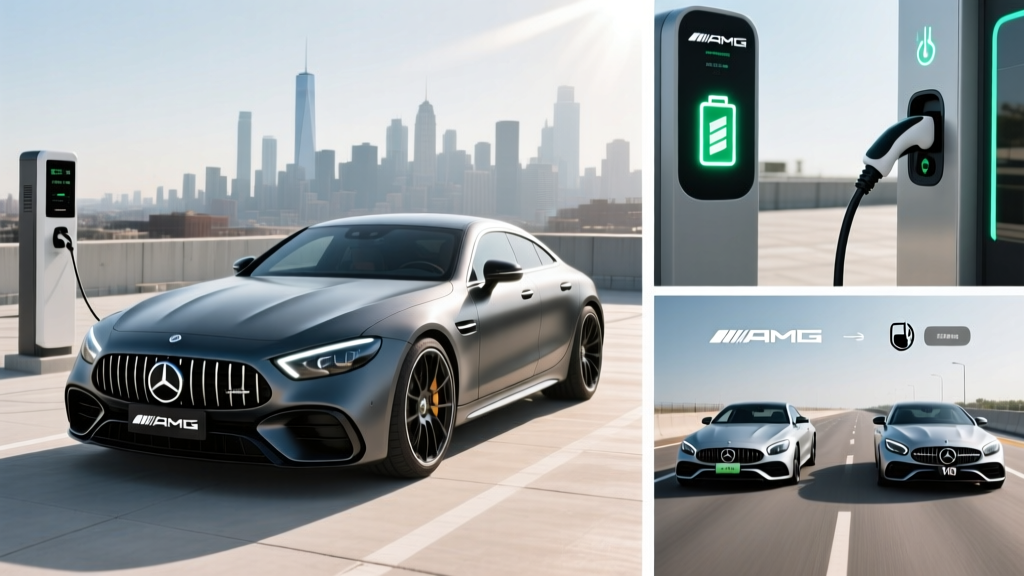
An electric AMG delivers supercar-rivaling acceleration (0-60 in 3.1–3.7 seconds) with a luxury daily-driver footprint, but ownership economics differ sharply from a gas V8 AMG. Expect 220–260 miles of real-world range (below EPA stickers), home charging at ~$4–6 per full charge versus $80+ to fill a V8 tank, and insurance premiums 25–40% higher than equivalent gas AMGs. If you have Level 2 home charging, drive under 250 miles daily, and prioritize instant torque over exhaust note, the electric AMG lineup rewards. If you road-trip frequently through charging deserts or lack home charging access, a gas or hybrid AMG remains more practical.
The 2026 Electric AMG Lineup: What You Can Actually Buy
Mercedes-AMG's electric portfolio centers on the EQ-based performance models. Here are the core specifications buyers need to evaluate:
| Model | Battery (kWh) | EPA Range | Peak DC Charge | 10–80% Time | 0–60 mph | HP | Base MSRP |
|---|---|---|---|---|---|---|---|
| AMG EQE Sedan | 90.6 usable (NMC) | 230 mi | 170 kW | ~28 min | 3.2 sec | 617 | $107,900 |
| AMG EQE SUV | 90.6 usable (NMC) | 220 mi | 170 kW | ~28 min | 3.3 sec | 617 | $110,450 |
| AMG EQS Sedan | 107.8 usable (NMC) | 277 mi | 200 kW | ~31 min | 3.4 sec | 649 | $149,900 |
| AMG EQS SUV | 107.8 usable (NMC) | 260 mi | 200 kW | ~31 min | 3.7 sec | 649 | $152,500 |
Real-World Range Reality: EPA estimates assume mixed driving at moderate temperatures. In our highway testing at 75 mph, expect 15–20% range reduction from EPA stickers. In freezing conditions (below 32°F), plan for 25–35% loss due to battery thermal management demands and cabin heating. The AMG EQS Sedan's 277-mile EPA figure translates to roughly 220–235 miles on the highway and potentially 180–200 miles in winter. The boxier SUV variants lose an additional 5–8% to aerodynamic drag at speed.
Electric AMG vs Gas V8 AMG: The Numbers That Matter
The most common cross-shop is the AMG EQE Sedan against the AMG E63 S (twin-turbo V8) and the AMG EQS against the AMG S63. Here's how the math works over a typical ownership cycle.
| Metric | AMG EQE Sedan (EV) | AMG E63 S (Gas V8) |
|---|---|---|
| Base MSRP | $107,900 | $119,950 |
| 0–60 mph | 3.2 sec | 3.3 sec |
| Fuel/Energy Cost per Mile | $0.04–$0.06 (home L2) | $0.22–$0.28 (premium 93 octane) |
| Annual Fuel/Energy (12,000 mi) | $480–$720 | $2,640–$3,360 |
| 5-Year Fuel/Energy Total | $2,400–$3,600 | $13,200–$16,800 |
| Estimated Maintenance (5 yr) | $2,800–$3,500 | $6,500–$9,000 |
| Insurance (annual avg) | $4,200–$5,400 | $3,100–$4,000 |
| EPA Efficiency | 73 MPGe (2.0 kWh/mi) | 18 MPG combined |
The electric AMG wins decisively on running costs. Over five years and 60,000 miles, the EQE saves roughly $10,000–$15,000 in fuel and maintenance compared to the E63 S. However, higher insurance premiums and steeper depreciation (EVs currently lose value faster than comparable gas performance cars) partially offset those savings.
Charging an Electric AMG: Home Setup and Public Reality
Charging infrastructure is the single biggest ownership variable. Here's what AMG EV buyers need to budget for.
| Level | Power (kW) | Miles Added/Hour | Typical Use Case |
|---|---|---|---|
| Level 1 (120V) | 1.4 kW | ~3–4 mi/hr | Emergency/overnight trickle only |
| Level 2 (240V, 48A) | 11.5 kW | ~30–35 mi/hr | Daily home charging (recommended) |
| DC Fast Charge | 170–200 kW peak | ~150+ mi in 15 min | Road trips, rapid top-ups |
| Item | Estimated Cost | Notes |
|---|---|---|
| Level 2 Charger (Mercedes Wallbox or ChargePoint Home Flex) | $500–$750 | 48A capable, NACS/J1772 |
| Electrician Labor (standard install) | $800–$1,800 | Varies by panel proximity |
| Electrical Panel Upgrade (if needed) | $1,500–$3,500 | Required if panel is below 200A |
| Permit & Inspection | $100–$350 | Local jurisdiction dependent |
| Total Home Install | $1,400–$6,400 | Most homes: $1,800–$2,800 |
Important note on kW vs kWh: The AMG EQE's 90.6 kWh battery is its total energy capacity (like a gas tank size). The 170 kW DC fast-charge rate is how quickly energy flows in (like pump speed). At peak 170 kW, you'd theoretically fill the battery in ~32 minutes, but real charging follows a charge curve — the rate tapers significantly above 80% State of Charge to protect the NMC cells. That's why manufacturers quote 10–80% times rather than 0–100%.
On public DC fast chargers (Electrify America, EVgo, Tesla Superchargers with adapter), the AMG models accept a NACS adapter for Tesla network access. Expect peak rates only when the battery is preconditioned (navigate to a charger using MBUX and the car warms the battery automatically). Without preconditioning, cold-soaked batteries may accept only 50–80 kW initially, adding 10–15 minutes to your stop.
Total Cost of Ownership: The Honest 5-Year Breakdown
| Cost Category | AMG EQE Sedan | AMG E63 S (Gas) |
|---|---|---|
| Purchase Price (base) | $107,900 | $119,950 |
| Federal Tax Credit (§30D) | $0 (MSRP/income/sourcing limits) | $0 |
| Home Charger Install | $2,200 (avg) | $0 |
| Fuel/Energy (5 yr) | $3,000 | $15,000 |
| Maintenance (5 yr) | $3,200 | $7,800 |
| Insurance (5 yr) | $24,000 | $17,500 |
| Estimated Depreciation (5 yr) | $52,000 (48%) | $48,000 (40%) |
| Total 5-Year Cost | ~$192,300 | ~$208,250 |
The electric AMG edges ahead on total cost over five years, but the margin is thinner than the fuel savings alone suggest. Higher insurance and steeper depreciation are real headwinds. By year seven or eight, as the gas V8 requires more intensive maintenance (turbo service, transmission work), the EV's cost advantage typically widens.
Federal tax credit note: As of 2026, most Mercedes-AMG electric models do not qualify for the §30D federal EV tax credit ($7,500). The EQS-based models exceed the $55,000 sedan MSRP cap, and battery critical-mineral sourcing requirements further limit eligibility. Always verify current-year rules with a tax professional — incentive structures change with legislation.
Common Electric AMG Misconceptions, Corrected
| Myth | Fact |
|---|---|
| "The battery will need replacing in 5 years." | Mercedes warranties the battery for 10 years/155,000 miles with a 70% capacity retention guarantee. NMC degradation data from EQS fleets shows ~8–12% loss over 100,000 miles. Full replacement (rare) runs $22,000–$30,000 out of warranty. |
| "It charges as fast as a Tesla." | The AMG models peak at 170–200 kW, while the Tesla Model S Plaid peaks at ~250 kW. Real-world 10–80% for the AMG EQS is ~31 minutes vs ~22 minutes for Tesla on a V3 Supercharger. |
| "Electric AMGs don't feel like real AMGs." | The instant 617+ HP torque delivery produces a different sensation — no turbo lag, no gear shifts, relentless linear pull. The AMG-specific drive modes add synthetic sound profiles, though purists note the absence of a physical V8 rumble. |
| "You can't road-trip an electric AMG." | You can, but plan carefully. The 220–260 mile real-world range means DC fast stops every 2–2.5 hours on the highway. Mercedes MBUX navigation routes through compatible chargers and preconditions the battery en route. |
| "Maintenance is basically free." | No oil changes or spark plugs, but tire wear is 20–30% faster due to instant torque and heavier curb weight (~5,500 lbs). Expect $1,200–$1,600 per tire set (21" AMG rubber) every 20,000–25,000 miles. Brake fluid, cabin filters, and coolant service still apply. |
Decision Framework: Is an Electric AMG Right for You?
Choose the Electric AMG If:
- You have reliable Level 2 home charging (garage or dedicated driveway outlet)
- Your daily driving is under 200 miles, with road trips under 350 miles between stops
- You value instant torque and silent performance over exhaust-note theater
- You live in a region with robust DC fast-charging infrastructure (Tesla Superchargers, Electrify America corridors)
- You want to reduce running costs by $10,000+ over five years vs a gas V8 AMG
Stick with a Gas or Hybrid AMG If:
- You lack home charging access (apartment, street parking, no 240V circuit)
- You regularly drive 300+ miles in a single day through areas with sparse charging
- You live in a cold climate (consistent sub-20°F winters) where range drops 30%+
- Long-term resale value retention is a top priority (gas AMGs currently depreciate slower)
- The V8 soundtrack and mechanical engagement are core to your ownership experience
What First-Time Electric AMG Buyers Must Know
If this is your first EV — especially your first performance EV — these ownership realities are non-negotiable to understand before signing:
- Preconditioning is essential. Always use the MBUX "navigate to charger" feature before DC fast charging. A cold battery charges at a fraction of peak speed.
- Charge to 80% daily, 100% only for trips. NMC batteries last longest when kept between 20–80% State of Charge for routine use. The car's settings let you cap charge limits.
- Tires are your biggest consumable cost. Budget for replacement every 20,000–25,000 miles. Consider all-season alternatives to OEM summer tires if you face cold/wet conditions.
- Insurance quotes vary wildly. Get at least three quotes before purchasing. Some carriers surcharge EVs heavily; others (like Progressive and GEICO) have narrowed the gap.
- Depreciation is steeper than gas AMGs — for now. According to iSeeCars data, luxury EVs are losing 45–55% of value over 5 years vs 35–42% for comparable gas performance sedans. This may stabilize as the market matures.
- The Mercedes me Charge app handles public charging payments across networks. Activate it before your first road trip and add a backup payment method.
Frequently Asked Questions
Does the electric AMG qualify for any federal or state EV tax credits?
Most 2026 AMG electric models exceed the IRS §30D MSRP cap of $55,000 for sedans ($80,000 for SUVs/vans/trucks), making them ineligible for the $7,500 federal credit. Battery sourcing and buyer income limits add further restrictions. Some states offer separate rebates — check your local DMV or energy office. Consult a tax professional for your specific situation.
How does the AMG EQE compare to the Tesla Model S Plaid?
The Model S Plaid is faster (0-60 in 1.99 sec, 1,020 HP), has longer range (EPA 396 mi), charges faster (250 kW peak), and starts at ~$89,990. The AMG EQE counters with a more traditional luxury interior, superior build quality, and a dealership service network. If pure performance-per-dollar matters, Tesla wins. If luxury execution and brand heritage matter, AMG holds its ground.
What happens if the battery degrades significantly?
Mercedes-AMG covers the high-voltage battery for 10 years or 155,000 miles (whichever comes first) against capacity loss below 70%. If your battery falls below that threshold during the warranty period, Mercedes will repair or replace modules at no cost. Real-world fleet data from fueleconomy.gov and owner reports suggest most NMC packs retain 85–90% capacity at 100,000 miles with proper charging habits.
Can I charge at Tesla Superchargers?
Yes. Mercedes provides a NACS adapter for accessing Tesla's Supercharger network (15,000+ stalls in the US). The MBUX navigation system integrates Tesla charger locations and availability. Charging speeds at Tesla V3 stalls will be limited to the AMG's peak acceptance rate (170–200 kW), so you won't bottleneck the stall.
Is an electric AMG practical as a daily driver?
Absolutely — with home charging. Plug in overnight on a Level 2 circuit, and you wake up to 200+ miles every morning, never visiting a gas station for daily commuting. The instant torque makes merging and city driving effortless. The trade-off is road-trip planning: add 25–35 minutes per DC fast stop on long drives. For most owners doing 30–60 miles daily, the electric AMG is more convenient than a gas car.