The Quick Answer: Which Chevy SUV EV Should You Buy?
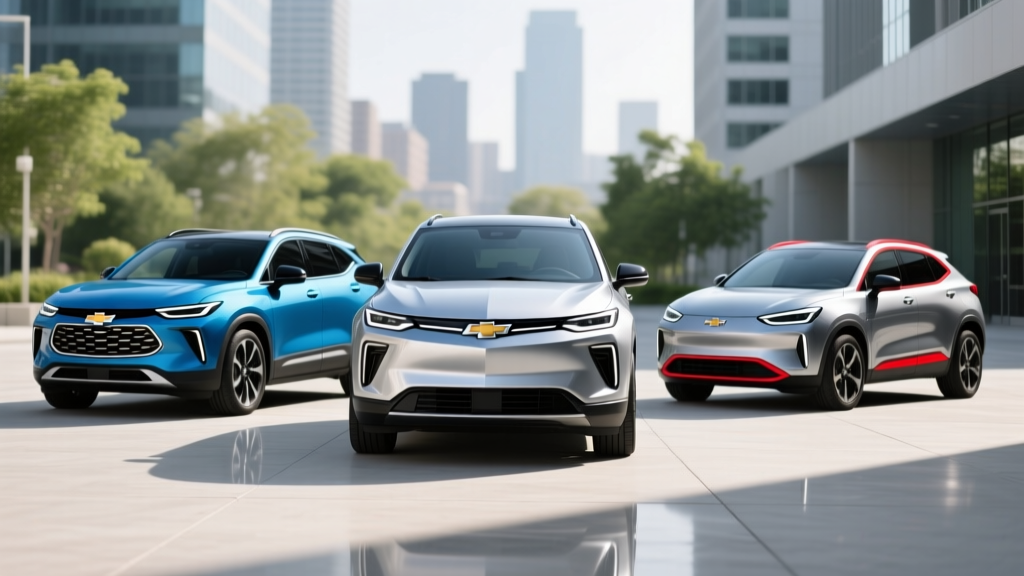
If you're shopping for a Chevy SUV EV in 2026, Chevrolet offers three main options spanning $27,000 to $57,000. The Equinox EV (319 miles EPA, ~$33,000 base) is the value-and-range pick for most families. The Blazer EV (324 miles EPA, ~$44,000 base) delivers more power, space, and a sportier drive. The Bolt EUV (247 miles EPA, ~$27,800 base) remains the budget entry point if you can accept slower DC fast charging. All three qualify for up to $7,500 in federal tax credits under current IRS §30D rules — but eligibility depends on your income, the vehicle's MSRP, and battery-sourcing requirements that shift yearly.
2026 Chevy SUV EV Lineup: Side-by-Side Specs
Chevrolet's electrified SUV lineup covers three distinct segments. Here's how the numbers stack up across the board.
| Spec | 2026 Bolt EUV | 2026 Equinox EV | 2026 Blazer EV |
|---|---|---|---|
| EPA Range (max trim) | 247 mi | 319 mi | 324 mi |
| Battery Capacity (usable) | 65 kWh (NMC) | 85 kWh (NMC) | 102 kWh (NMC) |
| Peak DC Fast Charge | 55 kW | 150 kW | 190 kW |
| 10–80% DCFC Time | ~55 min | ~30 min | ~25 min |
| Level 2 Charge Rate | 11.5 kW | 11.5 kW | 11.5 kW |
| Horsepower (max AWD) | 200 hp (FWD only) | 288 hp (AWD) | 557 hp (SS AWD) |
| 0–60 mph | ~7.0 sec | ~5.9 sec (AWD) | ~3.4 sec (SS) |
| Cargo Volume | 54.4 cu ft | 57.2 cu ft | 60.8 cu ft |
| Starting MSRP | $27,800 | $33,000 | $44,000 |
| Battery/Powertrain Warranty | 8 yr / 100,000 mi | 8 yr / 100,000 mi | 8 yr / 100,000 mi |
Sources: EPA / fueleconomy.gov, Chevrolet Electric. Real-world highway range typically runs 10–15% below EPA; cold weather (below 30°F) can reduce range an additional 15–25% depending on cabin heat usage and whether the vehicle is preconditioned.
Real-World Range Reality Check
Equinox EV RS AWD (319 mi EPA): Expect ~270–285 miles on a mixed highway trip at 70 mph. In winter conditions (20°F), plan for ~230–255 miles unless you precondition while plugged in.
Blazer EV 2LT (324 mi EPA): The larger 102 kWh battery gives a bigger buffer. Highway: ~280–295 miles. Winter: ~245–270 miles.
Bolt EUV (247 mi EPA): Highway driving drops this to ~210–225 miles. Winter: ~175–200 miles. This is the critical limitation of the budget pick.
Chevy SUV EV vs. Gas Equivalents: The Cost Math
The sticker price of an EV is only half the equation. Here's a five-year cost comparison between the Equinox EV 3RS ($41,900 MSRP, AWD) and a comparably equipped gas-powered Equinox RS AWD (~$38,500 MSRP).
| 5-Year Cost Category | Equinox EV 3RS (AWD) | Gas Equinox RS (AWD) |
|---|---|---|
| Purchase Price (MSRP) | $41,900 | $38,500 |
| Federal Tax Credit (§30D) | −$7,500 (if eligible) | $0 |
| Effective Purchase Price | $34,400 | $38,500 |
| Energy/Fuel (60,000 mi) | $3,400 (home L2 @ $0.14/kWh) | $7,500 (25 MPG @ $3.50/gal) |
| Maintenance (5 yr) | ~$1,200 | ~$3,800 |
| Insurance (est. avg) | ~$9,500 | ~$8,200 |
| 5-Year Total | $48,500 | $58,000 |
Net 5-year savings with the EV: ~$9,500 — but only if you qualify for the full tax credit and charge primarily at home. Public DC fast charging at $0.40–$0.50/kWh pushes energy costs closer to gas parity. Insurance premiums for EVs run 10–20% higher on average due to repair cost structures; get quotes before committing.
Maintenance savings are real and structural: no oil changes, no spark plugs, no transmission fluid, and regenerative braking extends pad life to 80,000+ miles in typical driving. You'll still need cabin air filters, brake fluid checks, coolant service, and tire rotations (EVs wear tires ~20% faster due to weight and instant torque).
Charging at Home vs. Public: What It Actually Takes
The single biggest ownership variable isn't the vehicle — it's whether you can charge at home. Here's the practical breakdown.
| Charging Level | Power (kW) | Miles Added per Hour | Best For |
|---|---|---|---|
| Level 1 (120V outlet) | 1.2–1.4 kW | 3–5 mi/hr | Bolt EUV overnight top-ups; emergency only for larger packs |
| Level 2 (240V home) | 7.7–11.5 kW | 25–40 mi/hr | Daily charging for all three models; full overnight recharge |
| DC Fast Charge | 55–190 kW | 150–500 mi/hr (peak) | Road trips; not for daily use (accelerates degradation slightly) |
Home Level 2 Installation: Real Costs
A Level 2 home charger (240V, 48-amp circuit) is the practical baseline for Equinox EV and Blazer EV owners. Here's what to budget:
| Item | Cost Range |
|---|---|
| Level 2 charger hardware (e.g., ChargePoint Home Flex, Emporia Vue) | $400–$700 |
| Electrician labor (240V/50A circuit, 20–40 ft run) | $800–$2,000 |
| Permit & inspection | $100–$300 |
| Electrical panel upgrade (if needed, 100A→200A) | $1,500–$3,500 |
| Typical total (no panel upgrade) | $1,300–$3,000 |
Critical caveat: If your home has a 100-amp panel with limited breaker space, you may need a panel upgrade before installing a 48-amp charger. Get a licensed electrician to assess your panel before buying hardware. Some utilities offer rebates of $250–$1,000 for Level 2 installations — check with your local provider.
For Bolt EUV owners with short commutes (under 40 miles daily), Level 1 charging from a standard 120V outlet may be sufficient — it adds roughly 30–40 miles overnight. Equinox EV and Blazer EV owners with larger batteries should treat Level 2 as essential; a full recharge on Level 1 would take 3+ days.
Federal Tax Credit: What You Actually Qualify For
The §30D Clean Vehicle Credit offers up to $7,500, but eligibility is a three-part test. As of 2026, the IRS requires:
- Buyer income caps: Modified AGI ≤ $150,000 (single), ≤ $300,000 (married filing jointly), ≤ $225,000 (head of household)
- Vehicle MSRP caps: ≤ $80,000 for SUVs (all three Chevy SUV EVs qualify on MSRP)
- Battery sourcing: Increasing percentages of battery components must be manufactured or assembled in North America, and critical minerals must be sourced from the U.S. or free-trade-agreement partners. These thresholds tighten annually.
- Point-of-sale transfer: You can now transfer the credit to the dealer at purchase, reducing your out-of-pocket cost immediately rather than waiting for tax filing.
Important: Battery-sourcing rules have disqualified some EVs that previously qualified. Always verify current eligibility on IRS.gov or ask the dealer for the vehicle's specific credit status before signing. State incentives (California, Colorado, New York, and others) may stack on top — check your state's energy office.
Common EV Misconceptions — Fact-Checked
| Myth | Fact (with Data) |
|---|---|
| "EV batteries need replacing every few years." | GM's Ultium batteries carry an 8-year/100,000-mile warranty guaranteeing ≥70% capacity retention. Real-world data from Recurrent shows most modern NMC packs retain 90%+ capacity at 100,000 miles. Replacement, if ever needed, runs $12,000–$18,000 out of warranty. |
| "EVs don't work in cold weather." | Range drops 15–25% in sub-freezing temps — real, but manageable. A 319-mile Equinox EV still delivers ~240+ miles in winter. Preconditioning while plugged in recovers much of the loss. Heat pumps (standard on Blazer EV, available on Equinox EV) reduce cabin-heating energy draw by ~30%. |
| "Charging takes too long for road trips." | The Blazer EV peaks at 190 kW, adding ~180 miles in 15 minutes. Plan charging stops around rest breaks. The Bolt EUV's 55 kW peak is the real road-trip bottleneck — 55 minutes for 10–80%. |
| "EVs are worse for the environment because of battery mining." | Lifecycle analyses from Argonne National Lab show EVs produce 50–70% fewer lifetime emissions than gas equivalents in the U.S. grid mix, even accounting for battery production. The grid is getting cleaner every year, widening this gap. |
| "I'll be stranded with no charging stations." | The U.S. now has 70,000+ public charging ports. However, reliability varies — Electrify America and Tesla Superchargers lead in uptime. Rural corridors and apartment dwellers without home charging face real access gaps. Plan accordingly. |
Decision Framework: Which Chevy SUV EV Fits You?
Choose the Bolt EUV ($27,800) if:
- Your daily commute is under 50 miles round-trip
- You rarely take road trips over 200 miles
- Budget is the top priority and you want the lowest entry price
- You can charge at home (Level 1 may suffice for short commutes)
- You accept that DC fast charging is slow (~55 min, 10–80%)
Choose the Equinox EV ($33,000) if:
- You want the best range-per-dollar ratio in the Chevy lineup
- You need 300+ miles of EPA range for moderate road trips
- You want a practical family SUV with decent cargo space (57.2 cu ft)
- You value low operating costs over performance
- This is your first EV and you want a forgiving ownership experience
Choose the Blazer EV ($44,000) if:
- You want performance (SS trim: 557 hp, 3.4-sec 0–60) alongside practicality
- You need maximum cargo space (60.8 cu ft) and a roomier rear seat
- Faster DC charging (190 kW peak, ~25 min 10–80%) matters for road trips
- You're willing to pay a $10,000+ premium over the Equinox EV for refinement and power
- You want available Super Cruise (Level 2 hands-free driving on mapped highways)
⚠️ Important Limitations Across All Three Models
- No NACS port (yet): The 2026 Equinox EV and Blazer EV still use CCS1 connectors. GM has committed to NACS for future models, but for now you'll need a CCS-to-NACS adapter for Tesla Supercharger access (included with some trims, ~$200 aftermarket).
- Super Cruise is Level 2, not self-driving: You must remain attentive and ready to take over at all times. It works only on ~400,000+ miles of mapped divided highways.
- Towing is limited: The Blazer EV is rated for up to 1,500 lbs — fine for a small trailer, not for a boat or camper. The Equinox EV is not rated for towing.
- Insurance costs more: Budget 10–20% higher premiums vs. gas equivalents. Get quotes from your insurer before purchasing.
First-Time EV Buyer Checklist
- Confirm home charging feasibility. Do you have a garage or driveway with access to a 240V outlet or the ability to install one? Apartment/condo dwellers should check with property management before buying.
- Get a Level 2 install quote. A licensed electrician can assess your panel capacity and give you a firm number. Do this before ordering the vehicle.
- Verify tax credit eligibility. Check IRS.gov for current-year sourcing requirements. Ask the dealer for the vehicle's specific §30D status in writing.
- Get insurance quotes. Compare premiums for the specific trim you're buying. EV insurance varies significantly by model and insurer.
- Download the charging apps. PlugShare, ChargePoint, EVgo, and Electrify America — map the chargers along your common routes before delivery day.
- Learn preconditioning. Set your departure time in the Chevy app so the battery warms to optimal temperature while plugged in — this preserves range and enables faster DC charging.
Frequently Asked Questions
Is the Chevy Equinox EV a good first EV?
Yes — the Equinox EV is one of the strongest first-EV choices in 2026. Its 319-mile EPA range eliminates range anxiety for most drivers, Level 2 home charging covers daily needs easily, and the ~$33,000 starting price (potentially ~$25,500 after the federal credit) makes it genuinely affordable. The main compromise is modest performance (288 hp AWD) and a CCS1 port that requires an adapter for Tesla Superchargers.
How long does it take to charge a Blazer EV at home?
From 10% to 100% on a Level 2 (11.5 kW) home charger, the Blazer EV's 102 kWh battery takes roughly 8.5–9 hours. Most owners plug in when they get home and wake up to a full charge every morning. You'll rarely deplete the battery fully in daily driving — a 60-mile round-trip commute uses about 20% of the pack, which recharges in under 2 hours on Level 2.
Can I road-trip in a Bolt EUV?
You can, but plan carefully. The 55 kW peak DC fast-charge rate means 10–80% takes about 55 minutes, and 247 miles of EPA range drops to ~175–200 miles in cold weather or sustained highway driving. For road trips over 300 miles, you'll need at least two charging stops. The Equinox EV or Blazer EV are significantly better road-trip companions.
Will the Chevy SUV EV battery last 10 years?
Based on current degradation data from similar Ultium and NMC packs, yes. GM warranties the battery for 8 years/100,000 miles with at least 70% capacity retention. Independent fleet data suggests most modern liquid-cooled NMC batteries retain 85–92% capacity at 150,000 miles. To maximize longevity, avoid routinely charging to 100% on DC fast chargers and try to keep daily State of Charge between 20–80%.
Do I need a panel upgrade for a home charger?
It depends on your existing electrical service. Homes with 200-amp panels and available breaker slots typically don't need an upgrade. Homes with 100-amp service or panels near capacity may require a $1,500–$3,500 upgrade. A licensed electrician can determine this with a quick assessment — get this done before purchasing a charger.