Quick Answer: Which Electric Chevy Car Should You Buy?
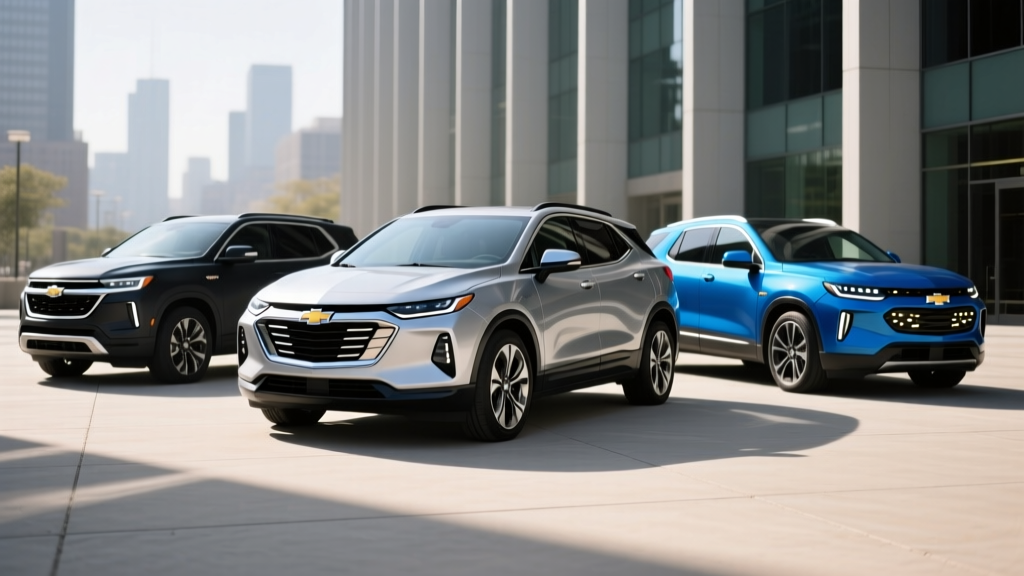
Chevrolet's 2026 EV lineup spans three distinct models built on GM's Ultium platform. The Equinox EV starts around $33,600 with up to 319 miles of EPA range and is the best value pick for commuters and small families. The Blazer EV offers a sportier midsize crossover experience with up to 324 miles EPA, starting near $44,600. The Silverado EV targets truck buyers needing up to 492 miles EPA range and serious towing, starting around $57,900. All three qualify for varying levels of the federal §30D tax credit depending on battery sourcing, your income, and the MSRP cap — always verify current eligibility at IRS.gov before purchasing.
The 2026 Electric Chevy Car Lineup at a Glance
Chevrolet has committed fully to the Ultium battery architecture, and by 2026 the electric Chevy car portfolio covers the three highest-volume segments in the U.S.: compact crossover, midsize crossover, and full-size pickup. Each model uses a variant of GM's NMC (nickel-manganese-cobalt) lithium-ion battery packs, with module-level thermal management and liquid cooling to sustain charging speeds and limit degradation.
| Spec | Equinox EV | Blazer EV | Silverado EV |
|---|---|---|---|
| EPA Range (max) | 319 mi | 324 mi | 492 mi |
| Battery (usable kWh) | ~85 kWh | ~102 kWh | ~200 kWh |
| Chemistry | NMC | NMC | NMC |
| Peak DC Fast Charge | 150 kW | 190 kW | 350 kW |
| 10–80% DC Time | ~33 min | ~24 min | ~20 min |
| Level 2 Home Charge | 11.5 kW | 11.5 kW | 19.2 kW |
| 0–60 mph | ~7.2 sec | ~4.0 sec (SS) | ~4.5 sec (4WT) |
| Horsepower | 213 hp | 557 hp (SS) | 754 hp (4WT) |
| Base MSRP | ~$33,600 | ~$44,600 | ~$57,900 |
| Battery Warranty | 8 yr / 100k mi | 8 yr / 100k mi | 8 yr / 100k mi |
Real-World Range: What to Actually Expect
EPA estimates are measured under controlled conditions. In real-world driving — especially sustained highway speeds above 70 mph, cold temperatures below 40°F, or hilly terrain — expect to lose 10–25% from the sticker number. A 319-mile Equinox EV might deliver 255–285 miles on a cold highway day. The Silverado EV's 492-mile EPA figure is remarkable, but towing a trailer can cut that by 40–50%. Always plan road trips around 70–80% of the EPA number for safety margin.
Cost Breakdown: Purchase, Charging, and Ownership
The sticker price is only the beginning. A proper electric Chevy car buying decision requires looking at total cost of ownership across five years — including fuel savings, maintenance differences, insurance premiums, and available incentives.
| Cost Factor | Equinox EV (LT2) | Equinox Gas (1.5T AWD) |
|---|---|---|
| Base MSRP | $33,600 | $30,600 |
| Fed. Tax Credit (§30D) | Up to $7,500* | $0 |
| Effective Price | ~$26,100 | $30,600 |
| Annual Fuel/Energy (12k mi) | ~$540 (home L2) | ~$1,680 (gas $3.50/gal) |
| 5-Year Fuel/Energy Total | ~$2,700 | ~$8,400 |
| 5-Year Maintenance | ~$1,200 | ~$3,500 |
| Insurance (avg annual) | ~$1,950 | ~$1,650 |
| 5-Year Total Cost (est.) | ~$42,150 | ~$53,850 |
*§30D credit eligibility depends on your modified adjusted gross income (single filers ≤$150k, joint ≤$300k), vehicle MSRP caps ($55k for SUVs/pickups, $80k for trucks), and battery component/critical mineral sourcing requirements. The credit can now be transferred to the dealer as a point-of-sale discount. Verify current rules at IRS.gov before committing.
Charging Costs: Home vs. Public
Charging at home on Level 2 is where the economics shine. At the U.S. average residential rate of ~$0.16/kWh, fully charging the Equinox EV's 85 kWh battery costs roughly $13.60 for 319 miles — about 4.3 cents per mile. Compare that to a gas Equinox AWD at 28 MPG combined with $3.50/gal fuel: 12.5 cents per mile.
Public DC fast charging is more expensive — networks like Electrify America and EVgo charge $0.35–$0.55/kWh depending on location and membership. At $0.48/kWh, that same Equinox fill costs ~$40.80, making it nearly as expensive as gasoline per mile. The savings case for EVs depends heavily on consistent home charging access.
Charging Infrastructure and Home Setup
All three electric Chevy car models use the NACS (North American Charging Standard) connector natively as of the 2025 model year, giving them direct access to Tesla's Supercharger network — currently the largest and most reliable DC fast-charging network in the U.S. with over 25,000 stalls. This is a significant advantage over CCS-equipped competitors that still require adapters.
| Level | Power | Miles Added/Hr (Equinox EV) | Best For |
|---|---|---|---|
| Level 1 (120V) | ~1.4 kW | ~4 mi/hr | Overnight top-ups, emergencies |
| Level 2 (240V) | 11.5 kW | ~34 mi/hr | Daily home charging |
| DC Fast Charge | Up to 150 kW | ~200+ mi in 20 min | Road trips |
Home Level 2 Installation: What to Budget
A proper Level 2 home charger requires a 240V circuit — typically 48-amp for a 60-amp breaker. Installation costs vary dramatically based on your electrical panel's capacity and distance from the panel to your garage or driveway:
- Simple install (panel has capacity, short run): $500–$1,200
- Moderate install (longer wire run, conduit): $1,200–$2,500
- Panel upgrade needed (100A → 200A service): $2,500–$5,000+
Equipment cost for a quality Level 2 charger (ChargePoint Home Flex, Emporia Level 2, or GM's own Dual Level Charge Cord) runs $350–$700. Always get a quote from a licensed electrician — never DIY 240V work.
Electric Chevy Car vs. Gas and Hybrid Alternatives
How do these Ultium-based EVs stack up against their internal combustion and hybrid counterparts in the Chevy showroom?
| Factor | Equinox EV | Gas Equinox | CR-V Hybrid (comp) |
|---|---|---|---|
| Combined Efficiency | 105 MPGe | 28 MPG | 40 MPG |
| Annual Fuel Cost (12k mi) | ~$540 | ~$1,680 | ~$1,175 |
| 0–60 mph | 7.2 sec | 8.1 sec | 7.8 sec |
| Maintenance (5-yr) | ~$1,200 | ~$3,500 | ~$3,000 |
| Cargo Volume | 26.4 cu ft | 29.7 cu ft | 36.3 cu ft |
| Drivetrain Warranty | 8 yr/100k mi | 5 yr/60k mi | 5 yr/60k mi |
The EV wins on operating cost and acceleration. The hybrid wins on flexibility if you lack home charging or regularly drive in areas with sparse charging infrastructure. The gas model loses on every cost metric beyond initial purchase price. For a detailed look at efficiency data, check fueleconomy.gov to compare specific trims.
Common Misconceptions About Electric Chevy Cars
| Myth | Fact |
|---|---|
| "EV batteries need replacing every few years" | GM warranties the Ultium battery for 8 years/100,000 miles with a capacity retention threshold of ≥60%. Real-world data from earlier Bolt EVs shows ~10–15% degradation over 100k miles — meaning a 319-mile Equinox EV might still deliver ~270+ miles at 100k. |
| "Charging takes forever" | The Silverado EV can add 100 miles of range in about 10 minutes at a 350 kW DC fast charger. The Equinox EV adds ~80 miles in 15 minutes. Most daily charging happens at home overnight while you sleep — you never visit a "station" for routine driving. |
| "The grid can't handle EVs" | Most residential circuits deliver 10–12 kW during off-peak hours. A Department of Energy analysis found that widespread off-peak Level 2 charging actually improves grid utilization. Smart charging and time-of-use rates manage demand. |
| "EVs are worse in winter" | Range drops 15–30% in freezing temperatures due to battery chemistry and cabin heating demands. However, preconditioning the battery while plugged in, using heated seats instead of cabin heat, and the Ultium heat pump (standard on Blazer EV and Silverado EV) significantly mitigate losses. |
| "I'll never find a charger on road trips" | With native NACS access to Tesla Superchargers, Equinox/Blazer/Silverado EV owners can use over 25,000 high-reliability stalls. The real gap is in rural areas and apartment-dweller access — both legitimate concerns. |
First-Time EV Buyer: What You Must Know
If this is your first electric Chevy car purchase, here are the practical realities no brochure will emphasize:
Home Charging Is the Make-or-Break Factor
Over 80% of EV charging happens at home. If you own a home with a garage or dedicated parking spot near a 240V outlet (or can have one installed), EV ownership is seamless and cost-effective. If you rent an apartment with no charging access, public-only charging erases most fuel savings and adds significant time to your routine. Assess your situation honestly before buying.
Plan for the Charging Curve
DC fast charging doesn't sustain peak speed. A 150 kW peak rate on the Equinox EV applies roughly between 10–40% state of charge. Above 80%, charging slows dramatically to protect battery health — often dropping below 30 kW. On road trips, it's faster to charge from 10% to 80% and resume driving than to wait for a full 100% fill.
Insurance Costs Are Higher
EV insurance premiums run 15–25% higher than equivalent gas vehicles due to higher repair costs, specialized parts, and battery replacement risk. Get quotes from multiple carriers before purchasing — some insurers now offer specific EV discounts.
Tire Wear Increases
EVs are heavier (the Silverado EV weighs over 8,500 lbs) and deliver instant torque, which accelerates tire wear by 20–30% compared to gas counterparts. Budget for premium tire replacement every 30,000–40,000 miles.
Decision Framework: Which Electric Chevy Car Fits You?
If-Then Buying Guide
- Choose the Equinox EV if: You commute under 60 miles daily, want the lowest entry price, qualify for the full §30D credit, and prioritize value over performance. The LT2 trim at ~$33,600 (potentially ~$26,100 after credit) is the sweet spot.
- Choose the Blazer EV if: You want a sportier drive, need more cargo space than the Equinox offers, and are willing to pay $10k+ more. The RS AWD trim balances range (279 mi EPA) with dual-motor performance.
- Choose the Silverado EV if: You need truck capability — towing up to 10,000 lbs, a 5'11" bed (with Multi-Flex midgate extending to 9'11"), and maximum range for long hauls. The 4WT trim delivers 492 miles EPA and 754 hp, but the MSRP exceeds the §30D SUV cap, so check truck-specific credit rules.
- Choose a hybrid instead if: You live in an apartment without charging access, regularly tow heavy loads in cold climates, or drive in areas with limited charging infrastructure. A PHEV like the upcoming Chevy Equinox hybrid variant may be a better bridge.
Frequently Asked Questions
Do all electric Chevy cars qualify for the $7,500 federal tax credit?
No. The §30D Clean Vehicle Credit has multiple requirements: buyer income caps ($150k single, $300k joint MAGI), MSRP limits ($55k for SUVs/cars, $80k for trucks/vans), and battery sourcing rules requiring increasing percentages of critical minerals and battery components from the U.S. or free-trade-agreement countries. Eligibility changes as sourcing rules tighten. Always check the current qualified vehicle list at IRS.gov and consult a tax professional.
Can I charge a Chevy EV at a Tesla Supercharger?
Yes. Starting with 2025 model-year vehicles, Chevy EVs equipped with NACS ports can charge at Tesla Superchargers natively — no adapter required. GM also includes access through the myChevrolet app for activation and payment.
How long will the Ultium battery last?
GM warranties the battery for 8 years or 100,000 miles, whichever comes first, with guaranteed capacity retention above 60%. Industry data suggests modern NMC packs with active thermal management typically retain 80–90% capacity after 100,000 miles. Full battery replacement costs for Ultium packs are estimated at $12,000–$20,000 out of warranty, though module-level repairs may cost significantly less.
Is the Silverado EV practical for daily driving?
If you can charge at home, absolutely. The 492-mile EPA range means most owners will charge once or twice per week. The tradeoff is size — at over 233 inches long and 8,500+ lbs, it requires large parking spots and consumes tires faster. For a daily commuter who doesn't need a truck bed, the Equinox EV is far more practical.
What happens if I run out of charge on the road?
The same thing that happens if you run out of gas: you call roadside assistance. AAA and many insurance providers now offer mobile EV charging or flatbed towing to the nearest charger. With 300+ miles of range and built-in route planning that directs you through charging stops, running out requires significant inattention. Precondition your battery when navigating to a DC fast charger to maximize charge speed on arrival.