BMW i4 vs Tesla Model 3: Which Electric Sedan Should You Choose?
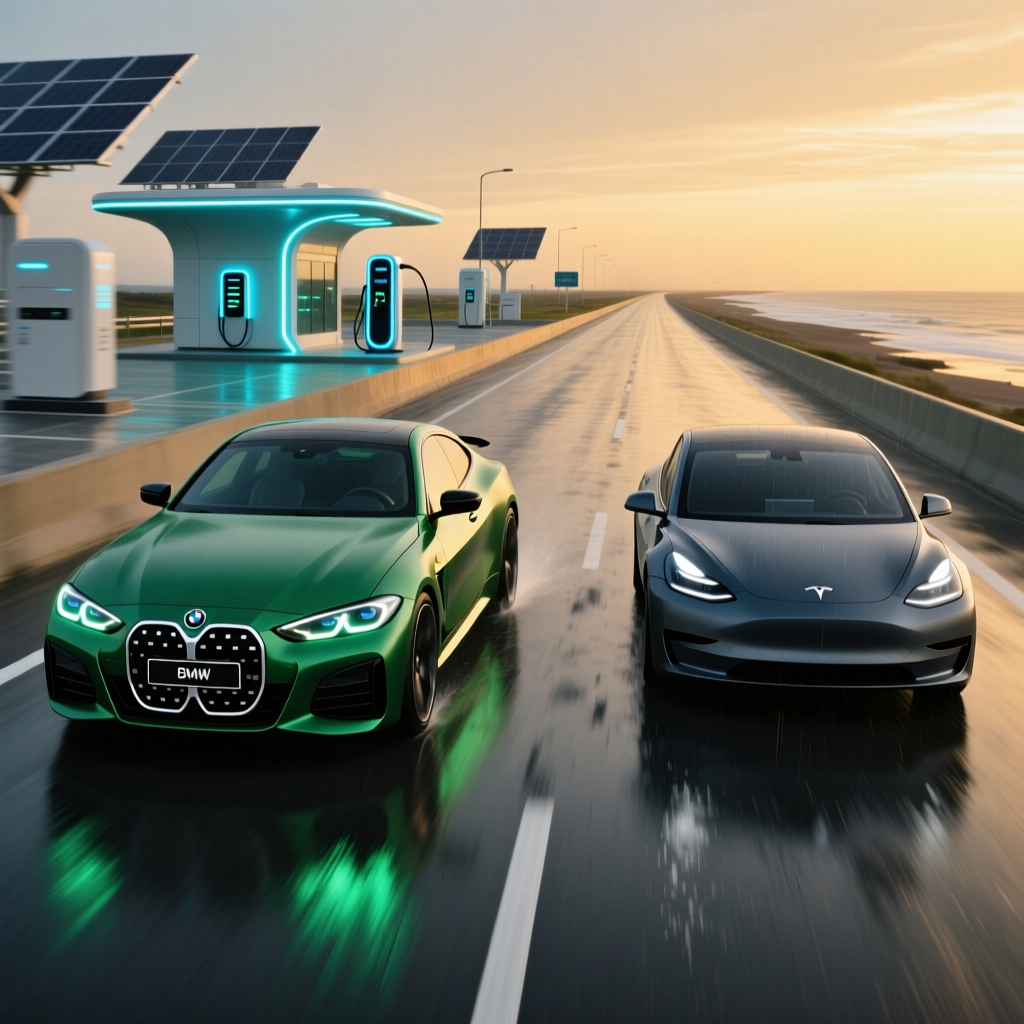
The electric sedan segment has never been more competitive, and two nameplates consistently rise to the top of every shopper's shortlist: the BMW i4 and the Tesla Model 3. Both deliver impressive range, brisk acceleration, and cutting-edge technology, yet they approach the EV experience from fundamentally different philosophies. BMW brings decades of luxury-sedan craftsmanship and driving dynamics to the electric arena, while Tesla leverages its software-first DNA and industry-leading charging infrastructure. Choosing between them is far from straightforward.
In this comprehensive comparison, we break down every critical dimension — range, pricing, charging speed, performance, interior space, technology, and warranty — so you can make an informed decision. Whether you are cross-shopping for the first time or finalizing your shortlist, this guide covers everything you need to know. For individual deep dives, check out our full BMW i4 review and full Tesla Model 3 review.
Overview: BMW i4 and Tesla Model 3 at a Glance
The BMW i4 is built on BMW's flexible CLAR platform, which it shares with the 4 Series Gran Coupe. That means you get a familiar, premium BMW silhouette with a traditional luxury interior layout, a large curved display, and the choice of single-motor rear-wheel drive or dual-motor all-wheel drive. The i4 lineup spans the efficient eDrive40 to the high-performance M50 variant, giving buyers a wide spread of power and price points.
The Tesla Model 3 needs little introduction. As one of the best-selling electric vehicles globally, the Model 3 has gone through significant refreshes that have improved ride quality, cabin materials, and noise isolation. It continues to offer Rear-Wheel Drive, Long Range All-Wheel Drive, and Performance variants. Tesla's minimalist interior, massive central touchscreen, and over-the-air update ecosystem remain defining characteristics that set it apart from legacy competitors.
Both vehicles compete in the premium electric sedan segment, but they attract slightly different buyers. The i4 appeals to those who value traditional luxury build quality, physical controls, and BMW's driving heritage. The Model 3 draws tech-forward buyers who prioritize software innovation, Supercharger access, and value-oriented pricing. Let's dig into the numbers.
Side-by-Side Specification Comparison
| Specification | BMW i4 eDrive40 | BMW i4 M50 | Tesla Model 3 RWD | Tesla Model 3 Long Range AWD |
|---|---|---|---|---|
| Drivetrain | RWD | AWD | RWD | AWD |
| Horsepower | 335 hp | 536 hp | 271 hp | 346 hp |
| 0–60 mph | 5.5 seconds | 3.7 seconds | 5.8 seconds | 4.2 seconds |
| EPA Range | Up to 301 miles | Up to 269 miles | Up to 272 miles | Up to 341 miles |
| Battery Capacity (usable) | 81.5 kWh | 81.5 kWh | ~60 kWh | ~75 kWh |
| Max DC Fast Charging | 200 kW | 200 kW | ~170 kW | ~250 kW |
| Cargo Volume | 16.6 cu ft | 16.6 cu ft | 23 cu ft | 23 cu ft |
| Starting MSRP (approx.) | ~$52,200 | ~$67,300 | ~$38,990 | ~$45,990 |
Note: Specifications and pricing are approximate and subject to change. Always verify current figures with the manufacturer. EPA range data sourced from fueleconomy.gov.
Range and Efficiency: Which EV Goes Farther?
Range anxiety remains one of the most common concerns among EV shoppers, and both vehicles deliver competitive numbers — though the details vary significantly by trim.
The Tesla Model 3 Long Range AWD leads this comparison with an EPA-estimated 341 miles of range, one of the highest figures in the premium electric sedan class. Tesla's industry-leading efficiency — measured in miles per kWh — is a result of its advanced heat pump, aerodynamic optimization, and powertrain software. Even the base Rear-Wheel Drive Model 3 achieves a respectable 272 miles, which is more than adequate for most daily commutes and road trips.
The BMW i4 eDrive40 returns up to 301 miles on the EPA cycle, a strong result that places it comfortably in the upper tier of luxury EVs. The performance-oriented M50 variant drops to approximately 269 miles due to its higher-output dual-motor setup and stickier, wider tires that increase rolling resistance.
Real-world range tests conducted by independent outlets such as Edmunds and Car and Driver have shown that both vehicles tend to meet or slightly exceed their EPA estimates in mixed driving conditions. Tesla's efficiency advantage becomes more pronounced at highway speeds, where the Model 3 Long Range consistently outperforms rivals. However, the i4's 81.5 kWh usable battery provides a larger energy reserve, which can be advantageous in cold-weather driving where all EVs lose range.
Winner: Tesla Model 3 Long Range AWD — for maximum EPA range and class-leading efficiency. For a broader look at range champions, see our best long-range EVs ranking.
Pricing and Value: Which EV Gives You More for Your Money?
Price is where the Tesla Model 3 creates the most significant gap. The base Model 3 Rear-Wheel Drive starts at approximately $38,990, making it one of the most affordable premium electric sedans on the market. Even stepping up to the Long Range AWD variant at roughly $45,990 keeps the Model 3 well below the i4's entry point.
The BMW i4 eDrive40 begins around $52,200, a premium of more than $13,000 over the base Model 3. However, the i4 justifies part of that gap with standard features that Tesla charges extra for or does not offer, such as a heads-up display, ambient lighting, power-adjustable lumbar support, and a more comprehensive suite of luxury materials. The i4 M50 starts near $67,300, placing it in competition with the Tesla Model 3 Performance in price but offering a more luxurious cabin experience.
When factoring in potential federal and state EV incentives, the value equation can shift. Both vehicles may qualify for various tax credits and rebates depending on your location and the current regulatory landscape. Additionally, Tesla's lower maintenance costs and strong resale value help narrow the total cost of ownership gap over a typical five-year period.
That said, BMW's Certified Pre-Owned program and stronger dealer network for service can provide peace of mind that Tesla's still-evolving service infrastructure may not match in all regions.
Winner: Tesla Model 3 — for outright affordability and lower total cost of entry. If luxury features are non-negotiable, the i4's premium is easier to justify. Explore more options in our best affordable electric vehicles guide.
Charging Speed and Infrastructure: Getting Back on the Road Faster
Charging speed and network access can make or break the road-trip experience, and this category reveals a fascinating contrast between the two vehicles.
The BMW i4 supports DC fast charging at up to 200 kW, allowing a 10–80% charge in approximately 31 minutes under ideal conditions. BMW uses the CCS (Combined Charging System) standard, which is widely supported across third-party networks like Electrify America, EVgo, and ChargePoint. The i4's charging curve is relatively flat, meaning it sustains high charging rates longer than some competitors, which helps in real-world fast-charging scenarios.
The Tesla Model 3 Long Range supports up to 250 kW on Tesla's proprietary Supercharger network. Tesla's Supercharger ecosystem is widely regarded as the gold standard for EV charging — offering superior reliability, seamless plug-and-charge functionality, and extensive coverage across major highways and urban centers. A 10–80% charge can be achieved in roughly 25–30 minutes. The base RWD model charges at a lower peak rate of around 170 kW.
Tesla has opened portions of its Supercharger network to non-Tesla vehicles via adapters, but the experience for Tesla owners remains more seamless with integrated navigation that pre-conditions the battery for optimal charging upon arrival. For BMW i4 owners, route planning for charging stops requires a bit more manual effort, though BMW's built-in navigation does a commendable job of suggesting charging waypoints.
Winner: Tesla Model 3 — thanks to the unmatched Supercharger network and faster peak charging speeds. The i4's 200 kW capability is competitive, but Tesla's infrastructure advantage is significant for frequent road trippers. Learn more in our complete EV charging guide.
Performance and Driving Dynamics: Thrills Behind the Wheel
If driving enjoyment is a priority, both vehicles deliver — but in distinctly different ways.
The BMW i4 M50 is the performance flagship here, producing 536 horsepower and launching from 0 to 60 mph in just 3.7 seconds. BMW's M division has tuned the chassis, suspension, and steering to deliver the kind of communicative, balanced handling that has defined the brand for generations. The i4's adaptive M suspension, variable sport steering, and near-perfect weight distribution make it genuinely engaging on twisty roads. Even the single-motor eDrive40, with 335 hp and a 5.5-second 0–60 time, feels eager and composed.
The Tesla Model 3 Performance (not directly compared in our table above) sprints to 60 mph in approximately 2.9 seconds, making it quicker in a straight line than the i4 M50. The Long Range AWD achieves a respectable 4.2 seconds. Tesla's instant torque delivery is exhilarating, and the low center of gravity keeps body roll well controlled. However, independent reviewers at Motor Trend and Car and Driver have consistently noted that the Model 3's steering lacks the feedback and precision of the BMW. The ride quality, while improved after recent refreshes, still leans firmer than the i4's more compliant setup.
Where the Tesla excels is in its one-pedal driving experience, regenerative braking calibration, and over-the-air performance updates that can unlock new features or improve existing ones after purchase. The BMW counters with a more traditional driving experience, including selectable drive modes, adjustable regenerative braking levels, and the option to coast freely — something Tesla does not offer in the same way.
Winner: BMW i4 M50 — for overall driving dynamics, steering feel, and ride comfort. The Tesla wins on straight-line acceleration and tech-forward performance features. See our best performance EVs ranking for more thrilling options.
Interior Space, Comfort, and Cargo: Living With Your EV Daily
Daily comfort and practicality are where subtle differences become significant over months and years of ownership.
The Tesla Model 3 surprises many with its cargo versatility. Its hatchback-style trunk opens to reveal 23 cubic feet of cargo space, complemented by a front trunk (frunk) that adds additional storage for charging cables, groceries, or a weekend bag. The rear seats fold flat, creating a near-van-like cargo area that is extremely practical. Rear-seat legroom is adequate for adults on shorter trips, though taller passengers may find the sloping roofline limits headroom.
The BMW i4, based on the 4 Series Gran Coupe, offers 16.6 cubic feet of cargo space behind the rear seats. While less than the Model 3 on paper, the i4's liftback design provides a wide opening that makes loading bulky items easy. The cabin materials are a clear step above: soft-touch surfaces, available Vernasca leather, genuine aluminum or wood trim, and BMW's signature build quality create an environment that feels genuinely premium. The front seats offer excellent bolstering and adjustability, and the cabin is noticeably quieter at highway speeds.
In terms of technology integration within the interior, the BMW features its Curved Display — a 12.3-inch instrument cluster merged with a 14.9-inch infotainment touchscreen running BMW's iDrive system. Physical buttons and a rotary controller complement the touchscreen, which many drivers find easier to use while driving. The Tesla relies almost entirely on its 15.4-inch central touchscreen, with virtually no physical buttons. This minimalist approach is polarizing: some love the clean aesthetic, while others miss the tactile convenience of dedicated climate and volume controls.
Winner: Tie — the Tesla Model 3 wins on cargo volume and versatility; the BMW i4 wins on material quality, cabin quietness, and seat comfort. For more spacious options, browse our best EVs for families list.
Technology and Software: The Digital Experience
Technology is arguably the biggest philosophical divide between these two vehicles.
Tesla's software ecosystem is best-in-class. Over-the-air updates regularly introduce new features, UI improvements, and even performance enhancements without a dealership visit. The navigation system is superb, with real-time Supercharger routing and battery pre-conditioning. Tesla's app integration allows remote climate control, vehicle location, charging status, and Sentry Mode camera access. The available Autopilot and Full Self-Driving (FSD) capability represent some of the most advanced driver-assistance systems available, though their naming and capability claims have drawn scrutiny from regulators and safety advocates.
BMW's iDrive system (running on BMW Operating System 8.5 or later) is one of the best infotainment platforms in the luxury segment. It supports wireless Apple CarPlay and Android Auto — a feature Tesla still does not offer natively. The voice assistant, gesture control, and the physical iDrive rotary controller provide multiple input methods that reduce distraction. BMW's Driving Assistant Professional package offers adaptive cruise control with stop-and-go, lane-keeping assistance, and automated lane-change functionality that rivals Tesla's Autopilot in real-world performance, according to tests by the Insurance Institute for Highway Safety (IIHS).
One area where Tesla maintains a clear advantage is its built-in dashcam and Sentry Mode, which uses the vehicle's cameras to record incidents and monitor the surroundings while parked. BMW offers a basic dashcam function but nothing as comprehensive as Tesla's multi-camera surveillance system.
Winner: Tesla Model 3 — for its unmatched software update cadence, app ecosystem, and camera-based features. BMW counters with smartphone integration (CarPlay/Android Auto) and a more driver-friendly interface with physical controls.
Warranty, Reliability, and Ownership Experience
Long-term ownership satisfaction depends heavily on warranty coverage, reliability, and the quality of the service network.
The BMW i4 comes with a 4-year/50,000-mile limited warranty and a 4-year/unlimited-mileage corrosion warranty. The high-voltage battery is covered for 8 years or 100,000 miles (whichever comes first), with a guarantee that it will retain at least 70% of its original capacity during that period. BMW's dealer network is extensive, with certified EV technicians available at most locations. The brand's roadside assistance program and complimentary maintenance plan for the initial years add further value.
The Tesla Model 3 offers a 4-year/50,000-mile basic warranty and an 8-year/100,000-mile battery and drive unit warranty for the RWD model (the Long Range and Performance variants extend to 8 years/120,000 miles). Tesla's service model is different: many issues are diagnosed and even resolved remotely via over-the-air updates, and mobile service rangers can handle many repairs at your home or office. However, for more complex issues, service center wait times can be longer than at a traditional BMW dealership, particularly in high-demand metro areas.
Reliability data from Consumer Reports and J.D. Power has shown mixed results for both brands. Tesla's build quality has improved substantially after recent manufacturing updates, but panel gap inconsistencies and minor trim issues still surface more often than on BMWs. BMW's track record with the i4 specifically has been strong, with few widespread complaints reported across major owner forums and reliability databases.
Winner: BMW i4 — for its more established service network, complimentary maintenance, and historically stronger build quality consistency. Tesla's mobile service and OTA update capabilities are innovative but not yet a full replacement for a robust dealer network.
Final Verdict: Which EV Is Right for You?
The BMW i4 and Tesla Model 3 are both outstanding electric sedans, but they serve different priorities. Here is our recommendation based on buyer type:
Choose the Tesla Model 3 if:
- Budget is a top priority. The Model 3 offers significantly lower starting prices with excellent standard equipment.
- You road-trip frequently. The Supercharger network is the most reliable and convenient charging ecosystem available.
- You value software and tech innovation. Tesla's OTA updates, app integration, and Autopilot capabilities are industry-leading.
- Cargo versatility matters. The hatchback trunk and frunk provide class-leading storage.
- Maximum range is essential. The Long Range AWD variant delivers up to 341 miles EPA-estimated.
Choose the BMW i4 if:
- Driving dynamics are paramount. The i4's steering, chassis balance, and ride quality are a cut above.
- You want a traditional luxury interior. Premium materials, quiet cabin, and physical controls define the BMW experience.
- You prefer Apple CarPlay or Android Auto. BMW supports both wirelessly; Tesla offers neither.
- Dealer service access matters. BMW's extensive network provides convenient, established service options.
- You want performance without sacrificing comfort. The i4 M50 delivers supercar-rivaling acceleration with grand-touring refinement.
Ultimately, there is no wrong choice here — only the choice that best aligns with your values, lifestyle, and budget. We recommend test-driving both vehicles back-to-back, as the seat feel, visibility, and interface experience often make the decision for you. For more head-to-head comparisons, visit our EV comparison hub, and check out our best electric sedans ranking to see how these two stack up against the full field.
Frequently Asked Questions
Is the BMW i4 more reliable than the Tesla Model 3?
Based on available reliability data, the BMW i4 has shown strong build quality and fewer reported issues in its early production years compared to the Tesla Model 3, which has historically faced criticism for panel gaps and minor trim inconsistencies. However, Tesla's recent manufacturing improvements have narrowed this gap considerably. Both vehicles benefit from fewer moving parts than internal-combustion cars, which generally translates to lower long-term maintenance needs. Reliability can also vary by production batch, so checking owner forums and recent Consumer Reports data for the specific model year you are considering is always wise.
Can I use Tesla Superchargers with a BMW i4?
Tesla has begun opening select Supercharger stations to non-Tesla EVs through its "Charge Everywhere" initiative, using a Tesla-to-CCS adapter or built-in NACS (North American Charging Standard) ports on newer vehicles. Availability varies by region and station, and the experience is not as seamless as it is for Tesla owners. BMW i4 drivers primarily rely on CCS-compatible networks such as Electrify America, EVgo, and ChargePoint, which collectively offer extensive coverage across most major travel corridors. As the charging landscape continues to evolve, access is expected to improve for all EV owners.
Which has better resale value: the BMW i4 or Tesla Model 3?
Tesla vehicles, including the Model 3, have historically demonstrated strong resale values due to high demand, over-the-air updates that keep vehicles current, and a robust used-EV market. The BMW i4, being a newer entrant, has less long-term depreciation data available, but BMW brand equity and the growing acceptance of luxury EVs suggest competitive retention. Factors such as battery health, mileage, and regional EV adoption rates all influence individual resale outcomes. Consulting resources like Kelley Blue Book and Edmunds for the latest depreciation forecasts is recommended before purchasing.
Which is better for winter driving: the BMW i4 or Tesla Model 3?
Both vehicles offer all-wheel-drive variants that provide excellent traction in snow and ice. The BMW i4's heavier weight and sophisticated traction control system give it a slight edge in stability during slippery conditions, while the Tesla Model 3's heat pump system is among the most efficient in the industry, helping preserve range in cold temperatures — a critical advantage. Tesla's pre-conditioning feature, which warms the battery and cabin while still plugged in, is particularly effective for winter commuters. For harsh-winter buyers, either AWD variant is a strong choice, but the Model 3 Long Range AWD's superior cold-weather range retention gives it a practical edge for those who frequently drive in freezing conditions.