The Quick Answer
If you're researching an all electric boat, you're likely drawn to silent, emission-free watercraft with lower operating costs. But here's the practical reality for 2026: electric boats like the X Shore Eelex 8000 ($329,000) or Candela C-8 ($390,000+) remain niche, ultra-premium products with severe range limitations (20-50 nautical miles), sparse marine charging infrastructure, and no federal purchase incentives. Meanwhile, a 2026 EV SUV like the Hyundai Ioniq 5 or Tesla Model Y delivers 300+ miles of EPA range, access to 70,000+ public chargers, and up to $7,500 in federal tax credits — for one-quarter the price. If you don't already own a primary electric vehicle, an EV car or SUV is the far more practical entry into electric mobility. If you do own an EV and have dockside charging plus a $300K+ budget, an electric boat can be a rewarding second electric vehicle — but understand exactly what you're signing up for.
The All Electric Boat Market in 2026: What Actually Exists
The electric boat market has grown, but it remains a fraction of the electric vehicle market. Here's what's actually available to buy in 2026:
| Model | Type | Battery (kWh) | Range (nautical mi) | Top Speed | Base Price |
|---|---|---|---|---|---|
| X Shore Eelex 8000 | Day cruiser | 126 kWh (NMC) | ~50 nm (eco) | 40 knots | $329,000 |
| Candela C-8 (foiling) | Hydrofoil dayboat | 69 kWh (NMC) | ~57 nm (22 kn) | 30 knots | $390,000 |
| Navier 30 | Foiling cruiser | 90 kWh (NMC) | ~75 nm (eco) | 35 knots | $350,000+ |
| Vision Marine E-Motion 180E | Pontoon/bowrider | 60 kWh | ~25 nm | 25 mph | $85,000 |
| Arc One (24-ft) | Runabout | 200 kWh | ~45 nm | 45 mph | $300,000 |
A few things jump out immediately. Battery capacities are large — the Arc One carries 200 kWh, more than two Tesla Model Y battery packs — because pushing a hull through water requires enormous energy compared to rolling wheels on pavement. Range is measured in nautical miles and rarely exceeds 50-75 nm at cruising speeds. And pricing starts where a well-equipped EV SUV tops out.
Electric Boat vs. EV SUV: The Numbers Don't Lie
To put marine electrification in perspective, here's a direct comparison between a premium all electric boat and a mainstream 2026 EV SUV:
| Attribute | Candela C-8 (Electric Boat) | 2026 Tesla Model Y Long Range |
|---|---|---|
| Base Price | $390,000 | $44,990 |
| Battery Capacity | 69 kWh (NMC) | 78.1 kWh (NMC/LFP options) |
| Usable Range | ~57 nautical mi (65 statute mi) at 22 kn | 320 miles (EPA est.) |
| Efficiency | ~1.2 kWh/nm at cruise | 27 kWh/100 mi |
| Charging Speed | ~22 kW AC (marina); DC rare | 250 kW DC peak (Supercharger); 11.5 kW AC |
| 10-80% Charge Time | ~3+ hours (AC only) | ~25 minutes (DC fast) |
| Infrastructure | Marina shore power (limited) | 70,000+ public chargers (US) |
| Federal Tax Credit (§30D) | Not eligible | Up to $7,500 (if eligible) |
| Annual Maintenance | $2,000-$5,000 (marine systems) | $300-$600 |
| Insurance (annual) | $5,000-$12,000 | $1,800-$3,000 |
The efficiency gap is the core issue. Water is roughly 800 times denser than air. Even a foiling hull like the Candela — which lifts above the water to reduce drag — consumes energy at a rate that makes highway driving look trivial. A Tesla Model Y uses about 27 kWh to travel 100 miles. That same 27 kWh moves the Candela C-8 roughly 22 nautical miles. You're spending dramatically more energy per mile traveled on water.
The Real Cost of Ownership: Electric Boat Breakdown
Let's model five-year ownership for a typical all electric boat purchase. We'll use the Vision Marine E-Motion 180E at $85,000 as a "budget" entry point:
| Cost Category | Electric Boat (5-Year) | Gas-Powered Equivalent (5-Year) |
|---|---|---|
| Purchase Price | $85,000 | $45,000 |
| Fuel / Electricity | $1,800 (electric at $0.15/kWh) | $9,500 (gas at $4.00/gal) |
| Annual Maintenance | $12,500 (marine systems, haul-out) | $15,000 (engine, winterization, impeller) |
| Insurance | $35,000 | $12,500 |
| Dock/Storage Fees | $18,000 | $18,000 |
| Battery Replacement Risk | $15,000-$25,000 (reserve fund) | $0 |
| 5-Year Total | $167,300-$177,300 | $100,000 |
The electric boat saves on fuel and some engine maintenance — no impeller replacements, no winterization of cooling systems, no oil changes. But the purchase premium, higher insurance (marine insurers price the battery risk), and potential battery replacement exposure erase those savings over five years. Battery replacement on a 60 kWh marine pack, exposed to salt air and vibration, can run $15,000-$25,000 out of warranty. Most marine EV batteries carry 3-5 year warranties with capacity retention thresholds around 70-80%.
Charging Infrastructure: The Marina Reality
This is where the all electric boat proposition diverges most sharply from EV car ownership. Consider the charging landscape:
- Home charging (EV car): A Level 2 home charger (240V, 48A/11.5 kW) costs $500-$2,000 installed and adds roughly 35-44 miles of range per hour. You wake up every morning with a full battery.
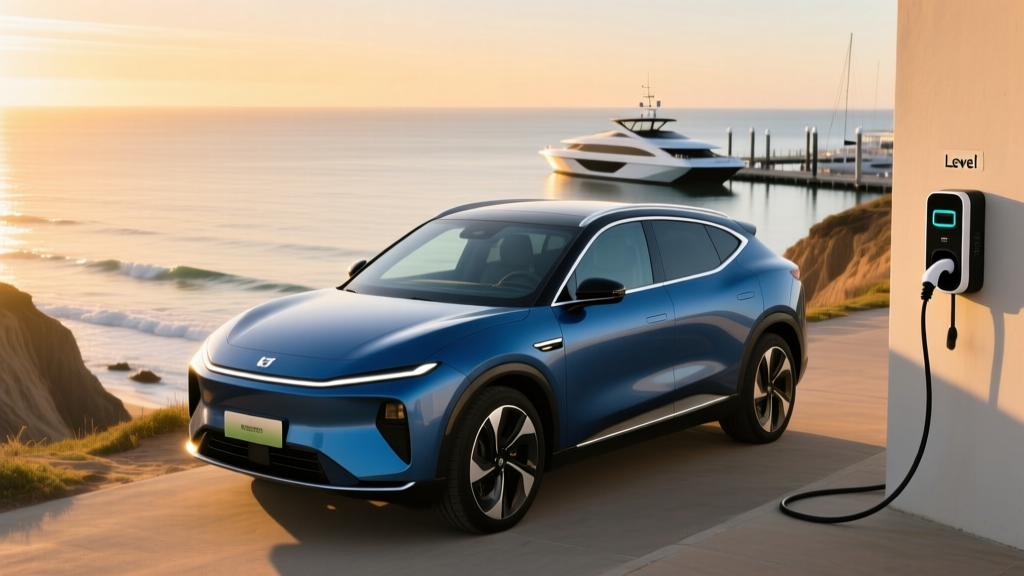
- Marina charging (boat): Most marinas offer 30A or 50A shore power (120V/240V AC). A 50A/240V connection delivers about 12 kW — enough to charge a 69 kWh battery in roughly 6 hours. DC fast charging for boats is virtually nonexistent in 2026; only a handful of pilot programs in Scandinavia and a few US coastal cities offer it.
- Public charging (EV car): Over 70,000 public charging ports across the US, including 40,000+ DC fast chargers (AFDC). A 150-350 kW DC session adds 150-250 miles in 20-30 minutes.
- On-water charging (boat): Essentially zero. You cannot pull up to a "charging dock" mid-lake. If your battery depletes on the water, you need a tow.
This infrastructure gap means electric boat ownership is viable only if you have reliable dockside power at your home marina, your typical outings stay well within the boat's range, and you accept that "topping off" away from your dock is rarely an option. Compare this to a road-tripping EV driver who can plan Supercharger or Electrify America stops along any interstate.
What First-Time EV Buyers Should Know (Before Looking at Boats)
If you're new to electric vehicles and considering an all electric boat as your entry point, here's the honest advice: start with a car or SUV. The learning curve for EV ownership — understanding kWh vs kW, managing range in cold weather, installing a home Level 2 charger, navigating the §30D federal tax credit — is best learned with robust infrastructure and lower stakes.
Common Misconceptions About Electric Boats
| Myth | Fact |
|---|---|
| "Electric boats have no maintenance." | The drivetrain is simpler, but hull maintenance, through-hull fittings, prop shaft seals, steering systems, and marine electronics still require regular service. Budget $2,000-$4,000/year. |
| "You can charge anywhere on the water." | Marine DC fast charging barely exists in 2026. You are tethered to your dock's AC shore power for meaningful charging. |
| "Electric boats qualify for EV tax credits." | The §30D credit applies to on-road motor vehicles only. Electric boats, PWCs, and marine vessels are not eligible. Some states offer separate marine electrification rebates — check your state's energy office. |
| "Battery range is the same as the spec sheet." | Like EVs, boat range drops significantly with speed, headwinds, current, passenger load, and cold water temperatures. Expect 50-65% of "eco mode" range at cruising speeds. |
| "Electric boats are cheaper than gas boats long-term." | Fuel savings are real (~$1,500-$2,500/year), but the $40,000-$200,000+ purchase premium and higher insurance typically mean a 10+ year payback — longer than most owners keep a boat. |
The Smart Path: EV Car First, Boat Later
Here's a practical decision framework if you're drawn to electric mobility on both land and water:
Should You Buy an Electric Boat or an EV Car First?
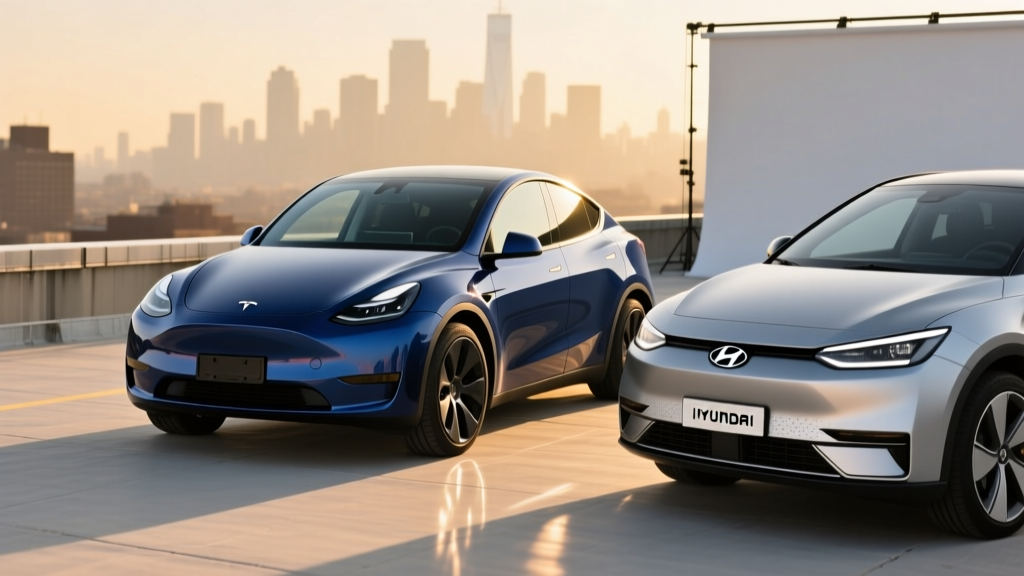
- If you don't own an EV yet → Buy a 2026 EV car/SUV first. Models like the Hyundai Ioniq 5 ($42,600, 318 mi EPA), Tesla Model Y ($44,990, 320 mi EPA), or Chevrolet Equinox EV ($33,000, 319 mi EPA) give you daily electric driving, home charging familiarity, and access to the §30D tax credit (up to $7,500 point-of-sale, subject to IRS income and sourcing rules).
- If you own an EV and have dockside 240V power → An electric boat becomes viable for lake-day cruising within a 20-30 nm radius. Budget $85,000-$390,000 and confirm your marina permits continuous shore-power connection.
- If you boat on large lakes or coastal waters with unpredictable conditions → A hybrid-electric or conventional gas/diesel powertrain remains more practical in 2026. Range flexibility and refueling speed matter when weather windows are tight.
- If you're a commercial operator (ferries, water taxis) → Fleet electrification has stronger economics due to predictable routes, overnight depot charging, and available EPA Clean School Bus and port electrification grants.
Real-World Ownership: Climate, Usage, and Practical Limits
Electric boats, like EVs, are affected by environment — often more severely:
- Cold water and air: Battery capacity drops 10-20% in water temperatures below 50°F. If you boat in the Pacific Northwest, Great Lakes, or Northeast, plan for meaningful seasonal range reduction.
- Usage patterns: An electric boat excels for 2-4 hour lake cruises at moderate speeds. It fails for all-day fishing trips, long coastal passages, or watersports that demand sustained high power.
- Dock charging logistics: Confirm your marina's electrical panel can support continuous 240V/50A draw. Many older marinas have limited shore-power capacity, and upgrading can cost $5,000-$15,000 per slip.
- Resale uncertainty: The used electric boat market is nascent. Depreciation data is limited, but early indicators suggest steep first-year drops (20-30%) due to battery health uncertainty — similar to early EV cars.
Frequently Asked Questions
Do electric boats qualify for the $7,500 federal EV tax credit?
No. The IRS §30D Clean Vehicle Credit applies only to on-road motor vehicles (cars, trucks, SUVs, vans) that meet MSRP, buyer income, and battery sourcing requirements. Electric boats, personal watercraft, and marine vessels are excluded. Check your state's energy office for any marine-specific electrification incentives.
How long does it take to charge an electric boat?
On a typical 50A/240V marina shore-power connection (~12 kW AC), expect 5-7 hours for a full charge on a 60-70 kWh battery. Unlike EVs, DC fast charging is essentially unavailable for boats in 2026, so overnight dockside charging is the standard.
What's the real-world range of an electric boat vs. the spec sheet?
Expect 50-65% of published "eco mode" range at typical cruising speeds. A boat rated for 50 nautical miles at 8 knots may deliver 25-35 nm at 20-25 knots. Headwinds, current, passenger load, and cold water further reduce range — similar to how highway speed and cold weather reduce EV car range.
Is an electric boat cheaper to maintain than a gas boat?
Partially. You eliminate engine oil changes, impeller replacements, fuel system maintenance, and winterization of the cooling system. But hull maintenance, through-hull fittings, steering systems, and marine electronics still require service. Net maintenance savings are typically $500-$1,500/year — not enough to offset the large purchase premium.
Can I tow a tube or wakeboard behind an electric boat?
Most current electric boats are optimized for cruising efficiency, not high-torque watersports. Sustained high-speed operation (needed for tubing/wakeboarding) drains the battery extremely quickly — often cutting range by 70-80%. Some models like the Arc One have the power, but at $300,000+, dedicated gas wakeboard boats remain more practical for this use case.
What should I buy first — an EV car or an electric boat?
Almost every buyer should start with an EV car or SUV. The infrastructure, incentives, daily usability, and cost-per-mile are dramatically better in 2026. Treat an electric boat as a luxury second or third electric vehicle once you've mastered EV ownership on land.