The Short Answer on All Electric Aircraft
If you're researching all electric aircraft as a personal transportation option in 2026, the practical reality is this: certified, consumer-purchasable electric planes remain essentially nonexistent for typical buyers. The only FAA-certified all electric aircraft available for purchase is the Pipistrel Velis Electro — a two-seat trainer with a 50-minute flight endurance and a price tag around $125,000. Meanwhile, electric cars deliver 250–400+ miles of EPA range, $500–$1,200/year in fuel savings, and mature charging networks. Unless you're a flight-school operator or aviation enthusiast with a specific mission, an electric vehicle is the actionable electrified-transport choice today.
What "All Electric Aircraft" Actually Means in 2026
The term all electric aircraft covers everything from small training planes to aspirational eVTOL air taxis. Here's what's actually flying versus what's still on the drawing board:
- Pipistrel Velis Electro — The only fully FAA-certified (EASA in 2020, FAA acceptance followed) all electric aircraft. Two seats, 10.8 kWh battery, ~50 min endurance + 10 min reserve, cruise speed ~94 knots. Base price approximately $125,000.
- eVTOL air taxis (Joby Aviation, Archer, Lilium) — Announced and in various stages of FAA type certification. Not available for consumer purchase. Joby targets limited commercial air-taxi service, but widespread availability is years away. Specs are preliminary.
- Experimental / kit-built electric planes — Options like the Sonex E-Flyer exist for experimental-category builders, but require significant aviation skill and are not turnkey consumer products.
- Electric ultralights and paramotors — Niche products with limited range (typically 20–40 minutes) and no practical commuting utility.
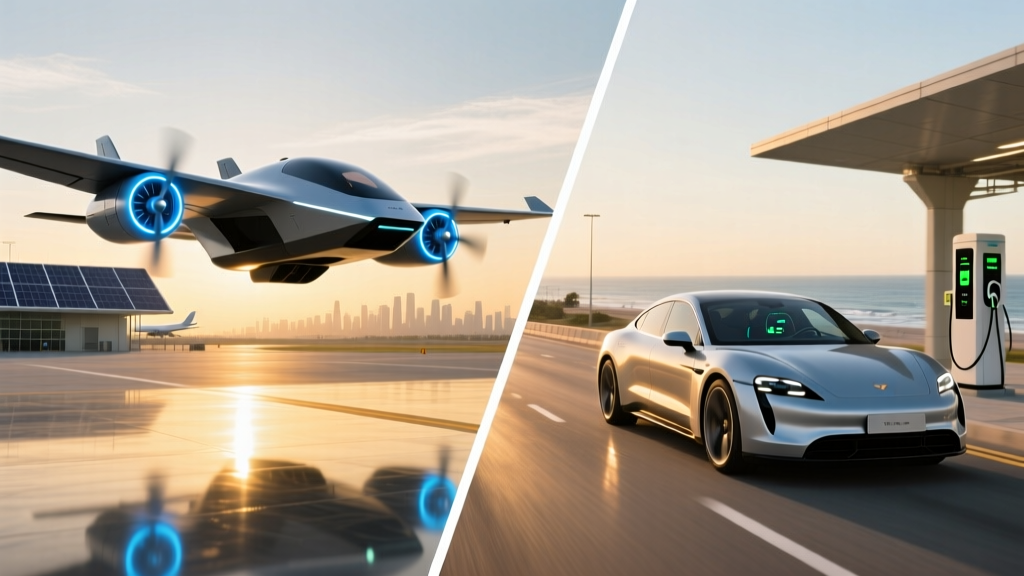
For context on where electrification has actually scaled for consumers, let's compare the all electric aircraft landscape against electric vehicles — the technology that's already in driveways across the country.
All Electric Aircraft vs. Electric Cars: By the Numbers
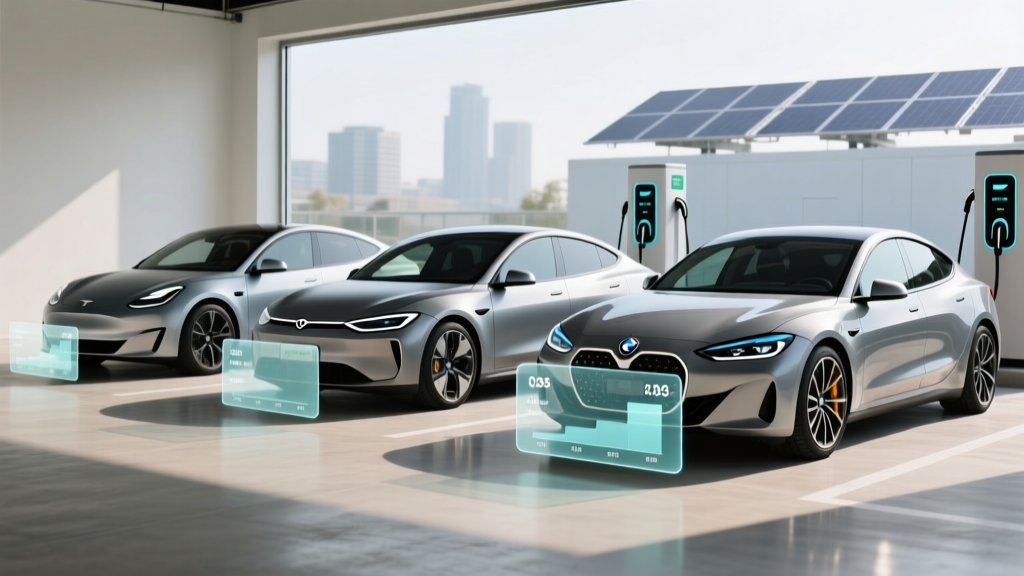
| Attribute | Pipistrel Velis Electro (Aircraft) | Tesla Model Y LR (2026) | Hyundai Ioniq 5 LR (2026) |
|---|---|---|---|
| Battery capacity | 10.8 kWh (lithium) | ~78 kWh usable (NMC) | 84 kWh usable (NMC) |
| Range / Endurance | ~50 min flight (~80 mi still air) | ~320 mi EPA | ~310 mi EPA |
| Energy cost per "mile" | ~$0.08/mi (electricity only) | ~$0.04/mi (home L2) | ~$0.04/mi (home L2) |
| Refuel / recharge time | ~2 hrs (full, 3 kW) | ~25 min (10-80% DC, 250 kW peak) | ~18 min (10-80% DC, 240 kW peak) |
| Purchase price | ~$125,000 | ~$47,000 MSRP (before credits) | ~$47,500 MSRP (before credits) |
| Federal tax credit | None (not a road vehicle) | Up to $7,500 (§30D, if eligible) | Up to $7,500 (§30D, if eligible) |
| Passenger capacity | 2 | 5 | 5 |
| Infrastructure maturity | Airport charging rare; owner-installed | 180,000+ US public chargers | 180,000+ US public chargers |
The contrast is stark. An all electric aircraft like the Velis Electro uses roughly the same battery energy as a small plug-in hybrid, yet costs as much as a fully loaded luxury SUV — because certification, weight, and safety margins in aviation are unforgiving.
The Real Costs: Owning Electric on the Ground vs. in the Air
Let's break down what ownership actually looks like. We'll compare a typical EV against the only purchasable all electric aircraft, plus a gas-car baseline.
| Cost Category | EV (Ioniq 5-class) | Gas Car (RAV4-class) | All Electric Aircraft (Velis Electro) |
|---|---|---|---|
| Purchase price | $47,500 | $34,000 | $125,000 |
| Federal incentive | -$7,500 (if eligible) | $0 | $0 |
| 5-year energy/fuel | ~$2,700 | ~$9,500 | ~$600 (electricity) |
| 5-year maintenance | ~$1,800 | ~$3,500 | ~$15,000+ (annual inspection, battery SoH checks) |
| 5-year insurance | ~$9,000 | ~$7,500 | ~$12,000–$20,000 (hull + liability, aviation-specific) |
| Hangar / storage | $0 (home garage) | $0 | ~$18,000 ($300/mo hangar avg) |
| 5-year total (est.) | ~$53,500 | ~$54,500 | ~$170,000+ |
Sources: fueleconomy.gov for EV and gas-car efficiency; IRS §30D clean vehicle credit rules for tax credit eligibility.
Why Electric Aviation Hasn't Scaled (Yet)
The core constraint is physics, not engineering ambition. Aviation-grade batteries need to deliver extreme energy density because every kilogram counts against lift. Today's best lithium-ion cells deliver roughly 250–300 Wh/kg at the cell level. Jet-A fuel, by comparison, delivers about 12,000 Wh/kg — a 40x advantage before you even account for turbine efficiency. That gap is why an all electric aircraft can't yet match even a small Cessna's 4–5 hour endurance.
Additional barriers keeping all electric aircraft from consumer relevance:
- Certification timelines — FAA type certification for new aircraft takes 5–10 years and tens of millions of dollars.
- Battery replacement cost — The Velis Electro's battery pack replacement is estimated at $15,000–$20,000 at end of life (~500 cycles).
- Charging infrastructure — Few airports offer dedicated EV-style aircraft chargers; most owners install their own 3 kW units.
- Pilot licensing — A private pilot certificate costs $10,000–$15,000 and 6–12 months before you can legally fly any aircraft solo.
What a First-Time EV Buyer Should Actually Focus On
If you landed on this page researching "all electric aircraft" but your real goal is personal electrified transportation, an electric car is where the value, infrastructure, and practicality live today. Here's what first-time EV buyers need to nail down:
1. Home charging access is make-or-break
Over 80% of EV charging happens at home. A Level 2 home charger (7–11 kW) adds 25–40 miles of range per hour and costs $800–$2,500 installed, depending on whether your panel needs an upgrade. If you can't install at home (apartment, street parking), evaluate public DC fast-charging density near you before buying.
2. EPA range vs. real-world range
EPA range stickers are tested under moderate conditions. In real-world highway driving at 70+ mph, expect ~85–90% of the EPA number. In sub-freezing winter, expect 70–80% of EPA due to battery heating demand and cabin climate use.
3. Federal tax credit isn't automatic
The §30D credit (up to $7,500) requires meeting MSRP caps ($55,000 for cars, $80,000 for SUVs/trucks/vans), buyer income limits ($150k single / $300k joint), and battery critical-mineral and component sourcing rules. Point-of-sale transfer is available at participating dealers. Always verify current-year rules at IRS.gov.
4. DC fast charging speed matters more than peak kW
A vehicle that peaks at 250 kW but tapers hard above 60% SoC may charge slower overall than one peaking at 200 kW with a flatter charge curve. Look for 10–80% time, not peak kW, as the true metric.
Common Myths About Electric — Air and Ground
| Myth | Fact |
|---|---|
| "All electric aircraft are about to replace regional flights." | No certified electric airliner exists. Hybrid-electric demonstrators (Heart Aerospace ES-30) target 200–400 km routes, but certification is years away and initial capacity is ~30 seats. |
| "EVs are worse for the environment because of battery mining." | Lifecycle analyses (including ICCT and Argonne National Lab) show EVs produce fewer lifetime emissions than gas cars in nearly every US grid mix, with payback typically within 1–2 years of driving. |
| "EV batteries need replacing every few years." | Modern NMC and LFP packs retain 85–90%+ capacity at 100,000 miles. Federal warranty mandates require 8 years / 100,000 miles minimum on battery and powertrain. |
| "Electric aircraft will be the next Tesla moment." | Energy-density physics makes aviation electrification far harder than ground transport. Expect eVTOL air taxis in limited urban corridors before personal electric planes. |
| "I need a 400-mile EV to avoid range anxiety." | The average US daily drive is ~37 miles (FHWA data). A 250-mile EV with home charging covers 95%+ of trips. Long road trips require planning, not a bigger battery. |
Decision Framework: Should You Buy an EV, Wait on eVTOL, or Stick With Gas?
Choose based on your actual mission profile:
- Choose an EV now if — You drive 10,000–20,000 miles/year, have home charging access (or reliable workplace/public L2), and want to cut fuel and maintenance costs by 50%+ vs. gas. Best value picks: Hyundai Ioniq 5, Tesla Model Y, Chevrolet Equinox EV.
- Choose a PHEV if — You can't reliably charge at home daily, frequently take 400+ mile road trips, or live in an area with sparse DC fast-charging. You get 25–40 miles of electric-only commuting plus gas flexibility.
- Stick with gas / hybrid (HEV) if — You have no home or workplace charging, live in a charging-desert region, or your budget is under $28,000 (used EV market is improving but still limited at this price).
- Wait on all electric aircraft / eVTOL if — You're hoping for personal aerial commuting. Commercially viable, certified personal electric aircraft are 10+ years away for practical consumer missions. eVTOL air-taxi services may launch in select cities (LA, Dallas, Dubai) in the late 2020s, but these are ride-hail services, not ownership products.
FAQ: All Electric Aircraft and EV Ownership
Can I buy an all electric aircraft as a private individual in 2026?
Technically yes — the Pipistrel Velis Electro is available for approximately $125,000. However, it's a two-seat trainer with ~50-minute endurance, designed for flight-school circuits, not personal travel. You'll also need a private pilot license ($10k–$15k) and ongoing hangar, insurance, and inspection costs.
When will all electric aircraft be practical for personal travel?
For missions beyond flight training (200+ mile trips, 4+ seats, all-weather capability), likely not before the mid-2030s at the earliest. Battery energy density needs to roughly double or triple from current levels, and certification timelines are long.
Are eVTOL air taxis (Joby, Archer) available to ride in 2026?
As of 2026, Joby and Archer have conducted limited demonstration flights and are pursuing FAA type certification, but scheduled commercial passenger service has not launched at scale. Announced target cities include Los Angeles, New York, and Dubai. Pricing is projected at Uber Black levels (~$3–$7 per passenger-mile), but availability remains preliminary.
How does EV ownership cost compare to gas in 2026?
Based on national averages ($3.30/gal gas, $0.16/kWh electricity), a 30-MPG gas car costs ~$0.11/mile in fuel, while an EV averaging 3.5 mi/kWh costs ~$0.045/mile on home charging. Over 15,000 miles/year, that's roughly $1,650 vs. $675 — nearly $1,000/year in fuel savings alone, plus lower maintenance (no oil changes, fewer brake replacements due to regen).
What's the cheapest way to get into an EV in 2026?
The used EV market offers strong value: a 2–4-year-old Chevrolet Bolt EV or Nissan LEAF can be found for $15,000–$22,000. The federal used-EV credit (§25E) provides up to $4,000 (30% of sale price, capped) for vehicles priced at $25,000 or less, subject to income limits. Check IRS used clean vehicle credit rules for current eligibility.
Does cold weather ruin EV range?
Cold weather reduces EV range by 15–30% at freezing temperatures, primarily due to cabin heating and battery chemistry slowdown. Vehicles with a heat pump (standard on most 2026 models including Ioniq 5, Model Y, and Ford Mustang Mach-E) reduce this penalty significantly. Preconditioning the battery while plugged in recovers much of the lost efficiency.
Bottom line: All electric aircraft capture the imagination, but for practical, affordable, daily electrified transportation in 2026, the answer is firmly on the ground. A well-chosen EV with home Level 2 charging delivers real savings, proven range, and mature infrastructure — things aviation electrification simply hasn't achieved yet for consumers.