The Quick Answer
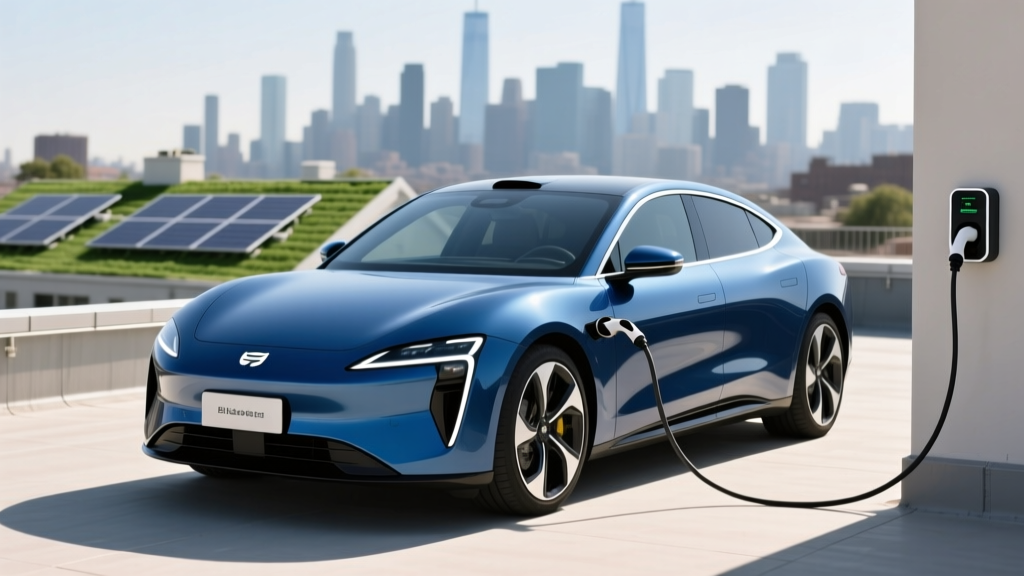
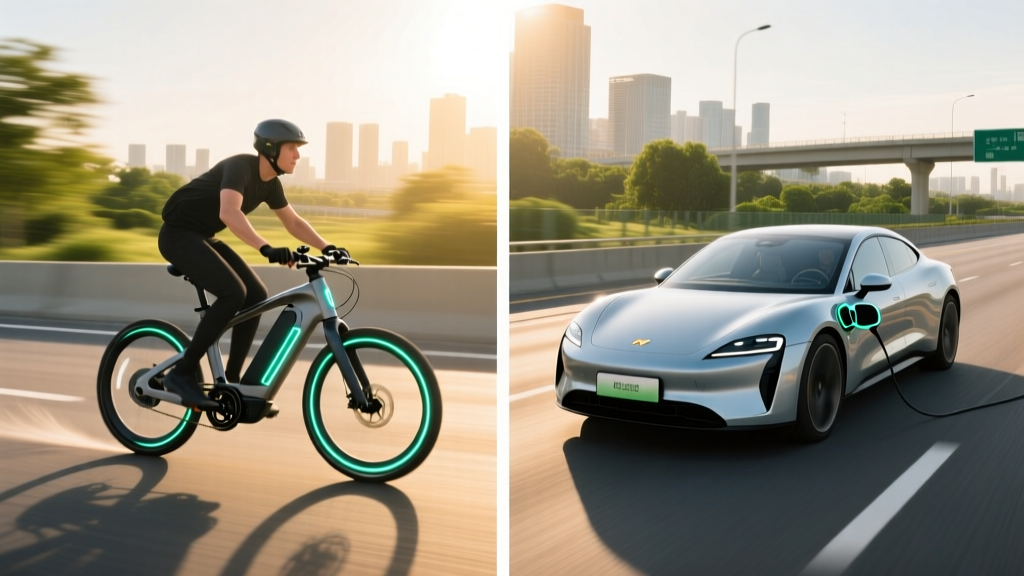
If your daily commute is under 15 miles round-trip and you live in a mild climate, a 40 mph fast electric bike (typically $2,500–$5,500) can replace a car trip at roughly $0.01 per mile in electricity versus $0.04–$0.05 per mile in a compact EV. However, electric bikes offer no crash protection, minimal cargo capacity, poor cold/rain usability, and no eligibility for the federal §30D EV tax credit. For most US commuters covering more than 20 miles daily, needing highway access, or facing winter weather, a compact EV like the 2026 Chevrolet Equinox EV (EPA 319 mi, starting ~$33,600) or 2026 Hyundai Kona Electric (EPA 261 mi, ~$32,975) remains the practical electrified choice. Electric bikes are best treated as a supplement to an EV, not a replacement—unless your use case is strictly short, fair-weather urban commuting.
What Exactly Is a 40 MPH Fast Electric Bike?
A "40 mph fast electric bike" generally refers to a Class 3 e-bike with a motor rated at 750W or higher, capable of pedal-assist speeds up to 28 mph under federal CPSC guidelines, but often modified or sold with throttle modes reaching 40+ mph. Models like the Super73-RX, Onyx RCR, and Sur-Ron Light Bee X (off-road variant) fall into this category, typically priced between $2,500 and $5,500.
Under US federal law, a bicycle with an electric motor under 750W that cannot exceed 20 mph on motor power alone is classified as a consumer product, not a motor vehicle. E-bikes that exceed these thresholds—particularly those hitting 40 mph—enter a regulatory gray zone. Many states classify them as mopeds or electric motorcycles, requiring registration, insurance, a driver's license, and in some cases, a helmet and lane restrictions. Check your state DMV before purchasing.
40 MPH Electric Bikes vs Compact EVs: Head-to-Head Cost Comparison
The table below compares a typical 40 mph fast electric bike against two popular 2026 compact EVs across the metrics that matter for daily ownership.
| Metric | 40 MPH E-Bike (Typical) | 2026 Chevy Equinox EV LT | 2026 Hyundai Kona Electric SEL |
|---|---|---|---|
| Purchase Price | $2,500–$5,500 | ~$33,600 | ~$32,975 |
| Federal Tax Credit (§30D) | Not eligible | Up to $7,500 (subject to income, MSRP cap, sourcing) | Up to $7,500 (subject to income, MSRP cap, sourcing) |
| EPA Range / Battery | 20–45 mi / 0.7–1.5 kWh | 319 mi / 85 kWh (NMC) | 261 mi / 65 kWh (NMC) |
| Cost Per Mile (Energy) | ~$0.008–$0.012 | ~$0.04–$0.05 | ~$0.04–$0.05 |
| Annual Insurance | $0–$300 (optional/renters) | $1,400–$2,200 | $1,200–$1,900 |
| Annual Maintenance | $100–$250 (tires, chain, brake pads) | $300–$500 (cabin filter, tires, wipers) | $300–$500 |
| Charging Time (0–100%) | 3–5 hours (standard outlet) | ~9.5 hrs Level 2 (11.5 kW); 10–80% DC in ~30 min at 150 kW | ~6.5 hrs Level 2 (10.9 kW); 10–80% DC in ~43 min at 100 kW |
| Cargo Capacity | Panniers: 1–2 cu ft | 26.4 cu ft (rear seats up) | 25.5 cu ft (rear seats up) |
| Weather Usability | Poor (rain, cold, wind exposure) | Full climate control, heat pump available | Full climate control, heat pump standard |
| Safety (Crash Protection) | None (helmet only) | NHTSA 5-star rated, ADAS standard | IIHS Top Safety Pick eligible, ADAS standard |
Real-World Ownership: What E-Bike Marketing Won't Tell You
Manufacturers of 40 mph fast electric bikes often advertise 40–60 mile ranges. Real-world testing tells a different story. At sustained 35–40 mph speeds using throttle-only mode, most 1.0–1.5 kWh battery packs deliver between 15 and 25 miles before depletion. Range drops 20–35% in temperatures below 40°F due to lithium-ion cell internal resistance increases and the energy demands of rider heating (heated grips or clothing draw from the same pack).
Battery degradation is another ownership reality. Most e-bike batteries use 18650 or 21700 NMC cells with a cycle life of 500–800 full charge cycles before reaching 80% State of Health (SoH). At daily use, expect noticeable range reduction within 2–3 years. Replacement battery packs cost $400–$900 depending on capacity and brand. Compare this to a 2026 EV battery warranty, which federally must cover at least 8 years/100,000 miles at 70% capacity retention per EPA guidance.
5-Year Total Cost of Ownership: E-Bike vs EV vs Gas Car
To understand true savings, we modeled 5 years of ownership at 7,500 miles/year (15 miles/day, 5 days/week, 50 weeks/year)—a realistic urban commute profile.
| Cost Category (5 Years) | 40 MPH E-Bike | 2026 Kona Electric | 2026 Honda Civic (Gas Baseline) |
|---|---|---|---|
| Purchase (after credits) | $4,000 | $25,475 (assuming $7,500 credit) | $25,000 |
| Energy/Fuel | $190 | $1,875 | $5,625 (28 MPG avg, $3.00/gal) |
| Insurance | $750 | $7,500 | $6,500 |
| Maintenance | $875 | $2,000 | $3,500 |
| Battery Replacement (if needed) | $600 | $0 (under warranty) | N/A |
| 5-Year Total | ~$6,415 | ~$36,850 | ~$40,625 |
| Cost Per Mile | $0.17 | $0.98 | $1.08 |
The e-bike wins on pure cost—but only if it can actually serve your daily needs. That $30,000 savings gap narrows fast if you need to also own or rent a car for weekends, bad weather, or longer trips.
Common Misconceptions About 40 MPH Electric Bikes
| Myth | Fact |
|---|---|
| "It's just a bicycle—no registration or license needed." | E-bikes exceeding 750W or 20 mph throttle-only are classified as mopeds or motorcycles in most states. Registration, insurance, and a valid license may be required. Check your state DMV. |
| "40-mile range means I can commute 20 miles each way." | At 40 mph, expect 15–25 miles real-world range. Cold weather, hills, and throttle-only use reduce this further. Always plan for 50–60% of advertised range. |
| "It's as safe as a regular bike." | At 40 mph, kinetic energy is 4× higher than at 20 mph. Crash forces are closer to a motorcycle collision. Most bike infrastructure is not designed for 40 mph travel. |
| "I can charge it anywhere." | While standard 120V outlets work, charging a depleted 1.5 kWh pack takes 4–6 hours. Unlike EVs, e-bikes have no DC fast-charging capability and no public charging network. |
| "The battery will last as long as an EV battery." | EV batteries are warrantied for 8 years/100,000 miles. E-bike batteries typically last 2–4 years with daily use and cost $400–$900 to replace. |
Decision Framework: Should You Buy an E-Bike, an EV, or Both?
Choose a 40 MPH Fast Electric Bike If:
- Your daily round-trip commute is under 15 miles on surface streets
- You live in a mild climate (rarely below 40°F, minimal rain months)
- You already own a car for longer trips, groceries, and bad weather
- You have secure, indoor storage and a standard outlet for charging
- Your state allows e-bikes at 40 mph on your planned routes
- Your total budget for this purchase is under $5,000
Choose a Compact EV (Equinox EV, Kona Electric, Bolt EV) If:
- Your commute exceeds 20 miles round-trip or includes highway segments
- You experience winter weather, heavy rain, or extreme heat regularly
- You need cargo space for groceries, children, or gear
- You want crash protection, ADAS features, and NHTSA/IIHS safety ratings
- You qualify for the §30D federal EV tax credit (income caps: $150K single, $300K joint; MSRP cap: $55K cars/$80K SUVs)
- You can install a Level 2 home charger (240V, typically $500–$2,000 for equipment and installation)
Choose Both (EV + E-Bike Combo) If:
- You want to eliminate most short car trips while retaining full-vehicle capability
- Your household has two or more commuters with different trip profiles
- You want to maximize per-mile savings on errands under 5 miles while keeping the EV for road trips
What First-Time EV Buyers Should Know (If You're Considering an EV Over an E-Bike)
If the limitations of a 40 mph fast electric bike push you toward a full EV, here are the essentials for 2026 buyers:
- Home charging is critical. A Level 2 charger (240V, 32–48A) adds 25–40 miles of range per hour and costs $500–$2,000 installed depending on your electrical panel. Without home charging, EV ownership becomes significantly less convenient.
- The §30D tax credit is not guaranteed. Eligibility depends on your modified adjusted gross income, the vehicle's MSRP, battery component sourcing, and critical mineral requirements. Always verify current rules at IRS.gov before purchasing. The credit can now be transferred to the dealer at point of sale, reducing your out-of-pocket cost immediately.
- Real-world range is 15–30% below EPA estimates in cold weather (below 30°F) or at sustained highway speeds (75+ mph). A vehicle rated at 300 miles EPA may deliver 210–250 miles in these conditions.
- DC fast charging tapers above 80% SoC. A vehicle that charges 10–80% in 25 minutes may take another 20+ minutes to go from 80–100%. Plan road-trip stops to 80% for optimal time efficiency.
- EV insurance is typically 15–25% higher than comparable gas vehicles due to repair costs and battery replacement values. Get quotes before purchasing.
Frequently Asked Questions
Are 40 mph electric bikes street-legal in the US?
It depends on your state. Federally, e-bikes are limited to 750W and 20 mph on throttle alone. Bikes exceeding these limits may be classified as mopeds or motorcycles, requiring registration, a license plate, insurance, and in some states, a motorcycle endorsement. Always verify with your state DMV or department of transportation before riding.
Can I use a 40 mph e-bike for grocery shopping?
Limited cargo capacity is a significant constraint. Most e-bikes offer 1–2 cubic feet of pannier space and a weight limit of 20–40 lbs for rear racks. A week of groceries for a family of four typically exceeds this. Compact EVs offer 25–30 cubic feet of cargo space, making them far more practical for shopping trips.
How does e-bike charging compare to EV charging?
E-bikes charge on standard 120V household outlets at roughly 0.2–0.4 kW, taking 3–6 hours for a full charge. They have no DC fast-charging capability and no public charging network. EVs can charge at home on Level 2 (7–11.5 kW) and use DC fast chargers (50–350 kW) on public networks like Tesla Supercharger, Electrify America, and EVgo, adding 100–200+ miles in 20–30 minutes.
Is an e-bike safer than an electric car?
No. At 40 mph, an e-bike rider has no structural crash protection, no airbags, no crumple zones, and no ADAS features like automatic emergency braking or lane-keeping assist. NHTSA data consistently shows that motorcyclists and cyclists face significantly higher fatality rates per mile traveled than car occupants. A compact EV with a 5-star NHTSA rating and standard ADAS is substantially safer for daily commuting.
What's the best use case for a 40 mph electric bike?
The ideal scenario is a secondary vehicle for a single commuter with a sub-10-mile, surface-street commute in a warm, dry climate, who already owns a car for other needs. In this role, an e-bike can eliminate $1,000–$2,000 in annual fuel and maintenance costs while reducing household emissions. It is not a primary vehicle replacement for most US households.