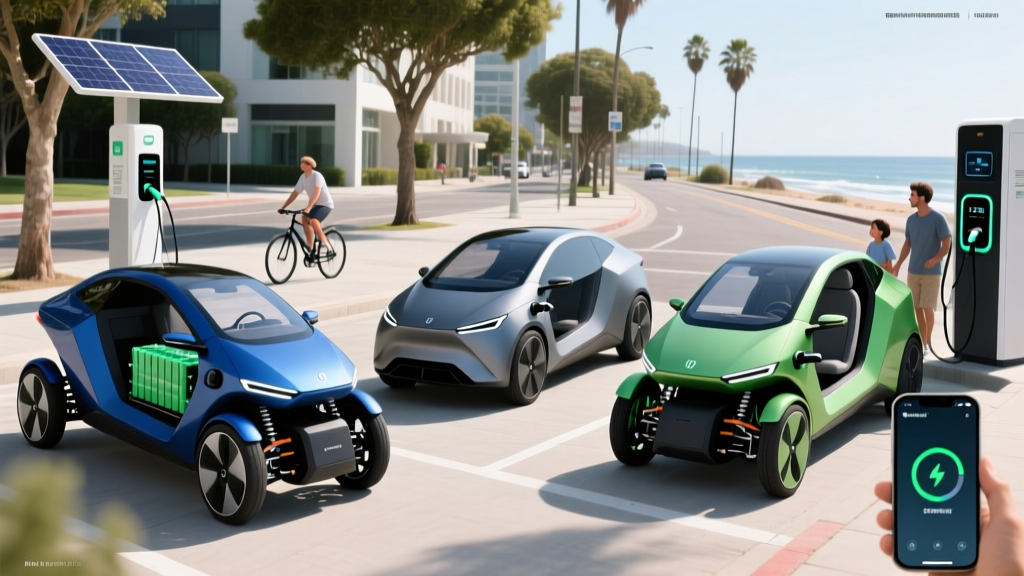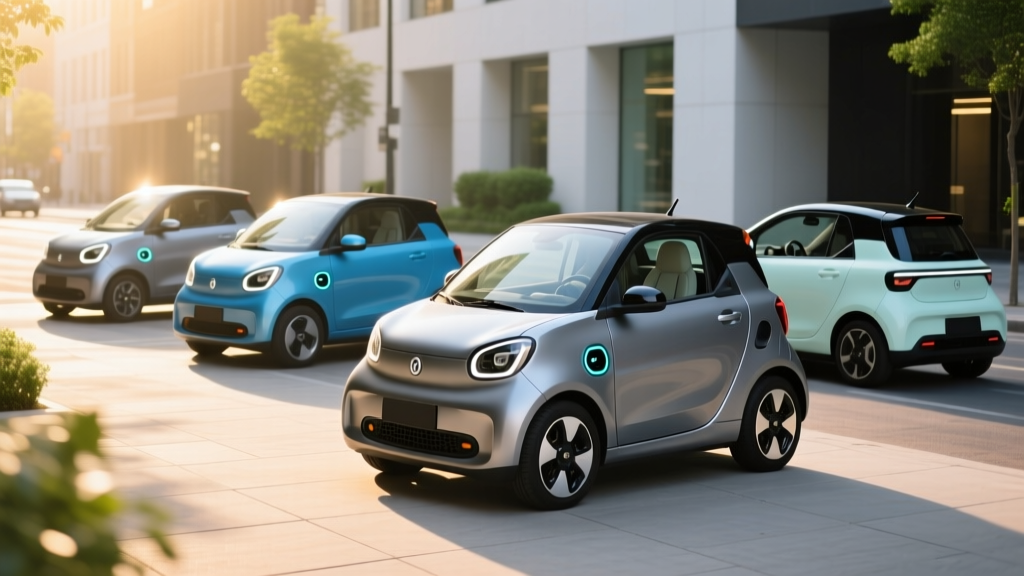
Quick Answer: What Is the Smallest EV You Can Buy?
The smallest full-size electric vehicles currently sold in the U.S. are subcompact hatchbacks and crossovers measuring under 170 inches long. The 2026 Mini Cooper SE (152.6 inches, EPA 170 miles, ~$31,900 MSRP) and the 2026 Chevrolet Bolt EV (163.2 inches, EPA 259 miles, ~$28,900 MSRP) lead the segment. If you need the smallest footprint for tight city parking while still carrying adults, the Mini Cooper SE is the shortest. If you need the smallest EV that still delivers practical range and cargo space, the Bolt EV or its sibling the Bolt EUV are the best bets.
Why the Smallest EV Segment Matters in 2026
Not every driver needs a 5,000-pound electric SUV. Urban dwellers, solo commuters, and second-car households often want something compact, affordable, and easy to park. The smallest EVs fill that gap with lower MSRPs (typically $28,000–$38,000 before incentives), cheaper insurance, and lower electricity consumption per mile compared to larger electric crossovers.
However, smaller batteries mean shorter range, and smaller platforms sometimes sacrifice DC fast-charging speed. A 40 kWh battery in a subcompact EV will charge to 80% faster in absolute minutes than a 100 kWh pack, but the peak charge rate (measured in kW) is often capped lower — meaning road trips require more planning. Let's break down what's available and what the numbers actually look like.
Spec Comparison: Smallest EVs Side by Side
| Model (2026) | Length | Usable Battery | EPA Range | Peak DC Charge | 10–80% Time | 0–60 mph | Base MSRP |
|---|---|---|---|---|---|---|---|
| Mini Cooper SE | 152.6 in | 40.7 kWh (NMC) | 170 mi | 95 kW | ~30 min | 6.7 sec | $31,900 |
| Chevrolet Bolt EV | 163.2 in | 65 kWh (NMC) | 259 mi | 115 kW | ~30 min | 6.5 sec | $28,900 |
| Chevrolet Bolt EUV | 169.5 in | 65 kWh (NMC) | 247 mi | 115 kW | ~30 min | 7.0 sec | $30,500 |
| Nissan LEAF (S trim) | 176.4 in | 40 kWh (NMC) | 149 mi | 50 kW (CHAdeMO) | ~40 min | 7.4 sec | $29,290 |
| Hyundai Kona Electric | 171.3 in | 64.8 kWh (NMC) | 261 mi | 100 kW | ~41 min | 7.0 sec | $34,100 |
Sources: fueleconomy.gov, manufacturer press sites. Range is EPA-estimated; real-world highway and cold-weather results will be 15–30% lower.
Real-World Range: What the EPA Sticker Doesn't Tell You
EPA vs. Reality for Small EVs
Mini Cooper SE: EPA 170 mi. Expect ~135–145 mi in mixed driving, ~110–120 mi sustained highway at 70+ mph, and potentially under 100 mi in freezing temperatures with cabin heat on.
Chevrolet Bolt EV: EPA 259 mi. Expect ~220–235 mi mixed, ~195–210 mi highway, ~175–195 mi in cold weather.
Hyundai Kona Electric: EPA 261 mi. Expect ~225–240 mi mixed, ~200–215 mi highway, ~180–200 mi in cold weather.
Smaller batteries (40 kWh class) in the Mini and LEAF S have less buffer for cold-weather degradation and highway-speed inefficiency. The Bolt and Kona, with ~65 kWh packs, absorb that hit better. If your commute is under 40 miles round-trip and you charge at home nightly, a 170-mile EPA range is plenty. If you drive 60+ miles daily or take occasional 150-mile trips, you'll want the Bolt or Kona.
Cost Breakdown: Smallest EV vs. Comparable Gas Car
Let's compare a 2026 Chevrolet Bolt EV ($28,900 MSRP) against a typical subcompact gas car like the Honda Civic (starting ~$26,000) over 5 years and 60,000 miles.
| Cost Factor (5 yr / 60k mi) | Chevy Bolt EV | Honda Civic (Gas) |
|---|---|---|
| Purchase Price | $28,900 | $26,000 |
| Fed. Tax Credit (§30D, if eligible) | –$7,500* | $0 |
| Net Purchase Cost | $21,400 | $26,000 |
| Fuel / Electricity | $2,880 (home L2 @ $0.14/kWh) | $6,600 (30 MPG @ $3.30/gal) |
| Maintenance | $900 | $2,800 |
| Insurance (avg.) | $7,200 | $6,000 |
| 5-Year Total | $32,380 | $41,400 |
*§30D credit eligibility requires meeting income caps ($150k single / $300k joint), MSRP cap ($55k for cars), and battery-sourcing requirements. Always verify on IRS.gov before purchasing. Credit can be applied at point of sale as of 2024+.
The Bolt EV saves roughly $9,000 over five years even before considering state rebates or free workplace charging. The fuel savings alone ($3,720) nearly cover the higher insurance premiums EVs typically carry.
Charging at Home vs. Public: What Small-EV Buyers Must Plan For
Most small EVs come with a Level 1 cord (120V, ~1.3 kW), which adds roughly 3–5 miles of range per hour of charging. For a 40 kWh battery (Mini Cooper SE), a full charge from empty takes 30+ hours on Level 1 — fine for topping up, inadequate for daily heavy use.
Level 2 Home Charging (240V)
A Level 2 home charger (7.2–11.5 kW) is the practical standard for EV ownership. Here's what installation typically costs:
| Item | Cost Range |
|---|---|
| Level 2 Charger Unit (e.g., ChargePoint, Emporia) | $300–$700 |
| Electrician Labor (240V/50A circuit, 20–40 ft run) | $600–$2,000 |
| Permit / Inspection | $50–$250 |
| Panel Upgrade (if needed, 100A→200A) | $1,500–$3,500 |
| Total Typical Install | $950–$2,950 |
At Level 2 (7.2 kW), a Bolt EV charges from empty to full in roughly 9 hours — perfect for overnight charging. The Mini Cooper SE does it in about 5.5 hours. Always have a licensed electrician evaluate your panel capacity before installation.
Public DC Fast Charging Limitations
Small EVs generally peak at 50–115 kW on DC fast chargers. That means a 10–80% session takes 30–41 minutes — adequate for road trips but noticeably slower than vehicles like the Hyundai Ioniq 5 (peak 240 kW, 10–80% in ~18 min). The Nissan LEAF's CHAdeMO connector is also increasingly rare at new U.S. public stations, which predominantly use CCS or NACS.
Tax Credits and Incentives: What You Actually Qualify For
The federal §30D Clean Vehicle Credit offers up to $7,500, but eligibility depends on several factors:
- MSRP Cap: Cars (sedans, hatchbacks, wagons) must be under $55,000. All small EVs listed here qualify.
- Buyer Income Cap: Adjusted gross income must not exceed $150,000 (single), $225,000 (head of household), or $300,000 (joint filing).
- Battery Sourcing: The $7,500 is split into two halves — $3,750 for critical minerals and $3,750 for battery components. Sourcing requirements tighten annually. Check the latest eligible vehicle list on fueleconomy.gov.
- Point-of-Sale Transfer: As of 2024, you can transfer the credit to the dealer at purchase, reducing your out-of-pocket cost immediately rather than waiting for tax filing.
State incentives vary widely. California's CVRP, Colorado's state credit, and various utility rebates can stack on top. Consult your state energy office or a tax professional for specifics.
Myths vs. Facts About Small EVs
| Myth | Fact |
|---|---|
| "Small EVs can't handle road trips." | A Bolt EV with 259 mi EPA range handles 200-mi legs comfortably with one 25-min DC fast-charge stop. Plan around the charging network, not just range. |
| "EV batteries won't last." | Modern NMC batteries in the Bolt and Kona carry 8-year/100,000-mile warranties (10 years in CARB states) guaranteeing ≥70% capacity retention. Real-world degradation data shows most lose only 5–10% over 5 years. |
| "I need a garage to own an EV." | While home charging is ideal, apartment dwellers use workplace charging, public Level 2 networks (ChargePoint, EVgo), and curbside chargers increasingly deployed in cities. It's harder but feasible. |
| "Small EVs are unsafe." | The Bolt earned IIHS Top Safety Pick+ status in prior model years. EVs have low centers of gravity (battery under floor) reducing rollover risk. Check IIHS and NHTSA ratings for current-year scores. |
| "Charging costs as much as gas." | At the U.S. average residential rate of ~$0.16/kWh, a Bolt EV costs ~$0.045/mi to fuel vs. ~$0.11/mi for a 30-MPG gas car at $3.30/gal. Public DC fast charging is more expensive (~$0.35–$0.50/kWh) but most charging happens at home. |
Decision Framework: Which Smallest EV Fits You?
Choose Based on Your Situation
Choose the Mini Cooper SE if: You want the absolute shortest vehicle for tight city parking, your daily driving is under 50 miles, you have reliable home Level 2 charging, and you value driving dynamics and brand character over maximum range.
Choose the Chevrolet Bolt EV if: You want the best value — lowest MSRP, longest range under $30k, practical hatchback cargo space, and full §30D tax credit eligibility. This is the default pick for most small-EV buyers.
Choose the Bolt EUV if: You need slightly more rear-seat legroom and don't mind sacrificing 12 miles of range and paying ~$1,600 more for a longer wheelbase.
Choose the Hyundai Kona Electric if: You want comparable range to the Bolt in a more modern interior with better infotainment and ADAS features, and you're willing to pay a ~$5,000 premium.
Avoid the Nissan LEAF (40 kWh) if: You need DC fast charging on road trips — its 50 kW CHAdeMO peak is painfully slow, and CHAdeMO stations are being phased out in favor of CCS and NACS. The 60 kWh LEAF (212 mi EPA, 100 kW CCS) is more viable but priced near Kona territory.
Consider a PHEV instead if: You lack home charging access, regularly drive over 250 miles in a day, or live in an area with unreliable public charging infrastructure. A Toyota Prius Prime (44 mi electric-only, 52 MPG combined) eliminates range anxiety entirely.
Frequently Asked Questions
What is the absolute smallest EV sold in the U.S.?
The 2026 Mini Cooper SE is the shortest at 152.6 inches long and the lightest at roughly 3,650 lbs. It seats four adults (tightly in back) and offers 8.7 cu ft of cargo space behind the rear seats.
Can a small EV be my only car?
Yes, if your typical day is under 80 miles and you have home charging. For frequent road trips exceeding 250 miles, a larger EV with 300+ mi range and faster DC charging (150+ kW) will be significantly more comfortable.
Do small EVs qualify for the $7,500 federal tax credit?
Most do, because they fall well under the $55,000 MSRP cap for cars. However, the battery must meet critical-mineral and component-sourcing requirements that tighten each year. Always verify eligibility on IRS.gov at time of purchase.
How much does it cost to charge a small EV at home?
A full charge of a 65 kWh Bolt EV battery at $0.16/kWh costs roughly $10.40 and delivers ~259 miles. That's equivalent to about $1.50/gallon gasoline. The smaller 40 kWh Mini Cooper SE costs ~$6.40 for a full charge yielding ~170 miles.
Will a small EV battery need replacement?
Unlikely during typical ownership. Battery replacement costs for the Bolt are estimated at $9,000–$14,000 out of warranty, but degradation data suggests most NMC packs retain 85–90% capacity after 100,000 miles. The 8-year/100,000-mile federal battery warranty covers defects and excessive degradation (below 70% capacity).
Are small EVs good in winter?
They work, but expect 20–30% range loss in sub-freezing temperatures. A Bolt EV dropping from 259 to ~185 miles in winter is still usable for most commutes. A Mini Cooper SE dropping from 170 to ~120 miles may be tight for longer daily drives. Preconditioning the battery while plugged in and using seat heaters (instead of cabin air) help preserve range.