Quick Answer: Small electric cars in 2026—like the Chevrolet Equinox EV (259 mi EPA, ~$33,000), Nissan LEAF (149-212 mi, ~$28,140), and Hyundai Kona Electric (261 mi, ~$32,975)—offer real savings for city drivers who can charge at home. Expect $0.04-$0.05 per mile on home electricity versus $0.12-$0.15 per mile on gas. Federal tax credits up to $7,500 (via IRS §30D) can drop effective prices below $25,000, but eligibility depends on income caps, battery sourcing, and MSRP limits. If you drive under 40 miles daily and have Level 2 home charging access, a small EV will likely cut your fuel and maintenance costs by 50-70%.
The Real Appeal of Small Electric Cars
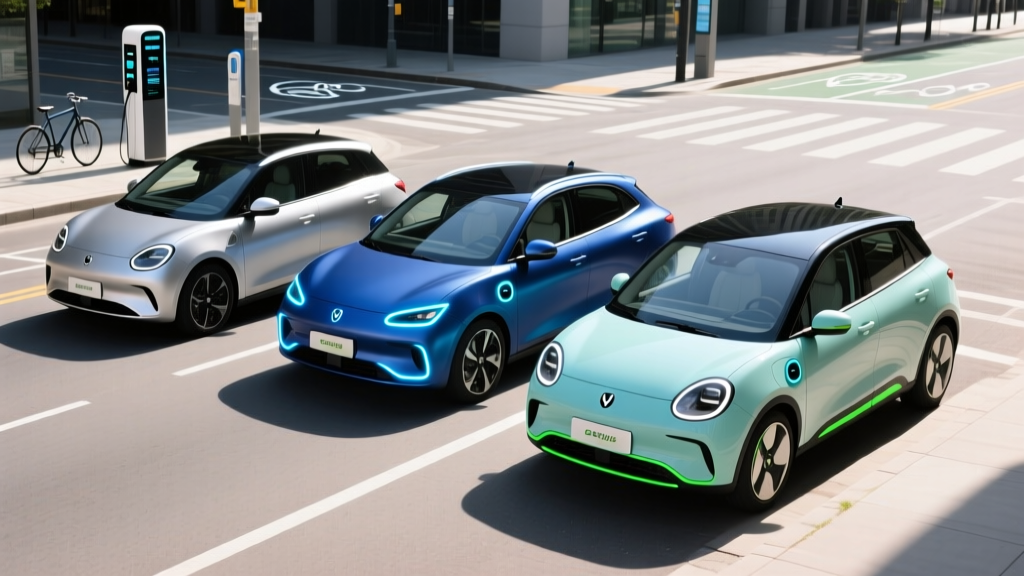
Small electric vehicles occupy a practical sweet spot: lower purchase prices than midsize EVs, better energy efficiency (often 110-130 MPGe combined), and easier parking in urban environments. Unlike larger electric SUVs that carry 90-100+ kWh battery packs, small EVs typically use 40-65 kWh batteries, which means faster home charging, lower electricity draw, and less upfront cost.
For context, a compact gas car averaging 30 MPG combined at $3.50/gallon costs roughly $0.117 per mile in fuel alone. A small EV drawing 30 kWh per 100 miles at the US average residential rate of $0.16/kWh costs $0.048 per mile—about 59% less per mile driven, according to EPA fueleconomy.gov data and EIA electricity pricing.
2026 Small EV Lineup: Specs, Range, and Pricing
The subcompact and compact EV market has shifted significantly. The Nissan LEAF remains the entry-level option but carries a CHAdeMO connector limitation. The Chevrolet Equinox EV and Hyundai Kona Electric offer more range and standard NACS/CCS compatibility. Here's how the current small electric options compare on paper:
| Model | EPA Range | Battery (kWh) | Peak DC Charge | 10-80% Time | 0-60 mph | Base MSRP |
|---|---|---|---|---|---|---|
| Nissan LEAF S | 149 mi | 40 kWh (NMC) | 50 kW | ~40 min | 7.4 sec | $28,140 |
| Nissan LEAF SV Plus | 212 mi | 60 kWh (NMC) | 100 kW | ~35 min | 6.9 sec | $36,190 |
| Hyundai Kona Electric SE | 261 mi | 65 kWh (NMC) | 100 kW | ~43 min | 7.8 sec | $32,975 |
| Chevrolet Equinox EV 2LT | 259 mi | 85 kWh (NMC) | 150 kW | ~30 min | 7.9 sec | $33,000 |
| MINI Cooper SE | 114 mi | 32.6 kWh (NMC) | 50 kW | ~35 min | 7.3 sec | $30,900 |
Real-World Range Reality: EPA range figures assume mixed driving at moderate temperatures. In real-world highway testing at 70 mph, expect 10-15% range reduction. In freezing weather (below 32°F), battery chemistry and cabin heating can reduce range by 20-35%. A Kona Electric rated at 261 mi EPA may deliver 180-200 mi in cold Midwestern winters. The LEAF's lack of active battery thermal management exacerbates cold-weather losses and slows DC fast charging in low temperatures.
Cost of Ownership: Small EV vs Gas Compact
The purchase price is only the beginning. Here's a 5-year cost comparison between a small electric car (Hyundai Kona Electric at ~$33,000) and a comparable gas compact (Toyota Corolla at ~$22,000), assuming 12,000 miles/year, $0.16/kWh home electricity, $3.50/gallon gas, and no major repairs under warranty.
| Cost Factor (5 Years / 60k Miles) | Hyundai Kona Electric | Toyota Corolla (Gas) |
|---|---|---|
| Purchase Price (MSRP) | $32,975 | $22,050 |
| Estimated Federal Tax Credit (§30D) | -$7,500 (if eligible) | $0 |
| Effective Purchase Price | $25,475 | $22,050 |
| Fuel / Electricity (60,000 mi) | $2,880 | $7,000 |
| Maintenance (oil, filters, brakes) | $600 | $2,400 |
| Insurance (average) | $7,800 | $6,600 |
| 5-Year Total Cost | $36,755 | $38,050 |
| Cost Per Mile (all-in) | $0.613 | $0.634 |
The Kona Electric edges out the Corolla on total 5-year cost primarily through fuel and maintenance savings, even with slightly higher insurance premiums. EV insurance tends to run 10-20% higher due to repair complexity and battery replacement risk, per industry data. The breakeven point shifts further in the EV's favor if you qualify for the full $7,500 point-of-sale credit and if gas prices rise above $3.50/gallon.
Federal Tax Credit: What You Actually Qualify For
The IRS §30D Clean Vehicle Credit can reduce your effective purchase price by up to $7,500, but it is not automatic. The credit has three gating requirements that change periodically based on Treasury guidance and battery sourcing rules:
- Buyer Income Cap: Modified adjusted gross income must not exceed $150,000 (single), $225,000 (head of household), or $300,000 (joint filing).
- MSRP Cap: The vehicle's manufacturer's suggested retail price must not exceed $55,000 for cars (all small EVs listed here qualify).
- Battery Sourcing: A percentage of critical minerals and battery components must be sourced from the US or free-trade-agreement countries. This threshold tightens annually. Check current eligibility on IRS.gov clean vehicle credit page before purchasing.
- Point-of-Sale Transfer: As of 2024, buyers can transfer the credit to the dealer at purchase, reducing the sale price directly rather than waiting for a tax refund.
The Nissan LEAF and Chevrolet Equinox EV have historically qualified for the full credit, but always verify the specific VIN on the IRS portal at the time of purchase. Sourcing requirements have disqualified some trims in prior model years.
Charging at Home vs Public: What Small EV Owners Need
The single biggest ownership variable is whether you can install a Level 2 charger at home. Small EVs with 40-65 kWh batteries are actually ideal for home charging because they can fully replenish overnight on a 240V / 32A circuit (7.7 kW) in roughly 6-9 hours.
| Charging Level | Power (kW) | Miles Added Per Hour | Best For |
|---|---|---|---|
| Level 1 (120V outlet) | 1.2-1.4 kW | 3-5 mi/hr | Overnight top-up, under 30 mi/day driving |
| Level 2 (240V home) | 7.7-11.5 kW | 25-40 mi/hr | Daily home charging, full overnight refill |
| DC Fast Charge | 50-150 kW | 150-400 mi/hr | Road trips, quick top-ups (not for daily use) |
A Level 2 home installation typically costs $800-$2,500 including a quality EVSE (charge point) and electrician labor, assuming your electrical panel has capacity. If a panel upgrade from 100A to 200A is needed, add $1,500-$3,000. Small EV owners in apartments or condos without dedicated parking face a genuine barrier—public DC fast charging costs 2-4x more per kWh than home electricity and repeated fast charging accelerates battery degradation slightly.
Common Misconceptions About Small EVs
| Myth | Fact |
|---|---|
| "Small EVs can't handle road trips" | A Kona Electric with 261 mi range can cover most intercity routes with one 30-40 minute DC fast charge stop. Planning apps like A Better Routeplanner make this straightforward. |
| "The battery will need expensive replacement" | Modern NMC batteries degrade roughly 1-2% per year under normal use. Hyundai and Chevrolet provide 8-year/100,000-mile battery warranties covering capacity below 70%. Most batteries outlast the vehicle. |
| "EVs are worse in cold weather" | Range drops 20-35% in freezing temps, but EVs start reliably (no cold-cranking issues) and preconditioning the battery while plugged in recovers much of the loss. A garage helps significantly. |
| "Charging takes too long" | Home charging happens while you sleep—zero active time. DC fast charging adds 100-150 miles in 20-30 minutes on a road trip, comparable to a rest stop. |
| "Small EVs aren't safe" | The Kona Electric earned IIHS Top Safety Pick+ ratings. EV platforms have low centers of gravity reducing rollover risk. Check IIHS.org for crash-test results. |
Decision Framework: Is a Small Electric Car Right for You?
Choose a small EV if:
- You drive under 50 miles round-trip daily (well within any small EV's real-world range)
- You have access to Level 2 home or workplace charging
- Your household income falls under the §30D caps and you qualify for the tax credit
- You want the lowest per-mile operating cost and minimal maintenance
- You live in a mild-to-moderate climate, or have a garage for cold-weather charging
Consider a PHEV or gas car instead if:
- You regularly drive 200+ miles between charging opportunities
- You live in an apartment with no charging access and public infrastructure is sparse
- You frequently tow or carry heavy cargo (small EVs have limited towing capacity)
- You live in extreme cold (-20°F or below regularly) where range loss compounds
Choose the LEAF only if: Budget is the top priority and you accept CHAdeMO's declining public charging network. The LEAF's passive battery cooling also limits repeated fast charging on road trips.
Choose the Kona Electric or Equinox EV if: You want 250+ miles of range, modern NACS or CCS charging compatibility, and stronger road-trip capability with active thermal management.
Frequently Asked Questions
Are small electric cars good for highway driving?
Yes, but efficiency drops at sustained 70-80 mph speeds. Expect 3.0-3.5 mi/kWh on the highway versus 3.8-4.2 mi/kWh in city driving with regenerative braking. A Kona Electric rated at 261 mi EPA will deliver roughly 220-235 mi on a flat highway in mild weather.
How long do small EV batteries last?
Based on current degradation data, expect 85-90% capacity retention after 5 years and 75-80% after 10 years with normal use. Federal warranty requirements mandate 8-year/100,000-mile coverage for battery capacity dropping below a manufacturer-defined threshold (typically 70%).
Can I use a regular outlet to charge a small EV?
Yes—Level 1 charging on a standard 120V outlet adds 3-5 miles per hour. For a 40 kWh LEAF battery, a full charge takes roughly 30-35 hours. This works if you drive under 30 miles daily and can plug in every night, but Level 2 is strongly recommended for convenience.
Do small EVs qualify for the $7,500 tax credit?
Many do, but eligibility depends on your income, the vehicle's MSRP, and current battery-sourcing rules. The LEAF, Kona Electric, and Equinox EV have qualified in recent years. Verify the specific VIN at the IRS clean vehicle portal before purchasing, as rules tighten annually.
What happens if I run out of charge?
Modern EVs provide extensive range warnings and will reduce power to preserve the last few miles. If you do deplete the battery, roadside assistance can flatbed-tow the vehicle to a charger. You cannot tow an EV with wheels on the ground without damaging the motor. Plan routes with apps like PlugShare or A Better Routeplanner to avoid this scenario entirely.