The Short Answer on Mini EV Cars
A mini EV car—typically a subcompact or micro electric vehicle with an EPA range of 100–250 miles and a starting MSRP between $28,000 and $40,000—makes sense if you drive under 60 miles per day, have access to Level 2 home charging, and primarily commute in urban or suburban environments. In 2026, models like the Chevrolet Equinox EV, Nissan LEAF, and Hyundai Kona Electric dominate this space, offering 200–260 miles of range with DC fast charging between 100–175 kW. The main trade-offs: limited cargo space, slower DC fast-charge speeds compared to larger platforms, and reduced cold-weather range (expect 20–30% loss below freezing).
What Exactly Is a Mini EV Car?
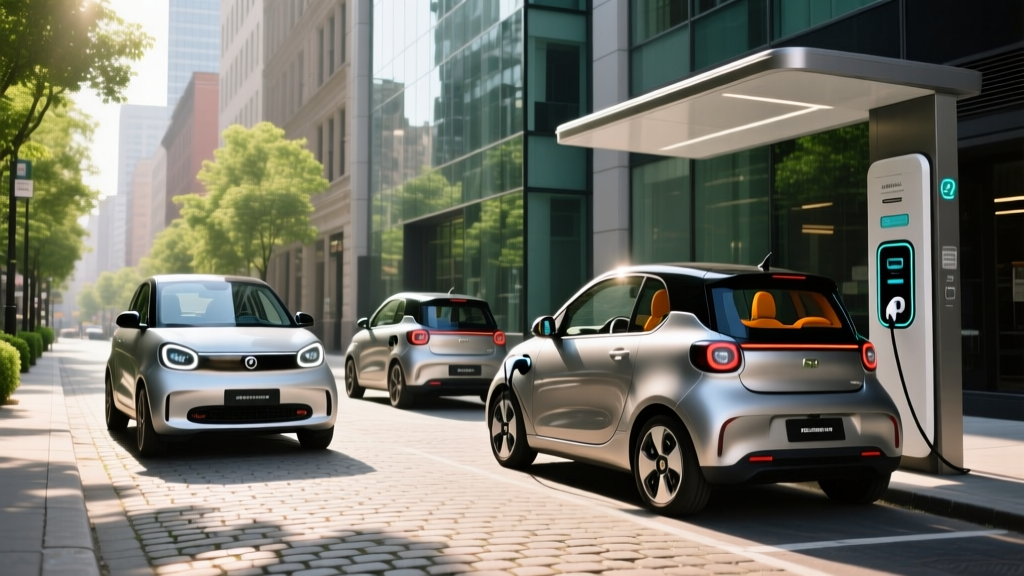
The term "mini EV car" isn't an official classification—it's what buyers search when they want a small, affordable electric vehicle that's easy to park and cheap to run. In practice, this covers two categories:
- Subcompact EVs: Proper hatchbacks and small crossovers with full highway capability, 5 seats, and 200+ miles of EPA range. Examples: Hyundai Kona Electric, Kia Niro EV, Chevrolet Equinox EV 2LT.
- Micro EVs / NEVs: Neighborhood Electric Vehicles or ultra-compact city cars with limited top speeds (25–45 mph) and very short range (40–100 miles). These are street-legal only on low-speed roads in most US states. Examples: Arcimoto FUV, Eli Zero (where available).
This guide focuses primarily on subcompact EVs—the kind you can actually drive on the highway and use as a primary vehicle—while noting where micro EVs fit for secondary car duty.
2026 Mini EV Lineup: Spec Comparison
| Model | EPA Range | Battery (kWh) | DC Fast Charge (kW) | 10–80% Time | 0–60 mph | Base MSRP |
|---|---|---|---|---|---|---|
| Hyundai Kona Electric SEL | 261 mi | 64.8 (NMC) | 100 kW peak | ~43 min | 7.6 sec | $33,975 |
| Kia Niro EV Wind | 239 mi | 64.8 (NMC) | 85 kW peak | ~45 min | 7.8 sec | $39,600 |
| Chevrolet Equinox EV 2LT | 319 mi (FWD) | 85.0 (NMC) | 175 kW peak | ~25 min | 7.5 sec | $33,600 |
| Nissan LEAF SV Plus | 212 mi | 60.0 (NMC) | 100 kW peak | ~40 min | 7.4 sec | $36,190 |
| Volkswagen ID.4 Pro | 275 mi | 82.0 (NMC) | 170 kW peak | ~29 min | 7.7 sec | $39,735 |
Sources: EPA fueleconomy.gov, manufacturer 2026 model-year spec sheets. Range figures are EPA combined; real-world highway driving at 70+ mph typically yields 80–88% of EPA estimates.
Real-World Range Reality Check
The Kona Electric's EPA 261-mile rating translates to approximately 215–230 miles on the highway at 75 mph in moderate temperatures. In sub-30°F weather without preconditioning, expect that to drop to 170–195 miles due to battery chemistry limitations and cabin heating draw. If your daily round-trip commute exceeds 80 miles, a 261-mile EPA rating gives you comfortable buffer—but a 212-mile LEAF starts feeling tight in winter.
Mini EV vs Gas Subcompact: Cost Breakdown
The most common question: does a mini EV car actually save money compared to a gas subcompact like the Honda Civic, Toyota Corolla, or Hyundai Elantra? Here's a 5-year total cost of ownership comparison using a 2026 Hyundai Kona Electric SEL versus a 2026 Honda Civic Sport (gas) driven 12,000 miles/year.
| Cost Category (5-Year) | Kona Electric SEL | Honda Civic Sport (Gas) |
|---|---|---|
| Purchase Price (MSRP) | $33,975 | $27,450 |
| Federal Tax Credit (§30D)* | −$7,500 (if eligible) | $0 |
| Effective Purchase Price | $26,475 | $27,450 |
| Fuel/Energy (60,000 mi total) | $2,880 (home L2 @ $0.14/kWh) | $9,360 (33 MPG avg @ $3.90/gal) |
| Maintenance (5 yr) | $900 | $2,800 |
| Insurance (5 yr avg) | $8,400 | $6,600 |
| Total 5-Year Cost | $38,655 | $46,210 |
*Federal EV tax credit eligibility for 2026 depends on MSRP caps ($55,000 for sedans/hatchbacks), buyer income limits ($150K single / $300K joint), and battery critical-mineral sourcing requirements per IRS §30D rules. Consult a tax professional. Point-of-sale transfer is available through registered dealers.
The EV wins on total cost primarily through fuel and maintenance savings—roughly $6,480 in energy savings and $1,900 in maintenance savings over five years. But insurance runs higher for EVs (roughly 20–27% more), and the upfront MSRP gap is real if you don't qualify for the tax credit.
Charging a Mini EV: What You Actually Need
Before buying any mini EV car, confirm you can charge at home. This is non-negotiable for the economics to work.
| Level | Power | Miles Added/Hour | Where | Cost |
|---|---|---|---|---|
| Level 1 (120V) | 1.2–1.4 kW | 3–5 mi/hr | Standard outlet | $0 (included cord) |
| Level 2 (240V) | 7.2–11.5 kW | 20–40 mi/hr | Home (NEMA 14-50 or hardwired) | $500–$2,000 install |
| DC Fast Charge | 50–175 kW | 150–400 mi/hr (peak) | Public stations | $0.25–$0.55/kWh |
Level 1 charging is viable for mini EVs if you drive under 40 miles per day. Plugging a Kona Electric into a standard 120V outlet overnight adds roughly 40 miles in 10 hours—enough for most city commutes. But for road trips or heavier daily use, Level 2 at home is the standard.
Home Level 2 installation for a mini EV typically costs:
| Item | Cost Range |
|---|---|
| Level 2 EVSE (ChargePoint, Emporia, Wallbox) | $300–$700 |
| Electrician labor (NEMA 14-50 outlet, 50A circuit) | $400–$1,200 |
| Permit & inspection | $50–$200 |
| Electrical panel upgrade (if needed, 100A → 200A) | $1,500–$3,500 |
| Total (no panel upgrade) | $750–$2,100 |
If your home has a 200-amp panel and a spare 50A breaker slot, expect the lower end. Older homes with 100-amp service may need a panel upgrade—get a quote from a licensed electrician before committing to an EV purchase.
Common Mini EV Misconceptions vs Reality
| Myth | Fact |
|---|---|
| "Mini EVs have terrible range" | The 2026 Equinox EV achieves 319 miles EPA; the Kona Electric hits 261 miles. That's enough for 95% of American daily driving patterns. |
| "Batteries need replacing every few years" | Modern NMC packs are warrantied for 8 years/100,000 miles at 70% capacity retention. Data from NHTSA and fleet studies show average degradation of 1–2% per year. |
| "You can't take a small EV on road trips" | A Kona Electric with 100 kW DC charging adds ~150 miles in 30 minutes at a fast charger. Road trips require planning but are entirely feasible. |
| "EVs are worse in winter" | Range drops 20–30% in sub-freezing temps. But preconditioning (warming the battery while plugged in) recovers much of that loss, and EVs start instantly in cold—no gas-car cranking. |
| "Charging at home is expensive" | At the US average of $0.14/kWh, fully charging a 64.8 kWh Kona battery costs ~$9.07 for 261 miles. A Civic covering the same distance burns $30.85 in gas. |
Who Should Buy a Mini EV Car?
Decision Framework: Is a Mini EV Right for You?
Buy a mini EV car if:
- Your daily driving is under 70 miles round-trip
- You have (or can install) Level 2 home charging
- You live in a moderate or warm climate, OR accept 20–30% winter range loss
- You qualify for the federal §30D credit or your state offers point-of-sale rebates
- You want the lowest per-mile energy cost for city/suburban commuting
- You don't regularly need to tow or carry 5 passengers with cargo
Consider a hybrid (HEV/PHEV) instead if:
- You can't charge at home and public DC fast charging is sparse in your area
- Your commute exceeds 100 miles daily without reliable mid-route charging
- You frequently drive in extreme cold (below 10°F) for long distances
- You need a lower upfront purchase price and don't qualify for tax credits
Look at a larger EV (mid-size SUV/truck) if:
- You need 300+ miles of EPA range for frequent road trips
- You tow a trailer (most mini EVs are rated 0–1,500 lbs max)
- You regularly carry more than 4 passengers
First-Time Mini EV Buyer Checklist
- Confirm home charging feasibility. Check your electrical panel for a spare 240V breaker slot. Get an electrician quote before visiting a dealer.
- Calculate your real daily mileage. Track one week of driving. If your longest day is under 60 miles, even a 212-mile LEAF works with buffer.
- Check §30D tax credit eligibility. Use the IRS clean vehicle credit tool and confirm the specific VIN qualifies—battery sourcing requirements disqualify some builds even within the same model.
- Test drive in conditions you'll actually use. If you commute on highways, drive the EV at 70 mph and watch the energy consumption display. City-only test drives overestimate real range.
- Download charging apps before buying. PlugShare, EVgo, Electrify America, and ChargePoint—verify that DC fast chargers exist along your common routes.
- Understand your warranty. Most 2026 EVs carry an 8-year/100,000-mile battery and powertrain warranty. Confirm the capacity retention threshold (typically 70%).
Mini EV Car FAQ
Are mini EV cars safe in a crash?
Modern subcompact EVs earn strong safety ratings. The Chevrolet Equinox EV and Hyundai Kona Electric have both earned IIHS Top Safety Pick designations in recent testing. EVs also have a low center of gravity (battery pack under the floor), reducing rollover risk. That said, smaller vehicles inherently transfer more crash energy to occupants than larger ones in multi-vehicle collisions—check IIHS ratings for specific model-year scores.
How long does a mini EV battery last?
Based on current degradation data, a 2026 NMC battery pack should retain 80–88% of original capacity after 10 years of typical use. The federal mandate requires manufacturers to warrant the battery for at least 8 years/100,000 miles. Replacement cost for a 64.8 kWh pack (Kona/Niro) currently ranges from $8,000–$14,000 out of warranty, though most owners never need a full replacement.
Can I charge a mini EV with just a regular wall outlet?
Yes—Level 1 charging on a standard 120V/15A outlet delivers roughly 3–5 miles of range per hour. If you drive 30–40 miles daily and plug in for 10 hours overnight, Level 1 can keep up. But for road trip recovery or heavier commuting, Level 2 at 240V is strongly recommended.
Do mini EVs qualify for the $7,500 federal tax credit?
It depends on three factors per current IRS §30D rules: (1) the vehicle MSRP must be under $55,000 for hatchbacks/sedans, (2) your modified adjusted gross income must be under $150K (single) or $300K (joint), and (3) the vehicle's battery must meet critical-mineral and battery-component sourcing thresholds that tighten annually. The Equinox EV and certain Kona Electric builds have qualified, but always verify the specific VIN before purchase. The credit can be transferred to the dealer as a point-of-sale discount.
Is a used mini EV a better deal?
Used EVs under $25,000 may qualify for a separate federal credit of up to $4,000 (30% of sale price, max $4,000) under the pre-owned clean vehicle credit. A 2023–2024 Nissan LEAF SV Plus or Kia Niro EV on the used market can be a strong value—just verify battery State of Health (SoH) through a pre-purchase inspection and check the remaining powertrain warranty.