Quick Answer: Should You Buy a Micro Car Electric in 2026?
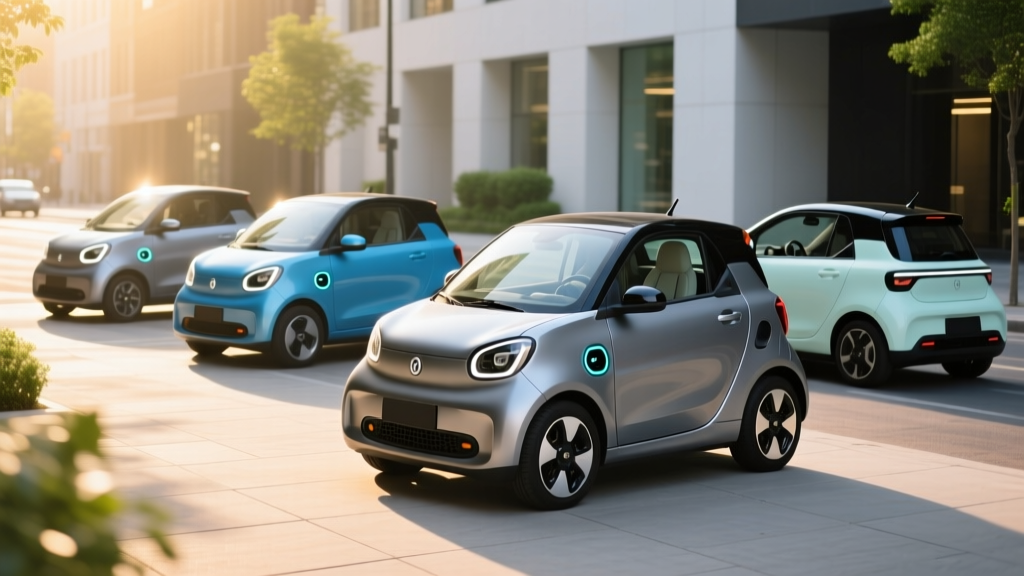
A micro car electric vehicle—typically a Neighborhood Electric Vehicle (NEV) or a compact city EV—can be a smart, ultra-low-cost commuter if your trips stay under 30 miles round-trip, you can charge at home, and you don't need highway speeds. True highway-capable micro EVs like the 2026 Wuling Air EV (where available) or used options like the Smart EQ Fortwo offer 50–100 miles of EPA range starting under $20,000. NEVs like the Polaris GEM or Club Car Onward start around $10,000–$15,000 but are legally limited to 25 mph on roads with speed limits up to 35 mph. The real value shows up in operating costs: electricity at $0.14/kWh means roughly $0.02–$0.03 per mile versus $0.12–$0.15/mile for a 30-MPG gas car at $3.50/gallon.
What Exactly Counts as a Micro Car Electric?
The term "micro car electric" covers two very different vehicle categories, and confusing them is the most common buyer mistake in this segment.
Highway-Capable Micro EVs
These are full-featured, federally certified battery electric vehicles (BEVs) that happen to be very small. They have airbags, crash structures, HVAC, and can legally travel at highway speeds. Examples currently or recently available in the US include:
- 2026 Wuling Air EV (limited US availability via importers): ~17.7 kWh LFP battery, EPA-est. range ~70–80 mi, 40 HP, DC fast charge capable (10–80% in ~35 min at 20 kW), MSRP ~$15,000–$18,000.
- Smart EQ Fortwo (discontinued new after 2024, available used): 17.6 kWh battery, EPA range 58 mi, 80 HP, Level 2 charge in ~3.5 hours, used market ~$8,000–$14,000.
- Fiat 500e (2024–2025 model, remaining new stock/used): 42 kWh battery, EPA range 149 mi, 118 HP, DC fast charge to 80% in ~35 min at 85 kW, MSRP ~$32,500 (used ~$18,000–$25,000).
Neighborhood Electric Vehicles (NEVs / LSVs)
Low-Speed Vehicles are federally regulated under a different standard (FMVSS 500). They top out at 25 mph, require minimal safety equipment (seatbelts, headlights, turn signals—but no airbags or crash testing), and are street-legal only on roads posted at 35 mph or lower (varies by state). Popular options:
- Polaris GEM e2/e4/e6: 10–14 kWh lead-acid or lithium battery, range 30–50 mi, 12–15 HP, 120V outlet charge in 6–8 hours, MSRP $11,000–$18,000.
- Club Car Onward EV: Lithium-ion pack, range ~30–40 mi, MSRP ~$12,000–$16,000.
- Chinese-import NEVs (various brands on Amazon/specialty dealers): Often 5–8 kWh, range 20–40 mi, $5,000–$10,000—buyer beware on parts availability, NHTSA compliance, and crash safety.
| Attribute | Micro EV (Highway-Capable) | NEV / LSV | Gas Subcompact (e.g., Mitsubishi Mirage) |
|---|---|---|---|
| Top Speed | 65–85 mph | 25 mph (legal max) | 100+ mph |
| EPA Range / MPG | 58–149 mi | 30–50 mi | 36–39 MPG combined |
| Energy/Fuel Cost per Mile | $0.02–$0.04 | $0.01–$0.03 | $0.10–$0.15 |
| Base MSRP (2026) | $15,000–$32,500 | $10,000–$18,000 | $18,000–$22,000 |
| Federal Tax Credit (§30D) | Up to $7,500 if eligible | Not eligible | None |
| Safety (Crash Tested) | Yes (NHTSA/IIHS) | No | Yes |
| Highway Legal | Yes | No (≤35 mph roads only) | Yes |
Real-World Range: What the EPA Sticker Doesn't Tell You
Micro EVs carry small batteries—typically 17–42 kWh—which means their real-world range is more sensitive to conditions than a long-range EV with an 80+ kWh pack. Here's what to expect based on testing data and owner reports:
Range Reality Check
EPA Sticker: 70–80 miles (Wuling Air EV) / 149 miles (Fiat 500e)
Real-World Highway (70 mph, mild weather): Expect 80–85% of EPA → ~56–68 mi (Wuling) / ~120–127 mi (Fiat 500e)
Real-World City (stop-and-go, mild weather): Often matches or slightly exceeds EPA due to regenerative braking → ~70–85 mi (Wuling) / ~140–155 mi (Fiat 500e)
Cold Weather (below 32°F): Expect 30–40% range loss without a heat pump; 15–25% loss with one. A Wuling Air EV in a Chicago January may deliver just 40–50 miles.
For NEVs, range figures are even more variable because manufacturers rarely submit them to EPA testing. A Polaris GEM with a lithium pack might claim 50 miles, but hilly terrain, passenger load, and cold temperatures can cut that to 30–35 miles. Always plan for the worst-case scenario and keep a 20% buffer.
The True Cost of Micro Car Electric Ownership
The sticker price is only the beginning. Here's a five-year cost breakdown comparing a highway-capable micro EV, an NEV, and a comparable gas subcompact for a driver covering 8,000 miles per year (typical city/commuter use).
| Cost Category | Micro EV (e.g., Fiat 500e) | NEV (e.g., Polaris GEM e4) | Gas Subcompact (36 MPG) |
|---|---|---|---|
| Purchase Price (MSRP) | $32,500 | $14,000 | $19,500 |
| Federal Tax Credit (§30D) | −$3,750 to −$7,500* | $0 | $0 |
| Net Purchase | $25,000–$28,750 | $14,000 | $19,500 |
| Fuel/Energy (5 yr) | $1,120 (home charging @ $0.14/kWh) | $560 (120V @ $0.14/kWh) | $5,830 ($3.50/gal, 36 MPG) |
| Maintenance (5 yr) | $800 (tires, cabin filter, brake fluid) | $600 (tires, basic service) | $3,500 (oil, filters, brakes, belts) |
| Insurance (5 yr avg) | $7,500 ($1,500/yr) | $3,000 ($600/yr)** | $6,500 ($1,300/yr) |
| Total 5-Year Cost | $34,420–$38,170 | $18,160 | $35,330 |
*§30D credit for the Fiat 500e depends on battery component and critical-mineral sourcing, buyer income caps ($150K single / $300K joint), and the $55,000 MSRP cap for sedans. Verify current eligibility at IRS.gov. Point-of-sale transfer is available.
**NEV insurance is often cheaper because many states don't require full auto coverage for LSVs—check your state's DMV requirements.
Charging Costs in Detail
A micro EV with a 20 kWh battery charged from 20% to 80% (a typical daily top-up of ~12 kWh) costs about $1.68 at home at the US average residential rate of $0.14/kWh. That's roughly 30–40 miles of range for less than a cup of coffee. Public DC fast charging is more expensive—$0.30–$0.50/kWh—but most micro EV owners charge exclusively at home. If you lack home charging access (apartment dwellers, street parking), a micro EV becomes significantly less practical unless your workplace or a reliable public Level 2 charger fills the gap.
Charging a Micro EV: What You Actually Need
One of the biggest advantages of a micro car electric vehicle is that its small battery makes charging fast and infrastructure-light—even on a standard 120V household outlet.
| Level | Power (kW) | Miles Added per Hour | 20–80% Charge Time | Equipment Needed |
|---|---|---|---|---|
| Level 1 (120V outlet) | 1.0–1.4 kW | 4–6 mi/hr | 9–12 hours | Included cord, standard outlet |
| Level 2 (240V, 32A) | 6.6–7.7 kW | 25–35 mi/hr | 1.5–2 hours | Wall charger ($300–$600) + electrician install ($500–$2,000) |
| DC Fast Charge (if equipped) | 20–85 kW peak | 80–200+ mi/hr | 35–45 min (10–80%) | Public station (Electrify America, EVgo, etc.) |
Key insight: Because micro EV batteries are small, Level 1 charging is often sufficient for daily use. If you drive 25 miles per day and plug in overnight (10 hours), a 1.2 kW Level 1 charge adds ~40–60 miles—more than enough. A Level 2 home charger is a luxury, not a necessity, for most micro EV owners. This is a significant cost advantage over long-range EVs with 80+ kWh packs that practically require Level 2 for practical daily charging.
For NEVs, most charge exclusively on 120V using a built-in charger. Charge time is typically 6–10 hours for a full cycle. DC fast charging is almost never available on NEVs.
Common Micro Car Electric Myths—Busted
| Myth | Fact |
|---|---|
| "Micro EVs aren't safe." | Highway-capable micro EVs like the Fiat 500e undergo full NHTSA and IIHS crash testing. However, physics is real—in a collision with a 5,000-lb SUV, a 2,200-lb micro EV's occupants face higher forces. NEVs have no crash-test requirements. Source: NHTSA.gov. |
| "The battery will need expensive replacement in a few years." | Modern LFP batteries (used in many micro EVs) are rated for 2,000–3,000+ charge cycles with minimal degradation. At one cycle per day, that's 5–8+ years before significant capacity loss. Federal warranty mandates require 8 years/100,000 miles on the battery for highway-capable EVs. NEV batteries are a different story—lead-acid packs may need replacement every 2–4 years ($800–$1,500). |
| "You can't drive a micro EV in winter." | You can, but expect 30–40% range loss in sub-freezing temperatures if the vehicle lacks a heat pump. A 70-mile EPA range becomes 42–49 miles. Preconditioning the battery while plugged in mitigates this. NEVs with no thermal management are especially affected. |
| "Micro EVs qualify for the full $7,500 tax credit." | Only if they meet all §30D requirements: MSRP under $55,000 (sedans), buyer income under caps, and battery sourcing rules for critical minerals and components. Many imported micro EVs fail the sourcing requirements. NEVs never qualify. Always check the fueleconomy.gov tax credit tool for the specific model. |
| "I can just buy a cheap Chinese NEV online." | Many online NEVs lack proper NHTSA certification, VIN registration, and state-level street-legality documentation. If it doesn't have a valid 17-digit VIN and FMVSS 500 compliance, your state DMV likely won't register it for road use. Parts and service may be nonexistent. |
First-Time Buyer Essentials: What to Know Before You Purchase
Home Charging Access Is Non-Negotiable (Almost)
Micro EVs work best when you can plug in overnight at home. If you live in an apartment without charging, rely on street parking, or lack access to a reliable workplace or public Level 2 charger within walking distance, ownership becomes a daily logistics puzzle. For NEVs, the problem is less acute because 120V charging from any standard outlet (including in a garage or carport) is usually adequate.
Check Your State's NEV Laws
If you're considering an NEV, state laws vary significantly. Some states allow NEVs on roads up to 35 mph; others restrict them to 25 mph roads. A few states require NEV-specific registration, insurance minimums, or even a driver's license endorsement. Check your state DMV before purchasing.
Insurance Costs Can Surprise You
Highway-capable micro EVs carry standard auto insurance, and EV insurance premiums are typically 15–25% higher than equivalent gas cars due to repair cost concerns (battery damage in a collision, specialized body panels). Get a quote before committing. NEV insurance is generally much cheaper but may not include collision or comprehensive coverage by default.
Resale Value Is Uncertain
The micro EV segment is niche in the US. Depreciation data is limited, but small-battery EVs have historically depreciated faster than long-range models because buyers prioritize range. The Fiat 500e, for example, lost 50–60% of its value in the first three years on the used market. NEVs hold value slightly better within their niche (retirement communities, campuses, resorts) but have a very limited resale audience.
Decision Framework: Which Micro Car Electric Is Right for You?
Choose a Highway-Capable Micro EV If:
- Your daily round-trip commute is under 50 miles (leaving a safety buffer on a 70–100 mi range vehicle)
- You need highway access or drive on roads posted above 35 mph
- You want full crash-test safety, airbags, and modern driver-assist features
- You can charge at home (Level 1 is sufficient for most daily needs)
- You live in a mild climate or accept reduced winter range
- You want to potentially claim the §30D federal tax credit
Choose an NEV / Low-Speed Vehicle If:
- All your driving is on roads posted ≤35 mph (retirement communities, college towns, resort areas, rural routes)
- Your daily trips are under 20–25 miles
- You want the lowest possible purchase price and operating cost
- You have a garage or covered outlet for overnight 120V charging
- You don't need climate control (many NEVs have open or semi-enclosed cabins)
- You're comfortable without crash-test safety protections
Choose a Regular Compact EV Instead If:
- Your daily driving exceeds 60 miles or includes frequent highway trips
- You live in a cold climate and need reliable year-round range above 150 miles
- You regularly carry more than two passengers or need cargo space
- You lack home charging and depend on public DC fast charging
- You want strong resale value and wide service-network coverage
Frequently Asked Questions
Is a micro car electric vehicle street-legal?
Highway-capable micro EVs (Fiat 500e, Smart EQ Fortwo) are fully street-legal everywhere in the US, just like any other car. NEVs (Low-Speed Vehicles) are street-legal only on roads with speed limits of 35 mph or lower, and specific rules vary by state. Always verify with your local DMV before purchasing an NEV.
How much does it cost to charge a micro EV at home?
Charging a 20 kWh micro EV battery from 20% to 80% (about 12 kWh) costs approximately $1.68 at the US average residential electricity rate of $0.14/kWh. Over a year of driving 8,000 miles, total home charging costs run roughly $200–$250—compared to $800–$1,200 for gasoline in a fuel-efficient subcompact.
Can I take a micro EV on the highway?
Highway-capable micro EVs can travel at 65–85 mph and are legal on all roads including interstates. However, their small batteries mean you'll need to plan charging stops carefully on trips over 50 miles one-way. NEVs are legally prohibited from highways and any road posted above 35 mph.
Do micro EVs qualify for the $7,500 federal tax credit?
Some do, but eligibility under IRS §30D depends on multiple factors: the vehicle's MSRP must be under $55,000 (sedans) or $80,000 (SUVs/trucks), the buyer's adjusted gross income must be under $150,000 (single) or $300,000 (joint), and the battery must meet critical-mineral and component sourcing requirements. Many imported micro EVs fail the sourcing rules. NEVs never qualify. Check IRS.gov for current rules and the fueleconomy.gov credit lookup tool for specific models.
How long do micro EV batteries last?
Highway-capable micro EVs with lithium-ion or LFP batteries are federally warranted for 8 years/100,000 miles. Real-world data from similar platforms suggests 80–90% capacity retention after 5–7 years of normal use. NEV batteries vary widely: lithium packs last 5–8 years, while lead-acid packs may need replacement every 2–4 years at a cost of $800–$1,500.
What's the best micro car electric for city commuting in 2026?
For highway-capable city commuting, the Fiat 500e (149 mi EPA range, 85 kW DC fast charging) remains the most well-rounded option if you can find remaining stock or a certified pre-owned model. For strictly low-speed neighborhood use, the Polaris GEM e4 with a lithium battery upgrade offers the best combination of range, build quality, and dealer support in the NEV segment.