The Reality of Buying Your First EV in 2026
Quick Answer: Is an EV Right for Your First Electrified Car?
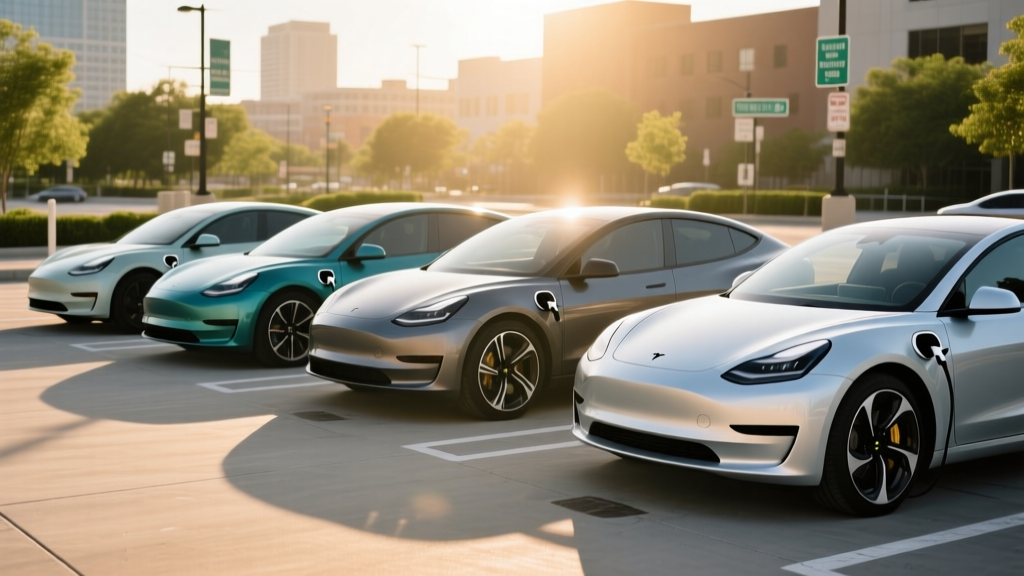
For most U.S. drivers covering under 40 miles daily with access to home or workplace Level 2 charging, a modern battery-electric vehicle (BEV) delivers lower operating costs, smoother acceleration, and less routine maintenance than a gas car. The best first EV cars in 2026 — like the Chevrolet Equinox EV (EPA 319 mi, ~$33,600 base), Hyundai Ioniq 5 (EPA 318 mi, ~$42,600), or Tesla Model 3 (EPA 363 mi, ~$38,990) — offer over 300 miles of EPA-rated range and DC fast charging from 10–80% in roughly 18–30 minutes. However, if you lack reliable overnight charging, regularly drive in sub-20°F winters, or tow heavy loads, a plug-in hybrid (PHEV) or hybrid (HEV) may be a smarter bridge. The decision hinges on three questions: Can you charge at home? What's your typical daily mileage? And does your budget absorb a higher upfront price offset by fuel and maintenance savings over 5 years?
First EV Cars vs Gas Cars vs Hybrids: The Numbers
Before committing, compare the three main powertrain options across the metrics that actually affect your wallet and daily routine. Below, we use the 2026 Chevrolet Equinox EV 3LT (a popular first-EV candidate), the 2026 Toyota RAV4 Hybrid XLE, and the 2026 Honda CR-V EX-L AWD (gas) as representative benchmarks.
| Metric | Chevy Equinox EV 3LT (BEV) | Toyota RAV4 Hybrid XLE (HEV) | Honda CR-V EX-L AWD (Gas) |
|---|---|---|---|
| Base MSRP | $33,600 | $33,475 | $36,350 |
| EPA Efficiency | 112 MPGe / 30 kWh/100mi | 39 MPG combined | 28 MPG combined |
| EPA Range / Tank | 319 mi (85 kWh usable, NMC) | ~461 mi (14.5 gal) | ~406 mi (14.5 gal) |
| "Refuel" Time (typical) | 7–10 hr (L2 home) / 25 min (10–80% DC at 150 kW) | 5 min (gas station) | 5 min (gas station) |
| Energy Cost per 1,000 mi* | ~$45 (home @ $0.15/kWh) | ~$82 (@ $3.20/gal) | ~$114 (@ $3.20/gal) |
| Annual Maintenance Est. | ~$300 (cabin filter, tires, wipers) | ~$550 (oil, filter, brakes, fluids) | ~$650 (oil, filter, brakes, fluids) |
| Federal Tax Credit (§30D) | Up to $7,500 if eligible | $0 | $0 |
| 0–60 mph | ~7.7 sec (213 hp FWD) | ~7.4 sec (219 hp net) | ~7.8 sec (190 hp) |
| Battery / Powertrain Warranty | 8 yr / 100,000 mi | 10 yr / 150,000 mi (hybrid system) | 5 yr / 60,000 mi |
*Based on 12,000 mi/year driving. Electricity rates vary; EIA state averages range from $0.10–$0.30/kWh. Gas price based on AAA national average.
Real Costs and Savings Over 5 Years
The sticker price is only part of the equation. First-time EV buyers often focus on the higher MSRP but miss the compounding savings in fuel, maintenance, and (sometimes) incentives. Here's a realistic 5-year / 60,000-mile ownership projection for the Equinox EV vs a comparable gas compact SUV, assuming home charging at the national average of ~$0.16/kWh.
| Cost Category | Equinox EV 3LT | Gas Compact SUV |
|---|---|---|
| Purchase Price (before incentives) | $33,600 | $36,350 |
| Federal §30D Credit (if eligible, point-of-sale) | –$7,500 | $0 |
| Effective Purchase Price | $26,100 | $36,350 |
| Home Level 2 Charger Install (240V/48A) | $800–$2,000 | $0 |
| Energy/Fuel (60k mi) | $2,880 (18,000 kWh) | $6,857 (2,143 gal) |
| Maintenance (5 yr) | $1,500 | $3,250 |
| Insurance (5 yr est.) | $9,500 | $7,800 |
| Estimated Resale Value (5 yr) | $14,000 | $17,500 |
| Net 5-Year Cost | ~$25,980–$27,180 | ~$29,907 |
Sources: fueleconomy.gov for efficiency data; insurance estimates via industry averages (EVs typically cost 15–25% more to insure due to repair complexity and battery value). Tax credit eligibility requires meeting IRS §30D income caps ($150k single / $300k joint), MSRP caps ($55k SUVs / $25k sedans), and North American battery-mineral sourcing rules. Always consult a tax professional.
What First-Time EV Buyers Must Know Before Signing
Transitioning from gas to electric involves a few non-obvious realities that marketing brochures gloss over.
Charging Access Is the Make-or-Break Factor
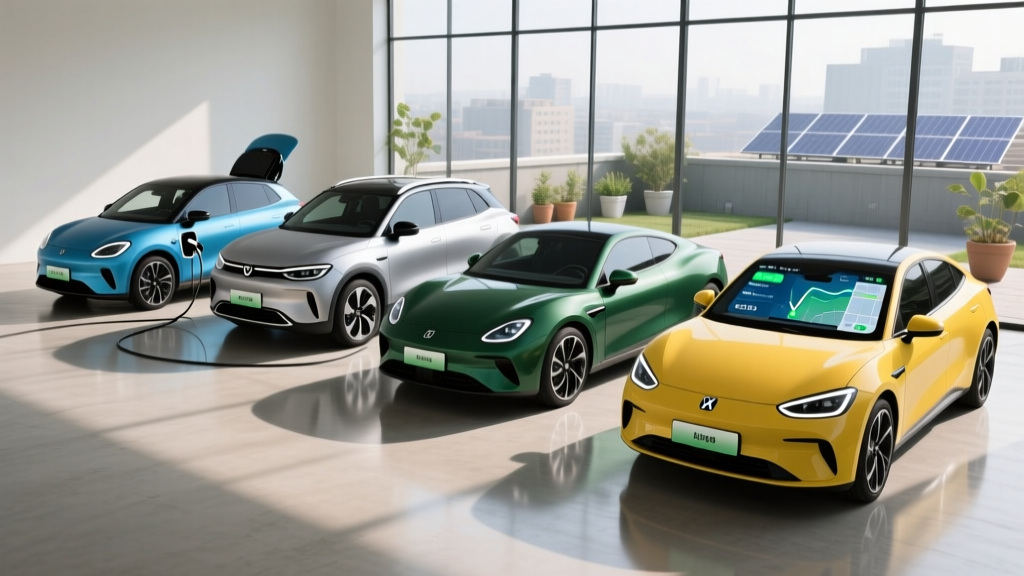
Home Level 2 charging (240V, 7–11.5 kW) adds roughly 25–40 miles of range per hour plugged in — more than enough to replenish a daily commute overnight. If you live in an apartment, rely on street parking, or your home has only a 120V outlet (Level 1, which adds just 3–5 miles per hour), daily EV life becomes significantly more inconvenient. Before buying, confirm:
- Your electrical panel has capacity for a 40–60A circuit (older homes may need a $1,500–$3,000 panel upgrade).
- Your landlord or HOA permits charger installation (some states have "right-to-charge" laws).
- Public DC fast chargers (Electrify America, EVgo, Tesla Superchargers) exist within 5–10 miles of your home or commute route.
EPA Range ≠ Real-World Range
The EPA test cycle is conservative in some conditions and optimistic in others. Expect real-world range to vary:
- Highway driving at 75+ mph: Subtract 10–15% from EPA (a 319-mi EPA car may deliver ~270–285 mi).
- Cold weather (below 30°F): Subtract 20–35% due to battery chemistry resistance and cabin heating demands. An LFP battery may lose slightly more than NMC in extreme cold.
- Preconditioning helps: Warming the battery while still plugged in (via the car's app) restores charging speed and range.
DC Fast Charging Slows Above 80%
Advertised "200 kW peak" charging rates apply only between roughly 10–50% state of charge. Above 80%, the battery management system tapers power to protect cell health — a 10–80% session may take 20 minutes, but 80–100% can add another 25+ minutes. Road-trip strategy: charge to 80% and go.
Battery Longevity Is Proven, But Understand the Warranty
Federal law mandates a minimum 8-year/100,000-mile warranty on EV battery packs (10 years/150,000 miles in CARB states like California). Most manufacturers warrant that the battery will retain at least 70% of original capacity during that period. Real-world fleet data from Recurrent shows most modern NMC and LFP packs lose only 5–10% capacity over the first 100,000 miles. Full battery replacement outside warranty remains expensive — $8,000–$18,000 depending on pack size — but is rarely needed.
Decision Framework: Which First EV Fits Your Life?
If X, Then Y — Your EV Buying Decision Tree
- IF you have a garage/driveway with 240V access AND drive under 80 miles/day → THEN a BEV with 250+ mi EPA range (Equinox EV, Ioniq 5, Model 3, VW ID.4) is likely your lowest total-cost option.
- IF you rent an apartment with no charging AND no reliable public DC chargers nearby → THEN a PHEV (Toyota RAV4 Prime, Jeep Wrangler 4xe) or HEV is safer until charging access improves.
- IF you regularly road-trip 400+ miles in one day or tow a trailer over 2,500 lbs → THEN consider a larger-battery BEV (Ford F-150 Lightning, Rivian R1S) or keep a gas/HEV as a second vehicle.
- IF you live in a region with harsh winters (sustained sub-20°F) and no garage → THEN choose an EV with a heat pump (standard on Ioniq 5, Model 3) and budget for 25–30% winter range loss — or opt for a PHEV.
- IF your household income exceeds §30D caps ($150k single / $300k joint) or the vehicle doesn't meet battery sourcing rules → THEN factor in the full MSRP and compare against a hybrid's lower sticker price.
Common EV Misconceptions — Fact-Checked
| Myth | Fact (with data) |
|---|---|
| "EVs don't have enough range for real life." | The average American drives ~37 miles/day. A 250+ mi EPA EV covers a full week of commuting before needing a charge. |
| "Charging takes forever." | Home Level 2 replenishes overnight (7–10 hr for a full charge). DC fast charging adds 150–200 miles in 15–20 minutes on 150+ kW stations. |
| "EV batteries need replacing every few years." | Modern liquid-cooled packs routinely exceed 150,000 miles with under 10% degradation. They are not like smartphone batteries. |
| "EVs are worse for the environment because of electricity generation." | Even on the U.S. grid average (which is ~40% fossil-fuel), a BEV produces roughly 60–70% fewer lifecycle emissions than a comparable gas car over 150,000 miles, per the Union of Concerned Scientists. |
| "I'll save $7,500 on any EV I buy." | The §30D credit requires meeting income caps, MSRP caps, North American assembly, and critical-mineral/battery-component sourcing thresholds that change annually. Many popular models qualify for only $3,750 or $0 depending on the model year. Check fueleconomy.gov before purchasing. |
| "EVs cost more to insure, negating savings." | Insurance is 15–25% higher on average, but over 5 years the fuel and maintenance savings ($4,000–$7,000) typically exceed the insurance premium increase ($1,500–$2,500). |
2026 First EV Cars: Top Picks by Buyer Profile
Based on EPA data, pricing, and ownership practicality, here are standout first-EV candidates for different needs:
- Best value commuter: Chevrolet Equinox EV 3LT — 319 mi EPA, $33,600 base, eligible for up to $7,500 §30D credit, 150 kW DC fast charging (10–80% in ~30 min).
- Best fast-charging tech: Hyundai Ioniq 5 — 318 mi EPA, 84 kWh NMC battery, 800V architecture enabling 240 kW peak DC (10–80% in ~18 min), $42,600 base, heat pump standard.
- Best for Tesla Supercharger access: Tesla Model 3 Long Range RWD — 363 mi EPA, 250 kW peak DC (10–80% in ~22 min), $38,990 base, native NACS connector (no adapter needed at 15,000+ Superchargers).
- Best family crossover: Volkswagen ID.4 Pro S — 291 mi EPA, 82 kWh NMC, 170 kW DC (10–80% in ~28 min), $44,000 base, spacious rear seat and 30.3 cu ft cargo.
- Best if you're not ready for full BEV: Toyota RAV4 Prime PHEV — 42 mi electric-only, 38 MPG combined after battery depletes, $43,690 base, no range anxiety.
Frequently Asked Questions
Can I charge an EV from a regular 120V household outlet?
Yes, but slowly. Level 1 charging (120V/12A) delivers roughly 1.4 kW, adding about 3–5 miles of range per hour. For a driver covering 30 miles daily, plugging in overnight (10 hours) recovers enough. For longer commutes or larger batteries, you'll want a 240V Level 2 installation.
How much does it cost to install a home EV charger?
A Level 2 home charger (hardwired, 48A/11.5 kW) typically costs $500–$700 for the unit plus $300–$1,500 for electrician labor, depending on the distance from your panel. If your home needs a panel upgrade (from 100A to 200A service), add $1,500–$3,000. The federal Alternative Fuel Vehicle Refueling Property Credit (IRC §30C) may cover up to 30% of equipment and install costs (max $1,000) if you live in an eligible census tract.
What happens if I run out of charge on the road?
Modern EVs provide 20–40 miles of low-charge warnings, and apps like PlugShare, A Better Routeplanner, and built-in navigation route you through DC fast chargers. Running the battery to 0% is rare but requires a flatbed tow (never a wheel-lift tow, which can damage the electric motors). Roadside assistance is included with most new EVs for 3–5 years.
Do first EV cars qualify for the $7,500 federal tax credit?
Many do, but eligibility is specific to the model, your income, and where the vehicle and battery were assembled/sourced. For 2026, the buyer's modified adjusted gross income must not exceed $150,000 (single) or $300,000 (joint). The vehicle MSRP must be under $55,000 (SUVs/trucks/vans) or $25,000 (sedans). Battery components and critical minerals must meet escalating North American/free-trade-partner sourcing thresholds. The credit can be transferred to the dealer as a point-of-sale discount. Verify each VIN on fueleconomy.gov before buying.
Is a hybrid a better first step than a full EV?
If you lack home charging, drive over 300 miles regularly, or live in an area with sparse DC fast-charger infrastructure, a hybrid (HEV) or plug-in hybrid (PHEV) removes range anxiety while still cutting fuel use 25–50%. The trade-off: no §30D credit for HEVs, continued oil changes, and higher fuel costs than a BEV charged at home.