The Quick Answer: Is an Electric Vehicle Van Right for You?
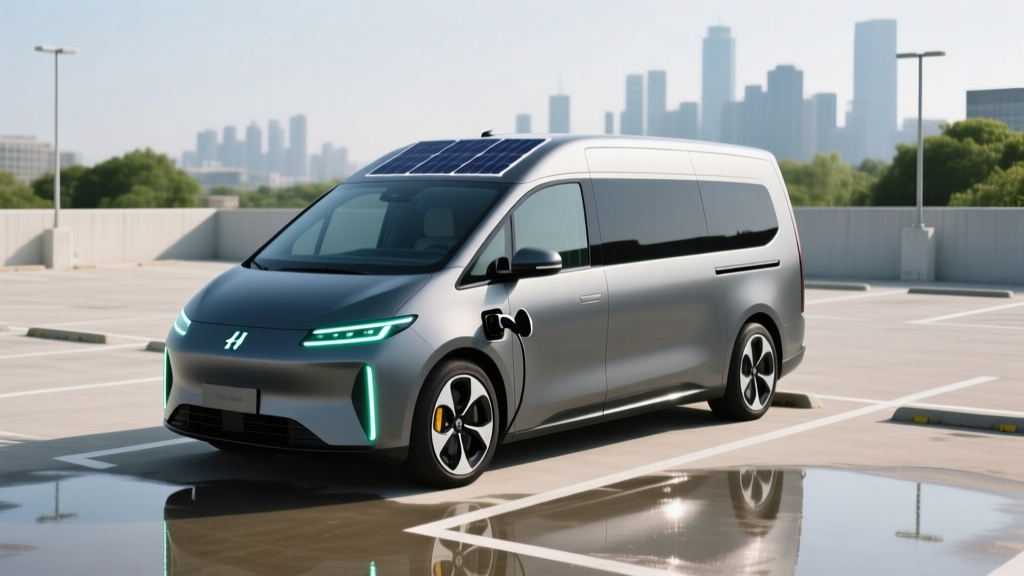
If you run fixed urban or suburban delivery routes under 150 miles per day, have depot or home Level 2 charging access, and want to cut fuel and maintenance costs, an electric vehicle van like the Ford E-Transit or BrightDrop Zevo 600 delivers measurable savings — typically $0.06–$0.10 per mile in energy vs. $0.22–$0.30 for gas. Expect 108–160 miles of EPA range, 120–150 kW DC fast charging (10–80% in 35–45 minutes), and base pricing from roughly $47,000–$55,000 before incentives. However, if your routes exceed 200 miles, involve frequent highway driving in cold climates, or lack reliable charging infrastructure, a gas-powered Transit or Sprinter remains the more practical choice today.
Best Electric Vehicle Vans Available in 2026
The commercial EV van market has matured past early-adopter growing pains. Three primary models dominate the US market, each targeting slightly different fleet and owner-operator needs. Here's how they stack up on the specs that matter most for route planning and budgeting.
| Spec | Ford E-Transit (2026) | BrightDrop Zevo 600 | Mercedes-Benz eSprinter |
|---|---|---|---|
| EPA Range | 126 mi (low-roof cargo) | ~160 mi (est.) | ~150 mi (est.) |
| Battery Capacity | 68 kWh usable (NMC) | ~110 kWh usable (NMC) | ~113 kWh usable (NMC) |
| Peak DC Fast Charge | 115 kW | 120 kW | 115 kW |
| 10–80% DC Charge Time | ~45 min | ~45 min | ~42 min |
| Level 2 Charge Rate | 10.5 kW | 11.5 kW | 9.6 kW |
| Horsepower / Torque | 266 hp / 317 lb-ft | ~300 hp / ~390 lb-ft | 201 hp / 332 lb-ft |
| Max Payload | ~3,880 lbs | ~2,500 lbs | ~2,600 lbs |
| Cargo Volume | 487.3 cu ft (high-roof extended) | 615 cu ft | 533 cu ft |
| Starting MSRP | ~$47,000 (T-350 cargo) | ~$52,000 | ~$55,000 |
| Battery Warranty | 8 yr / 100,000 mi | 8 yr / 100,000 mi | 8 yr / 100,000 mi |
Real-world range reality check: The EPA sticker is a best-case blended figure. In real-world urban delivery use with frequent stops, regenerative braking actually helps recover energy, and many fleet operators report achieving 90–100% of EPA range on city routes. However, sustained highway driving at 70 mph reduces range by roughly 15–20%, and winter temperatures below 30°F can cut range by 25–35% due to cabin heating demands and reduced battery chemistry efficiency. If your route includes a mix of highway and cold-weather operation, plan for 80–100 usable miles from the E-Transit and 120–135 from the Zevo 600 or eSprinter.
EPA vs. Real-World Range Expectation:
Ford E-Transit: EPA 126 mi → Expect ~105–115 mi (mixed), ~85–95 mi (cold/highway)
BrightDrop Zevo 600: EPA ~160 mi → Expect ~135–150 mi (mixed), ~110–125 mi (cold/highway)
Mercedes-Benz eSprinter: EPA ~150 mi → Expect ~125–140 mi (mixed), ~100–115 mi (cold/highway)
Electric Van vs. Gas Van: Cost Comparison That Actually Matters
The purchase price of an electric vehicle van is higher than its gas equivalent — often by $10,000–$15,000. But commercial buyers should evaluate total cost of ownership (TCO) over the vehicle's operating life. Fuel, maintenance, and downtime are where the economics shift decisively.
| Cost Factor | Ford E-Transit (EV) | Ford Transit 350 (Gas, 3.5L V6) |
|---|---|---|
| Base MSRP | ~$47,000 | ~$45,000 |
| Energy/Fuel Cost per Mile | $0.07–$0.10 (commercial electricity $0.12–$0.18/kWh) | $0.24–$0.30 (gas at $3.50/gal, 14 MPG combined) |
| Annual Fuel/Energy (15,000 mi/yr) | $1,050–$1,500 | $3,600–$4,500 |
| Annual Maintenance | ~$300–$500 (no oil, fewer brakes via regen) | ~$1,200–$1,800 (oil, filters, brakes, transmission) |
| 5-Year Energy + Maintenance | $6,750–$10,000 | $24,000–$31,500 |
| Estimated 5-Year TCO | ~$53,750–$57,000 | ~$69,000–$76,500 |
The math consistently favors the electric van over a 5-year ownership period for fleet and owner-operator use — typically saving $12,000–$20,000 in operating costs. The breakeven point against the gas Transit's higher fuel spend usually arrives around year 2–3, depending on local electricity rates and annual mileage.
Federal Tax Credits and Commercial Incentives
Tax incentive eligibility for electric vehicle vans is nuanced, and the rules differ depending on whether you're buying as an individual or a business.
For individual buyers (§30D Clean Vehicle Credit): The IRS §30D credit offers up to $7,500, but eligibility hinges on three requirements:
- MSRP cap: Vans classified as SUVs or trucks may qualify up to an $80,000 MSRP cap; cargo vans classified as standard vehicles face a $55,000 cap. Verify the IRS classification for the specific model.
- Income limits: Adjusted gross income cannot exceed $150,000 (single), $225,000 (head of household), or $300,000 (joint filing).
- Battery sourcing: A percentage of critical minerals and battery components must be sourced from the US or free-trade-agreement countries. These percentages increase annually — check current-year IRS guidance for exact thresholds.
For commercial/fleet buyers (§45W Commercial Clean Vehicle Credit): Businesses purchasing electric vans can claim up to $7,500 for vehicles under 14,000 lbs GVWR, or up to $40,000 for heavier vehicles. This credit does not carry the same income or MSRP caps as §30D, making it more accessible for fleet operations. Consult a tax professional to confirm eligibility for your specific purchase.
Many states and utilities also offer supplemental rebates for commercial EV adoption — California's Advanced Clean Trucks program and various utility make-ready programs can reduce effective cost further. Check your state's energy office and local utility for current programs.
Charging an Electric Van: What You Need at Your Depot or Home
Charging logistics are the single biggest practical consideration when switching to an electric vehicle van. Unlike a sedan you might charge opportunistically, a commercial van needs predictable, reliable charging that aligns with your operating schedule.
| Charging Level | Power (kW) | Miles Added per Hour | Best Use Case |
|---|---|---|---|
| Level 1 (120V outlet) | ~1.4 kW | ~3–4 mi/hr | Emergency top-up only; impractical for daily van use |
| Level 2 (240V, 40A circuit) | ~9.6 kW | ~25–30 mi/hr | Overnight depot/home charging — fully recharges in 7–10 hours |
| Level 2 (240V, 48A circuit) | ~11.5 kW | ~30–35 mi/hr | Faster overnight charge; recommended for larger batteries |
| DC Fast Charging | 115–120 kW peak | ~150–180 mi/hr (at peak) | Mid-day top-up; 10–80% in ~35–45 minutes |
Home or depot Level 2 installation costs: Budget $1,500–$4,000 for a hardwired Level 2 station installation, depending on whether your electrical panel needs an upgrade. A 200-amp panel typically handles one or two Level 2 chargers without issue. Older 100-amp panels may require a $2,000–$4,000 upgrade. Commercial depot installations with multiple chargers involve make-ready costs that vary widely — consult a licensed electrician for a site-specific quote.
Charging curve reality: When DC fast charging, the advertised peak rate (e.g., 115 kW) is only sustained between roughly 10–50% State of Charge. Above 80%, the charge rate tapers significantly to protect battery longevity — often dropping below 30 kW. Plan your DC fast-charging stops around the 10–80% window for the best time efficiency, and avoid routinely charging to 100% unless the route demands it.
Real-World Ownership: What First-Time EV Van Buyers Should Know
Beyond the spec sheet, several practical factors determine whether an electric vehicle van will actually work for your operation day-to-day.
Route Distance and Predictability
Electric vans excel on predictable, repeatable routes. If your daily mileage consistently stays under 120 miles (accounting for cold-weather and highway reduction), you'll return to your charger with comfortable reserve. Routes that vary wildly day-to-day or regularly exceed 150 miles introduce range risk that gas vans simply don't have.
Climate Considerations
Cold weather is the biggest range variable. Battery chemistry slows in freezing temperatures, and resistive cabin heating draws significant energy (unlike a gas van, which uses waste engine heat). Vans equipped with a heat pump — which the eSprinter offers — mitigate this somewhat, but expect a 25–35% range reduction in sustained sub-30°F operation. Preconditioning the battery while still plugged in (available on all three models) helps recover some of this loss.
Payload and Cargo Impact on Range
A fully loaded van consumes more energy per mile than an empty one. Ford rates the E-Transit at roughly 2.0–2.2 kWh/mile when loaded near capacity vs. ~1.7 kWh/mile when light. Over a 100-mile route, that's the difference between using 170 kWh and 220 kWh — a significant swing when your usable battery is 68 kWh. Plan routes with payload weight in mind.
Insurance Costs
Commercial EV van insurance typically runs 10–20% higher than equivalent gas vans, driven by higher repair costs for battery-related collision damage and specialized technician requirements. Get quotes before purchasing — the premium differential can eat into your fuel savings if your mileage is low.
Maintenance Advantages
This is where electric vans genuinely shine. No oil changes, no transmission fluid, no spark plugs, no exhaust system. Regenerative braking significantly extends brake pad life — many fleet operators report 80,000–100,000+ miles on original brake pads. The primary maintenance items are tire rotation, cabin air filter, windshield washer fluid, and coolant system checks. Annual maintenance savings of $800–$1,300 are typical.
Common Misconceptions About Electric Vans
| Myth | Fact |
|---|---|
| "EV vans can't handle real payloads" | The E-Transit handles up to ~3,880 lbs, comparable to many gas Transit configurations. Payload capacity is competitive, though the battery weight does eat into GVWR slightly. |
| "The battery will need replacing in a few years" | NMC batteries in commercial vans are warranted for 8 years/100,000 miles with a minimum 70% capacity retention threshold. Fleet data from early E-Transit deployments shows degradation of roughly 5–8% over the first 60,000 miles — well within warranty. |
| "Charging takes too long for commercial use" | For overnight depot charging on Level 2, a full charge takes 7–10 hours — perfectly aligned with an overnight parking schedule. DC fast charging adds 100+ miles in 30–40 minutes for mid-day top-ups. |
| "Electric vans cost more to own overall" | Higher purchase price is offset by dramatically lower fuel and maintenance costs. Over 5 years and 75,000 miles, TCO for an E-Transit typically undercuts a gas Transit by $12,000–$20,000. |
| "You need a special electrical setup" | A standard 240V Level 2 home charger installation works for most single-van operations. The installation is the same as for any residential EV — a licensed electrician adds a dedicated circuit and hardwires or outlets a charging station. |
Decision Framework: Which Electric Vehicle Van Should You Choose?
Choose the Ford E-Transit if:
- Your routes are under 100 miles/day and primarily urban
- You want the lowest entry price (~$47,000) and the widest dealer service network
- Maximum payload capacity is your priority (3,880 lbs leads the segment)
- You already operate Ford Transit vans and want parts/service continuity
Choose the BrightDrop Zevo 600 if:
- You need maximum cargo volume (615 cu ft) and longest range (~160 mi EPA)
- Your routes run 120–150 miles/day and include some highway segments
- You're a fleet buyer working with BrightDrop's commercial sales program
- Step-in delivery van ergonomics matter for high-stop-count routes
Choose the Mercedes-Benz eSprinter if:
- You prioritize driver comfort and premium cabin tech for long days in the van
- Heat pump efficiency matters for cold-climate operation
- You need a well-established global service network for mixed urban/highway routes
- Your budget accommodates the ~$55,000 starting price
Stick with a gas van if:
- Your daily routes regularly exceed 180 miles
- You operate in extreme cold (sustained below 10°F) with no indoor parking
- You lack access to reliable Level 2 charging at your depot or home
- Your routes are highly variable and unpredictable day-to-day
Frequently Asked Questions
Can I tow with an electric vehicle van?
Towing capacity is limited. The Ford E-Transit is not rated for trailer towing in most configurations. If your operation requires towing, a gas-powered van remains the better option. The eSprinter offers limited towing capacity (~5,000 lbs) but at a significant range penalty when loaded.
How long does the battery last before replacement?
Based on current fleet data, NMC batteries in commercial vans are retaining 85–92% capacity at 100,000 miles. Full battery replacement costs range from $15,000–$25,000 if out of warranty, but the 8-year/100,000-mile warranty should cover premature degradation below 70% capacity. Most commercial vans will reach end-of-first-life before the battery requires replacement.
Do electric vans qualify for the $7,500 federal tax credit?
It depends on the buyer type, MSRP, income, and battery sourcing requirements. Individual buyers must meet IRS §30D criteria including income caps and vehicle MSRP limits. Commercial buyers can access the §45W credit, which has fewer restrictions. Always verify current eligibility on irs.gov and consult a tax professional before relying on credit availability in your purchase decision.
What happens if I run out of charge on a route?
The same thing that happens if you run out of gas — you need roadside assistance. However, unlike a 5-minute gas station stop, a depleted EV van requires a tow to a charger or a mobile charging unit. Smart route planning with a 15–20% battery reserve buffer eliminates this risk for predictable routes. All three vans include navigation systems that factor remaining charge into route guidance.
Are electric vans slower than gas vans?
No — electric motors deliver instant torque from zero RPM, making electric vans feel quicker in stop-and-go city driving than their gas counterparts. The E-Transit's 317 lb-ft of torque is available immediately, which makes merging and hill climbing confident even when loaded. Top speed is typically electronically limited to 75–80 mph, which is appropriate for commercial use.