Quick Answer: What Is an Electric Rack for EVs?
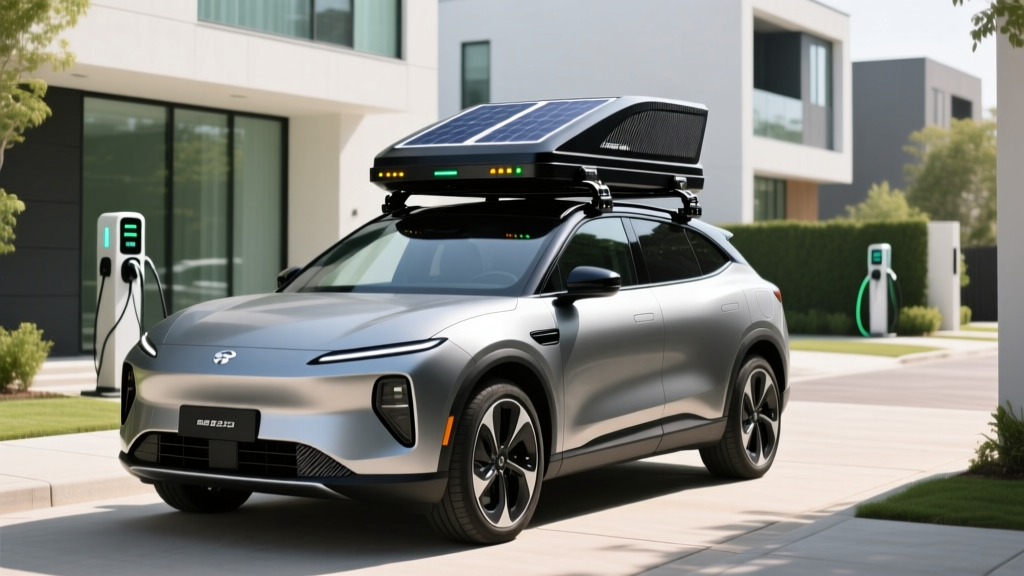
An electric rack in the EV world refers to either (1) an electrically assisted cargo rack or hitch-mounted platform that uses powered actuators to tilt, lift, or fold for easier loading on heavy EVs, or (2) a roof/cargo rack system optimized for the high-torque, heavy-curb-weight architecture of battery-electric vehicles. Adding any external rack to an EV typically costs 5–15% of real-world range due to aerodynamic drag and added weight. For a 300-mile EPA-rated EV like the Hyundai Ioniq 5, expect a loss of roughly 25–45 highway miles at 70 mph with a loaded roof rack. Hitch-mounted cargo trays and e-bike racks cause less drag penalty (5–8%) than roof boxes (10–15%).
Why Cargo Racks Matter More on EVs Than Gas Cars
Electric vehicles are fundamentally heavier and more aerodynamically sensitive than their gas counterparts. A 2026 Tesla Model Y Long Range tips the scales at 4,398 lbs, while a comparably sized gas crossover like the Toyota RAV4 sits around 3,615 lbs. That extra 700+ lbs comes from the battery pack, and it means every additional pound and every disruption to the carefully tuned drag coefficient (Cd) has a measurable impact on efficiency.
EVs are designed in wind tunnels to achieve Cd values as low as 0.23 (Tesla Model S) to 0.28 (Ford F-150 Lightning). Strapping a roof box or cargo tray onto the vehicle can increase effective frontal area and Cd simultaneously, compounding the range penalty. On a gas car, you feel this as a 1–2 MPG drop. On an EV, you see it as 15–30 fewer miles per charge — a difference that can matter on a road trip between DC fast-charging stops.
The other factor: EVs use regenerative braking to recapture energy in stop-and-go driving, but at highway speeds, aero drag dominates. According to fueleconomy.gov, aerodynamic losses account for roughly 40% of an EV's total energy consumption at 65+ mph. A roof rack directly undermines that equation.
Types of Electric Racks and Cargo Solutions for EVs
Here's how the main categories stack up for EV owners in 2026:
| Rack Type | Avg. Weight Added | Range Impact (highway) | Best For | Avg. Cost |
|---|---|---|---|---|
| Roof Crossbars (bare) | 10–15 lbs | 3–5% loss | Ski racks, kayak mounts | $150–$350 |
| Roof Cargo Box | 35–55 lbs + cargo | 10–15% loss | Luggage, camping gear | $400–$800 |
| Hitch Cargo Tray | 40–60 lbs + cargo | 5–8% loss | Coolers, gear bins | $200–$500 |
| Hitch E-Bike Rack (electric-assist tilt) | 50–85 lbs + bikes | 7–12% loss | E-bikes (60+ lbs each) | $500–$1,300 |
| Powered Lift Hitch Rack | 70–110 lbs + cargo | 8–12% loss | Heavy cargo, accessibility | $800–$2,000 |
The "electric" in electric rack most commonly refers to powered-tilt or powered-lift mechanisms on hitch racks. Brands like Thule, 1Up USA, and Veloped offer racks with electric actuators that let you tilt the rack away from the hatch with a button press — critical on EVs where the rack + e-bikes can weigh 150+ lbs, making manual tilt physically difficult.
Real-World Range Impact: EV vs Gas Comparison
To put the drag penalty in perspective, here's how a typical roof cargo box (Thule Motion XT XL, ~45 lbs empty) affects a popular EV versus a comparable gas vehicle on a 300-mile highway trip at 70 mph:
| Metric | 2026 Hyundai Ioniq 5 (EV) | 2026 Toyota RAV4 (Gas) |
|---|---|---|
| EPA Rating (no rack) | 303 mi range / 114 MPGe | 30 MPG combined |
| With Roof Cargo Box | ~260–270 mi range | ~27 MPG combined |
| Loss | 33–43 miles (11–14%) | 3 MPG (10%) |
| Cost of Loss (300-mi trip) | ~$4.50 in extra charging (at $0.35/kWh public DC) | ~$3.60 in extra fuel (at $3.50/gal) |
| Curb Weight | 4,431 lbs | 3,615 lbs |
| Drag Coefficient (Cd) | 0.28 | 0.33 |
The EV loses more absolute range because its efficiency is measured in miles per fixed battery capacity (kWh), and any drag increase directly eats into that finite energy store. A gas car can simply burn a bit more fuel — the tank is large enough that the percentage drop feels less consequential per trip. But for EV road-trippers planning around 150–200 kW DC fast-charging stops, losing 35 miles of buffer can mean the difference between a comfortable stop and a tight one.
Cost Breakdown: Buying and Running an EV with a Cargo Rack
Here's a realistic first-year ownership cost comparison for a 2026 EV buyer adding an electric-tilt hitch rack for two e-bikes:
| Cost Category | EV (Ioniq 5 SEL + Hitch Rack) | Gas (RAV4 XLE + Hitch Rack) |
|---|---|---|
| Vehicle MSRP | $47,450 | $33,250 |
| Federal Tax Credit (§30D, if eligible) | –$3,750 to $7,500* | $0 |
| Hitch Receiver Install | $350–$600 | $250–$450 |
| Electric-Tilt Bike Rack | $900–$1,300 | $900–$1,300 |
| Annual Fuel/Energy (12,000 mi) | $540 (home L2, $0.14/kWh) | $1,400 (25 MPG, $3.50/gal) |
| Range Penalty with Rack (annual) | ~$65 extra charging | ~$140 extra fuel |
| Maintenance (Year 1) | $0–$100 (tire rotation, cabin filter) | $150–$300 (oil, filters, inspection) |
| Insurance (avg. annual) | $1,800–$2,400 | $1,400–$1,900 |
*§30D credit eligibility depends on MSRP caps ($55K sedans/$80K SUVs/trucks), buyer income limits ($150K single/$300K joint AGI), and battery critical-mineral sourcing rules. Verify current rules at irs.gov. Credit can be transferred to the dealer at point of sale for 2026 purchases.
The EV costs more upfront but the annual energy savings ($860/year over gas) begin offsetting the price gap immediately. The cargo rack's range penalty costs the EV owner less in absolute dollars than the equivalent fuel penalty on the gas car — because electricity is cheaper per mile than gasoline, even when you're using more of it.
EV-Specific Rack Considerations: Weight Ratings, Hitch Classes, and Warranty
Not every cargo rack is rated for EV use, and this is where first-time buyers get tripped up. Here's what you need to check:
Hitch Tongue Weight Capacity
EVs are heavy. If your vehicle's Gross Vehicle Weight Rating (GVWR) is 5,500 lbs and curb weight is 4,400 lbs, you have only ~1,100 lbs of payload capacity for passengers, cargo, and rack combined. A hitch rack loaded with two 60-lb e-bikes plus the 65-lb rack itself = ~185 lbs of tongue weight. Verify your vehicle's hitch rating — most factory-installed Class II hitches on EV crossovers are rated for 200–350 lbs tongue weight.
Roof Load Limits
Many EVs have lower dynamic roof-load limits than gas cars due to panoramic glass roofs. The 2026 Tesla Model Y, for example, has a dynamic roof limit of approximately 165 lbs (including crossbars). A 45-lb roof box plus crossbars leaves only ~100 lbs for cargo inside the box. Always check your owner's manual for the exact dynamic/static roof rating.
Warranty and Sensor Interference
Aftermarket hitch installations that require drilling into the battery enclosure zone can void portions of your battery warranty. Use only hitch receivers specifically engineered for your EV model (e.g., EcoHitch or Curt hitches designed for the Ioniq 5's platform). Additionally, hitch-mounted racks can obstruct rear ultrasonic sensors and backup cameras — some EVs require a software recalibration after hitch installation to adjust parking-assist zones.
Common Misconceptions About EVs and Cargo Racks
| Myth | Fact |
|---|---|
| "Roof racks don't affect EV range much." | A loaded roof box at 70 mph reduces real-world range by 10–15%. At 55 mph, the penalty drops to 6–9%. Aero drag scales with the square of speed. |
| "Any hitch rack works on an EV." | EVs' higher curb weight reduces available payload. Exceeding tongue-weight limits stresses the rear suspension and can affect regen braking calibration. |
| "EVs can't tow or haul gear." | The 2026 Ford F-150 Lightning tows up to 10,000 lbs. The Rivian R1S tows 7,700 lbs. Cargo capacity is strong — but range drops 25–40% when towing near max capacity. |
| "Electric-tilt racks drain the 12V battery." | Powered-tilt mechanisms draw from the 12V system briefly (~30 seconds). The DC-DC converter replenishes it from the traction battery. No meaningful impact. |
| "You can't use a roof rack on a glass-roof EV." | Most glass-roof EVs (Model Y, Ioniq 5, EV6) have factory roof rails or aftermarket crossbar solutions that clamp to the door jambs, not the glass itself. |
Decision Framework: Which Electric Rack Setup Is Right for You?
Choose Your EV Cargo Setup Based on Your Driving Pattern
- If you drive mostly city/suburban (<60 mph) and need weekend gear space: A hitch cargo tray is your best option. Minimal aero penalty at lower speeds, easy to load, and no roof-rack wind noise. Cost: $200–$500 + hitch install.
- If you take regular highway road trips (70+ mph) and need enclosed storage: Opt for a low-profile hitch cargo box (like the StowAway or Curt Cargo Carrier with a soft bag) rather than a roof box. You'll sacrifice only 5–8% range versus 10–15% for roof-mounted. Cost: $300–$700.
- If you haul e-bikes (50–70 lbs each): An electric-tilt hitch rack is essential. Manual-tilt racks are nearly impossible to operate with 120+ lbs of combined bike weight. Budget $800–$1,300 for a quality platform rack (Thule EasyFold XT 2, 1Up Super Duty). Add a hitch receiver if your EV didn't come with one.
- If you rarely carry extra cargo but need occasional ski/kayak transport: Removable roof crossbars with sport-specific mounts. Remove the crossbars when not in use to eliminate the 3–5% highway range penalty entirely. Cost: $150–$350 for crossbars + $50–$200 per sport mount.
- If you tow a trailer (boat, camper): Verify your EV's tow rating and install a brake controller. Expect 25–40% range loss at highway speeds with a loaded trailer. Plan charging stops accordingly — use A Better Route Planner to model range with towing load.
First-Time EV Buyer Checklist: Rack and Cargo Readiness
Before you buy a rack for your new EV, work through this checklist:
- Confirm hitch availability: Does your EV trim include a factory hitch receiver? If not, budget $350–$600 for a model-specific aftermarket hitch (EcoHitch, Curt, Draw-Tite). Ensure it doesn't require drilling near the battery pack.
- Check tongue weight and payload: Find your EV's GVWR (on the driver's door jamb sticker) and subtract curb weight. That's your total payload budget for passengers, cargo, rack, and tongue weight combined.
- Verify roof load limits: Consult your owner's manual for dynamic (driving) and static (parked/camping) roof-load ratings. Glass-roof models often have lower limits.
- Plan for range loss: If your daily commute is 80 miles round-trip and your EV's real-world range is 250 miles, a 10% rack penalty still leaves you 170 miles of buffer. But if your commute is 200 miles, that same penalty could force a mid-day charge.
- Home charging access: If you charge at home (Level 2, 240V), the extra energy from a rack is trivial — roughly 2–4 kWh more per full charge, costing $0.30–$0.60 at residential rates. If you rely on public DC fast charging, the range loss means more frequent stops and $5–$10 extra per session.
- Cold-weather compounding: In sub-30°F temperatures, EVs already lose 20–30% of range due to battery chemistry and cabin heating. Adding a roof rack on top of that can push total range loss to 35–40%. Plan winter road trips conservatively.
Frequently Asked Questions
Does a hitch rack void my EV warranty?
No, as long as the hitch is installed using existing mounting points and doesn't require drilling into the battery enclosure or high-voltage wiring zones. Under the Magnuson-Moss Warranty Act, a manufacturer cannot void your entire warranty simply for adding an aftermarket accessory. However, if a poorly installed hitch damages the rear subframe or wiring, that specific repair may not be covered. Use a hitch engineered for your specific EV model.
Can I install a hitch on a Tesla Model Y or Model 3?
The Tesla Model Y comes with an optional factory tow hitch (1.25" receiver, 200-lb tongue weight) on many 2026 trims. The Model 3 does not have a factory hitch option in the US, but aftermarket solutions from EcoHitch and others are available. Note that adding a hitch to a Model 3 may affect rear-sensor functionality and will not enable towing (Tesla rates the US Model 3 at 0 lbs tow capacity).
How much range do I lose with an e-bike rack on the highway?
A hitch-mounted platform rack carrying two e-bikes (total ~180 lbs including rack) typically reduces highway range by 7–12% at 70 mph. On a 300-mile EPA-rated EV, that's roughly 21–36 fewer miles. At 55 mph, the penalty drops to 4–7%. The bikes create significant turbulence behind the vehicle, but less drag than a roof box mounted above the roofline.
Are electric-tilt racks worth the premium?
If you regularly carry e-bikes or heavy cargo (60+ lbs per item), yes. Manually tilting a platform rack loaded with 120+ lbs of bikes requires significant force and risks damaging the vehicle's hatch or the rack's pivot mechanism. Electric-tilt racks use a 12V-powered actuator controlled by a remote button — a $200–$400 premium over manual-tilt models that pays off in daily usability and safety.
Do I need to tell my insurance company about a cargo rack?
Generally, a removable cargo rack doesn't require a separate insurance rider. However, if you're carrying expensive e-bikes ($3,000–$8,000 each) on a hitch rack, your auto policy's personal-property exclusion may not cover them in a theft or accident. Consider a separate e-bike insurance policy or a homeowner's/renter's policy rider for bikes over $1,500.
What's the best rack setup for minimizing EV range loss?
The lowest-drag option is a hitch-mounted cargo tray or low-profile box, used only when needed and removed when empty. Roof crossbars should be taken off between trips — even bare crossbars create measurable drag. If you must use a roof box, choose an aerodynamic model (Thule Vector, Yakima CBX) and keep speeds under 65 mph to minimize the range penalty.