Quick Answer: Is an Electric Dune Buggy Right for You?
An electric dune buggy delivers instant torque, near-silent trail operation, and dramatically lower running costs compared to gas-powered UTVs — but with real trade-offs in range (typically 20–60 miles depending on battery size and terrain) and refueling time. Expect to pay $6,000–$30,000 depending on the model, with most offering 5–15 kWh battery packs. If your rides are under 40 miles round-trip and you can charge at home between sessions, an electric buggy is a compelling choice. If you run multi-day desert expeditions or lack charging access at the trailhead, a gas UTV remains the more practical option for now.
What Exactly Is an Electric Dune Buggy?
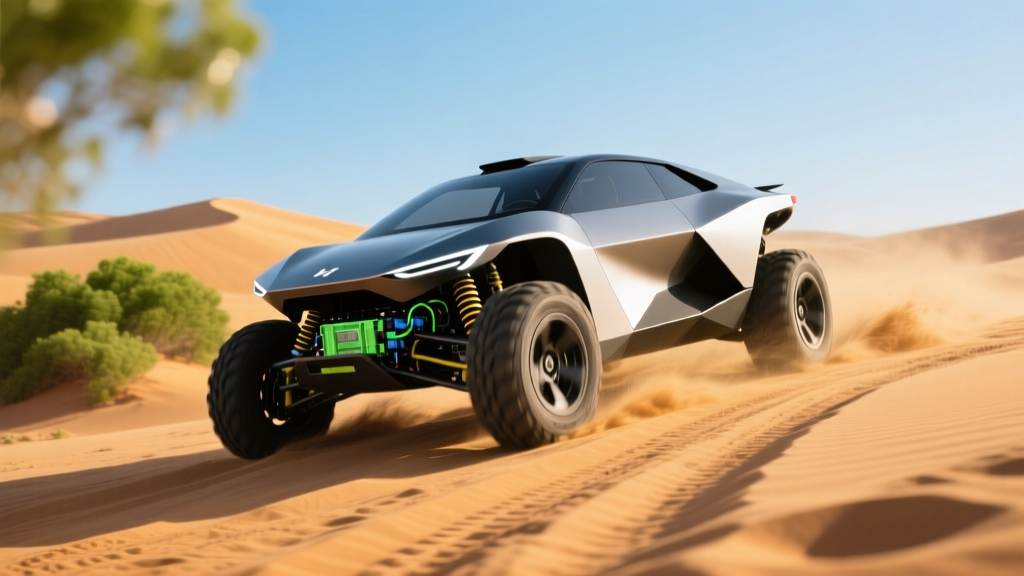
The term "electric dune buggy" covers a wide spectrum: from lightweight, single-seat sand runabouts to full four-seat side-by-side UTVs (utility task vehicles) with roll cages and suspension travel rivaling gas models. Unlike street-legal EVs tracked by the EPA, most off-road electric buggies fall into a regulatory gray area — they are not required to carry EPA range stickers, and their performance specs come directly from manufacturers, often without standardized testing.
The key models on the market in 2026 span several categories:
| Model | Battery (kWh) | Motor Power (HP) | Est. Range (mi) | Top Speed (mph) | Base MSRP |
|---|---|---|---|---|---|
| Polaris Ranger XP Kinetic | 14.9 (NMC lithium) | 110 HP / 140 lb-ft | ~45 (mixed terrain) | ~55 | $29,999 |
| Polaris Ranger XP Kinetic Premium | 29.8 (NMC lithium) | 110 HP / 140 lb-ft | ~80 (mixed terrain) | ~55 | $34,999 |
| Segway Dirt eBike X260 (buggy conversion base) | 1.74 (NMC) | 5 HP | ~25 (flat trail) | ~50 | $3,499 |
| Kandi Cowboy / Buggy EV (import) | 7.2–10 (LFP) | 15–25 HP | ~35–50 | ~35 | $6,500–$9,900 |
| Custom VW-style electric sand rail (builder) | 10–20 (varies) | 80–150 HP | ~30–60 | 70+ | $15,000–$30,000+ |
The Polaris Ranger XP Kinetic is the only mass-produced, dealer-supported electric UTV from a major powersports OEM as of 2026, and it sets the benchmark for what a production electric dune buggy can deliver. Smaller brands and custom builders fill the lower-price segments, but with significant variance in build quality and battery sourcing.
Electric vs. Gas Dune Buggy: The Real-World Comparison
For buyers cross-shopping an electric buggy against a traditional gas UTV like the Can-Am Maverick, Polaris RZR, or Honda Pioneer, the decision comes down to how you ride — not just what the spec sheet says.
| Factor | Electric (Polaris Kinetic 14.9 kWh) | Gas (Polaris Ranger XP 1000, 999cc) |
|---|---|---|
| Purchase Price | $29,999 | $17,499 |
| Power / Torque | 110 HP / 140 lb-ft (instant) | 82 HP / ~65 lb-ft |
| Fuel/Energy Cost per 40-mi Ride | ~$1.50–$3.00 (at $0.13/kWh) | ~$8–$12 (at $4.00/gal, ~12 mpg off-road) |
| Range per Fill/Charge | ~45 mi (14.9 kWh) / ~80 mi (29.8 kWh) | ~120–150 mi (11.5 gal tank) |
| Refuel/Recharge Time | 5–10 hours (Level 1, 120V) | ~3 minutes (jerry can or pump) |
| Noise Level | Near silent (~60 dB) | 85–95 dB |
| Maintenance (annual est.) | $50–$150 (no oil, filters, belts) | $300–$600 (oil, filters, belts, plugs) |
| Trail Access (noise-restricted areas) | Often permitted | Sometimes restricted |
The electric buggy wins on torque delivery (instant, no clutch or CVT lag), noise (critical for trails near residential areas or wildlife refuges), and operating cost. The gas UTV wins decisively on range, refueling speed, and upfront purchase price. For riders who consistently stay under 40 miles per outing and charge between rides, the EV makes financial sense within 3–5 years of regular use. For expedition riders covering 80+ miles per day, gas remains the only viable option.
Battery, Range, and Charging: What the Numbers Actually Mean
Understanding electric buggy specs requires distinguishing kW (power — the rate of energy delivery or charging) from kWh (energy — the total capacity of the battery pack). A 14.9 kWh battery stores 14.9 kilowatt-hours of energy; a motor rated at 82 kW can deliver that power at peak output.
Real-World Range Expectations
Off-road range varies far more than street-EV range because terrain, sand resistance, climbing, and stop-start riding all spike energy consumption. Polaris rates the Kinetic at roughly 45 miles for the 14.9 kWh pack and 80 miles for the 29.8 kWh pack under "typical" off-road use. In practice:
- Flat hardpack trails, moderate speed (15–25 mph): Expect to match or slightly exceed rated range.
- Sand dunes or deep mud: Expect 50–65% of rated range. Soft terrain dramatically increases rolling resistance.
- Cold weather (below 40°F): NMC lithium batteries lose roughly 15–25% of usable capacity in cold, similar to street EVs. LFP packs (found in some Chinese-market buggies) tolerate cold poorly and may see 30%+ range loss.
- High-speed desert running (40+ mph): Aerodynamic drag and sustained high-power draw cut range by 20–30%.
Charging Realities
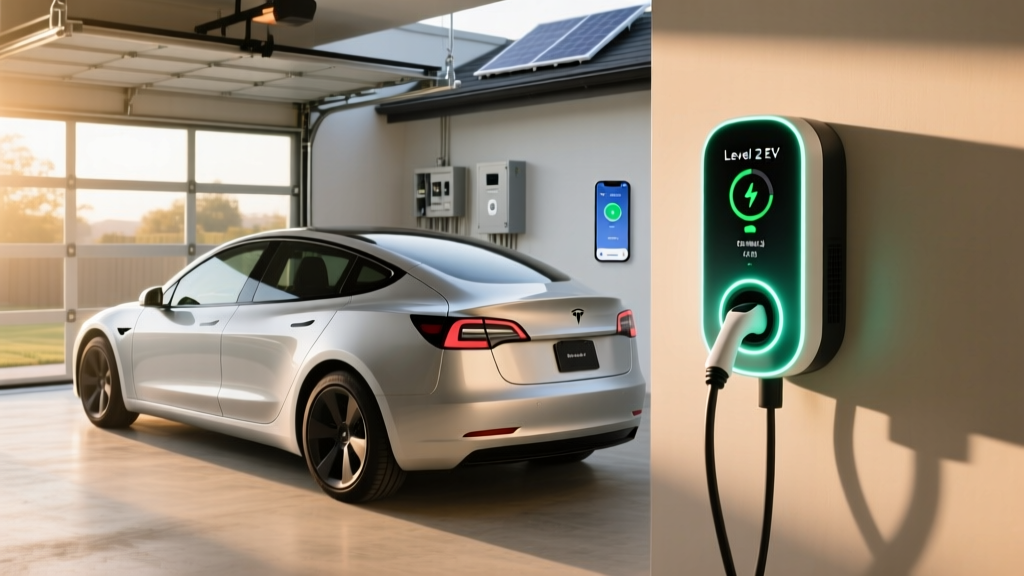
Most electric dune buggies charge via standard 120V (Level 1) outlets. The Polaris Kinetic accepts Level 1 at roughly 1.4 kW, meaning a full charge of the 14.9 kWh pack takes about 10 hours, and the 29.8 kWh pack takes roughly 20 hours. This is the single biggest practical limitation for multi-day trail trips.
| Level | Voltage / Power | Miles of Range Added per Hour | Availability |
|---|---|---|---|
| Level 1 (standard outlet) | 120V / 1.2–1.4 kW | ~3–5 mi/hr | Universal (any outlet) |
| Level 2 (240V dryer/RV outlet) | 240V / 3.3–7.2 kW | ~8–18 mi/hr | Requires 240V outlet at home or garage |
| DC Fast Charge | Not available on most buggies | N/A | N/A — no off-road EVs support CCS/NACS DCFC as of 2026 |
Some owners install a 240V outlet in their garage or barn to cut charge times in half. A Level 2 outlet installation typically costs $500–$1,500 depending on panel capacity and run distance — a worthwhile investment if you ride frequently. Critically, no mainstream electric dune buggy or UTV currently supports DC fast charging, so trailside quick-charges are not an option. Plan your rides around your battery capacity.
Total Cost of Ownership: Electric vs. Gas Buggy Over 5 Years
The higher purchase price of an electric buggy is offset by dramatically lower fuel and maintenance costs. Here is a realistic five-year breakdown assuming 1,500 miles of off-road riding per year:
| Cost Category | Electric (Polaris Kinetic 14.9 kWh) | Gas (Polaris Ranger XP 1000) |
|---|---|---|
| Purchase Price | $29,999 | $17,499 |
| Fuel / Electricity (5 yrs, 7,500 mi) | $375–$600 | $2,500–$3,750 |
| Maintenance (oil, filters, belts, plugs) | $250–$750 | $1,500–$3,000 |
| Insurance (avg, 5 yrs) | $3,000–$4,500 | $3,000–$4,500 |
| Estimated Resale Value (Year 5) | $14,000–$18,000 | $9,000–$12,000 |
| Net 5-Year Cost | $15,500–$21,350 | $15,500–$19,750 |
The numbers reveal a near-parity scenario over five years. The electric buggy costs significantly more upfront but saves $2,000–$4,000 in fuel and maintenance. Resale values for the Kinetic have held reasonably well due to limited supply and niche demand. For riders who keep their UTVs longer than five years, the electric option pulls further ahead as the gas engine accumulates more maintenance expenses.
A note on tax credits: The federal §30D clean vehicle credit applies to on-road EVs meeting specific battery-sourcing, MSRP, and buyer income requirements (see IRS guidelines). Off-road-only vehicles like dune buggies and UTVs generally do not qualify for the §30D credit because they are not classified as on-road motor vehicles. Some states offer separate off-road EV incentives — check your state energy office for current programs.
Common Misconceptions About Electric Dune Buggies
| Myth | Fact |
|---|---|
| "Electric buggies have no power for dunes." | The Polaris Kinetic produces 140 lb-ft of instant torque — more than most gas UTVs in its class. Electric motors excel in sand because they don't bog down or stall. |
| "The battery will die and strand you on the trail." | Range planning is essential, yes, but most riders cover 15–30 miles per outing. A 45-mile rated buggy handles most day rides with margin. Carry a portable generator as a backup if anxiety is a concern. |
| "Electric buggies can't get wet." | Production models like the Kinetic are IP67-rated for water and dust ingress. They handle mud, creek crossings, and rain. Avoid submerging the battery housing, but normal off-road water exposure is fine. |
| "You'll save $7,500 in tax credits." | The federal §30D credit does not apply to off-road-only vehicles. Do not budget for this credit when purchasing a dune buggy. |
| "Battery replacement will cost more than the buggy." | Polaris offers a 1-year limited warranty on the Kinetic battery. Replacement packs currently cost $3,000–$5,000 — significant but not total-loss territory. NMC packs typically retain 80%+ capacity after 500–800 full cycles. |
First-Time Buyer Checklist: What to Know Before You Buy
If you are purchasing your first electric dune buggy or UTV, work through this practical checklist:
- Measure your typical ride distance. Use a GPS app on your next gas-UTV ride. If you consistently cover under 35 miles, a 14.9 kWh pack will suffice. If you ride 40–70 miles, you need the larger pack or a gas model.
- Confirm charging access. You need a standard 120V outlet within reach of where you store the buggy. A 240V outlet cuts charge time in half and is worth installing if your electrical panel has capacity (consult a licensed electrician for a panel assessment).
- Factor in your climate. If you ride in winter conditions below freezing, budget for 20–30% range loss. Store and charge the buggy in a heated garage if possible — cold-soaked lithium batteries charge slowly and deliver less power.
- Check trail access rules. Some OHV areas are beginning to restrict gas-powered vehicles due to noise and emissions. An electric buggy may grant you access to trails that gas UTVs cannot use — a real advantage in certain regions.
- Test the regenerative braking. Electric UTVs use regen to slow the vehicle and recapture energy. On steep descents, regen can extend range and reduce brake wear, but it requires adaptation if you are used to gas-engine braking.
- Verify dealer support and parts availability. With Polaris, you have a nationwide dealer network. With smaller or imported brands, parts and service can be difficult to source. Factor this into long-term ownership costs.
Decision Framework: Electric or Gas?
Choose an electric dune buggy if:
- Your typical rides are under 40 miles round-trip
- You have home charging access (120V minimum, 240V preferred)
- You ride in noise-sensitive areas or want stealth trail access
- You want minimal maintenance and lower per-mile operating costs
- Instant torque and smooth power delivery matter to you
Choose a gas UTV if:
- You regularly ride 60+ miles per outing
- You do multi-day expeditions without reliable charging
- Upfront purchase price is your primary constraint
- You ride in extreme cold (below 20°F) frequently
- You need rapid refueling between rides (jerry can in 2 minutes)
Frequently Asked Questions
Can I make my existing gas dune buggy electric?
Yes, EV conversion kits for VW-style sand rails and custom buggies exist, typically costing $8,000–$20,000 for the motor, controller, and battery pack. Companies like EV West offer components and guidance. However, conversions require fabrication skill and electrical knowledge. The result is often a unique, high-torque buggy, but warranty and resale value are harder to establish than with a factory model.
How long do electric dune buggy batteries last?
NMC lithium batteries (used in the Polaris Kinetic) typically retain 80% of original capacity after 500–800 full charge cycles. For a rider who fully discharges and recharges once per week, that translates to roughly 10–15 years before significant degradation. LFP batteries (in some imported models) can exceed 2,000 cycles but are heavier and perform worse in cold weather.
Are electric dune buggies street-legal?
Generally, no. Most electric buggies and UTVs are classified as off-road vehicles and cannot be registered for on-road use. Some states allow limited road use of UTVs with specific modifications (mirrors, turn signals, windshield) — check your local DMV or state OHV regulations. Street-legal classification would also be required to claim any federal EV tax credit.
What happens if the battery dies on the trail?
You will need to be towed or trailered out, just as you would with a gas UTV that runs out of fuel or suffers a mechanical failure. Some riders carry a small portable generator (2,000–3,500 watts) that can trickle-charge the battery enough to limp back. A fully dead pack on a 1.4 kW Level 1 charge would take many hours, so a generator is a partial backup, not a full solution.
Is an electric dune buggy safer than a gas one?
Safety depends more on driver behavior, roll cage design, harnesses, and terrain than on powertrain type. However, electric buggies eliminate fire risk from fuel leaks and reduce the risk of carbon monoxide exposure in enclosed areas. The lower center of gravity (battery pack mounted low) can also improve rollover resistance compared to some gas UTVs. Always wear a helmet, use a rated roll cage, and follow CPSC off-road safety guidelines.
Do electric UTVs have enough torque for towing?
Yes. The Polaris Ranger XP Kinetic is rated to tow 2,500 lbs — matching or exceeding many gas UTVs in its class. Electric motors deliver peak torque from zero RPM, which is ideal for low-speed towing and hauling. Payload capacity is typically 1,000–1,250 lbs depending on the model.