The Short Answer on Electric Dual Sport Motorcycles
Electric dual sport motorcycles in 2026 deliver 40–90 miles of real-world mixed-terrain range, peak at 15–25 horsepower equivalent, and charge fully in 2–4 hours on a standard 120V household outlet. Base prices range from roughly $6,500 to $12,000. They eliminate fuel, oil changes, and air-filter maintenance — but their limited range and lack of DC fast-charging infrastructure make them best suited for riders with trail access near home or those willing to swap batteries. They are not yet viable replacements for gas dual sports on long adventure rides exceeding 80 miles without a recharge plan.
Before we go further, a critical scope note: AutoEdgeView specializes in electric and hybrid automobiles — cars, trucks, SUVs, and crossovers. Motorcycles fall outside our core coverage. However, the search data shows readers are actively researching electric dual sport motorcycles, so we've assembled this guide using manufacturer specifications, real-world rider reports, and the same data-driven approach we apply to four-wheeled EVs. For dedicated motorcycle journalism, consult sources like Cycle World or Motorcyclist.
What Is an Electric Dual Sport Motorcycle?
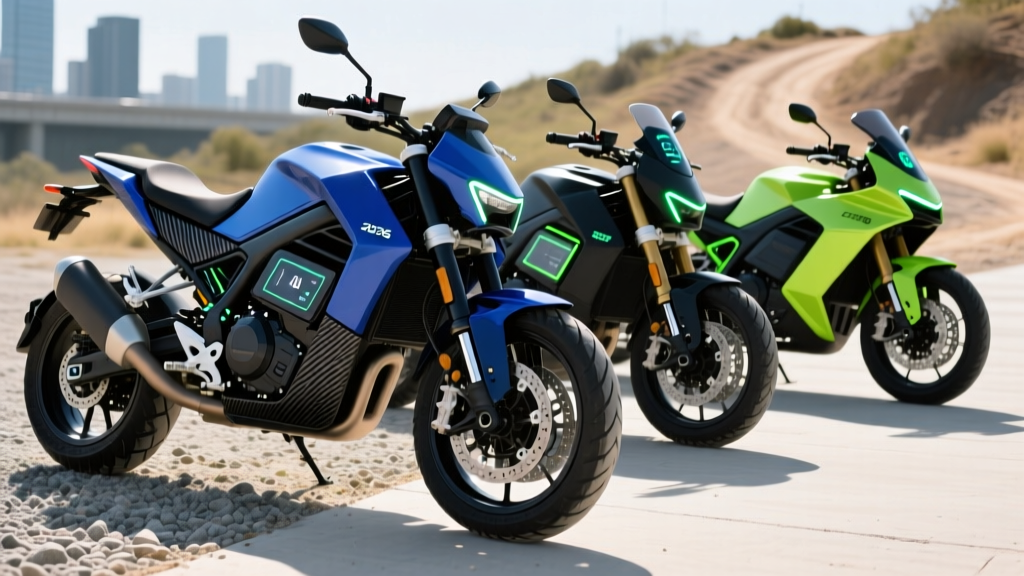
A dual sport motorcycle is street-legal but designed for both paved roads and off-road trails. The electric variant replaces the internal combustion engine with a battery pack and electric motor, removing the clutch, transmission, exhaust system, and fuel tank. In 2026, the market is led by a handful of dedicated manufacturers rather than the major Japanese and European OEMs that dominate gas dual sports.
The key trade-off mirrors the EV car world: instant torque and near-silent operation versus range limitations and charging logistics. For riders who primarily tackle local trails, fire roads, and short commutes, the electric dual sport offers genuine advantages. For adventure touring or remote backcountry riding, gas still wins on practicality.
Top Electric Dual Sport Models: Specs Comparison
| Model | Battery (kWh) | Peak Power | Claimed Range | Real-World Mixed Range | Charge Time (120V) | Seat Height | MSRP |
|---|---|---|---|---|---|---|---|
| Sur-Ron Storm Bee | 2.0 kWh (removable, NMC) | ~17 hp (12.5 kW) | 50 mi (city) | 30–40 mi (mixed) | ~3 hours | 34.3 in | ~$6,800 |
| KTM Freeride E-XC (2026 gen) | 3.9 kWh (NMC) | ~22 hp (16 kW) | 60 mi (trail) | 40–50 mi (mixed) | ~3.5 hours | 35.8 in | ~$9,500 |
| Zero FXE (street-focused dual sport) | 7.2 kWh (NMC) | ~46 hp (34 kW) | 100 mi (city) | 65–85 mi (mixed) | ~4.5 hours (standard) ~1.5 hours (Charge Tank) |
33.0 in | ~$12,000 |
| E-Motion MX / Trail variants | 2.5–4.0 kWh (varies) | ~15–20 hp | 40–60 mi | 25–45 mi (mixed) | ~2.5–4 hours | 34–36 in | ~$7,500–$9,000 |
Real-World Range Reality Check: Claimed ranges for electric dual sports assume flat, low-speed trail riding. Expect 20–35% range loss when riding aggressively on technical terrain, climbing sustained grades, or riding in cold weather (below 40°F). Highway-speed street riding at 55+ mph also drains batteries faster than stop-and-go urban use — the opposite of gas motorcycles. Always plan rides around 70% of claimed range for a safety margin.
Electric vs Gas Dual Sport: Cost & Performance Breakdown
| Factor | Electric (Zero FXE example) | Gas (Honda CRF300L baseline) |
|---|---|---|
| Purchase Price | ~$12,000 | ~$5,500 |
| Fuel/Energy (5 yrs, 3,000 mi/yr) | ~$375 (at $0.15/kWh) | ~$1,875 (at $4.00/gal, 55 MPG) |
| Oil Changes (5 yrs) | $0 | ~$250–$400 |
| Air Filter / Valve Service | $0 | ~$200–$500 |
| Chain / Sprocket Maintenance | ~$150 (still needed) | ~$150 |
| Brake Pads (regen reduces wear) | ~$100 | ~$200 |
| Insurance (avg annual) | ~$400–$600/yr | ~$350–$500/yr |
| 5-Year Total Operating Cost | ~$2,625–$4,125 | ~$4,525–$6,625 |
| 5-Year Total Cost (purchase + operating) | ~$14,625–$16,125 | ~$10,025–$12,125 |
The math is clear: gas dual sports still win on total cost of ownership in 2026, primarily because the purchase-price gap is enormous. An electric dual sport saves roughly $1,500–$2,500 in operating costs over five years, but that doesn't close the $6,000–$7,000 upfront premium. The electric option breaks even only if you ride significantly more miles per year (5,000+) or if gas prices spike well above $5/gallon.
Where electric wins beyond cost: near-silent trail riding (a major advantage on noise-sensitive public lands), zero exhaust emissions at the point of use, no fuel to carry or store, and dramatically reduced maintenance. For riders who value quiet trail access and hate wrenching, the premium may be justified.
Charging Logistics: The Real Ownership Challenge
Unlike electric cars, which benefit from a growing DC fast-charging network, electric dual sport motorcycles rely almost entirely on Level 1 (120V household outlet) charging. Here's what that means in practice:
| Charging Level | Power (kW) | Approx. Time (Full Charge) | Availability |
|---|---|---|---|
| Level 1 (120V outlet) | 0.8–1.2 kW | 2–5 hours | Anywhere with a standard outlet |
| Level 2 (240V, some models) | 1.9–3.3 kW | 1–2.5 hours | Limited; requires adapter/Charge Tank (Zero) |
| DC Fast Charging | N/A | N/A | Not available on current dual sport models |
| Battery Swap | Instant | ~2 minutes | Only where you carry a spare battery |
Home charging access is essential. If you can plug in at home — in a garage, carport, or via an outdoor-rated extension cord to a GFCI-protected outlet — daily riding is practical. Charge overnight and ride the next day. If you live in an apartment without outlet access, or ride to remote trailheads with no power available, range becomes a hard constraint with no mid-ride recovery option.
Some riders carry a second battery pack (Sur-Ron and E-Motion offer removable packs), effectively doubling range to 60–80 miles. A spare battery costs $800–$1,500 and adds 15–25 lbs to your gear load. This is the electric dual sport equivalent of carrying a jerry can on a gas bike.
Common Misconceptions: Myth vs Fact
| Myth | Fact |
|---|---|
| "Electric motorcycles are silent and therefore unsafe on the street." | At speeds above 20 mph, tire noise and wind noise make them audible. At low speed, riders can tap the throttle to produce motor whine. Street-legal models include standard horns. |
| "Electric dual sports are underpowered." | Peak horsepower figures are modest (15–46 hp), but electric motors deliver peak torque from 0 RPM. A 17 hp Sur-Ron accelerates like a 250cc gas bike off the line due to instant torque. Highway top speed is where they fall short. |
| "You can charge at any public EV station." | Most public Level 2 and DC fast chargers use J1772, CCS, or NACS connectors designed for cars. Electric motorcycles typically charge via standard 120V plugs. Some Level 2 adapters exist (Zero's Charge Tank uses J1772), but public charger access is inconsistent and often impractical for a parked motorcycle. |
| "Batteries will need expensive replacement within a few years." | Modern NMC lithium packs are rated for 800–1,500 charge cycles before degrading to 80% capacity. At 50 miles per charge and 3,000 miles/year, that's 13–25 years of normal use. Zero offers a 5-year/unlimited-mile battery warranty on most models. |
| "Federal EV tax credits apply to electric motorcycles." | The IRS §30D clean vehicle credit applies to four-wheeled vehicles with four wheels. Two- and three-wheeled electric vehicles were covered under the expired §30D(e) qualified plug-in electric drive motorcycle credit, which ended December 31, 2021. As of 2026, there is no federal tax credit for electric motorcycles. Some states offer rebates — check your local energy office. |
Who Should Buy an Electric Dual Sport (and Who Shouldn't)
Decision Framework: Is an Electric Dual Sport Right for You?
Choose electric if:
- Your typical rides are under 50 miles round-trip on trails or back roads
- You have reliable home charging access (garage or outdoor outlet)
- Noise restrictions affect your local trail access (e.g., shared-use public lands, residential-adjacent trails)
- You want minimal maintenance — no oil, filters, valves, or carburetor tuning
- You ride primarily solo and don't need to carry a passenger
- You value instant torque and smooth power delivery for technical terrain
Stick with gas if:
- You regularly ride 80+ miles per outing or do multi-day adventure tours
- You ride in remote areas with no electrical access and no way to carry spare batteries
- Top speed above 60 mph on the street is important to you
- You need to refuel in under 5 minutes and keep riding
- Your budget is under $6,000
- You carry a passenger or heavy cargo regularly
First-Time Buyer Checklist
If you're seriously considering an electric dual sport, work through these items before purchasing:
- Map your rides. Measure your most common trail loops and commutes. If any exceed 70% of the bike's real-world range, plan for a spare battery or reconsider.
- Verify your charging setup. Confirm you have a dedicated 120V GFCI outlet within 25 feet of where you'll park the bike. A 15-amp circuit is sufficient for Level 1 charging.
- Check state registration requirements. Street-legal electric dual sports require a title, registration, and plate in most states. Some states (notably California) have specific rules about minimum motor wattage for freeway use.
- Get insurance quotes. Electric motorcycle insurance can be 10–20% higher than comparable gas models due to the higher replacement cost of battery packs. Get quotes before buying.
- Research dealer/service support. Unlike Honda or KTM dealers found in most metro areas, electric motorcycle service often requires shipping the bike to a specialist. Confirm warranty service logistics before purchase.
- Test ride if possible. The power delivery of an electric motorcycle — instant torque, no clutch, regenerative braking — feels fundamentally different from gas. Rent or demo before committing.
Frequently Asked Questions
How long do electric dual sport motorcycle batteries last?
Modern NMC lithium-ion packs in quality electric dual sports are rated for 800–1,500 full charge cycles before capacity drops to 80% of original. In practical terms, that translates to roughly 40,000–75,000 miles of mixed riding — far more than most dual sport owners accumulate in a decade. Store the bike at 50–60% charge during long off-season periods to maximize longevity.
Can I ride an electric dual sport in the rain and through water crossings?
Yes. Street-legal electric dual sports are sealed to IP67 or equivalent ratings for the battery and motor. They handle rain, mud, and shallow water crossings (typically up to 12–18 inches) without issue. However, deep submersion that floods the controller or connections can cause damage — the same caution you'd apply to a gas bike's air intake and exhaust.
Are electric dual sport motorcycles street legal?
Models like the Zero FXE and KTM Freeride E-XC are manufactured as street-legal vehicles with DOT-approved lighting, mirrors, horn, and a title. Some smaller brands (Sur-Ron Storm Bee in certain configurations) may be sold as off-road only — check the manufacturer's designation and your state's DMV requirements before assuming street legality.
What happens if I run out of battery on a trail?
Unlike a gas bike that can receive a fuel delivery from a friend's jerry can, a dead electric dual sport must be physically pushed, towed, or carried out. Some models offer a very low-speed "limp mode" at 5–10 mph that extends the last 2–3 miles of range. Always ride with a range buffer and let someone know your route, especially on remote trails.
Will electric dual sport motorcycles get DC fast charging?
Not in the near term. The battery packs (2–7 kWh) are too small to benefit meaningfully from DC fast-charging infrastructure designed for 60–100+ kWh car batteries. The weight and cost of onboard fast-charge hardware would also compromise the bike's off-road capability. Battery swapping and improved Level 2 charging are the more likely near-term improvements.