Quick Answer: Which Electric Dirt Bikes Hit 25 MPH?
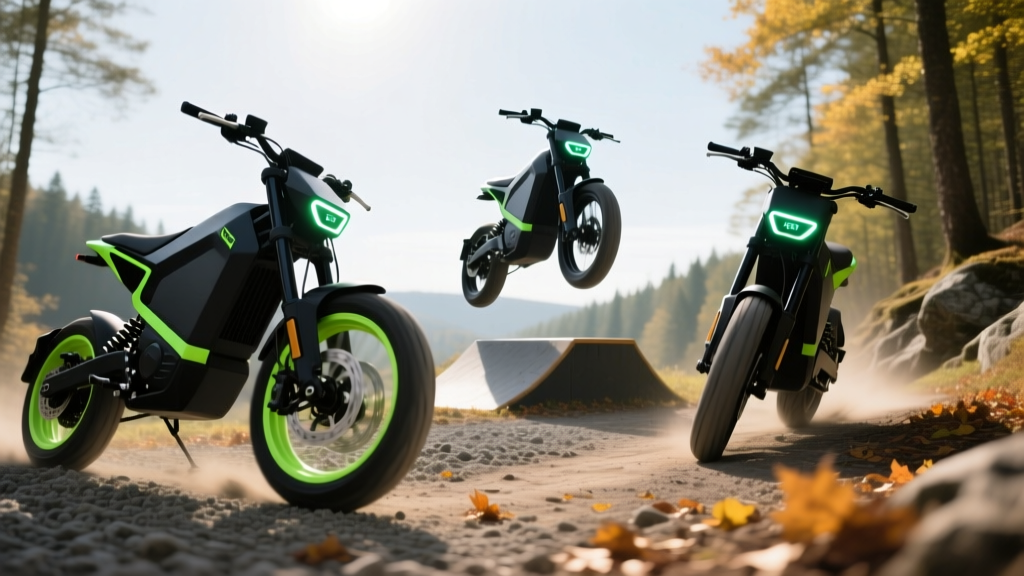
Several production electric dirt bikes comfortably reach and sustain 25 mph in 2026. The most capable options include the KTM SX-E 5 (top speed ~50 mph, adjustable down to 25 mph for younger riders, ~$5,599), the Stacyc 16eDRIVE (25 mph top speed in its highest mode, ~$3,499), and the Sur-Ron Light Bee X (45 mph top speed, easily restricted to 25 mph, ~$4,299). For younger or beginner riders, the Kuberg Trial E and Stacyc 12eDRIVE (top speed ~11-17 mph depending on mode) offer stepping-stone options. Expect 30-60 minutes of continuous ride time at moderate throttle, battery capacities between 1.5 kWh and 3.5 kWh, and full charge times of 1.5 to 4 hours on standard 120V outlets.
If you've been searching for electric dirt bikes that go 25 mph, you're likely weighing options for a younger rider, trail use on private property, or a quiet, low-maintenance alternative to gas-powered pit bikes. This guide breaks down the real specs, ownership costs, and practical considerations so you can match a bike to your actual riding needs — not just marketing claims.
How 25 MPH Electric Dirt Bikes Compare to Gas Pit Bikes
The 25 mph speed bracket sits squarely in the territory of 50cc gas dirt bikes and entry-level pit bikes. Here's how electric and gas options stack up across the metrics that matter for buyers:
| Metric | Electric (25 mph class) | Gas 50cc Pit Bike |
|---|---|---|
| Top Speed | 25 mph (adjustable on many models) | 30-40 mph |
| Power Delivery | Instant torque, no clutch | Progressive, requires clutch/throttle skill |
| Ride Time (continuous) | 30-60 min at moderate throttle | 60-90 min per tank (~1.5 gal) |
| "Refuel" / Recharge Time | 1.5-4 hours (120V outlet) | 2 minutes (pour gas) |
| Weight | 75-130 lbs | 90-120 lbs |
| Noise Level | ~55-65 dB (quiet conversation level) | ~85-95 dB (lawnmower to motorcycle) |
| Maintenance (annual) | ~$20-50 (chain lube, brake pads) | ~$150-300 (oil, air filter, spark plug, top-end) |
| Purchase Price | $3,500-$5,600 | $1,200-$3,500 |
| Operating Cost per Hour | ~$0.15-$0.30 (electricity) | ~$1.50-$3.00 (gas + oil mix) |
The data makes the trade-off clear: electric dirt bikes that go 25 mph cost more upfront but dramatically reduce per-hour operating costs and maintenance burden. A gas 50cc pit bike is cheaper to buy but demands carburetor tuning, oil changes, air filter cleaning, and top-end rebuilds — tasks that compound if a younger rider is the primary user and a parent is doing the wrenching.
Top Electric Dirt Bikes That Go 25 MPH: 2026 Specs Breakdown
Below are the leading models in this speed class with verified specifications. Note that battery chemistry, usable capacity, and charge rates vary significantly between brands — and these differences directly affect how long you ride and how fast you recharge.
| Model | Battery (kWh) | Chemistry | Top Speed | Ride Time | Charge Time | Weight | MSRP |
|---|---|---|---|---|---|---|---|
| KTM SX-E 5 (2026) | 1.9 kWh usable | NMC lithium-ion | ~50 mph (6 adjustable modes) | ~30-45 min (hard riding) | ~75 min (dedicated charger) | 104 lbs | $5,599 |
| Stacyc 16eDRIVE | 1.9 kWh | NMC lithium-ion | 25 mph (high mode) | ~45-60 min (moderate) | ~2 hours | 93 lbs | $3,499 |
| Sur-Ron Light Bee X | 2.0 kWh (60V 32Ah) | NMC lithium-ion | 45 mph (restrictable to 25) | ~40-60 min | ~2.5-3 hours | 110 lbs | $4,299 |
| Stacyc 12eDRIVE | 0.7 kWh | NMC lithium-ion | 11-17 mph (3 modes) | ~30-45 min | ~1.5 hours | 62 lbs | $2,499 |
| OSET 24.0 (Trial) | 1.6 kWh | NMC lithium-ion | ~30 mph | ~60 min (trial riding) | ~2 hours | 105 lbs | $4,899 |
Key distinction: kW vs kWh. You'll see both numbers in spec sheets. kWh (kilowatt-hours) is the battery's energy capacity — think of it as the fuel tank size. A 1.9 kWh battery holds enough energy for roughly 30-60 minutes of riding. kW (kilowatts) is the motor's power output or the charger's rate — think of it as horsepower or how fast you're pouring fuel back in. The Sur-Ron Light Bee X, for example, has a 6 kW peak motor and a 2.0 kWh battery. Higher kW means faster acceleration; higher kWh means longer ride time.
Real-World Range and Ride Time: What the Spec Sheet Doesn't Tell You
Manufacturer-claimed ride times are typically measured under ideal conditions: flat terrain, moderate throttle, moderate ambient temperature, and a rider within a specific weight range. In real-world use, expect the following adjustments:
- Aggressive throttle / motocross riding: Reduce claimed ride time by 30-50%. Full-throttle bursts drain NMC batteries rapidly, and the high C-rate discharge generates heat that further reduces effective capacity.
- Cold weather (below 40°F / 4°C): Expect 20-35% less ride time. Lithium-ion cells experience increased internal resistance in cold temperatures, reducing usable capacity. This is the same phenomenon that reduces EV car range in winter — just at a smaller scale.
- Hilly or muddy terrain: Reduce by 15-25%. Climbing and slogging through mud demands sustained high-current draw.
- Heavier riders: A 150 lb rider on a bike rated for 100 lb max will see proportionally reduced run time.
For the KTM SX-E 5, KTM advertises up to 2 hours of ride time in its lowest power mode (mode 1, limited to ~10 mph for beginners). In mode 6 (full power, ~50 mph), expect closer to 20-30 minutes of hard riding. At a 25 mph restricted setting (modes 3-4), a realistic expectation is 30-45 minutes of mixed riding before the battery reaches its low-voltage cutoff.
Pro tip: Many serious riders purchase a second battery pack ($500-$900 depending on model) to swap during sessions. This effectively doubles ride time without waiting for a recharge. Both the Sur-Ron and KTM platforms support quick-swap battery designs.
Ownership Costs: Electric vs Gas Dirt Bike Over 3 Years
The higher purchase price of electric dirt bikes that go 25 mph is the most common objection. Let's model a realistic 3-year ownership scenario assuming 2 hours of riding per week (roughly 100 hours/year):
| Cost Category | Electric (Stacyc 16eDRIVE) | Gas 50cc (Honda CRF50F equivalent) |
|---|---|---|
| Purchase Price | $3,499 | $1,699 |
| Fuel/Energy (3 years, 300 hrs) | $14-$27 (at $0.14/kWh avg) | $450-$900 (gas + 2-stroke oil) |
| Maintenance (3 years) | $60-$150 (chain, brake pads, air filter) | $450-$900 (oil changes, top-end, carb, air filter, spark plug) |
| Battery Replacement (if needed) | $0-$600 (most NMC packs last 500-800 cycles) | N/A |
| Insurance (if applicable) | $0-$200/yr (varies by state, off-road use often uninsured) | $0-$200/yr |
| 3-Year Total | $3,573-$4,276 | $2,599-$3,699 |
| Cost per Riding Hour | $0.25-$2.59 | $3.00-$6.67 |
At 100 hours per year, the electric bike's operating cost advantage is significant. The breakeven point where the electric bike's total cost of ownership falls below the gas bike typically arrives between year 2 and year 4, depending on riding frequency and local fuel prices.
Maintenance reality: Gas 50cc two-stroke and four-stroke dirt bikes require regular carburetor jetting adjustments (especially with altitude and temperature changes), valve adjustments on four-strokes, clutch plate replacements, and periodic top-end rebuilds ($200-$400). Electric dirt bikes eliminate all of this. The primary maintenance items are chain tensioning and lubrication, brake pad replacement, and occasional spoke tightening — tasks most owners can handle without specialized tools.
Charging at Home: What You Actually Need
Unlike electric cars that may require a dedicated 240V Level 2 circuit, nearly all electric dirt bikes charge from a standard 120V household outlet. Here's what to expect:
- Charger type: Most bikes ship with an external "brick" charger (similar to a laptop power supply) that plugs into a standard NEMA 5-15 outlet. No electrical panel upgrade or dedicated circuit is needed for a single bike.
- Circuit load: A typical dirt bike charger draws 300-600 watts — comparable to a desktop computer. This is well within the capacity of a standard 15A household circuit (1,800W max). You can safely charge a bike on the same circuit as household lighting.
- Charge location: Charge in a dry, ventilated area — a garage or covered porch is ideal. Avoid charging in direct sunlight or in temperatures above 100°F, as heat accelerates NMC battery degradation.
- Safety: Use only the manufacturer-supplied charger. Third-party chargers may not match the battery management system's (BMS) charge profile, risking cell imbalance or thermal runaway. This is non-negotiable with NMC chemistry, which is more energy-dense but less thermally stable than LFP (lithium iron phosphate).
If you plan to run multiple bikes simultaneously (common for families with several riders), consider having an electrician install a dedicated 20A circuit in the garage to avoid tripping breakers. Cost for this is typically $200-$500 depending on panel proximity.
Common Misconceptions — Facts vs Myths
| Myth | Fact |
|---|---|
| "Electric dirt bikes are toys, not real bikes" | The KTM SX-E 5 competes in organized youth motocross events and produces comparable lap times to gas 50cc bikes on short tracks. Instant torque gives electric bikes an acceleration advantage off the line. |
| "The battery will die after a year" | NMC cells rated for 500-800 full charge cycles will last 5-10+ years at typical riding frequencies (1-3 sessions/week). Capacity degrades gradually — expect ~80% capacity retention after 500 cycles, not sudden failure. |
| "You can't ride in the rain" | Most production electric dirt bikes carry IP65 or IP67 water-resistance ratings for the battery and motor. They handle rain, mud, and puddle crossings. Avoid submerging the battery compartment or pressure-washing directly at electrical connections. |
| "Electric bikes are heavier" | Weight is comparable. The Stacyc 16eDRIVE at 93 lbs is similar to gas 50cc bikes at 90-110 lbs. The absence of a fuel tank, exhaust, and engine block offsets the battery weight. |
| "They're silent, so they're safer" | Quieter operation is an advantage in noise-restricted areas and reduces hearing-damage risk. However, other trail users (mountain bikers, hikers) may not hear an approaching electric bike. Use a bell or call out on shared trails. |
Decision Framework: Which Electric Dirt Bike Is Right for You?
Choose the Stacyc 12eDRIVE ($2,499) if: The rider is ages 3-6, under 75 lbs, and this is a first bike. Top speeds of 11-17 mph across three modes build confidence progressively. The 62-lb weight is manageable for small riders to pick up after a tip-over.
Choose the Stacyc 16eDRIVE ($3,499) if: The rider is ages 5-10, 50-110 lbs, and you want a true 25 mph top speed with adjustable power modes. This is the sweet spot for most families seeking electric dirt bikes that go 25 mph without jumping to full-size bike pricing.
Choose the Sur-Ron Light Bee X ($4,299) if: The rider is older (12+) or an adult seeking a versatile trail bike that can be speed-restricted to 25 mph for younger riders but opened up to 45 mph for experienced use. The 60V platform offers more power headroom and a robust aftermarket for upgrades.
Choose the KTM SX-E 5 ($5,599) if: You're investing in competitive youth motocross. KTM's build quality, suspension components, and dealer network are race-grade. The six adjustable power modes let a single bike grow with a rider from beginner to competitive.
Stick with a gas 50cc bike if: You need all-day ride time at remote locations without electrical access, you're on a tight initial budget (under $2,000), or the rider specifically wants to learn clutch and shifting mechanics for eventual transition to full-size gas motorcycles.
Frequently Asked Questions
Do electric dirt bikes that go 25 mph qualify for any federal tax credits?
No. The IRS §30D Clean Vehicle Credit applies to four-wheeled vehicles with a gross vehicle weight rating (GVWR) under 14,000 lbs that are primarily for use on public roads. Dirt bikes — electric or gas — are classified as off-road vehicles and do not qualify. Some states offer separate e-mobility or outdoor recreation rebates, so check your state energy office for local programs.
How long do electric dirt bike batteries last before replacement?
NMC lithium-ion packs in quality bikes (KTM, Sur-Ron, Stacyc) are rated for 500-800 full charge cycles before reaching 80% of original capacity. At two rides per week with a full charge each time, that translates to roughly 5-8 years of usable life. Replacement battery packs cost $500-$900 depending on the model. Store batteries at 40-60% state of charge during off-seasons to minimize calendar degradation.
Can I make an electric dirt bike faster than 25 mph?
Many models ship with speed limiters that can be removed or adjusted via a manufacturer app or physical dongle. The Sur-Ron Light Bee X, for example, is electronically limited in its "eco" mode but can reach 45 mph unrestricted. Important: Removing speed limiters may void the warranty, and higher speeds dramatically reduce ride time (a 45 mph run on the Sur-Ron may last only 20-25 minutes). Always verify that unrestricted use is legal on your riding property.
Are electric dirt bikes street legal?
Generally no. Most electric dirt bikes lack DOT-required equipment (headlights, taillights, mirrors, horn, turn signals, license plate mount) and are not manufactured to meet Federal Motor Vehicle Safety Standards for on-road use. Some states allow low-speed electric vehicles (under 25 mph) on certain roads with added equipment, but this varies by jurisdiction. Consult your state DMV before attempting street registration.
What happens if the battery runs out mid-ride?
The bike stops — there's no kick-start or reserve tank. Most bikes provide a low-battery warning (LED indicator or beep) at roughly 10-15% remaining charge. Plan rides to stay within range, or carry a spare battery pack. Unlike a gas bike that can be refueled in 2 minutes from a jerry can, a depleted electric dirt bike requires 1.5-4 hours on a charger before it can ride again.