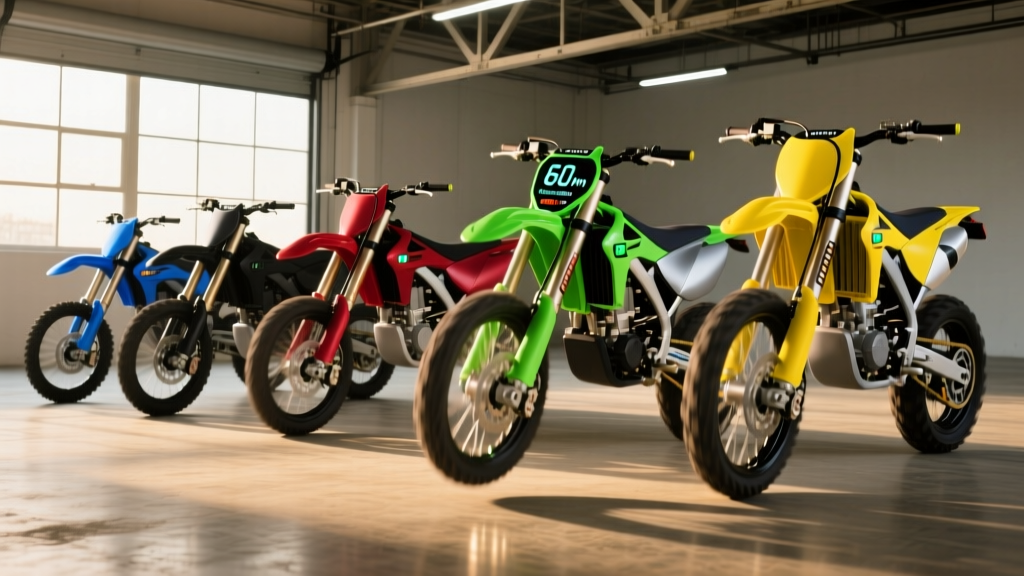
You want the thrill of a motocross bike without the noise complaints, fuel mixing, or top-end rebuilds. The good news: several 2026 electric dirt bikes now legitimately reach 60 mph with enough battery to sustain a 45-minute moto session. The bad news: they cost significantly more upfront than comparable 250cc four-strokes, and range is measured in minutes, not miles.
Quick Answer: Electric Dirt Bikes That Hit 60 MPH
The Stark Varg MX (80 HP, ~60+ mph, $13,490) and KTM Freeride E-XC (~60 mph top speed in unrestricted mode, ~$11,499) are the two production electric dirt bikes that reliably reach 60 mph. The Sur-Ron Ultra Bee tops out around 56 mph and sits just below the threshold at ~$6,500. Expect 1.5–2 hours of aggressive riding on a full charge, and 3–4 hours on a standard 120V outlet to recharge.
Before we get into spec sheets and ownership math, a necessary disclaimer: electric dirt bikes are off-road motorcycles, not electric cars. They don't qualify for the federal §30D EV tax credit (which applies to four-wheeled vehicles under IRS rules). They also aren't street-legal in most states without significant modification. This guide treats them as performance off-road machines — which is exactly what they are.
How Fast Do Electric Dirt Bikes Actually Go?
Top speed on an electric dirt bike depends on motor output (measured in horsepower or kilowatts), final-drive gearing, and whether the manufacturer has speed-limited the bike for trail or competition legality. Here's how the leading models stack up in 2026:
| Model | Motor Power | Top Speed | Battery (kWh) | Weight (lbs) | MSRP |
|---|---|---|---|---|---|
| Stark Varg MX | 80 HP (60 kW) | ~62 mph | 6.0 kWh | ~205 | $13,490 |
| KTM Freeride E-XC | ~24 HP (18 kW) peak | ~60 mph (unrestricted) | 3.9 kWh | ~245 | $11,499 |
| Sur-Ron Ultra Bee | ~12.5 kW (17 HP) | ~56 mph | 4.0 kWh (74V) | ~138 | $6,499 |
| Segway Xafari (concept) | ~20 HP | ~55 mph (est.) | ~2.0 kWh | ~140 | TBD (announced) |
The Stark Varg is the clear performance leader — its 80 HP output rivals a 450cc four-stroke, and it's the only model here that sustains 60 mph without being at its absolute electronic limit. The KTM Freeride E-XC hits 60 mph but feels breathless getting there; it's designed more for technical trail work than open-desert speed runs. The Sur-Ron Ultra Bee is the value pick but falls a few mph short of 60.
Real-World Range: Minutes, Not Miles
Electric dirt bike "range" is almost meaningless in miles because off-road riding varies wildly in intensity. A 45-minute moto at race pace will drain a battery far faster than two hours of casual trail exploration. Manufacturers sometimes quote range in miles (30–60 miles depending on model), but experienced riders think in ride time.
Real-World Ride Time Estimates (Aggressive Motocross Pace)
- Stark Varg MX (6.0 kWh): ~35–45 minutes at full race intensity; ~1.5–2 hours trail riding
- KTM Freeride E-XC (3.9 kWh): ~25–35 minutes hard riding; ~1.5 hours moderate trail
- Sur-Ron Ultra Bee (4.0 kWh): ~30–40 minutes aggressive; ~1.5 hours casual
These numbers assume warm weather (65–80°F). Cold temps below 40°F can reduce usable battery capacity by 15–25%, just as they do in EVs.
The Stark Varg's 6.0 kWh battery is the largest in the segment, and that translates directly to more time on the track. If your typical riding session is a 30-minute moto followed by a break, any of these bikes will work. If you plan to ride all day, you'll need to budget for a spare battery (Stark sells a second pack for ~$3,500) or plan charging breaks.
Charging: What You Need at Home or the Track
Unlike electric cars that use standardized connectors (NACS, CCS), electric dirt bikes use proprietary chargers that plug into a standard 120V household outlet. Here's what charging looks like in practice:
| Model | Charger Type | 0–100% on 120V | Fast-Charge Option | Cost to Charge (Full) |
|---|---|---|---|---|
| Stark Varg MX | Proprietary, onboard | ~2 hours | None currently | ~$0.72 (at $0.12/kWh) |
| KTM Freeride E-XC | External charger | ~3.5 hours | Optional fast charger (~1.5 hr) | ~$0.47 |
| Sur-Ron Ultra Bee | External charger | ~3–4 hours | Optional fast charger (~2 hr) | ~$0.48 |
The Stark Varg charges surprisingly fast on a standard outlet thanks to its efficient onboard charger. The KTM and Sur-Ron are slower unless you invest in an optional fast charger (~$400–$800 depending on brand). At typical residential electricity rates ($0.12–$0.18 per kWh depending on your state), a full charge costs less than a dollar — compare that to $8–$12 for a gallon of VP Racing fuel and a premix ratio.
Track-day reality: If you're at a motocross park without dedicated EV charging, you're relying on a standard outlet at the pit area. Plan your day around 2-hour charging windows between motos, or bring a portable generator (which somewhat defeats the purpose of going electric).
Electric Dirt Bike vs. Gas: The Real Cost Comparison
The upfront price of an electric dirt bike stings — a comparable 250cc four-stroke from Yamaha, Honda, or KTM runs $8,000–$10,500. But the operating-cost story is where electric makes its case.
| Cost Factor | Electric (Stark Varg MX) | Gas (2026 KTM 250 SX-F) |
|---|---|---|
| Purchase Price | $13,490 | $10,299 |
| Fuel/Energy per 10 hrs riding | ~$7.20 | ~$90–$120 (race fuel) |
| Annual Maintenance (est.) | $50–$100 (chain, brake pads) | $400–$800 (oil, filters, top-end, clutch) |
| 5-Year Total Operating Cost | ~$400–$800 | $3,500–$6,000 |
| Estimated 5-Year Total Cost | ~$14,000–$14,500 | $14,000–$16,500 |
By year four or five, the total cost of ownership converges — and if you ride frequently (100+ hours per year), the electric bike actually comes out ahead. The breakeven point is roughly 150–200 hours of riding, depending on your local fuel and electricity costs.
There's also the noise factor, which isn't a cost line item but has real value: electric dirt bikes are nearly silent, meaning you can ride on private property, near residential areas, and at trails that have banned gas bikes due to noise complaints. Access to riding locations is a genuine advantage.
Common Misconceptions About Electric Dirt Bikes
| Myth | Fact |
|---|---|
| "They don't have enough power for real motocross" | The Stark Varg produces 80 HP — comparable to a 450cc four-stroke. It's been timed competitively at amateur MX events. |
| "The battery won't last and replacement costs a fortune" | Modern lithium-ion dirt bike batteries are rated for 1,000+ full charge cycles before hitting 80% capacity. Stark offers a 2-year battery warranty. Replacement cost: ~$3,500. |
| "They're too heavy" | The Stark Varg weighs ~205 lbs — lighter than most 450cc gas bikes (~240 lbs). The Sur-Ron Ultra Bee is just 138 lbs. |
| "You can't ride them in the rain or mud" | All major models are IP67-rated for water and dust resistance. They handle mud and rain as well as gas bikes. |
| "They qualify for the federal EV tax credit" | They do not. The IRS §30D credit applies only to four-wheeled motor vehicles. Dirt bikes — electric or gas — are excluded. |
Who Should Buy an Electric Dirt Bike (And Who Shouldn't)
Electric dirt bikes aren't for everyone yet. Here's a practical decision framework based on how you actually ride:
Decision Framework
Choose electric if:
- You ride on private property or noise-restricted trails where gas bikes are banned or frowned upon
- Your typical session is 30–45 minutes with breaks in between
- You want near-zero maintenance (no oil changes, air filters, valve adjustments, or top-end rebuilds)
- You have easy access to a 120V outlet at home or your riding spot
- You value instant torque and smooth power delivery for technical terrain
Stick with gas if:
- You ride all-day desert/enduro events where refueling takes 30 seconds and charging takes hours
- You compete in sanctioned AMA motocross or GNCC events (electric classes are still limited)
- Your budget is under $8,000 and you need a proven race bike today
- You ride in remote areas with zero electrical access
- You want a wide dealer/service network for race-day support
First-Time Buyer Checklist
If you're coming from gas bikes and considering your first electric dirt bike, here's what to nail down before you buy:
- Define your ride duration. If you consistently ride more than 45 minutes at a stretch, plan for a spare battery or mid-session charging.
- Check your electrical access. A standard 120V outlet is all you need, but you want it within 25 feet of where you'll park the bike (extension cords cause voltage drop and slow charging).
- Research local trail access. Some public lands and OHV parks are beginning to allow electric bikes on trails previously closed to gas motorcycles. Check your state's OHV regulations.
- Budget for protective gear, not just the bike. Electric dirt bikes deliver instant, silent torque — they're easier to ride fast than you might expect. Budget $500–$800 for a quality helmet, boots, and armor if you don't already have them.
- Understand the warranty. Stark offers 2 years on the battery and powertrain. KTM offers 2 years on the E-XC. Compare that to the implied "warranty" on a gas bike, which is essentially whatever your dealer is willing to fix for free in the first month.
Frequently Asked Questions
Can an electric dirt bike really keep up with a 250cc gas bike?
In terms of peak power and acceleration, yes — the Stark Varg MX's 80 HP exceeds most 250cc four-strokes. Where gas still wins is sustained top-end speed over long desert straights and the ability to refuel in seconds during endurance events. For motocross and technical trail riding, electric is fully competitive.
How long do electric dirt bike batteries last before needing replacement?
Most manufacturers rate their batteries for 1,000 to 1,500 full charge cycles before capacity drops to 80%. If you ride twice a week and fully discharge each time, that's roughly 10 years of usable life. Storage matters too — never store a lithium-ion battery at 100% or 0% for extended periods. Keep it at 50–60% State of Charge when not riding for weeks.
Are electric dirt bikes street legal?
Generally, no. Most are sold as off-road competition vehicles without DOT-approved lighting, mirrors, or emissions equipment. Some states allow conversion with added lights and a horn, but the process varies. Check your state's DMV requirements before assuming you can plate one.
Do electric dirt bikes qualify for any tax incentives?
Not the federal §30D credit — that's limited to four-wheeled vehicles per IRS guidelines. Some states offer off-road vehicle rebates or clean-air incentives, but these are uncommon and vary by jurisdiction. Check with your state's environmental or parks agency.
What happens if I run out of battery on the trail?
You push or ride it back like a dead-battery gas bike — except an electric dirt bike has no kick-start option. Some riders carry a portable power bank capable of providing a partial charge, but this is heavy and slow. The practical answer: know your battery, plan your ride duration, and don't push past your range comfort zone in remote areas.
Is regenerative braking useful on a dirt bike?
Marginally. Regenerative braking on electric dirt bikes recovers a small amount of energy during deceleration — typically adding 5–10% to effective range. The bigger benefit is engine braking feel: you can tune regen strength to mimic the compression braking of a four-stroke, which helps with corner entry control on loose terrain.
The electric dirt bike segment is maturing fast. If 60 mph performance, near-silent operation, and minimal maintenance align with how you ride, the 2026 lineup — particularly the Stark Varg MX — makes a compelling case. Just go in with realistic expectations about ride time, charging logistics, and the premium you'll pay upfront for the privilege of leaving the fuel jug at home.