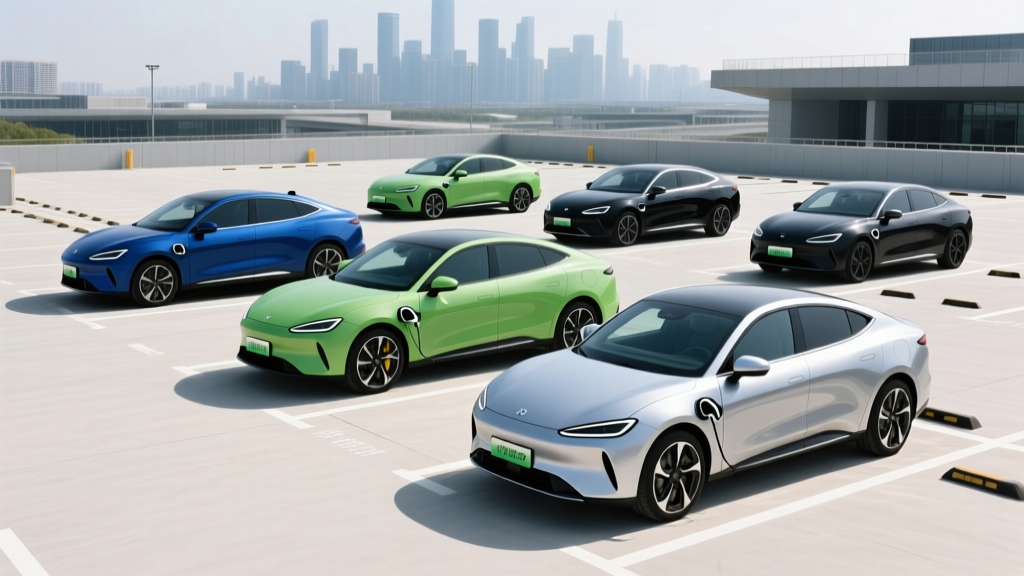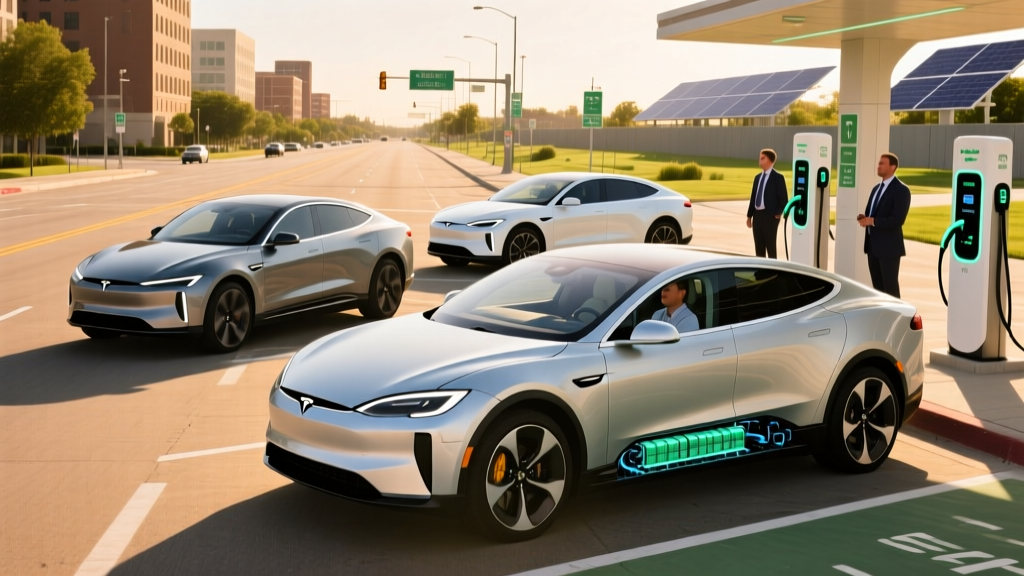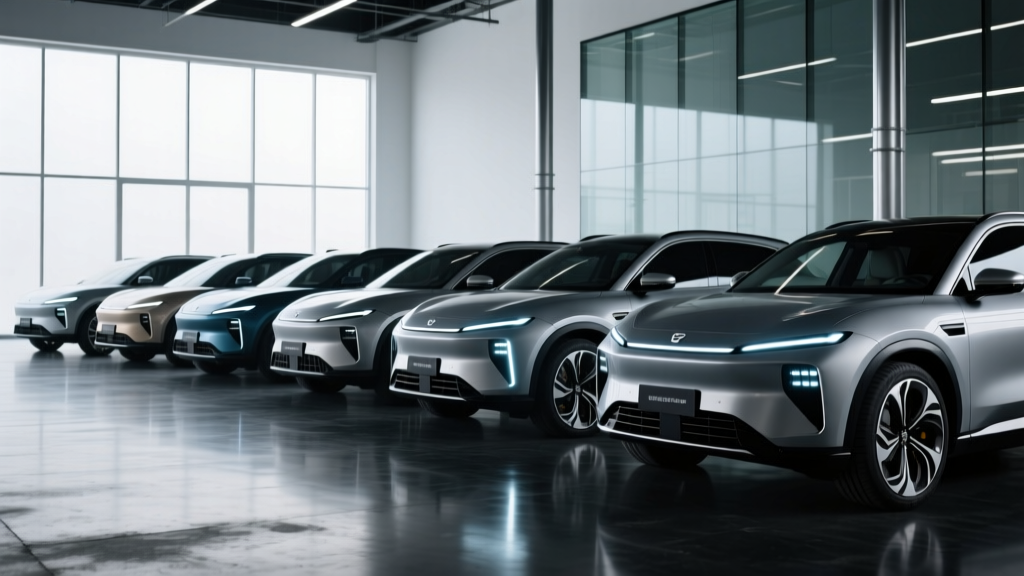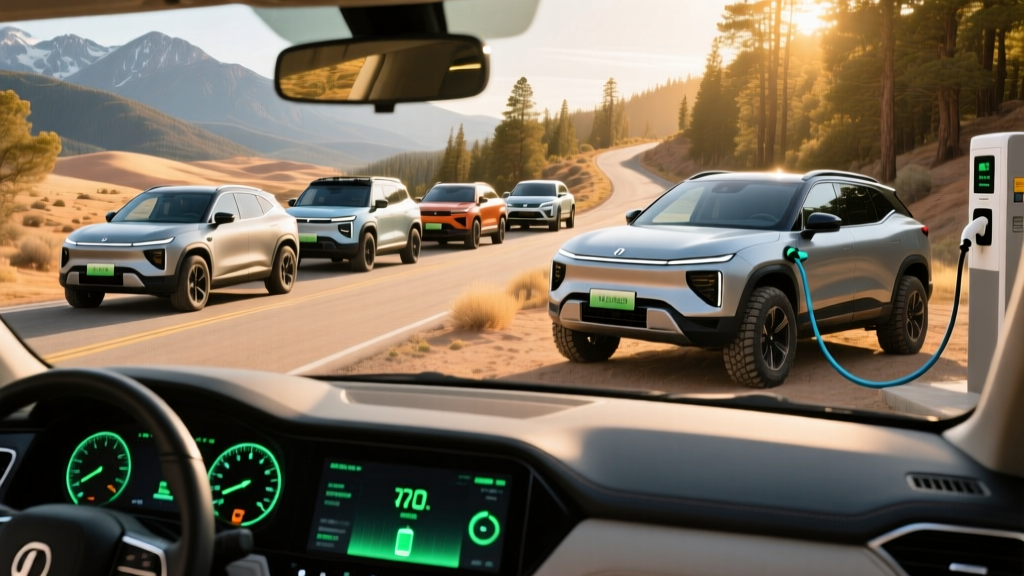
Quick Answer: Is an Electric Adventure Vehicle Right for You?
An electric adventure vehicle — think Rivian R1S, Tesla Cybertruck, or the upcoming Jeep Wagoneer S — delivers massive torque for off-road crawling, vehicle-to-load (V2L) power for campsite electronics, and dramatically lower per-mile fueling costs compared to gas trucks. However, real-world highway range drops 15–30% below EPA estimates in cold weather or at sustained 75+ mph speeds, and remote backcountry charging infrastructure remains sparse in 2026. If you can charge at home, drive mostly within 200 miles of base, and need a mobile power station for camping, an electric adventure vehicle is a strong match. If you regularly tow heavy trailers over 300+ miles through charging deserts, a hybrid or diesel remains the pragmatic choice.
What Defines an Electric Adventure Vehicle in 2026?
The "electric adventure vehicle" segment has crystallized around a specific buyer profile: someone who wants serious off-road capability, generous cargo and gear space, and enough range for weekend overlanding trips — all without burning fossil fuels. These aren't efficiency-focused commuter EVs. They're body-on-frame or reinforced unibody platforms with all-terrain tires, adaptive air suspension, skid plates, and wading depth ratings.
The defining vehicles in this category for the 2026 model year include:
- Rivian R1S (Dual-Motor / Tri-Motor): The segment benchmark. 85 kWh or 149 kWh Max Pack battery options.
- Tesla Cybertruck (AWD / Cyberbeast): Stainless steel exoskeleton with steer-by-wire and 48-volt architecture.
- Jeep Wagoneer S (Trailhawk expected): Stellantis' STLA Large platform, launching late 2025/early 2026.
- Mercedes-Benz G580 EQ Technology: Electric G-Wagen with four individually controlled motors and G-Turn tank turns.
What separates these from standard electric SUVs like the Hyundai Ioniq 5 or Tesla Model Y is ground clearance (typically 10–15 inches), approach/departure angles, and integrated camping/overlanding features like built-in camp kitchens, rooftop tent mounts, and V2L outlets capable of powering 1,900W+ devices.
Spec Comparison: Top Electric Adventure Vehicles
| Spec | Rivian R1S (Dual-Motor Max) | Tesla Cybertruck AWD | Mercedes G580 EQ |
|---|---|---|---|
| EPA Range | 410 miles | 340 miles | 239 miles (WLTP est. ~270) |
| Battery (usable) | 149 kWh (NMC) | 123 kWh (NMC) | 116 kWh (NMC) |
| Peak DC Charge Rate | 220 kW | 250 kW | 200 kW |
| 10–80% DC Time | ~40 min | ~30 min | ~35 min |
| Level 2 Rate | 11.5 kW (48V) | 11.5 kW | 11 kW |
| 0–60 mph | 4.5 sec | 3.9 sec | 4.7 sec |
| Horsepower | 665 hp | 600 hp | 579 hp |
| Ground Clearance | 14.9 in (max) | 17.4 in (max) | 9.5 in |
| Towing Capacity | 7,700 lbs | 11,000 lbs | 7,700 lbs |
| Base MSRP | $99,900 | $79,990 | $164,900 |
| Battery Warranty | 8 yr / 175,000 mi | 8 yr / 120,000 mi | 8 yr / 100,000 mi |
Sources: fueleconomy.gov, manufacturer spec sheets. Range figures are EPA estimates; real-world highway/cold-weather range will be lower.
Real-World Range Reality Check
EPA estimates assume mixed driving at moderate speeds. For adventure driving, plan conservatively:
- Highway 75 mph: Expect 80–85% of EPA range (R1S Max: ~330–350 real miles)
- Cold weather (below 30°F): Expect 65–75% of EPA range due to battery heating demand and cabin HVAC
- Towing a 5,000 lb trailer: Range drops 40–55%, meaning a Cybertruck towing gets roughly 150–190 real miles between charges
- Off-road low-speed crawling: Efficiency improves; range impact is minimal at low speeds
Electric Adventure Vehicle vs. Gas Truck: Cost & Capability
The most common cross-shopping question: how does an electric adventure vehicle stack up against a Toyota 4Runner TRD Pro, Ford Bronco, or Jeep Wrangler Rubicon? Let's run the numbers on a 5-year ownership horizon.
| Factor | Rivian R1S (Dual-Motor Max) | Toyota 4Runner TRD Pro (2026) |
|---|---|---|
| MSRP (approx.) | $99,900 | $57,000 |
| Fed. Tax Credit (§30D) | $0 (exceeds MSRP cap for SUVs: $80K) | N/A |
| Fuel/Energy Cost (5 yr, 75K mi) | $4,500 (home L2 @ $0.14/kWh) | $12,200 (gas @ $3.60/gal, 18 MPG) |
| Maintenance (5 yr) | ~$1,800 (no oil, fewer brake jobs) | ~$4,200 (oil, filters, brake pads, fluids) |
| Insurance (5 yr avg.) | ~$14,500 | ~$8,200 |
| Estimated Depreciation (5 yr) | ~$35,000 | ~$18,000 |
| Total 5-Year Cost | ~$155,700 | ~$89,600 |
| Cost Per Mile (fuel/energy only) | $0.06 | $0.20 |
Gas price and electricity rate assumptions based on EIA 2025 averages. Insurance estimates from industry averages for adventure-class vehicles. Depreciation estimates based on historical segment trends. Individual results vary by region and driving habits.
The upfront cost gap is significant. The R1S is nearly double the 4Runner's sticker price, and because it exceeds the IRS §30D MSRP cap of $80,000 for SUVs, it does not qualify for the federal clean vehicle credit. Where the EV pulls ahead is in per-mile energy cost — roughly one-third the cost of gasoline — and dramatically lower maintenance spending. But depreciation and insurance currently offset much of that advantage for premium EVs.
Charging in the Backcountry: The Real Limitation
This is where honesty matters most. The national DC fast-charging network has expanded considerably by 2026, with Tesla Superchargers (now open to NACS-equipped non-Teslas), Electrify America, and EVgo covering most interstate corridors. But "adventure" implies going where pavement ends and charging stations thin out.
| Charging Level | Power | Miles Added Per Hour | Use Case |
|---|---|---|---|
| Level 1 (120V outlet) | 1.2–1.8 kW | 3–5 miles | Emergency trickle at a campsite cabin |
| Level 2 (240V home/portable) | 7.2–11.5 kW | 20–35 miles | Daily home charging; overnight at lodges |
| DC Fast Charging | 150–350 kW | 500–1,000+ miles | Road-trip stops; 20–40 min sessions |
For backcountry trips, adventure EV owners develop specific strategies:
- Charge to 100% before leaving pavement. NMC batteries tolerate occasional 100% charges better for trip days (unlike daily driving, where 80% is recommended).
- Carry a portable Level 2 EVSE (like the Rivian Wall Connector portable unit or Grizzl-E Smart) that can plug into 240V dryer/RV outlets at campsites, adding 20–30 miles per hour overnight.
- Use regenerative braking aggressively on descents. Mountain downhill driving can recover 5–15% battery on long grades.
- Map charging with A Better Route Planner (ABRP) or PlugShare, filtering for operational chargers in rural areas.
Charging Desert Reality
Large swaths of the American West — including much of Nevada, eastern Oregon, rural Utah, and parts of the Dakotas — still have DC fast-charging gaps of 80–150+ miles. An R1S Max Pack with ~340 real-world highway miles can handle these gaps. A G580 EQ with ~200 real-world miles cannot without careful planning. Always map your route with a charging buffer of at least 15% before committing to remote roads.
Total Cost of Ownership: 5-Year Breakdown
| Cost Category | Rivian R1S Max | Cybertruck AWD | Gas Truck Avg. (4Runner TRD) |
|---|---|---|---|
| Purchase Price | $99,900 | $79,990 | $57,000 |
| Federal Tax Credit | $0 | $0 (exceeds $80K cap) | $0 |
| Home Charger Install | $1,200–$2,500 | $1,200–$2,500 | $0 |
| Energy/Fuel (5 yr, 75K mi) | $4,500 | $4,500 | $12,200 |
| Maintenance (5 yr) | $1,800 | $1,800 | $4,200 |
| Insurance (5 yr) | $14,500 | $13,000 | $8,200 |
| Depreciation (est. 5 yr) | $35,000 | $30,000 | $18,000 |
| Total 5-Year Cost | $157,100 | $133,490 | $99,600 |
Assumes home charging at $0.14/kWh average, gas at $3.60/gallon, and 15,000 miles/year. Home charger installation varies by electrical panel capacity — a 200-amp panel upgrade can add $1,500–$3,000. Consult a licensed electrician for your specific setup.
Common Misconceptions About Electric Adventure Vehicles
| Myth | Fact |
|---|---|
| "EVs can't handle off-road terrain" | Electric motors deliver instant torque at zero RPM — superior to gas for rock crawling. Rivian's quad-motor setup provides individual wheel torque vectoring. The G580 EQ does tank turns. Ground clearance on air suspension rivals dedicated off-roaders. |
| "The battery will die in cold weather" | Cold reduces range by 20–35%, but the battery itself is not damaged. Modern thermal management systems precondition the pack. Adventure EVs with heat pumps (R1S, Cybertruck) recover significant cabin heating energy. You'll have less range, but the vehicle operates normally. |
| "You can't tow with an EV" | You can — but range drops severely. The Cybertruck's 11,000-lb tow rating is real, but towing 7,000+ lbs cuts range roughly in half. Plan charging stops every 150 miles when towing heavy. |
| "Battery replacement costs $30,000+" | Full pack replacement on a 149 kWh R1S is estimated at $20,000–$25,000 out of warranty. However, NREL data shows modern NMC packs retain 85–90% capacity after 150,000 miles. Most adventure EVs carry 8-year/100,000+ mile battery warranties covering degradation below 70%. |
| "All EVs qualify for the $7,500 tax credit" | Most electric adventure vehicles exceed the §30D MSRP cap ($80,000 for SUVs, $55,000 for sedans) or buyer income cap ($300K joint / $150K single). Always verify current-year eligibility on IRS.gov before purchasing. |
What First-Time EV Buyers Need to Know Before Going Electric Off-Road
Transitioning from a gas 4Runner or Wrangler to an electric adventure vehicle requires adjusting expectations in three key areas:
1. Trip Planning Becomes Mandatory
With a gas truck, you pass fuel stations every 20–40 miles on most roads. With an adventure EV, remote routes require pre-planning charge stops, carrying portable charging equipment, and accepting that some destinations require an overnight charge midway. Apps like A Better Route Planner, PlugShare, and the Rivian/Cybertruck native navigation handle this well on highways — but dirt-road-only routes require manual range estimation.
2. Home Charging Is Nearly Essential
Adventure EVs have large battery packs (116–149 kWh). Charging a depleted R1S Max Pack on a standard 120V household outlet would take over 100 hours. A Level 2 home charger (240V, 48A circuit) is practically mandatory and costs $1,200–$2,500 installed, depending on your panel. If you live in an apartment or lack garage access, public charging for a 149 kWh pack becomes expensive and time-consuming.
3. The V2L Advantage Is Real
Vehicle-to-load capability is where adventure EVs genuinely surpass gas trucks. The Cybertruck and R1S can output 1,900W–9,600W through built-in outlets — enough to power campsite lighting, electric grills, laptops, CPAP machines, or even a small refrigerator for multi-day overlanding. No noisy generator required. This alone transforms the camping experience.
Decision Framework: Should You Buy an Electric Adventure Vehicle?
Choose an Electric Adventure Vehicle If:
- You have reliable home Level 2 charging (or can install it)
- Most trips are under 300 miles round-trip, or you're willing to plan DC fast-charge stops
- You value silent off-road operation (no engine noise on trails = better wildlife observation and group communication)
- You camp frequently and want V2L power without a generator
- You accept higher upfront cost for lower per-mile energy cost and reduced maintenance
- You want instant torque for rock crawling and technical terrain
Stick With Gas or Hybrid If:
- You regularly tow 5,000+ lbs over 250+ miles through areas with sparse charging
- You live in an apartment or street-park without charging access
- Your budget is under $60,000 (no electric adventure vehicles exist at this price point in 2026)
- You frequently drive remote BLM/forest roads more than 200 miles from the nearest DC charger
- You need a proven 15-year ownership track record (the segment is still under 5 years old)
Frequently Asked Questions
What is the best electric adventure vehicle in 2026?
For most buyers, the Rivian R1S with the Max Pack offers the best balance of range (410 miles EPA), off-road capability (14.9 inches ground clearance), and overlanding features. The Cybertruck AWD wins on towing (11,000 lbs) and value ($79,990 base). The Mercedes G580 EQ is a luxury statement but limited by its 239-mile range and $164,900 price.
Can I go off-roading in an EV without getting stuck?
Yes. Electric motors provide maximum torque from zero RPM, which is ideal for low-speed technical crawling. Rivian's quad-motor configuration and the G580's four-motor setup offer individual wheel torque vectoring that exceeds most gas locking differentials. The concern isn't capability — it's range consumption during long off-road excursions far from chargers.
How much does it cost to charge an electric adventure vehicle at home?
Charging a 149 kWh R1S Max Pack from 10% to 100% at the US average residential rate of $0.14/kWh costs approximately $18.80. That same charge on a DC fast charger at $0.40/kWh would cost about $53.70. Most adventure EV owners charge at home overnight and use DC fast charging only on road trips.
Do electric adventure vehicles qualify for the federal tax credit?
Most do not. The IRS §30D clean vehicle credit has an MSRP cap of $80,000 for SUVs and vans, and $55,000 for sedans. The R1S, Cybertruck, and G580 EQ all exceed these caps. Additionally, buyer income must not exceed $300,000 (joint) or $150,000 (single), and the battery must meet critical mineral and component sourcing requirements. Always check current rules at IRS.gov and consult a tax professional.
What happens to an EV battery after 10 years of adventure driving?
Current NMC battery data from NREL and real-world fleet studies show 85–92% capacity retention at 150,000 miles for liquid-cooled packs. Adventure driving (frequent DC fast charging, cold exposure, high-discharge off-roading) may accelerate degradation slightly compared to mild commuter use. All major manufacturers warrant the battery for at least 8 years / 100,000 miles with a minimum 70% capacity retention threshold. If degradation falls below that, the manufacturer replaces or repairs the pack at no cost.
Can I install a solar panel system to charge my adventure EV off-grid?
Some owners pair portable solar arrays (400–800W) with their adventure EV for extended backcountry stays. At 600W of solar in good sun, you'll add roughly 2–3 kWh per hour — enough for 6–9 miles of range per hour of peak sun. This is supplemental only, not a primary charging strategy. For true off-grid living, a home solar + battery system feeding a Level 2 charger is the practical solution.