Quick Answer: Is an Electric 4 Wheeler Right for Your 10 Year-Old?
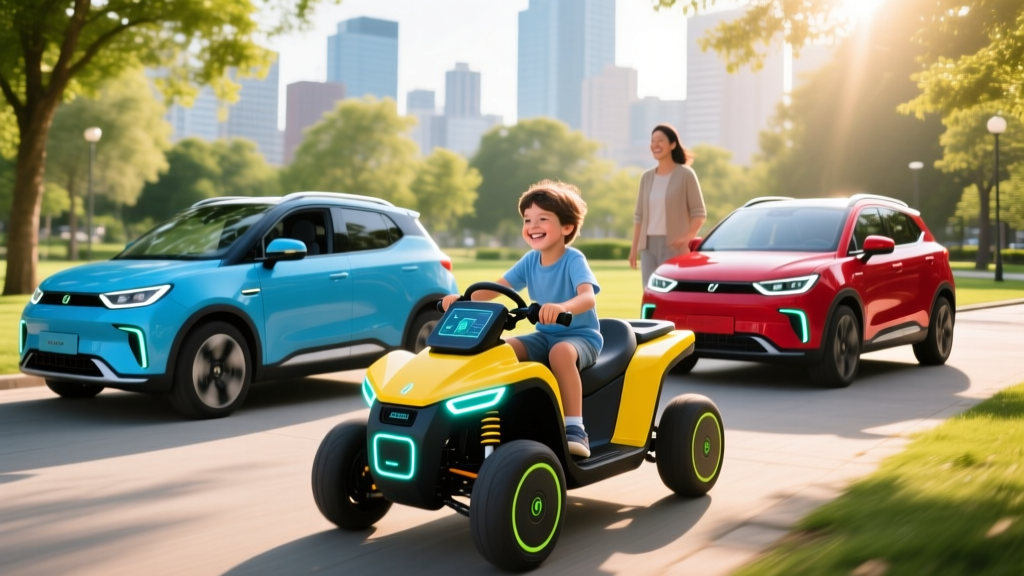
The best electric 4 wheeler for a 10 year-old in 2026 is the Razor Dirt Quad 500 (for paved/light trail use, ~$450, up to 14 mph) or the Segway Powersports eATV (Youth Mode) (for real off-road use, ~$2,499, speed-limited to 15 mph in youth mode). Electric youth ATVs deliver instant torque with no pull-starts, no gas mixing, and near-zero maintenance — but they trade top-end range (typically 10–25 miles per charge) and higher upfront cost compared to gas equivalents. For most families, an electric model makes sense if riding happens in a controlled area (yard, farm, trail loop) and overnight charging at a standard 120V outlet is available.
Buying a youth ATV is a big decision — you're balancing safety, fun, and real dollars. The electric ATV market for kids has matured significantly, with lithium-ion battery packs replacing the heavy sealed lead-acid (SLA) batteries of a few years ago. But marketing claims like "long range" and "powerful motor" mean nothing without exact numbers. This guide breaks down the real specs, costs, and ownership experience of putting an electric 4 wheeler in the hands of a 10 year-old.
Top Electric 4 Wheelers for 10 Year-Olds: Spec Comparison
| Model | Battery (kWh) | Top Speed | Range (Real-World) | Charge Time (120V) | Weight | Price (MSRP) |
|---|---|---|---|---|---|---|
| Razor Dirt Quad 500 | 0.43 kWh (36V SLA) | 14 mph | ~10 mi (mixed terrain) | ~12 hours | 113 lbs | $449 |
| Segway Powersports eATV (Youth) | 1.08 kWh (48V Li-ion) | 15 mph (Youth) / 30 mph (Adult) | ~22 mi (flat, moderate speed) | ~4 hours | 154 lbs | $2,499 |
| Kayo Storm V2 Electric | 0.96 kWh (48V Li-ion) | 20 mph (adjustable) | ~18 mi (trail use) | ~3.5 hours | 130 lbs | $1,899 |
| OSET Electric Trial (Youth ATV variant) | 0.72 kWh (48V Li-ion) | 18 mph | ~12 mi (aggressive riding) | ~3 hours | 95 lbs | $2,199 |
Key takeaway: The gap between budget SLA-powered models (Razor) and lithium-ion models (Segway, Kayo) is significant. SLA batteries are heavier, charge slower, and lose capacity faster over time. Lithium-ion costs more upfront but delivers 2–3x the cycle life and consistent power delivery until the battery is nearly depleted.
Electric vs Gas Youth ATV: The Real Cost Breakdown
The most common question parents ask: does electric actually save money? Let's compare a typical electric model (Segway eATV) against a popular gas equivalent (Honda TRX90X, a common gas youth ATV).
| Cost Factor | Electric (Segway eATV Youth) | Gas (Honda TRX90X) |
|---|---|---|
| Purchase Price | $2,499 | $3,399 |
| Fuel/Energy per Year (50 hrs riding) | ~$15 (electricity at $0.16/kWh avg) | ~$75 (gas at $3.40/gal, ~35 mpg equivalent) |
| Annual Maintenance | ~$0 (no oil, filters, spark plugs, carb cleaning) | ~$120 (oil changes, air filter, valve checks, seasonal prep) |
| 5-Year Fuel + Maintenance Total | $75 | $975 |
| 5-Year Total Cost of Ownership | $2,574 | $4,374 |
| Battery Replacement (Year 4–6) | $350–$500 (Li-ion pack) | N/A |
The electric model wins on total cost of ownership by a wide margin — roughly $1,800 less over five years — even after factoring in an eventual battery replacement. The gas model costs more upfront and bleeds money through fuel and maintenance every season. For a kid who rides 1–2 hours per week, the electric savings compound quickly.
However, the math changes if you ride in remote areas with no power access, or if you need extended range for all-day trail rides. A gas youth ATV can be refueled in 60 seconds from a jerry can; an electric ATV needs hours on a charger.
What First-Time Buyers Must Know About Electric Youth ATVs
Range Reality: Sticker Claims vs Real Riding
Manufacturers typically advertise range under ideal conditions: flat pavement, light rider, moderate speed. Real-world range for a 10 year-old riding trails with hills, stops, and acceleration bursts will be 30–50% less than the sticker claim. If a model advertises 25 miles of range, plan for 12–18 miles of actual trail riding before the battery needs a recharge.
Cold weather compounds this. Lithium-ion batteries lose 15–25% of usable capacity in temperatures below 40°F. If your family rides year-round in northern states, expect winter range to drop further.
Speed Limiters and Parental Controls
Every reputable electric youth ATV includes a speed limiter — usually a physical key, a digital PIN, or a parent-controlled app. The Segway eATV, for example, limits youth mode to 15 mph; the Kayo Storm V2 allows parents to set a custom max speed between 5 and 20 mph. Never buy a youth ATV without a functioning speed governor. The Consumer Product Safety Commission (CPSC) tracks youth ATV recalls — check their database before purchasing any model, especially lesser-known brands sold online.
Charging Logistics
Unlike a full-size EV that might need a Level 2 home charger, youth electric ATVs charge from a standard 120V household outlet. The charger is typically included. The main consideration is where you'll store and charge the ATV — a garage or covered area with an outlet is ideal. Charging a 1 kWh battery pack from empty takes 3–4 hours on a 120V outlet (drawing roughly 300–400 watts).
Never leave a lithium-ion ATV battery charging unattended overnight in an enclosed living space. While modern battery management systems (BMS) are reliable, the National Fire Protection Association recommends charging lithium-ion devices in well-ventilated areas away from flammable materials.
Decision Framework: Which Electric 4 Wheeler Fits Your Situation?
Choose Based on Your Riding Pattern
- If your child rides in a fenced yard or flat property for under 1 hour at a time: The Razor Dirt Quad 500 ($449) is adequate. Low speed, short range, but affordable and simple.
- If your child rides trails, hills, or farm property for 1–2 hours: The Segway eATV Youth ($2,499) or Kayo Storm V2 ($1,899) provides the range, suspension travel, and torque needed for real off-road use.
- If you need all-day range or ride in remote areas with no power: An electric ATV is not the right choice yet. Consider a gas youth model (Honda TRX90X or Polaris Ace 150) for refueling flexibility.
- If your child is competitive or wants to ride motocross-style: Look at the OSET electric youth lineup or the upcoming KTM electric mini-motocross platform (announced for late 2026). These prioritize power delivery and suspension over range.
- If budget is the primary concern and your child is a cautious beginner: Start with the Razor at $449. Upgrade to a lithium-ion model if they stick with the hobby.
Common Misconceptions About Electric Youth ATVs
| Myth | Fact |
|---|---|
| "Electric ATVs have no power — they're just toys." | Modern 48V lithium-ion electric ATVs produce instant torque from zero RPM. The Segway eATV delivers 2.0 kW (2.7 hp) continuously, which in a 154-lb vehicle with a child rider produces acceleration comparable to a 90cc gas engine — with no clutch or shifting. |
| "The battery will die in a year." | Lithium-ion packs in quality youth ATVs are rated for 800–1,200 charge cycles before dropping to 80% capacity. At one charge per week, that's 15–23 years of use. SLA batteries (found in budget models) last 200–400 cycles — roughly 4–8 years at weekly use. |
| "Electric ATVs are waterproof — kids can ride through creeks." | Most electric youth ATVs carry an IP54 or IP65 rating, meaning they handle splashes and rain. Submerging the motor or battery housing in water will void the warranty and risk a short circuit. Always check the manufacturer's IP rating before riding in wet conditions. |
| "You need a special charger or 240V outlet." | All mainstream youth electric ATVs charge on a standard 120V household outlet using the included charger. No electrical upgrades are needed. |
| "Electric ATVs are maintenance-free forever." | While there's no engine maintenance, you still need to check tire pressure, brake pads, chain/belt tension, and suspension bolts. Budget for brake pad replacement every 1–2 seasons depending on use. |
Safety Gear and Riding Rules for 10 Year-Olds
No matter which electric 4 wheeler you choose, safety gear is non-negotiable. The ATV Safety Institute recommends the following for all youth riders:
- DOT-certified helmet (full-face preferred) — $80–$200
- Goggles — $20–$50
- Gloves — $25–$60
- Long sleeves, long pants, over-ankle boots
- Chest protector (recommended for trail/rough terrain) — $50–$120
Total safety gear budget: $175–$430. Factor this into your purchase decision — it's not optional.
Additionally, the CPSC and the ATV Safety Institute both emphasize that children under 16 should never ride adult-size ATVs, should always be supervised, and should never carry passengers on single-rider models. Electric ATVs make supervision easier in one key way: they're significantly quieter than gas models, so you can hear your child and they can hear you from a greater distance.
Frequently Asked Questions
Can a 10 year-old legally ride an electric ATV?
Yes, on private property with parental supervision. Public trail and road legality varies by state — some states require ATV safety certificates for riders under 16, and most prohibit ATV use on public roads. Check your state's Department of Natural Resources (DNR) or parks department for specific youth ATV regulations.
How long does an electric youth ATV battery last before replacement?
Lithium-ion batteries in quality models last 800–1,200 charge cycles, which translates to 8–15+ years at typical usage rates (1–2 charges per week). Sealed lead-acid (SLA) batteries in budget models last 200–400 cycles, or roughly 4–8 years. A replacement lithium-ion pack costs $350–$500 depending on the model.
Is an electric ATV safer than a gas ATV for kids?
Electric ATVs have several safety advantages: no hot exhaust components (burn risk), instant speed limiting via software, no flammable fuel onboard, and quieter operation (better communication between parent and child). However, the fundamental risks of ATV riding — rollovers, collisions, loss of control — are the same regardless of powertrain. Proper training, supervision, and safety gear matter more than the power source.
What happens if the battery runs out mid-ride?
The ATV simply stops — there's no reserve fuel switch or kick-start option. Most models give a low-battery warning (LED indicator or beep) when roughly 10–15% capacity remains. For trail riding, plan loops that stay within the realistic range of the ATV, or carry a portable lithium power station (like a Jackery or EcoFlow) with the appropriate charger for emergency top-ups. A 500W portable station can add roughly 5–8 miles of range in a 90-minute charge.
Do electric youth ATVs hold their resale value?
Moderately. Well-maintained lithium-ion electric youth ATVs from known brands (Segway, Kayo) retain roughly 50–60% of purchase price after two years. SLA-based budget models depreciate faster (30–40% retention) because buyers anticipate a near-term battery replacement. Gas youth ATVs from Honda and Polaris hold value slightly better (55–65%) due to brand recognition and the established dealer/service network.