The Quick Answer
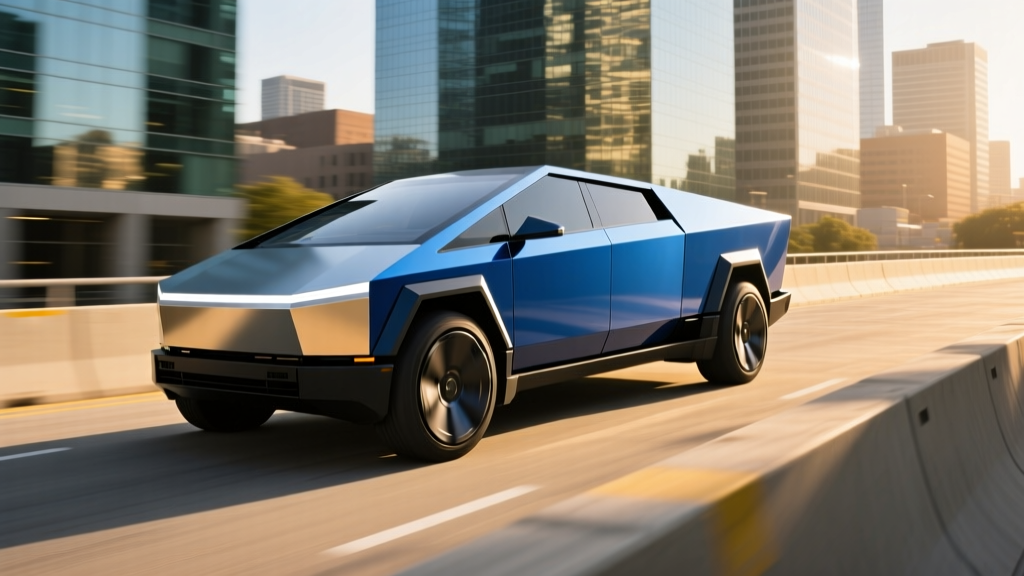
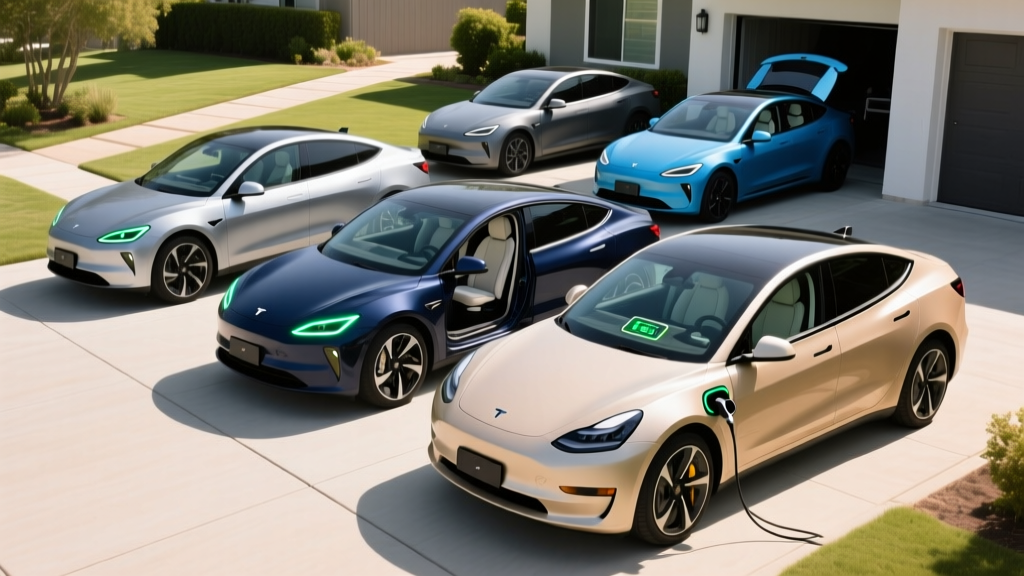
If you're searching for the best comfort electric Uber vehicle in 2026, the top picks balance rear-seat legroom, ride smoothness, EPA range above 300 miles, and low per-mile charging costs. The Tesla Model Y Long Range (EPA 320 mi, ~$44,990), Hyundai Ioniq 6 SE Long Range (EPA 361 mi, ~$38,650), and BMW i5 eDrive40 (EPA 295 mi, ~$57,200) lead the pack for Uber Comfort eligibility. Drivers switching from gas midsize sedans like the Toyota Camry or Honda Accord typically save $1,800–$3,200 per year on fuel and maintenance when driving 40,000+ miles annually — but only with reliable home Level 2 charging access.
What "Comfort Electric Uber" Actually Means for Drivers
Uber Comfort is a specific ride tier that sits between UberX and Uber Black. To qualify, your vehicle must meet Uber's minimum requirements: a midsize or full-size sedan/SUV with above-average legroom, a model year no older than 2019 (varies by market), and a driver rating of 4.85 or higher. Electric vehicles have become increasingly popular in this tier because they deliver smooth, quiet acceleration and low operating costs — two things that translate directly into higher driver margins and better rider ratings.
For riders requesting a "comfort electric Uber," the expectation is clear: a spacious, quiet cabin, visible range confidence (no mid-trip charging detours), and climate control that doesn't gut the battery. For drivers, the calculus is different — it's about whether the EV's total cost of ownership undercuts a comparable gas sedan enough to justify the higher upfront price and the behavioral shift to daily charging.
Top EVs for Uber Comfort in 2026: Side-by-Side Specs
Below are the strongest electric candidates for Uber Comfort service this year, based on EPA data, manufacturer specs, and real-world ride-hailing suitability.
| Vehicle | EPA Range | Battery (kWh) | Peak DC Charge (kW) | 10–80% Time | Rear Legroom (in) | Base MSRP |
|---|---|---|---|---|---|---|
| Tesla Model Y LR AWD | 320 mi | 78.1 (NMC) | 250 kW | ~22 min | 41.6 | $44,990 |
| Hyundai Ioniq 6 SE LR RWD | 361 mi | 77.4 (NMC) | 240 kW | ~18 min | 38.7 | $38,650 |
| BMW i5 eDrive40 | 295 mi | 84.3 (NMC) | 205 kW | ~30 min | 36.8 | $57,200 |
| Mercedes EQE 350+ | 305 mi | 90.6 (NMC) | 170 kW | ~32 min | 38.5 | $71,900 |
| Tesla Model 3 LR RWD | 341 mi | 66.0 (LFP) | 170 kW | ~25 min | 35.2 | $38,990 |
Sources: fueleconomy.gov, manufacturer spec sheets (2025–2026 model year). Rear legroom figures from OEM brochures. Real-world highway range typically runs 10–15% below EPA in warm weather and 20–30% below in sub-30°F conditions.
EV vs Gas: The Real Cost Comparison for Uber Comfort Drivers
The most common question from prospective ride-hail EV buyers: does the math actually work compared to a proven gas sedan like the Toyota Camry or Honda Accord? Here's a 5-year cost breakdown assuming 40,000 miles per year (typical for full-time Uber drivers) and a mix of 80% home Level 2 charging / 20% public DC fast charging.
| Cost Category (5-Year / 200k mi) | Hyundai Ioniq 6 (EV) | Toyota Camry LE (Gas) |
|---|---|---|
| Purchase Price (base MSRP) | $38,650 | $28,990 |
| Federal Tax Credit (§30D, if eligible) | –$3,750 to –$7,500* | $0 |
| Fuel / Electricity | $5,800 (at $0.14/kWh avg) | $17,400 (at $3.50/gal, 32 MPG avg) |
| Maintenance | $1,900 | $4,200 |
| Insurance (avg) | $9,500 | $7,200 |
| Tires (high-mileage replacement) | $3,200 | $2,400 |
| Total 5-Year Operating Cost | ~$59,300 (with full credit) | ~$60,190 |
*The IRS §30D credit for 2026 depends on battery sourcing, critical mineral content, MSRP caps ($55,000 for sedans), and buyer income limits ($150k single / $300k joint). The Ioniq 6 SE qualifies for a partial credit; verify current eligibility on IRS.gov. Point-of-sale transfer is available through registered dealers.
The takeaway: EVs reach cost parity with gas sedans around year 3–4 at ride-hail mileage levels. The Ioniq 6's lower electricity and maintenance costs erase its higher sticker price — but insurance premiums and tire wear partially offset those savings. EV tires wear 15–25% faster due to instant torque and heavier curb weight.
Charging Logistics: The Make-or-Break Factor
No comfort electric Uber strategy works without a charging plan. Here's the reality for full-time drivers covering 150–250 miles per day:
Home Level 2 Charging (the ideal setup)
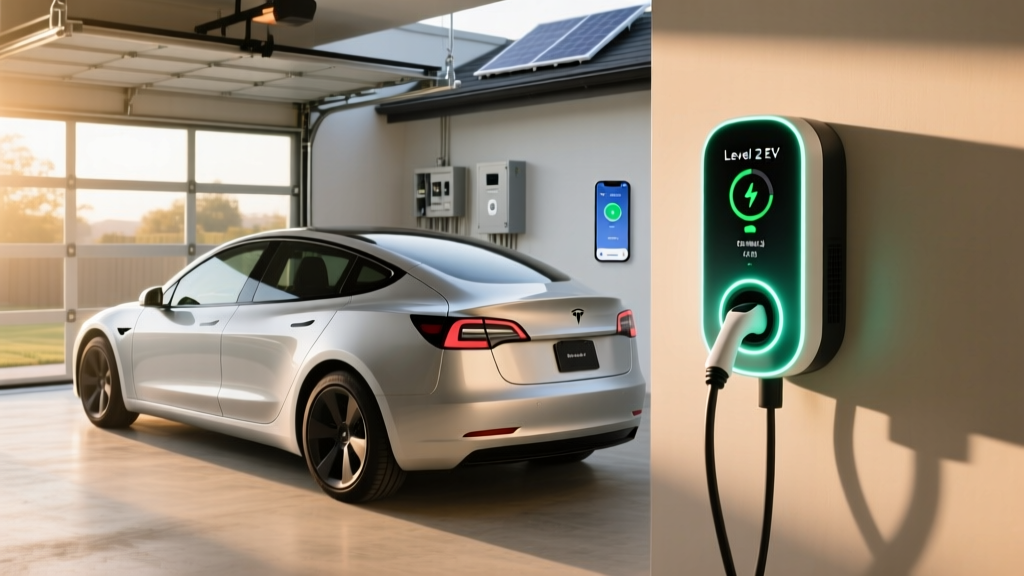
A 48-amp Level 2 home charger (like the ChargePoint Home Flex or Emporia Vue) delivers roughly 11.5 kW of power — enough to add about 44 miles of range per hour in the Ioniq 6. A full overnight charge from 10% to 90% takes roughly 6–7 hours, which aligns perfectly with a driver's sleep schedule. Installation costs range from $800 to $2,500 depending on whether your electrical panel needs an upgrade (200-amp service is typically required for a dedicated 60-amp circuit).
Public DC Fast Charging (the gap-filler)
When you need a mid-shift top-up, DC fast chargers at 150–250 kW can restore 10–80% in 18–30 minutes depending on the vehicle. But here's what most buyers miss: peak kW is not sustained kW. A Tesla Model Y that peaks at 250 kW will taper to ~80 kW above 60% state of charge, and slow further above 80%. Your actual average charging speed during a 10–80% session is closer to 120–150 kW. Plan your breaks around this curve, not the headline number.
What if you can't charge at home?
Street-parking or apartment-dwelling drivers face a harder equation. Relying entirely on public chargers increases your per-mile energy cost by 60–100% (DCFC rates average $0.35–$0.48/kWh vs. $0.12–$0.16/kWh at home) and adds 20–40 minutes of downtime per day. If you can't install a Level 2 charger, a hybrid like the Toyota Camry Hybrid (EPA 52 MPG combined) remains a more practical Uber Comfort vehicle until your housing situation changes.
Rider Comfort: What the Back Seat Actually Feels Like
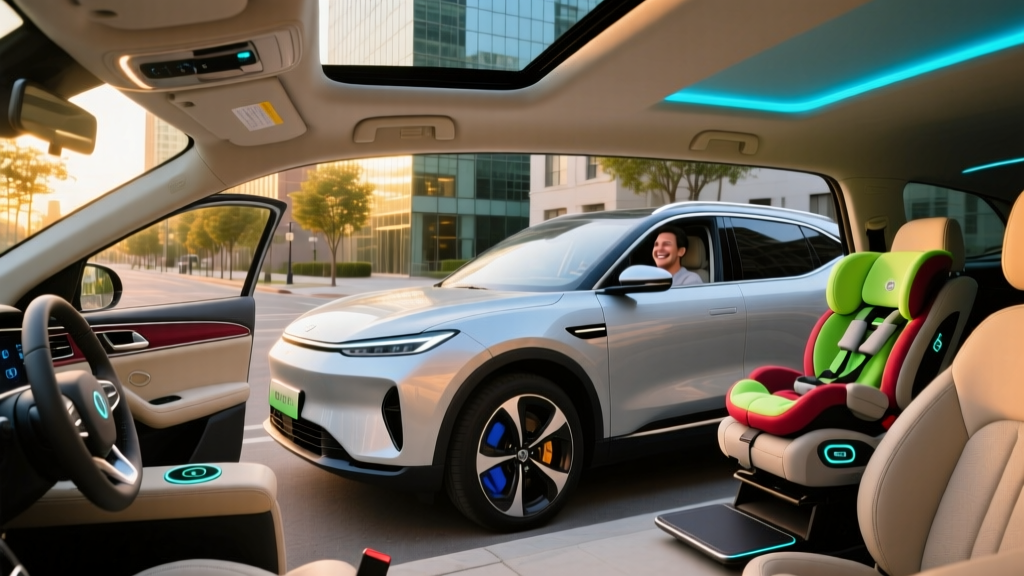
Uber Comfort riders expect more room and a smoother ride than UberX. Here's how the top EV candidates perform in the metrics that matter for rider satisfaction:
- Tesla Model Y: Generous 41.6 inches of rear legroom, but the firm suspension and lack of rear-seat cushioning draw complaints on longer rides. The panoramic glass roof creates an airy feel. No physical buttons — everything routes through the center screen, which some riders find disorienting for climate adjustments.
- Hyundai Ioniq 6: Sleek fastback design sacrifices some rear headroom for tall riders, but the 38.7 inches of legroom is competitive. The cabin is notably quieter than the Model Y at highway speeds, and the rear seats have dedicated USB-C ports. V2L (vehicle-to-load) capability lets drivers power devices or small appliances — a nice touch for airport pickups.
- BMW i5: The most traditional luxury sedan experience. Excellent rear-seat cushioning, four-zone climate control, and a near-silent cabin at speed. Riders consistently rate it highest for perceived quality. The trade-off is a $57,200 entry price that takes longer to recoup through ride-hail earnings.
- Mercedes EQE: Plush ride quality and premium materials, but the 170 kW peak charge rate is the slowest in this group. For a driver who DC-charges daily, those extra 10 minutes per session add up to ~60 hours per year of lost earning time.
Common Misconceptions About EVs for Ride-Hailing
| Myth | Fact |
|---|---|
| "EV batteries won't survive 200,000+ ride-hail miles." | Modern NMC and LFP packs are warrantied for 8 years / 100,000 miles (10 years in CARB states). Real-world data from high-mileage Teslas shows ~10–12% degradation at 150,000 miles with proper charging habits (avoiding consistent 100% SoC and extreme heat exposure). |
| "You'll spend all day charging." | With home Level 2 charging, most drivers plug in overnight and wake up to a full battery. Only 1–2 mid-shift DC top-ups per week are needed for drivers covering under 200 miles/day. |
| "Cold weather makes EVs unusable for Uber." | Range drops 20–30% in sub-30°F weather, but preconditioning (warming the battery while plugged in) and using seat heaters instead of cabin heat mitigate most losses. A 361-mile Ioniq 6 still delivers ~250 real-world winter miles — enough for a full shift. |
| "The $7,500 tax credit applies to everyone." | The §30D credit has MSRP caps ($55k sedans, $80k SUVs/vans), income limits ($150k single / $300k joint AGI), and strict battery-sourcing requirements. Many EVs qualify for $3,750 (partial) or $0 depending on the model year and manufacturing date. Always verify on fueleconomy.gov. |
Decision Framework: Is a Comfort Electric Uber Right for You?
Choose an EV for Uber Comfort if:
- You have access to home Level 2 charging (garage, driveway, or landlord-approved outlet)
- You drive 30,000+ miles per year — the fuel savings scale with mileage
- You operate in a metro area with reliable public DCFC infrastructure as a backup
- You qualify for at least a partial §30D tax credit or state/local EV incentive
- You plan to keep the vehicle 4+ years (to amortize the higher purchase price)
Stick with a gas or hybrid sedan if:
- You park on the street with no charging access and no realistic path to install a Level 2 charger
- You drive fewer than 20,000 miles per year (the fuel savings won't offset the price premium within a reasonable timeframe)
- You operate in a region with extreme cold (sub-0°F) for 4+ months and limited DCFC availability
- You need to tow or regularly carry heavy cargo that would further reduce range
Frequently Asked Questions
Does Uber offer any incentives for driving an electric vehicle?
Yes. Uber has partnered with various programs offering EV incentives, including reduced commission rates in select markets, Hertz EV rental programs, and rebates through state clean-fleet initiatives. The specifics vary by city and change frequently. Check Uber's driver app or Uber's EV page for current programs in your area.
What's the best charging strategy for a full-time Uber EV driver?
Charge to 90% overnight on Level 2 (for NMC batteries; LFP batteries like in the Model 3 RWD can safely charge to 100% daily). Use DC fast charging only when you need a mid-shift top-up, and try to stay in the 10–80% SoC window where charge speeds are fastest. Precondition your battery before arriving at a DCFC — most EVs do this automatically when you navigate to a charger in the car's infotainment system.
Will the battery need replacement before I hit 200,000 miles?
Unlikely with proper care. Data from NHTSA-reported warranty claims and fleet studies suggest most modern EV batteries retain 85–90% of original capacity at 150,000 miles. Full replacement costs range from $8,000–$16,000 depending on the vehicle, but partial module replacements are increasingly available at lower cost. The federal warranty mandate covers 8 years / 100,000 miles, and CARB-state warranties extend to 10 years / 150,000 miles.
How does insurance cost compare for EVs used in ride-hailing?
EV insurance premiums run 15–25% higher than equivalent gas vehicles due to higher repair costs, specialized parts, and battery replacement risk. For ride-hailing, you'll need a commercial or rideshare endorsement, which adds another $80–$200/month. Shop quotes from GEICO, Progressive, and EV-specialty insurers before purchasing — the spread between carriers is often wider for EVs than for gas cars.
Is the Tesla Model 3 a good Uber Comfort vehicle?
It depends on your market. The Model 3 Long Range offers excellent range (341 mi EPA) and low operating costs, but its rear legroom (35.2 inches) is tighter than the Model Y or Ioniq 6, and some Uber markets have removed the Model 3 from the Comfort-eligible list in favor of larger sedans and SUVs. Check your local Uber vehicle requirements before committing. The Model 3 is universally eligible for UberX, where its cost advantages are strongest.