The Short Answer
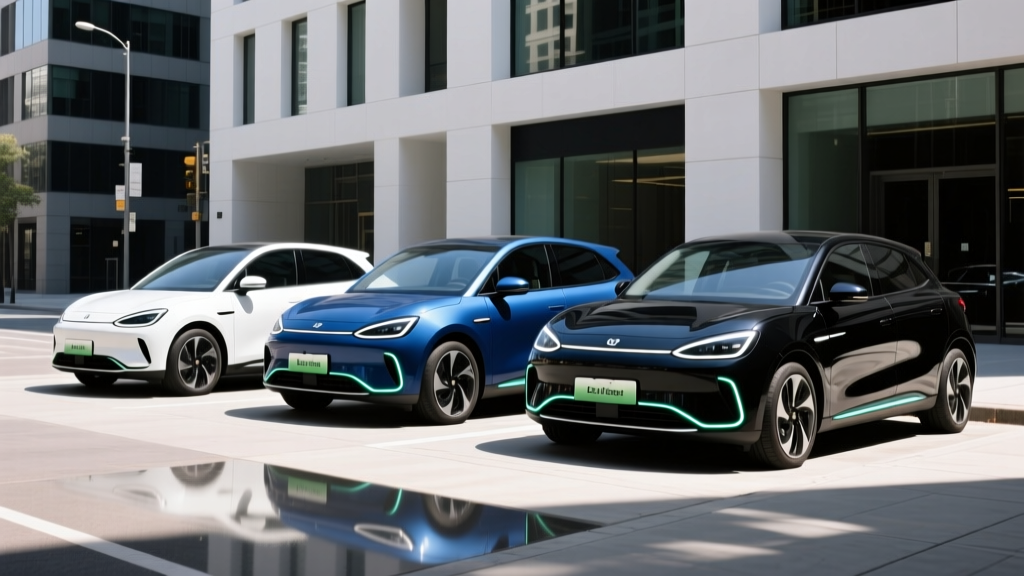
The best city car electric options for 2026 are compact BEVs with 200–270 miles of EPA range, a small footprint for tight parking, and DC fast-charging capability above 100 kW. For urban drivers covering 20–40 miles daily, a city EV charged at home on Level 2 power costs roughly $0.04–$0.06 per mile in electricity — compared to $0.12–$0.16 per mile for a 30 MPG gas car at $3.50/gallon. The 2026 Chevrolet Bolt EV (259 mi EPA, ~$28,900 MSRP), Hyundai Kona Electric (261 mi EPA, ~$34,000 MSRP), and Nissan LEAF (212 mi EPA, ~$30,000 MSRP) lead this segment. If you have reliable home or workplace Level 2 charging, a city EV will save most drivers $800–$1,500 annually on fuel alone, with near-zero scheduled maintenance.
Why a City Car Electric Makes Sense in 2026
Urban driving is where electric vehicles shine brightest. Stop-and-go traffic, low average speeds, and short daily distances align perfectly with EV strengths: regenerative braking recovers energy in traffic, electric motors deliver instant torque from a stop, and the battery rarely faces the sustained high-speed drain that reduces highway range. Most city drivers travel under 40 miles round-trip — meaning even a modest 200-mile EPA range EV needs charging only once or twice a week on a home Level 2 setup.
Compact EVs also solve a practical urban problem: parking. Models like the Chevrolet Bolt EV (163.2 inches long) and Mini Cooper SE (152.8 inches) slip into tight parallel spots that larger crossovers can't touch. Combined with lower running costs and zero tailpipe emissions in dense neighborhoods, the case for a small electric city car is compelling — provided you understand the real numbers.
Top City Car Electric Models: Specs & Pricing
| Model (2026) | EPA Range | Battery (kWh, usable) | Chemistry | Peak DC Charge (kW) | 10–80% Time | 0–60 mph | Base MSRP |
|---|---|---|---|---|---|---|---|
| Chevrolet Bolt EV | 259 mi | 65 kWh | NMC | 115 kW | ~30 min | 6.5 sec | $28,900 |
| Hyundai Kona Electric | 261 mi | 64.8 kWh | NMC | 100 kW | ~43 min | 7.2 sec | $34,000 |
| Nissan LEAF (60 kWh) | 212 mi | 60 kWh | NMC | 100 kW (CCS adapter required) | ~40 min | 7.4 sec | $30,000 |
| Mini Cooper SE (2026) | 162 mi | 54.2 kWh | NMC | 95 kW | ~30 min | 6.7 sec | $33,000 |
| Volvo EX30 | 265 mi (est.) | 69 kWh | NMC (Extended Range) | 153 kW | ~26 min | 3.4 sec (Twin Motor) | $36,500 |
Sources: fueleconomy.gov, manufacturer press sites. Range figures are EPA estimates; real-world highway or cold-weather range may be 15–30% lower. Pricing reflects base MSRP before destination charges or incentives.
Real-World Range Reality Check
EPA Sticker: Chevrolet Bolt EV — 259 miles
Real-World Expectation: City driving with regen: ~240–270 mi (regen recovers energy at stops). Highway-only at 70 mph: ~200–220 mi. Cold weather (below 30°F) with cabin heating: ~170–200 mi. Always plan trips around 80% of the EPA number in winter.
EV vs Gas: The Real Cost Comparison for City Driving
The financial argument for a city car electric hinges on fuel and maintenance savings. Let's compare a 2026 Chevrolet Bolt EV against a typical 33 MPG combined gas compact (like a Honda Civic) over 12,000 miles/year, with 75% city driving.
| Cost Factor (Annual) | Chevy Bolt EV | Gas Compact (33 MPG) | Notes |
|---|---|---|---|
| Fuel / Electricity | $430 | $1,270 | EV: $0.14/kWh avg, 3.0 mi/kWh. Gas: $3.50/gal. |
| Oil Changes | $0 | $150 | EVs have no engine oil |
| Brake Pads | $0 (most years) | $200 | Regen braking preserves pads; replacement every 80k+ mi |
| Scheduled Maintenance | $50 | $350 | Cabin filter, tire rotation for EV |
| Insurance (avg.) | $1,650 | $1,400 | EV insurance runs 10–20% higher on average |
| Annual Total | $2,130 | $3,370 | EV saves ~$1,240/year |
Over five years, the Bolt EV saves roughly $6,200 in operating costs. Subtract the higher insurance premium (~$1,250 over 5 years) and the net savings are approximately $4,950. Factor in the federal tax credit (up to $7,500 if eligible, discussed below) and the Bolt's effective purchase price can undercut a comparable gas compact.
For context, the EPA's EV savings calculator lets you input your local electricity rate and state fuel prices to get a personalized figure.
Federal Tax Credits & Incentives: What You Actually Qualify For
The IRS §30D Clean Vehicle Credit can reduce your tax burden by up to $7,500 on a new EV purchase — but eligibility depends on several conditions that change frequently. As of 2026, the key rules are:
- Buyer income cap: Modified AGI ≤ $150,000 (single), $225,000 (head of household), $300,000 (joint)
- MSRP cap: Vehicle base MSRP must not exceed $55,000 for cars (all models in this guide qualify)
- Battery sourcing: Increasing percentages of critical minerals and battery components must be sourced from the U.S. or FTA partners — this requirement tightens annually and can disqualify otherwise eligible models mid-year
- Point-of-sale transfer: You can transfer the credit to the dealer at purchase, reducing your out-of-pocket cost immediately (instead of waiting for a tax refund)
- Assembly: Vehicle must undergo final assembly in North America
The Chevrolet Bolt EV (assembled in Michigan) has consistently qualified for the full or partial credit, but battery-sourcing rules shift — always verify current eligibility on the fueleconomy.gov credit lookup tool before purchasing. Your tax professional should confirm your personal eligibility.
Charging a City Car Electric: Home, Work, and Public
The make-or-break factor for EV ownership in the city is charging access. Here's what you need to know, honestly.
| Charging Level | Power (kW) | Miles Added per Hour | Best For |
|---|---|---|---|
| Level 1 (120V outlet) | 1.2–1.8 kW | 3–5 mi/hr | Overnight top-up if daily driving <20 mi |
| Level 2 (240V home/work) | 7.2–11.5 kW | 20–35 mi/hr | Primary daily charging — full overnight refill |
| DC Fast Charging | 50–150 kW (model-dependent) | 150–300+ mi/hr | Road trips and quick top-ups; not for daily use |
Home Level 2 installation: Expect $800–$2,500 total for a quality Level 2 charger (e.g., ChargePoint Home Flex, Emporia Level 2) plus electrician labor and permits — assuming your electrical panel has capacity. Older homes or condos may need a panel upgrade ($1,500–$4,000 additional). Consult a licensed electrician for a site-specific quote.
Apartment/condo reality: If you lack dedicated home charging, your experience depends entirely on workplace charging availability and local public infrastructure. Relying solely on DC fast charging is more expensive ($0.30–$0.50/kWh vs. $0.12–$0.18/kWh at home) and accelerates battery degradation over time. Before buying, map the Level 2 chargers within a 5-minute detour of your daily routes using apps like PlugShare or ChargePoint.
Connector note: The 2026 Bolt EV and Kona Electric use the CCS1 connector. The Nissan LEAF still uses CHAdeMO for DC charging (a CCS adapter is available but adds cost and friction). The industry is transitioning to NACS (Tesla's connector), and most new EVs from 2025 onward include NACS or offer adapters. Verify connector type before selecting your home charger.
Common Misconceptions About City EVs
| Myth | Fact |
|---|---|
| "City EVs can't handle road trips" | A Bolt EV with 259 mi EPA range and 115 kW DC charging can cover 500+ miles in a day with two 30-minute fast-charge stops. Plan routes with PlugShare/A Better Routeplanner. |
| "Batteries need replacing every few years" | Modern NMC and LFP batteries degrade slowly — typically 8–12% capacity loss over 8 years. Federal warranty mandates at least 8 years/100,000 miles of battery coverage (to 70% capacity). NHTSA data shows few claims of premature failure. |
| "EVs don't work in cold weather" | Cold reduces range 15–30% due to cabin heating and battery chemistry. Preconditioning (warming the battery while plugged in) mitigates this. City driving with short trips is less affected than long highway runs in the cold. |
| "The power grid can't handle more EVs" | Most city EVs charge overnight during off-peak hours when grid demand is lowest. A single EV charging at 7.2 kW draws roughly the same as an electric dryer — manageable on most residential circuits. |
| "EVs cost more in the long run" | Higher purchase price is offset by $7,500 credit (if eligible), $1,000+/year fuel savings, and drastically lower maintenance. Break-even typically occurs in 3–5 years for city drivers. |
What First-Time EV Buyers Must Know
If this is your first electric vehicle, these ownership realities don't appear in the brochure:
- Charge curves matter. A "115 kW peak" charge rate only applies between ~10–50% state of charge. Above 80%, charging slows dramatically to protect the battery. The 10–80% time is the number that matters — not the peak kW figure.
- Tire wear increases. EVs are heavier (the Bolt EV weighs ~3,563 lbs vs. ~2,877 lbs for a Civic) and deliver instant torque. Budget for tire replacement every 30,000–40,000 miles, and choose EV-optimized tires for lower rolling resistance and noise.
- One-pedal driving takes a week to learn. Strong regenerative braking lets you slow to a stop without touching the brake pedal. Most city drivers prefer it within days — it reduces brake wear to near zero.
- Preconditioning is essential for fast charging. If your EV supports battery preconditioning (the Kona Electric and EX30 do; the LEAF does not), navigating to a DC charger in the car's navigation will warm the battery for faster charging. Without preconditioning, expect slower charge speeds, especially in cold weather.
- Insurance costs more. EV insurance premiums run 10–20% higher than gas equivalents due to repair complexity and battery replacement costs. Get quotes before purchasing — the difference can be $200–$400/year.
Decision Framework: Is a City Car Electric Right for You?
Choose a City EV If:
- You drive under 60 miles per day, mostly in stop-and-go urban traffic
- You have access to Level 2 charging at home, a workplace, or a reliable public station nearby
- Your household income is under the §30D cap and the model you want qualifies for the federal credit
- You want to minimize maintenance visits and fuel costs
- You rarely drive more than 250 miles one-way without an overnight stop
Consider a Hybrid (HEV/PHEV) Instead If:
- You have no reliable access to Level 2 charging at home or work
- You regularly drive 300+ miles one-way in rural areas with sparse DC charging
- You live in extreme cold (consistently below 0°F) where range loss exceeds 30%
- Your budget is under $25,000 and you can't access the tax credit
- You need to tow more than 1,500 lbs
Wait or Look Elsewhere If:
- You're in an apartment with zero charging options and no workplace charging — solve the charging problem first
- You need 3-row seating or heavy cargo capacity (look at larger EVs like the Hyundai Ioniq 5 or Kia EV9)
Frequently Asked Questions
How long does it take to charge a city EV at home?
On a 240V Level 2 charger at 7.2 kW, a fully depleted 65 kWh battery (Bolt EV) charges from 0–100% in about 9 hours. In practice, city drivers rarely deplete below 30%, so a typical overnight session of 6–7 hours restores a full day's driving. On a standard 120V outlet (Level 1), expect 3–5 miles of range per hour of charging — sufficient only for very low-mileage days.
Will a city EV's battery last 10 years?
Yes, with high confidence. Federal law mandates battery warranties of at least 8 years/100,000 miles (covering capacity loss below 70%). Real-world data from high-mileage EV fleets shows most NMC batteries retain 85–92% capacity after 8 years of typical use. The Chevrolet Bolt and Hyundai Kona both carry 8-year/100,000-mile battery warranties.
Are city EVs safe in crashes?
Compact EVs undergo the same NHTSA and IIHS crash testing as larger vehicles. The battery pack sits low in the chassis, providing a low center of gravity that reduces rollover risk. Check specific model ratings at iihs.org before purchasing — ratings vary by model year.
Can I use a city EV for road trips?
Yes, with planning. A 259-mile Bolt EV with DC fast charging can handle 500-mile days with two 30-minute stops. Use A Better Routeplanner or PlugShare to identify reliable chargers along your route. The trade-off versus a gas car is trip time: add roughly 30–45 minutes per 500 miles of driving.
Do city EVs qualify for HOV lane access?
Many states offer HOV/carpool lane stickers or decals for EVs, but rules vary by jurisdiction and often have income or vehicle-price caps. California's Clean Air Vehicle decal program, for example, has specific eligibility windows. Check your state DMV for current rules.
What's the cheapest city EV I can buy new in 2026?
The Chevrolet Bolt EV at ~$28,900 MSRP is the least expensive new EV with over 250 miles of range. With the full $7,500 federal credit (if eligible), the effective price drops to ~$21,400 — undercutting most gas-powered compacts. The Nissan LEAF S starts around $30,000 but offers only 212 miles of range on the larger battery trim.