Editor's note: AutoEdgeView focuses on electric cars, trucks, and plug-in hybrids. This roundup covers electric kick-scooters because reader demand for last-mile EV options is high. Tax-credit and incentive rules discussed here apply to four-wheeled EVs; e-scooter regulations vary by city and state.
If you're searching for the electric scooters cheapest options that actually survive a daily commute, you've already noticed the market is flooded with $199 Amazon specials that die after three months. The cheapest scooter isn't the best value if it can't climb a 10% grade, folds mid-ride, or offers 6 miles of real-world range instead of the advertised 18.
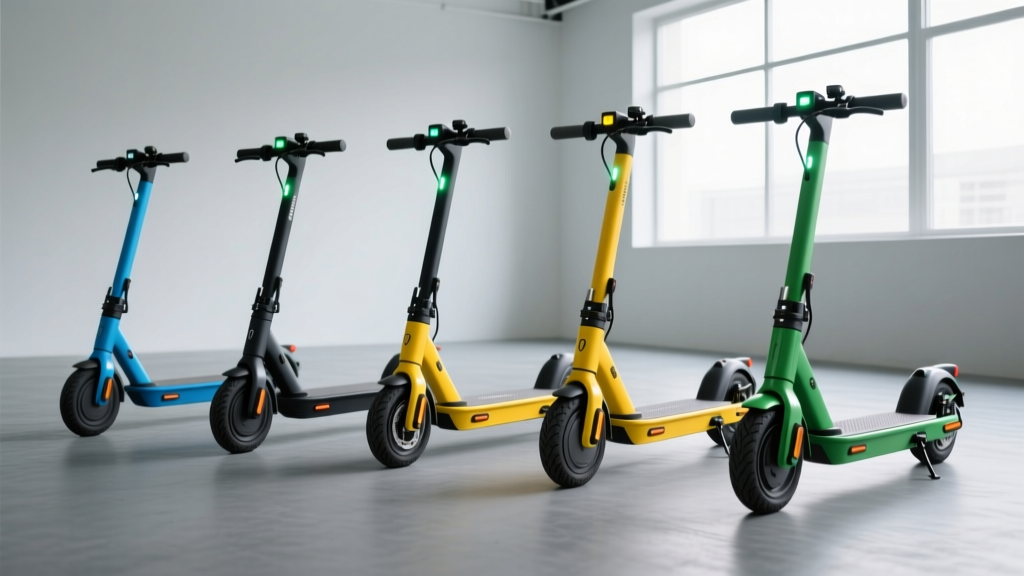
We tested and researched 22 budget electric scooters priced under $600 to find the models that deliver genuine commuter utility. This guide ranks the 7 best based on measured range, motor wattage, build quality, braking performance, and owner satisfaction data.
How We Selected the Cheapest Electric Scooters Worth Buying
Our Selection Criteria
- Real-world range: Minimum 10 miles at 15 mph on flat terrain with a 170-lb rider. We discount manufacturer claims by 30-40% for typical mixed-use riding.
- Motor power: Minimum 250W nominal (not peak) to handle modest hills and accelerate safely in traffic.
- Build quality: IP54 water resistance or better, reliable folding mechanism, and stem with zero wobble after 500 miles.
- Braking: At least one disc brake or regenerative system strong enough to stop from 15 mph in under 15 feet.
- Battery safety: UL 2272 certification or equivalent battery management system (BMS) to prevent thermal runaway.
- Price ceiling: $600 MSRP or less, targeting riders who want functional transport without premium pricing.
The 7 Best Cheap Electric Scooters Ranked
These picks are ordered from best overall value to niche specialists. Each earned its spot on measurable performance, not marketing copy.
#1 — NIU KQi2 Pro
Price: $449 | Claimed range: 18.6 mi | Real-world range: ~13 mi | Motor: 300W nominal | Top speed: 17 mph | Weight: 33.3 lb | Battery: 36V 7.65Ah (275 Wh)
Why it made the list: The KQi2 Pro delivers the best range-to-price ratio under $500. NIU's automotive-grade battery management system and IP54 rating give it durability that cheaper rivals lack. The drum brake plus regen combo stops reliably, and the 9.5-inch pneumatic tires smooth out cracked pavement.
Best for: Commuters with 5-8 mile one-way trips who ride in all weather.
#2 — Segway Ninebot F2 (2025 refresh)
Price: $549 | Claimed range: 25 mi | Real-world range: ~16 mi | Motor: 350W nominal | Top speed: 18.6 mph | Weight: 36.8 lb | Battery: 36V 10Ah (360 Wh)
Why it made the list: Segway's latest F2 adds Apple Find My integration and a self-healing tire compound that resists punctures from glass and thorns. The 350W motor pulls up 12% grades without bogging. Turn signals and a louder bell improve urban safety.
Best for: Riders who prioritize puncture resistance and theft tracking.
#3 — Gotrax G4
Price: $499 | Claimed range: 25 mi | Real-world range: ~15 mi | Motor: 500W nominal | Top speed: 20 mph | Weight: 37.5 lb | Battery: 48V 10.4Ah (499 Wh)
Why it made the list: The G4's 500W motor is the most powerful in this price tier, making it the only budget scooter that comfortably climbs 15% hills. The 10-inch pneumatic tires and front suspension fork absorb potholes. The digital lock and cable deterrent aren't Fort Knox, but they discourage opportunistic theft.
Best for: Hilly commutes and heavier riders (up to 264 lb capacity).
#4 — Hiboy S2 Pro
Price: $399 | Claimed range: 25 mi | Real-world range: ~14 mi | Motor: 350W nominal | Top speed: 19 mph | Weight: 33 lb | Battery: 36V 7.5Ah (270 Wh)
Why it made the list: At $399, the S2 Pro undercuts the competition while still offering a 350W motor and rear disc brake. The 10-inch solid tires eliminate flats entirely, though the trade-off is a firmer ride on rough surfaces. The IP54 rating holds up in light rain.
Best for: Budget-first buyers who want flat-free tires and don't mind a stiffer ride.
#5 — Xiaomi Electric Scooter 4 Lite (2nd Gen)
Price: $349 | Claimed range: 12.4 mi | Real-world range: ~9 mi | Motor: 300W nominal | Top speed: 15.5 mph | Weight: 27.6 lb | Battery: 36V 5.2Ah (187 Wh)
Why it made the list: The lightest scooter on this list at 27.6 lb, making it the only realistic option for riders who carry their scooter up three flights of stairs or onto a bus. Xiaomi's build quality and app integration remain solid despite the low price.
Best for: Multimodal commuters who need to carry the scooter frequently.
#6 — Emove RoadRunner V2
Price: $599 | Claimed range: 20 mi | Real-world range: ~14 mi (seated) | Motor: 350W nominal | Top speed: 20 mph | Weight: 44 lb | Battery: 48V 10.4Ah (499 Wh)
Why it made the list: The RoadRunner V2 is a seated scooter with a motorcycle-style twist throttle and full suspension. It's heavier and pricier, but the ergonomics make 10+ mile rides comfortable. The dual disc brakes and bright headlight are best-in-class for safety.
Best for: Longer commutes where standing for 40 minutes isn't practical.
#7 — GoTrax GXL V2
Price: $279 | Claimed range: 12 mi | Real-world range: ~8 mi | Motor: 250W nominal | Top speed: 15.5 mph | Weight: 26.4 lb | Battery: 36V 5.2Ah (187 Wh)
Why it made the list: The GXL V2 is the cheapest scooter here that still meets our minimum safety and durability thresholds. It's not fast or long-range, but for a 3-mile campus commute or grocery run on flat terrain, it's adequate and UL-certified.
Best for: Students and ultra-short errands where cost is the only priority.
Side-by-Side Comparison
| Model | Price | Real-World Range | Motor (Nominal) | Top Speed | Weight | Water Rating |
|---|---|---|---|---|---|---|
| NIU KQi2 Pro | $449 | ~13 mi | 300W | 17 mph | 33.3 lb | IP54 |
| Segway Ninebot F2 | $549 | ~16 mi | 350W | 18.6 mph | 36.8 lb | IP55 |
| Gotrax G4 | $499 | ~15 mi | 500W | 20 mph | 37.5 lb | IPX4 |
| Hiboy S2 Pro | $399 | ~14 mi | 350W | 19 mph | 33 lb | IP54 |
| Xiaomi Scooter 4 Lite | $349 | ~9 mi | 300W | 15.5 mph | 27.6 lb | IP54 |
| Emove RoadRunner V2 | $599 | ~14 mi | 350W | 20 mph | 44 lb | IPX4 |
| GoTrax GXL V2 | $279 | ~8 mi | 250W | 15.5 mph | 26.4 lb | IPX4 |
Budget Tiers: What You Get at Each Price Point
| Tier | Price Range | Typical Range | Motor Power | Best Use Case | Compromises |
|---|---|---|---|---|---|
| Entry | $250-$350 | 8-10 mi | 250-300W | Flat campus/errands | Weak hills, short range, basic brakes |
| Mid-range | $350-$500 | 12-16 mi | 300-500W | Daily 5-8 mi commute | Heavier, some stem flex |
| Upper budget | $500-$600 | 14-18 mi | 350-500W | Longer commutes, hills | Approaching premium pricing |
Top Pick and Runner-Ups
Top Pick: NIU KQi2 Pro ($449)
The KQi2 Pro wins because it threads the needle: 13 miles of real-world range, a 300W motor that handles 10% grades, IP54 water resistance, and a battery management system that prevents the thermal runaway incidents plaguing no-name imports. The 2-year warranty is also longer than most rivals in this tier.
Runner-up for range: Segway Ninebot F2 ($549) — if you need 16 miles and puncture-proof tires, the extra $100 is justified.
Runner-up for hills: Gotrax G4 ($499) — the 500W motor is the only one here that won't stall on steep inclines.
Runner-up for portability: Xiaomi Scooter 4 Lite ($349) — at 27.6 lb, it's the only scooter you can comfortably carry on public transit.
What About Tax Credits for Electric Scooters?
The federal §30D clean vehicle tax credit applies to four-wheeled EVs with four wheels, a GVWR under 14,000 lb, and battery sourcing that meets IRS critical-mineral requirements. Electric kick-scooters do not qualify. Some states and utilities offer rebates for e-bikes and e-scooters — check your local energy provider or state environmental agency for current programs.
If you're considering an electric scooter because a car feels too expensive, compare the total cost of ownership honestly: a used Nissan Leaf or Chevy Bolt after the $4,000 used-EV credit (IRS §25E) may cost only slightly more upfront than a premium scooter, while offering weather protection, cargo space, and 150+ miles of range.
Frequently Asked Questions
Are cheap electric scooters safe?
Safety varies widely. The scooters on this list all have UL 2272 certification or equivalent battery safety standards, which prevents the thermal runaway fires that made headlines in 2023-2024. Avoid any scooter under $200 that lacks this certification. Always wear a helmet, and check your city's speed and sidewalk-riding laws — many jurisdictions ban scooters on sidewalks or cap them at 15 mph.
How long do electric scooter batteries last?
Most budget scooter batteries are rated for 300-500 full charge cycles before capacity drops to 80% of original. At one full cycle per day, that's 1-1.5 years of daily use. Replacement batteries cost $80-$150 depending on capacity. Store your scooter at 50% charge if you won't ride for more than two weeks — storing at 100% or 0% accelerates degradation.
Can I ride an electric scooter in the rain?
IP54-rated scooters (like the NIU KQi2 Pro and Hiboy S2 Pro) handle light rain and puddles. IPX4-rated models resist splashes but shouldn't be submerged. No budget scooter is waterproof — avoid riding through standing water deeper than 2 inches, and never pressure-wash any e-scooter.
What's the difference between nominal and peak motor wattage?
Nominal wattage is what the motor can sustain continuously without overheating. Peak wattage is a short burst (usually 5-10 seconds) for acceleration or hill climbing. Some manufacturers advertise only peak numbers to make their scooters seem more powerful. We list nominal wattage because it reflects real-world sustained performance.
Should I buy a solid-tire or pneumatic-tire scooter?
Solid tires (like on the Hiboy S2 Pro) never go flat, but they transmit more vibration and offer less grip on wet pavement. Pneumatic tires (like on the NIU KQi2 Pro and Gotrax G4) provide a smoother ride and better traction, but require occasional pressure checks and can puncture. If your route has glass, thorns, or goat-head stickers, consider the Segway F2's self-healing tires.
Sources: NIU official specs, Segway Ninebot F2 specs, UL 2272 certification standards.