The Apartment EV Challenge: How to Thrive Without a Home Charger
Owning an electric vehicle (EV) when you live in an apartment or multi-family dwelling presents a unique set of challenges. Unlike homeowners who can simply install a Level 2 wall connector in their garage and wake up to a full battery every morning, apartment dwellers must rely on public charging infrastructure, workplace charging, or slow Level 1 trickle charging from a standard outdoor outlet. According to the Department of Energy, while home charging is the most convenient method, the rapidly expanding public DC Fast Charging (DCFC) network and advancements in vehicle battery architectures have made apartment EV ownership more viable than ever.
However, not all EVs are created equal when it comes to charging flexibility. If you cannot charge at home, your vehicle's ability to accept high-speed DC charging, its real-world efficiency, and its access to reliable charging networks become the most critical factors in your daily life. In this comprehensive how-to guide, we rank the best EVs for apartment dwellers based on charging flexibility, and provide actionable steps to master the apartment EV lifestyle.
How to Evaluate EV Charging Flexibility
Before diving into the rankings, it is essential to understand the criteria we use to evaluate an EV's suitability for apartment living. When you lack a dedicated home charger, you must prioritize the following metrics:
- DC Fast Charging (DCFC) Speed: How quickly can the vehicle charge from 10% to 80%? Faster charging means less time spent waiting at public plazas.
- Battery Architecture: Vehicles with 800-volt architectures can accept higher charging rates and sustain them longer without overheating compared to traditional 400-volt systems.
- Network Access: Does the vehicle have native access to the Tesla Supercharger network (via the North American Charging Standard, or NACS), or will it require a third-party adapter?
- Real-World Efficiency: Measured in miles per kWh. A highly efficient EV requires fewer charging stops overall, reducing your reliance on public infrastructure.
- Battery Preconditioning: The ability of the car's thermal management system to warm or cool the battery en route to a charger, ensuring maximum charging speeds upon arrival.
Ranked: The Best EVs for Apartment Dwellers
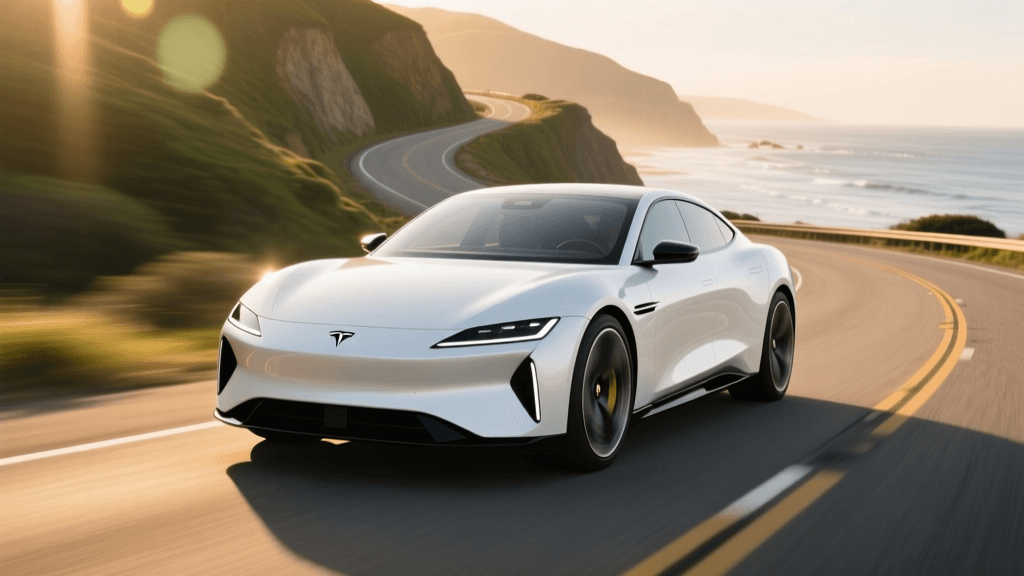
1. Tesla Model Y (The Supercharger King)
The Tesla Model Y remains the undisputed champion for apartment dwellers, primarily due to its native access to the Tesla Supercharger network. As detailed by Car and Driver, the NACS connector and Supercharger ecosystem offer unparalleled reliability, plug-and-charge simplicity, and widespread geographic coverage. For an apartment resident who must rely on public charging, the elimination of payment apps, broken CCS screens, and adapter dongles is a massive quality-of-life improvement. The Model Y's excellent efficiency (averaging 3.5 to 4.0 miles per kWh) and robust battery preconditioning ensure that when you do stop to charge, you are in and out in 25 minutes or less.
2. Hyundai Ioniq 5 (The 800V Ultra-Fast Charging Marvel)
If you prefer to avoid the Tesla ecosystem, the Hyundai Ioniq 5 is the ultimate alternative for apartment living. Its standout feature is the 800-volt battery architecture, which allows it to accept up to 238 kW of DC fast charging power. On a 350 kW Electrify America or Ionity charger, the Ioniq 5 can sprint from 10% to 80% in just 18 minutes. This ultra-fast charging capability transforms public charging from a chore into a quick grocery-run pitstop. Furthermore, its vehicle-to-load (V2L) capability and spacious, lounge-like interior make waiting at charging plazas far more comfortable.
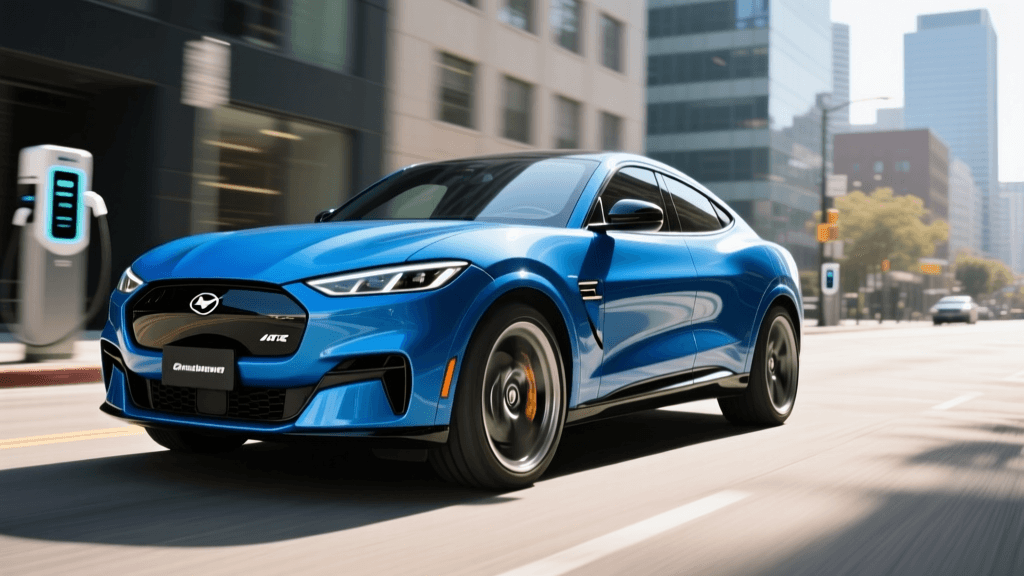
3. Ford Mustang Mach-E (The NACS-Adaptable All-Rounder)
The Ford Mustang Mach-E Extended Range offers a fantastic blend of long-range capability (up to 320 miles EPA estimated) and newfound charging flexibility. Ford was one of the first legacy automakers to strike a deal with Tesla, granting Mach-E owners access to the Supercharger network via a NACS adapter. For apartment dwellers, this means you can utilize the most reliable public charging network in North America while driving a vehicle with a more traditional, car-like driving dynamic. The Mach-E's battery management system is highly effective at preconditioning, ensuring consistent charging speeds across varying weather conditions.
4. BMW i4 eDrive40 (The Efficiency and Reliability Champion)
The BMW i4 eDrive40 is a masterclass in real-world efficiency. While its peak DCFC speed of 205 kW is respectable (charging 10-80% in about 31 minutes), its true superpower for apartment dwellers is its incredible energy consumption. The i4 frequently exceeds its EPA range estimates, easily achieving 3.5 to 4.2 miles per kWh on the highway. According to data from Fueleconomy.gov, higher efficiency directly translates to fewer required charging sessions. If you only have time to visit a public charger once a week, the i4's ability to stretch its electrons ensures you won't be caught short.
Comparison Chart: Apartment EV Charging Specs
| Vehicle | Architecture | Max DCFC Speed | 10-80% Charge Time | Primary Network Access |
|---|---|---|---|---|
| Tesla Model Y | 400V (Optimized) | 250 kW | ~25 Minutes | Native NACS (Supercharger) |
| Hyundai Ioniq 5 | 800V | 238 kW | ~18 Minutes | CCS (NACS via adapter) |
| Ford Mach-E ER | 400V | 150 kW | ~45 Minutes | CCS (NACS via adapter) |
| BMW i4 eDrive40 | 400V | 205 kW | ~31 Minutes | CCS (NACS via adapter) |
How-To: Mastering the Apartment EV Lifestyle
Choosing the right car is only half the battle. To successfully own an EV without a dedicated home charger, you must develop a strategic charging routine. Follow these actionable steps to optimize your experience.
Step 1: Map Your Weekly Routine and Identify 'Anchor' Chargers
Do not rely on a single public charging station. Use apps like PlugShare and A Better Routeplanner to identify at least three reliable DCFC stations within a 10-minute detour of your weekly routine. Look for chargers located at grocery stores, gyms, or shopping centers where you already spend 30-45 minutes. By pairing your charging time with existing errands, you eliminate the feeling of 'waiting' for your car to charge.
Step 2: Leverage Workplace and Destination Charging
If your apartment lacks charging, your workplace might be the solution. Many office buildings now offer Level 2 destination charging. A standard Level 2 charger delivers roughly 7 to 9 kW of power, which can add 25 to 35 miles of range per hour. Plugging in for an 8-hour workday can fully replenish your battery, effectively making your workplace your primary 'home' charger. Always communicate with your building's facilities manager to understand if there are dedicated EV spots or if you need to rotate with colleagues.
Step 3: Master Battery Preconditioning and Charge Limits
When relying on public DCFC, battery temperature is everything. Always enter the charging station into your vehicle's native navigation system before you arrive. This triggers the battery preconditioning process, warming or cooling the cells to the optimal temperature for maximum charging speed. Additionally, to preserve long-term battery health while frequenting high-speed DC chargers, set your daily charge limit to 80% and only charge to 100% immediately before a long road trip.
Step 4: Navigate 'Right to Charge' Laws
Depending on where you live, you may have legal leverage to install a charger in your assigned apartment parking spot. States like California, New York, Colorado, and Florida have enacted 'Right to Charge' laws, which prevent Homeowners Associations (HOAs) and landlords from unreasonably denying EV charger installations. Research your local statutes, gather quotes from licensed electricians, and present a formal proposal to your property management detailing how the installation will be safely integrated into the building's existing electrical grid.
Conclusion
Living in an apartment does not mean you have to sacrifice the benefits of electric vehicle ownership. By selecting a vehicle with high charging flexibility—like the Tesla Model Y for network reliability or the Hyundai Ioniq 5 for raw charging speed—and implementing a strategic public charging routine, you can enjoy the smooth, quiet, and cost-effective nature of EV driving. Map your routes, utilize workplace charging, and let your car's advanced thermal management do the heavy lifting.